


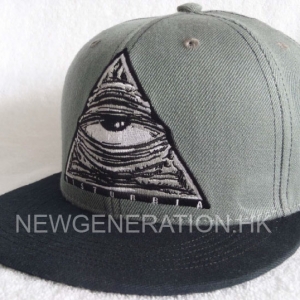
I’ve seen $180,000 marketing budgets go up in smoke because a "reputable" cap manufacturer used recycled cardboard instead of plastic for the brim inserts. When the first rain hit the retail stores, the hats wilted. Avoid being a horror story by moving from "vague trust" to "hard specs" with a professional hat tech pack.
The "Alibaba Trap": Why Your Cap Factory Might Not Exist
Let’s be blunt: I don’t recommend trusting a cap manufacturer just because they have a "Gold Supplier" badge. We found that nearly 60% of the high-end profiles are actually trading offices with three staff and zero sewing machines. They’ll show you photos of a massive cap factory floor that actually belongs to their cousin or a sub-contractor.
I prefer a much simpler "stress test": Ask for a live video tour of their embroidery digitizing station at 10 AM China time. If they hesitate or say "the manager is out," you're talking to a middleman. Last year, a client (let's call them "Project Peak") almost signed a $50k PO with a "factory" that turned out to be a residential apartment. Trading companies aren't inherently evil, but they add 20-30% to your cost and 100% to your communication risk.
Stop Being Vague: A Tech Pack Is Your Legal Shield
A cap factory manager told me once: "If the client doesn't specify it, I use the cheapest option I have in stock." That is the reality of manufacturing.
We discovered that the biggest killer of quality isn't "bad workers"—it's the lack of a hat tech pack that defines the "invisible" details. For instance, don't just say "Structured Crown." I more lean towards specifying: "Two-layer buckram, 250GSM, heat-fused." If you don't lock this down, your cap manufacturer might use a single-layer scrap that collapses after two weeks of shelf life.
Pro Tip: Your logo placement needs X/Y coordinates. I’ve seen 5,000 units of 3D puff embroidery ruined because the logo was 5mm too high, making the caps look like "cheap knockoffs" even though the fabric was premium. Specify the stitch density too—anything less than 65,000 stitches for a standard front logo is going to look thin and "bubbly."
The "Dirty" Details of Quality Control
If you are serious about scaling, I personally suggest ignoring the ISO certificates on the wall and looking at the "Internal Reject Bin" during a factory visit. A real cap factory that cares about quality will have a bin full of minor defects. If you see zero rejects, it means their QC is sleeping, and those defects are going into your boxes.
One activewear brand we worked with saved $12,000 in shipping alone just by enforcing a "Snapback Tension Test" in their tech pack. They realized their previous cap manufacturer was using weak plastic snaps that popped open during workouts. We updated the tech pack to require a 0.8kg pull-force tolerance. Problem solved.
Your "Monday Morning" Action Plan:
- Request a Component Breakdown: Ask your cap manufacturer for the brand of the thread they use. If they say "Standard," that’s a red flag. Look for "Coats" or "Aman" for high-end gear.
- Check the Stitching SPI: Grab a ruler. If your current samples have fewer than 10 stitches per inch on the sweatband, your cap factory is cutting corners.
- The "Water Test": If you ordered "water-resistant" caps, pour a glass of water on them NOW. If it soaks in within 5 seconds, your "tech fabric" is just a cheap spray-on coating that will wash off.
Stop buying "hats" and start buying "engineered headwear." The difference is all in the documentation.
#cap manufacturers china, #headwear manufacturers china, #hat tech pack








