

When it comes to the best custom-fitted caps, employing the assistance of a professional Custom Hat Manufacturer will make it easier for you. Especially, custom fitted caps are all the rage these days as a result of the perfect fit. It implies you will obtain exactly what you are paying for.
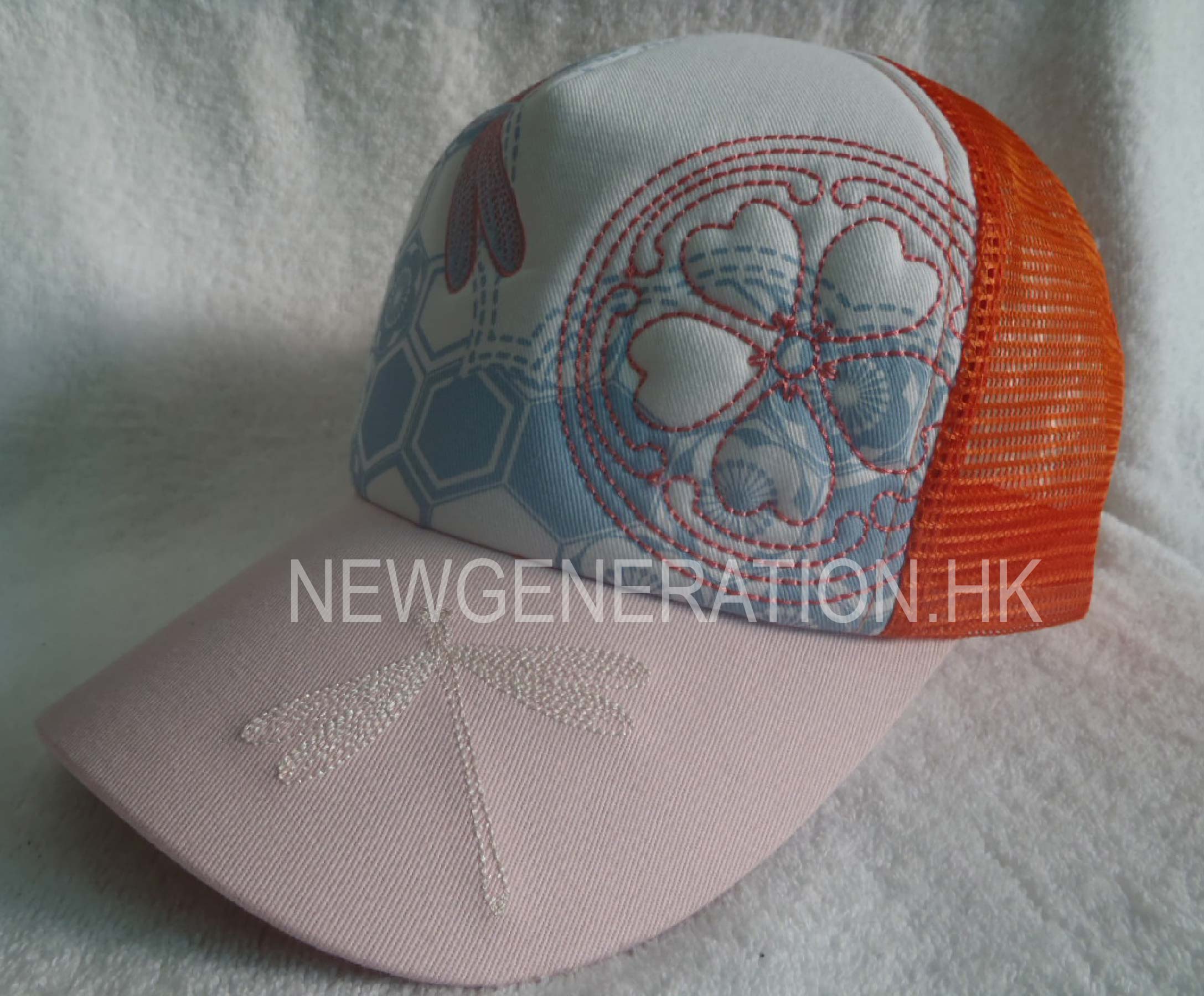
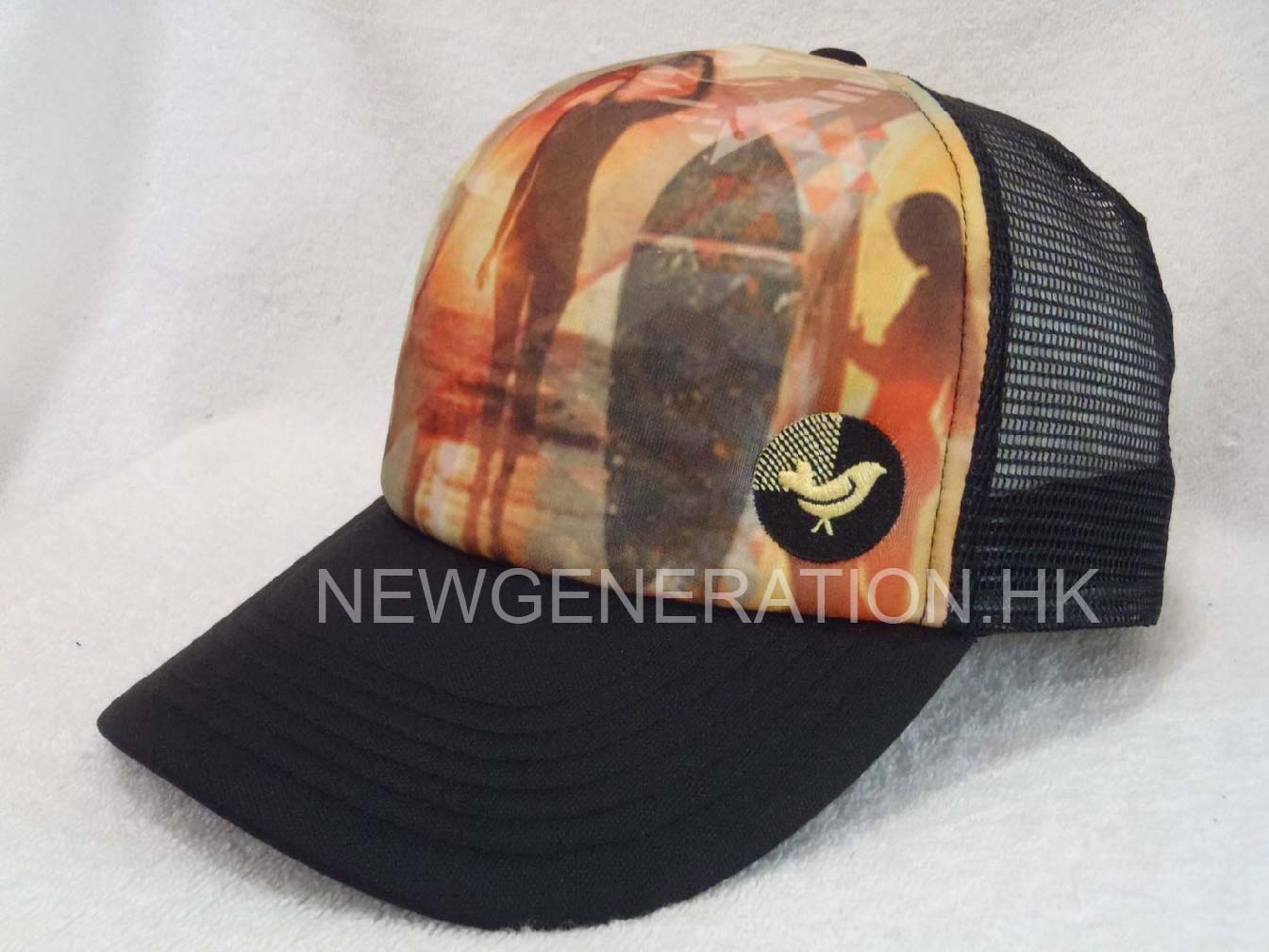
Add custom hats to your wardrobe!! Now, making custom Generation Cap is easy on the web, including 2D/3D embroidered caps. Several online suppliers print your business logo on caps. This is the most convenient way to promote your products and services and brands and let people know about your company.
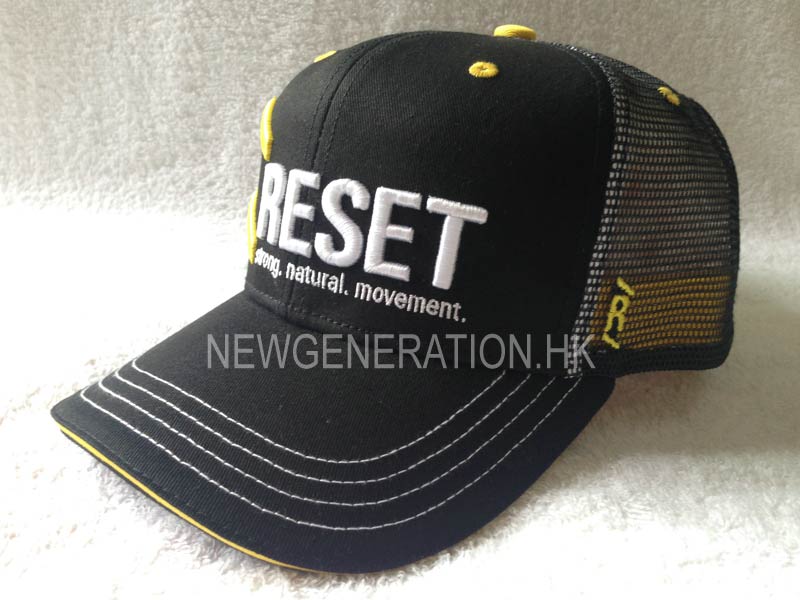
There are many people who consider baseball caps as part of their casual and sports get up.

For European fashion labels and corporate buyers in 2026, the sourcing landscape has fundamentally changed. With the EU’s new Ecodesign for Sustainable Products Regulation (ESPR) taking full effect and the abolition of the €150 duty-free threshold for small parcels, the "cheap and fast" era of mass-importing has been replaced by a demand for "compliant and premium."
Navigating the transition from design to delivery requires a strategic partnership with a reliable cap factory. European brands are no longer just looking for a vendor; they are looking for a cap manufacturers that understands EU compliance, digital product passports, and the necessity of high-end craftsmanship.

In the competitive world of branded merchandise and team apparel, finding a reliable cap factory that can translate your vision into high-quality, custom headwear is a universal challenge. Many businesses struggle with inconsistent quality, limited design options, communication barriers, and inefficient minimum order quantities (MOQs). At New Generation, we understand these pain points intimately. As leading cap manufacturers, we have built our entire operation to provide seamless, stress-free solutions for businesses seeking exceptional custom sports caps and truly unique creativity customized hats.

In the world of fashion and retail, standing out from the competition is essential. As a wholesale distributor, you understand the importance of offering unique and high-quality products to your customers. When it comes to headwear, collaborating with a leading cap manufacturer can provide you with the edge you need to succeed in the market.

It’s December. The first major snowstorm is in the forecast, your lodge is booked solid, and guests are already lining up at the gift shop… only to find your most profitable merch shelf looking emptier than the advanced terrain on opening day. The shipment of customized hats you counted on is stuck in a port, delayed by a factory error, or worse—the samples finally arrived and look like they were sewn by someone wearing mittens.
This isn’t a hypothetical nightmare; it’s the December reality for many resort operators. The gap between a booming winter season and a busted merch plan is often a single, unreliable supplier. But what if your cap manufacturer could actually function like a skilled ski patrol for your supply chain: expert, prepared for emergencies, and focused on getting you out of trouble fast?

In the fast-paced world of fashion and promotional products, trends are constantly evolving. For B2B buyers looking to capitalize on these shifts, one of the most exciting and profitable avenues is the rise of customized hats. In 2025, personalized headwear is set to dominate the market, offering businesses a unique opportunity to create products that resonate with their target audiences. If you’re a brand looking to stay ahead of the competition, understanding the emerging trends in hat design and personalized hats is essential for success.
In the rapidly evolving landscape of international trade, 2026 marks a pivotal shift for the apparel industry. Sustainability is no longer a "marketing buzzword" but a core mechanical requirement for global supply chains. For premium cap manufacturers, the transition from virgin polyester to Recycled Polyester (rPET) has become the definitive benchmark for quality and environmental responsibility.
As a leading headwear manufacturer, New Generation has analyzed the performance data of rPET across thousands of production cycles. This comparative guide explores why choosing a cap factory that prioritizes recycled materials is the strategic move for your brand’s future.

Caps are one of the most versatile fashion accessories in existence. They can be worn on any occasion, and they can be used to express your personality in a way that's both fun and professional. Generation Caps have been around for centuries, but their popularity has only recently exploded due to the rise of streetwear culture.
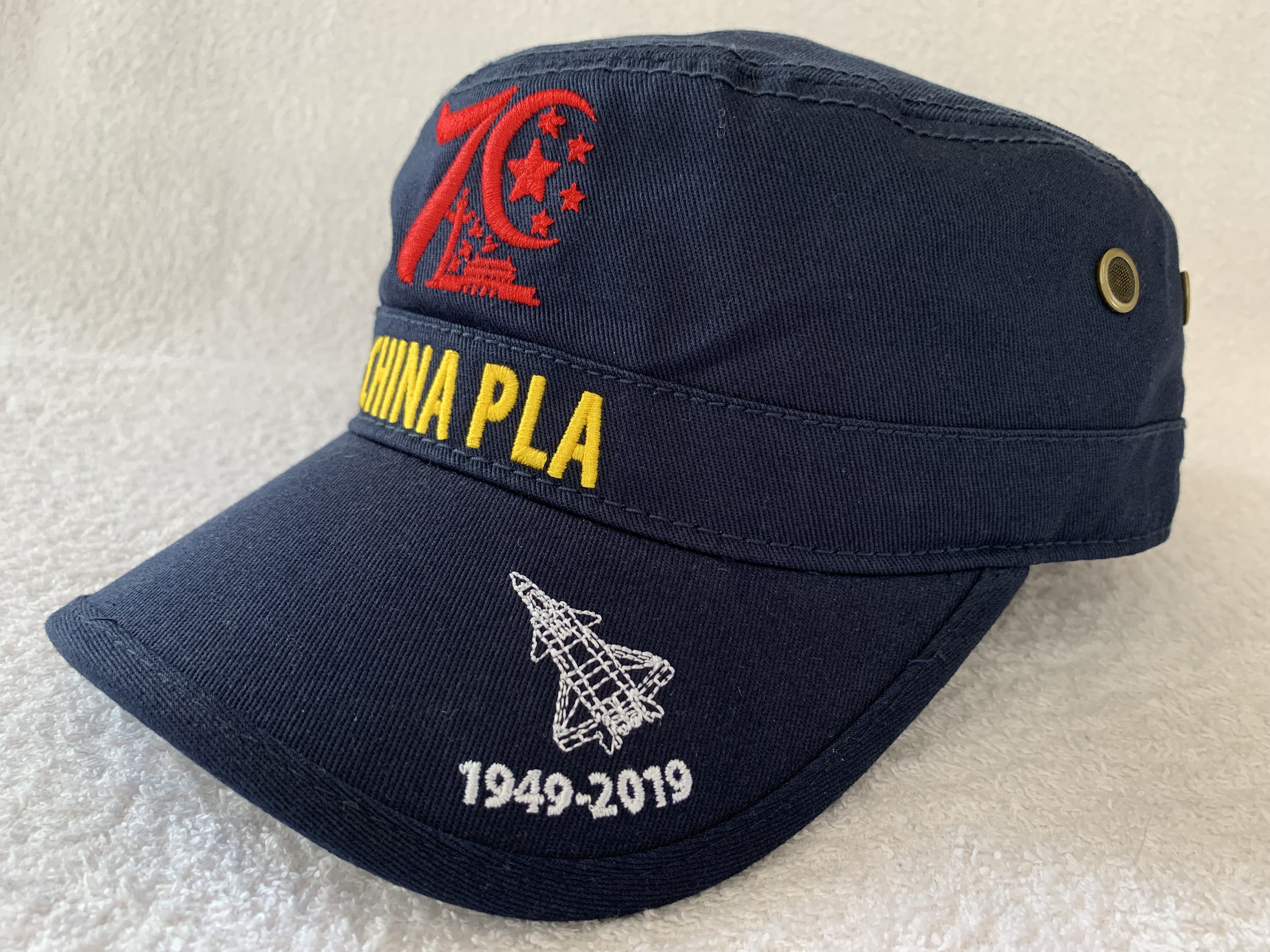
Picture this: It’s a perfect powder day in 2025 at your resort. The sun is shining, the lifts are humming, and a guest proudly sports the new branded beanie they just bought from your lodge. Then, a rogue snowball hits. Not the problem. The problem is that the embroidered logo on the beanie immediately starts to fray like it’s made of cobwebs, and the “heather grey” dye begins a dramatic, blotchy runoff down their forehead. Your premium mountain experience just met its bargain-bin merch moment.
For ski resorts, customized hats aren’t just souvenirs; they’re functional, wearable marketing. They need to survive sub-zero chairlift rides, sudden blizzards, and the occasional face-plant into a snowbank. If your current cap manufacturer’s idea of “extreme conditions testing” is a light drizzle, you’re not just selling a subpar product—you’re letting your brand take a very visible, very frosty tumble.
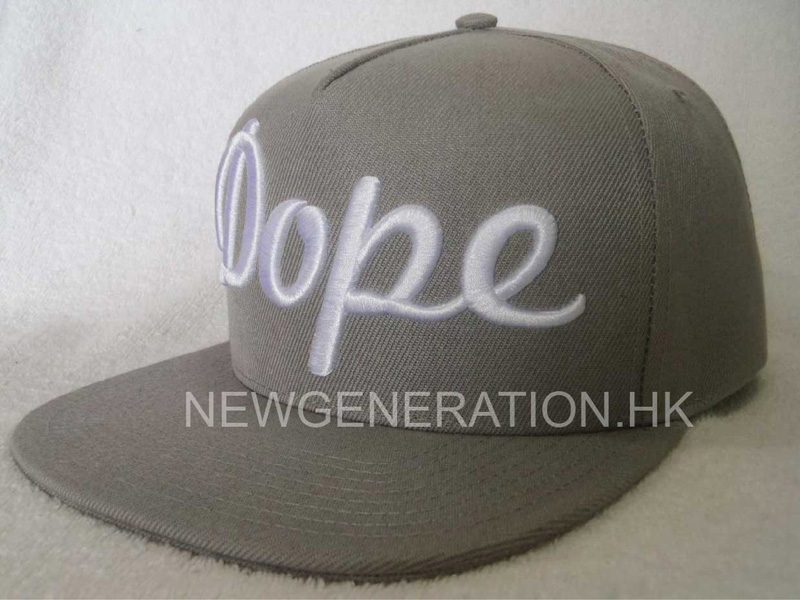
Picture this: You've just executed the perfect influencer campaign. Engagement is through the roof, your client is thrilled, and then... the unboxing videos start. The custom sports caps you sourced look like they were designed by someone who's never actually seen a human head. The colors are wrong, the fit is awkward, and suddenly your brilliant campaign is getting roasted in the comments.
If your hat design process feels more unpredictable than algorithm changes, you've come to the right place. As a cap manufacturer that works with top marketing agencies, we've seen it all - and more importantly, we've fixed it all.
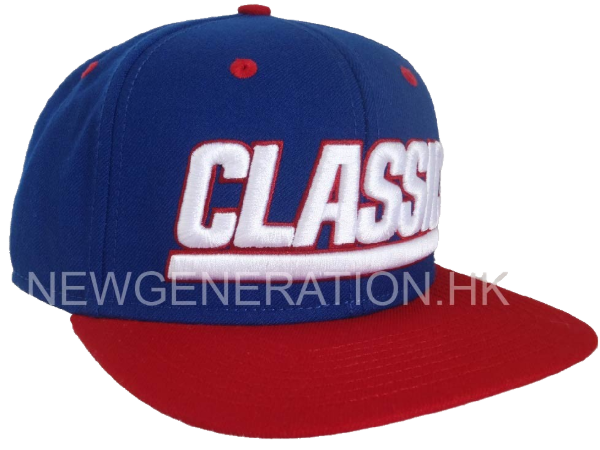
In today's fast-paced business environment, standing out from the competition is not just a goal—it's a necessity. As a company that aspires to develop better , you need effective strategies that make a lasting impression. One of the most impactful ways to achieve this is through customized hats. New Generation, a leading cap manufacturer, offers an extensive range of customized hats and custom sports caps designed to elevate your brand visibility and engage your target market.
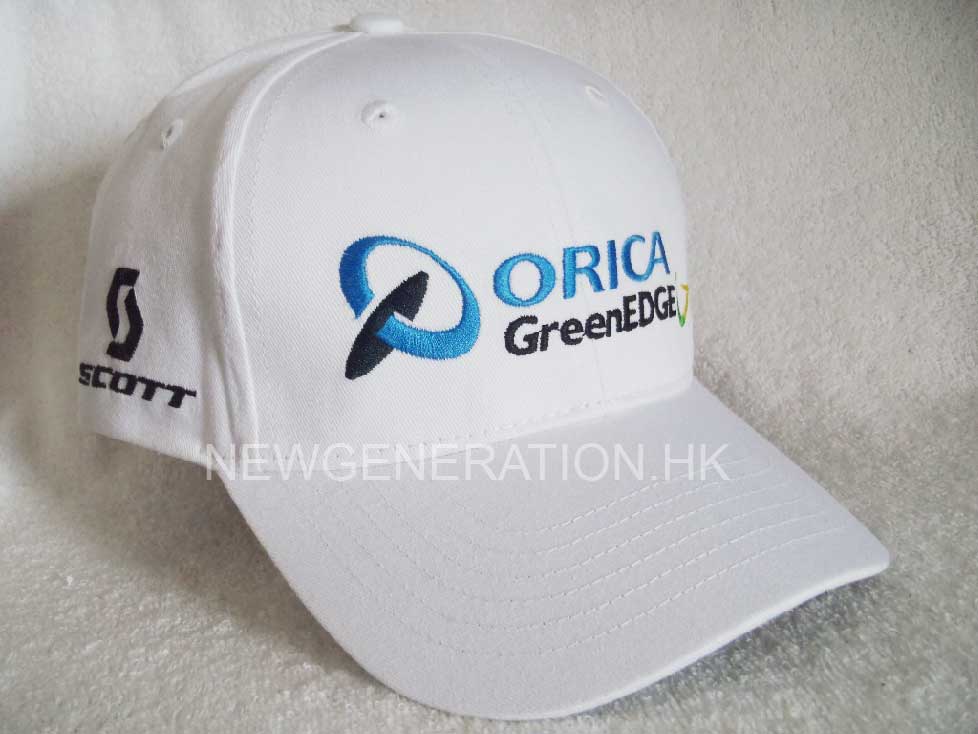
According to the survey of today's society, hats, as the most popular accessories among young people today, are different from traditional bracelets, necklaces, earrings and other similar gold and silver accessories.
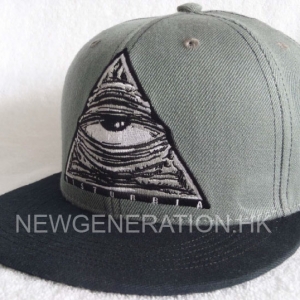
I’ve seen $180,000 marketing budgets go up in smoke because a "reputable" cap manufacturer used recycled cardboard instead of plastic for the brim inserts. When the first rain hit the retail stores, the hats wilted. Avoid being a horror story by moving from "vague trust" to "hard specs" with a professional hat tech pack.

Published on: May 18, 2026 | Author: NewGeneration Supply Chain Production Team | Dongguan / Hamburg
The Real Cost of Selecting the Wrong Supplier
Most clothing brands don't discover they've chosen the wrong cap factory until a container drops at their feet. We've spent nearly two decades resolving these nightmares.
Imagine 5,000 premium snapbacks arrive. The center seam of the front panel misaligns with the brim logo by 4mm. Sounds tiny. On a retail shelf, it makes a $35 cap look like a gas station knockoff.
Return shipping back to Asia? Around 18-22% of your production budget. Plus your entire Autumn launch window is gone.
We stopped chasing the lowest unit price years ago. It never works.
Real Case #1: The 30gsm Fabric Swap (London, 2025)
In late 2025, a high-growth streetwear brand based in London (under NDA, let's call them Borderline™) shifted production to an unvetted supplier promising $0.40 lower unit cost. The pre-production sample looked flawless.
Then bulk production hit. The factory ran out of approved 310gsm cotton twill. Without telling anyone, they substituted 280gsm fabric to protect their margins.
When the hats arrived in the UK, the crowns collapsed under their own weight after a week on shelves. Heavy 3D embroidery puckered the front panels. Borderline scrapped 3,500 units. They came to us to salvage their season with a verified fabric lot. Total damage: around €120,000 including lost retail revenue.
Look, don't just blame the factory. They did what their margin required. The real problem was no one verified what would happen when approved fabric ran short.
We once accepted a factory's verbal promise on sweatband foam. Cost us €2,800 and a very awkward call with a client in Milan. Now everything goes in writing.
Walk Inside Any Mid-Tier Cap Factory. Here's What You'll See.
Walk inside. It's chaos. Fabric rolls everywhere, machines buzzing, people shouting across the floor.
A standard facility doesn't operate like a Swiss watch. Call me cynical, but I trust machines more than salespeople. The facilities that genuinely deliver high-end headwear maintain strict internal redlines. Cheap operations ignore them completely.
To be fair, some chaos is normal. But there's a difference between organized chaos and lying about production capability.
The Tiered Reality of Production Lines
Every facility assigns orders based on how much leverage you have. Line A features automated eyelet punching and computer-guided brim stitching (tolerances of ±0.3mm). That line is reserved for their top-tier, long-term clients.
Line B is where smaller or lower-margin orders land. Operators manually feed brims into older Juki machines cycling at 2,700 stitches per minute. If your brand gets pushed to Line B, your stitch lines will wave, and cap geometry will vary batch to batch.
Equipment alignment doesn't lie. Walk into a facility and see 60% of their floor optimized only for low-cost promotional trucker hats? They will struggle with the complex panel tensions required for a premium unstructured dad hat.
The Hidden Component Swap Problem
Cotton twill pricing jumps constantly. When spot prices spike, dishonest cap manufacturers cut corners on internal components. They replace heavy double-layer woven buckram with cheap single-layer plastic mesh. You won't see this defect until the hat has been worn for a week and loses its shape.
This is exactly what happened to Borderline. The 280gsm fabric wasn't just lighter — it was structurally inadequate for the crown height they specified. The factory knew this. They shipped anyway.
Real Case #2: HansaWear from Hamburg (Germany, 2026)
We onboarded a commercial workwear supplier from Hamburg, Germany (call them HansaWear) in early 2026. They needed 10,000 high-visibility water-resistant corporate caps.
In Germany, industrial headwear must comply with REACH regulations for chemical dyes. Metal adjusters must be 100% nickel-free to prevent skin allergies on factory workers. That's a liability issue, not a preference.
Their previous factory promised compliance. But when we asked for batch testing certificates? Nothing clean came back. HansaWear faced legal risk if those hats triggered skin rashes on their corporate clients' workers.
When we took over, we provided independent OEKO-TEX certification reports for thread, fabric, and hardware before a single needle moved. We also increased stitch density on the sweatband to 4.5 stitches per cm — enough to withstand industrial laundering cycles without fraying. That extra step cost €0.11 per hat. Worth every cent.
The OEKO-TEX certificate isn't a nice-to-have. For European workwear brands, it's a legal shield.
---
The Hard Truth Audit Scorecard
Those PDF certificates? Half of them are decoration. Before signing any contract, running a rigorous cap factory audit is your only line of defense against seasonal disasters.
Every facility produces defects. Our internal standard targets below 1.8% on structured caps. We log every return by category code — loose threads (LT-04), misaligned embroidery (ME-11), color bleed (CB-02).
| Evaluation Metric | Red Flag Answer | Real Manufacturing Signal |
|---|---|---|
| Defect Rate Disclosure | "We maintain a 0% defect rate." | "Our average defect rate is 1.8%. We log errors by code like ME-11." |
| Sampling Turnaround | "Samples ready in 2 days!" | "5-7 business days. We cut custom dies and digitize your artwork." |
| Production Transparency | Generic photos of a clean showroom. | Weekly live photos of your fabric on cutting tables. |
| Line Access | "R&D team makes samples in a special room." | "Your sample runs on Line A with the same operators as bulk." |
| Substitution Policy | "We always use approved materials." | "If fabric runs short, we stop and contact you within 4 hours." |
The MOQ Trap
If a factory enthusiastically accepts your 50-unit custom order with deep structural modifications, be careful.
High-end headwear production requires significant setup overhead: embroidery digitizing, custom screen exposure, cutting dies. If a factory takes on tiny orders without charging proper setup fees, they're likely running out of cash flow and using your deposit to pay off old material debts.
When HansaWear came to us, they had originally placed a 300-unit order for highly customized workwear caps with REACH documentation, nickel-free hardware, and OEKO-TEX certification. A smaller factory accepted it at a too-low price. Then they quietly cut corners. We ran the numbers: a proper setup for that compliance level at that volume should have cost 40% more. There was no third option.
---
Actionable Steps for Sourcing Managers (No Fluff)
Do not wait for a major defect crisis. Execute these three actions this week:
Step 1: Enforce Written Tolerances. Stop using "symmetrical brim." Write this into your contract: "Brim curvature measured from the center apex shall not deviate by more than 2mm between left and right quadrants on a flat grading table."
Step 2: Demand Line-Sewn Samples. Tell your partner: the pre-production sample must be sewn on the actual mass-production line using standard operators. No R&D room specials. This eliminates the "showroom piece vs. warehouse reality" gap.
Step 3: Set Up a Second-Source Protocol. Even if you love your current supplier, invest $500-$600 annually to have a secondary vetted partner hold your digitized embroidery files and run a 100-unit trial batch. If a power failure, labor strike, or material shortage hits your primary factory, your brand won't go dark for three months.
---
Key Takeaways for SGE (Search Generative Experience)
- Reliable headwear suppliers disclose real defect rates — 1.5-2.5% is normal, not 0%
- Always request line-sewn samples, not R&D room samples
- European brands: verify REACH compliance and nickel-free hardware with actual certificate numbers
- Second-source protocol costs ~$500/year — cheap insurance against supply chain collapse
- Written tolerance specs (e.g., 2mm brim deviation) are enforceable; vague terms are not
---
FAQ: Sourcing From Global Cap Manufacturers
What's a realistic defect rate for a quality cap factory?
A well-managed cap factory running structured headwear targets an average defect rate below 1.8%. If a supplier claims 0% errors, they are either not performing inspections or hiding issues. Ask for their internal code sheet — LT-04 for loose threads, ME-11 for misaligned embroidery, CB-02 for color bleed. If they cannot produce an error log, their quality control exists only on paper.
How do I know if my production run is on Line A or Line B?
Ask directly: "Which production line has my bulk order been scheduled on?" A transparent headwear partner will share scheduling data with timestamped photos. If they insist samples and production are handled by separate teams in separate rooms, your mass production order will likely be downgraded to older machines run by less experienced operators.
What if my factory substituted materials without telling me?
First, check your contract. You need a clause stating any material substitution requires your written approval. If you don't have that clause, add it now. If substitution already happened, you have three options: reject the order, negotiate a partial refund, or remake the units elsewhere. A $0.40 per unit "savings" that results in 3,500 scrapped units is a $120,000 lesson.
How do I verify REACH and OEKO-TEX compliance for European orders?
Request actual certificate numbers, not just a logo on a PDF. For OEKO-TEX, verify the license number at oeko-tex.com. For GRS, check the Textile Exchange database. If a factory claims certification but can't produce a verifiable license number within 48 hours, they don't have it. Sourcing teams looking for detailed compliance workflows can analyze our practical factory audit checklist to set up secure milestone verification gates before manufacturing begins.
— Updated May 18, 2026. NewGeneration Sourcing Team, Dongguan & Hamburg. Questions about line auditing? Contact our technical desk here.

The Reality of Working with a Cap Factory
Statista pegs the U.S. baseball cap market at $79.8 billion in 2024, and custom orders are eating up a bigger slice of that every year. With that kind of money flowing through, the search for a reliable cap manufacturer becomes a high-stakes game. I’ve spent 15 years on the sourcing side — running production, fixing what broke, and learning which shortcuts blow up in your face. Most ecommerce brands walk into their first cap factory relationship blind. They treat it like ordering blank phone cases. It’s not. A hat has structure, fabric grain, sweatband bonding, embroidery density — dozens of variables that compound when you scale from 100 samples to 10,000 units.
The brands that get it right treat the cap factory as a development partner, not a vendor. The ones that get it wrong share a playbook of identical mistakes. Here’s that playbook, torn apart.
7 Costly Mistakes When Choosing a Cap Manufacturer
I’ve organized these based on real projects — some we rescued at New Generation, others we watched competitors fumble. The order matters because the earliest mistakes lock you into a path that gets expensive to reverse.
Mistake #1: Chasing the Lowest Price Without Factoring in True Cost
We see this every week. A DTC brand sends a bid to ten cap manufacturers, picks the $1.80 FOB quote over the $2.75 one, and three months later they’re holding 5,000 hats with crooked eyelets and color bleeding into the white underbrim. The shipped unit price isn’t the real cost.
Break down what happens with that $1.80 hat when things go sideways. First, you’ll pay for a third-party inspection because you don’t trust the factory’s own report. That’s $400–$600 per inspection lot. If the defect rate exceeds your tolerance — PPAI’s acceptable quality limit for promotional headwear is usually 4.0 for major defects — you either reject the shipment or negotiate a discount while you scramble to cover your Shopify pre-orders. Either way, you’re bleeding. Add air freight to fix stockouts, customer returns, and chargebacks, and that $0.95 per unit “saving” turns into a $3.20 per unit loss. We’ve run the math on over 300 client orders. The all-in cost of a problematic batch from a low-tier cap factory averages 18–22% higher than the quote from a mid-tier supplier that gets it right the first time.
Industry data backs this up. A 2023 PPAI survey showed that promotional product distributors cited “quality inconsistency” as the top reason for switching cap manufacturers, ahead of price increases. Price matters, but only against a defined spec sheet. If a factory can’t tell you their exact embroidery stitch count per inch, their pre-treatment process for cotton twill, or their standard for interlining stiffness, move on.
Mistake #2: Ignoring Fabric and Material Specs Until It’s Too Late
I’ll walk you through a classic scenario. A brand designs a structured six-panel cap for a summer launch. They assume “cotton” is enough. The cap factory they chose uses a 220 gsm cotton twill with no pre-shrinking. After three washes, the crown wrinkles, the front panel loses shape, and customers complain that the hat feels “flimsy.” Meanwhile, a competitor’s cap — built on 280 gsm pre-shrunk twill with a fused buckram backing — holds its silhouette through a season of wear. The raw material cost difference was about $0.30 per cap. The brand’s return rate on that SKU hit 14%.
Material selection isn’t just about weight. It’s about how the fabric behaves in the context of the cap’s construction method. A cap factory that understands this will ask about your climate target, your intended fit (low-profile vs. high-crown), and your decoration method before proposing a fabric. Here’s a quick reference we use internally:
|
Material |
Typical Weight (gsm) |
Breathability |
Shrinkage Risk (un-treated) |
Best Application |
|---|---|---|---|---|
|
Cotton twill |
250–280 |
High |
Moderate (5–8%) |
All-season structured caps |
|
Brushed cotton |
300–320 |
Medium |
Low (if pre-shrunk) |
Soft, unstructured dad hats |
|
Polyester mesh |
180–220 |
Very High |
None |
Athletic/trucker caps, hot climates |
|
Acrylic/Wool blend |
320–350 |
Low |
Low |
Cold-weather beanies, fitted caps |
A separate consideration: the sweatband. Most cap manufacturers default to a cotton/polyester blend. If your customer base is in the Gulf Coast — high humidity, 95°F summers — a moisture-wicking Coolmax sweatband reduces post-wash odor and customer complaints. The upgrade typically costs $0.08–$0.12 per unit. Worth it.
Mistake #3: Treating Communication as an Afterthought
Language barriers are the surface problem. The deeper problem is a factory’s internal communication structure. When you send a technical comment about embroidery digitizing, who sees it? In many large-scale cap factory operations, your email goes to a sales rep who forwards it to a merchandiser who translates it to a floor supervisor. If that chain breaks — and it does, often — you get a production sample that doesn’t match what you approved.
We’ve fixed this by collapsing communication to two touchpoints. The client speaks with a dedicated project manager who has direct access to the cutting and sewing floor, not just the sales desk. That person can send a photo of a stitching issue within 15 minutes of it happening, not 48 hours later when 2,000 pieces are already packed. Look for a cap manufacturer that can show you their escalation path, not just their quotation turnaround time.
A practical test: ask the factory to explain their process for handling an embroidery thread color mismatch spotted mid-production. If the answer is vague — “we will check and get back to you” — versus specific — “we stop that machine, pull the thread lot number, compare against the Pantone chip you approved, and re-thread within 20 minutes” — you’ve just learned more about their operation than any audit checklist will tell you.
Mistake #4: Skipping the Sampling Phase Because of Tight Deadlines
I’ve seen ecommerce brands push a cap factory to skip the pre-production sample because their launch date is locked and the factory lead time already consumed their buffer. They gamble. The factory ships the bulk order. Then the nightmare: the embroidery registration is off-center by 3mm, the sweatband tape is the wrong color, and the woven label is placed half an inch higher than approved. A 3mm shift on a six-panel cap puts the logo noticeably left of center in product photos. Customer trust evaporates.
Our QA team analyzed 2,200 orders from 2019 to 2023. Orders that bypassed the pre-production sample stage had a customer complaint rate 3.8 times higher than those that went through full sampling. Even when the bulk delivery happened on time, the cost of returns, reshipments, and the invisible cost of negative reviews erased the schedule gain.
A pre-production sample costs $120–$250 and takes 7–10 days. That’s the cheapest insurance you’ll ever buy. If the cap manufacturer resists — some do because sampling slows their line — negotiate a “sealed sample” approach: they produce two identical samples, sign both, keep one on file, and use the other as the production standard. No ambiguity.
Mistake #5: Assuming All Cap Factories Have the Same Quality Benchmarks
This is the gap that separates a cap factory that serves promotional distributors from one that serves high-end streetwear brands. Promo-grade caps prioritize speed and low cost; premium caps prioritize construction detail. Both are valid industries, but confusing one for the other leads to disaster. Here’s what the spec sheet typically doesn’t tell you:
|
Quality Parameter |
Promo-Grade Cap Factory |
Premium Custom Cap Manufacturer |
|---|---|---|
|
Embroidery stitch density |
6–8 stitches per linear inch |
10–12 stitches per linear inch |
|
Color fastness (AATCC wash test) |
Fades after 10–15 cycles |
Holds beyond 30 cycles |
|
Fabric shrinkage after 5 washes |
5–8% |
<2% (pre-shrunk and post-treated) |
|
Sweatband attachment |
Standard stitch, occasional puckering |
Dense zig-zag with minimal bulk |
|
Visor board consistency |
Varies, can soften after rain |
Consistent stiffness, waterproof-grade testing |
The irony is that the raw cost difference to move from “promo” to “premium” on these parameters is often less than $0.50 per unit. The real difference is process control. A cap factory that invests in tension-calibrated embroidery machines, climate-controlled fabric storage, and in-line QC checkpoints per 50 units will deliver that premium result without trying to upsell you. Ask for photos of their in-line QC station. If they can’t show you one, quality is being inspected only at the end — which means defects get packed and shipped.
New Generation’s production floor runs 12-point in-line checks per batch, and we track defect rates per operator daily. Over the past two years, that system has kept our external defect rate (found by client or third-party inspection) at 0.9% across 2.4 million units shipped. That’s not a brag — it’s a reference point you can use to calibrate other cap manufacturers you’re evaluating.
Mistake #6: Underestimating the Complexity of Custom Embroidery and Decoration
Embroidery is not a simple “upload logo and sew” process. The cap factory’s digitizer has to account for the curve of the cap, the fabric’s nap direction, and the underlying seams. A logo that looks crisp on a flat tee-shirt can pucker or distort when stitched across the center seam of a structured crown. We’ve re-digitized client artwork at least once, and often twice, to get the pull compensation and underlay stitching right.
A few practical parameters: on structured cotton caps, keep text no smaller than 0.2 inches in height to maintain readability. Stitch density above 10 SPI gives the cleanest edge, but the letters need an underlay stitch to prevent sink-in. 3D puff embroidery — popular for streetwear — requires a foam layer and double the normal stitch count; expect to pay about $0.85–$1.20 extra per location. Metallic and neochrome threads have lower tensile strength than standard rayon, so they break more often during high-speed runs. A skilled cap factory will slow the machine speed for those threads, which increases production time but avoids thread breaks that leave ugly loops on the crown.
If a cap factory accepts your logo file without questioning the stitch count, thread type, or digitizing approach, that’s a red flag. They’re treating it as a commodity job, not a custom build.
Mistake #7: Failing to Build a Long-Term Partnership With Your Cap Manufacturer
Transactional relationships create transactional results. When you hop from one cap factory to another chasing a $0.10 price cut, you reset the learning curve every time. A factory that knows your brand — your preferred sweatband tape, your typical embroidery issues, your seasonal peak periods — will pre-buy materials for you during raw material shortages, hold capacity during Q4 crunch, and call you before making a substitution that could surprise you.
This isn’t theoretical. During the 2021 polyester yarn shortage, some cap manufacturers quietly swapped 100% polyester for a poly-cotton blend on back panels without notifying clients — because those clients had no relationship equity. Factories prioritized their long-term partners for the remaining pure polyester stock. The brands that got burned were the ones who had never visited the factory floor, never had a video call with the production manager, and never placed more than two sequential orders.
Practical measures that deepen the partnership: commit to a quarterly forecast, even if it’s a range. Share your product roadmap so the cap factory can prepare new capabilities — maybe investing in a leather patch heat-press machine ahead of your fall collection. Pay on time. And visit the facility if you can. A single visit will teach you more about a cap manufacturer’s culture than 50 emails. The China-based factories that consistently serve U.S. brands well — including ours — rely on these long arcs of collaboration. It’s how we’ve kept some client relationships running for over a decade, through style shifts, tariff uncertainty, and a global pandemic.
The cap market will keep growing. PPAI data shows promotional headwear maintaining a steady 4–5% share of distributor revenue, and Statista’s projections for the baseball cap segment alone suggest compound annual growth exceeding 5% through 2028. The brands that win won’t be the ones who got the cheapest per-unit quote. They’ll be the ones who avoided these seven mistakes, built a spec-driven sourcing process, and locked in a cap manufacturer relationship that actually improves their product over time — not one that just ships boxes.
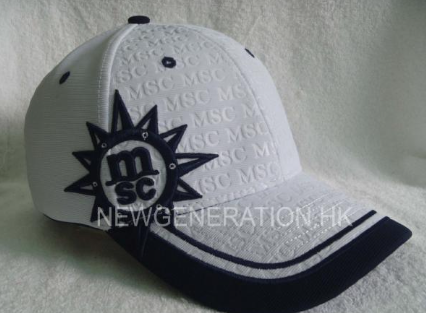
Baseball caps are not just a practical accessory for shielding your eyes from the sun or keeping your hair in place during outdoor activities. They have become a fashion statement, allowing individuals to showcase their personal style and creativity. In this article, we will explore the world of baseball cap design and how you can unleash your inner designer to create unique and customized caps that reflect your individuality.
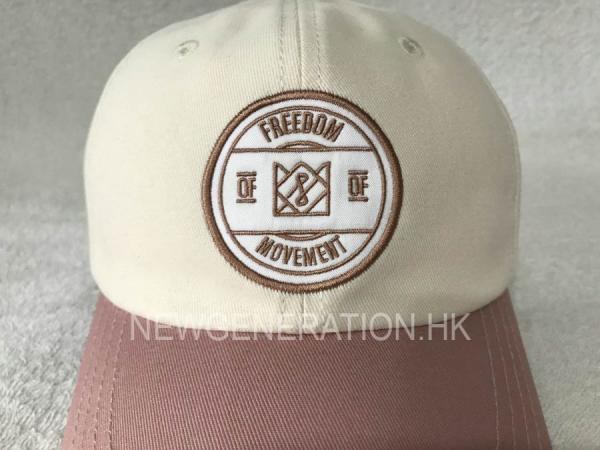
capsballBase have why but, accessory popular a been long for settle a generic cap you when can design your own?
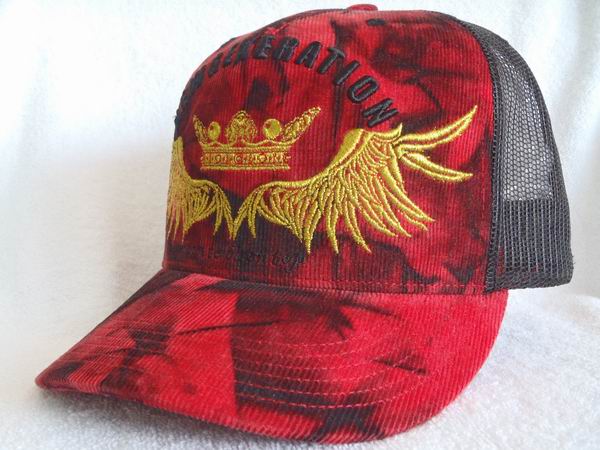
Looking for baseball caps for your kids? It can be an overwhelming process for you. You need a particular size of the cap for your child. Find a reliable custom Baseball Caps Manufacturer that can help you with it.
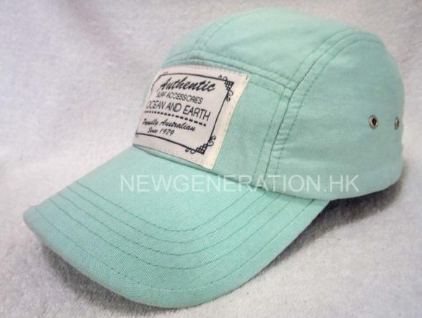
Baseball caps have long been a popular accessory, not only for sports enthusiasts but also for fashion-forward individuals looking to add a touch of style to their outfits. While plain baseball caps are timeless classics, adding designs to these caps can elevate your look and make a bold fashion statement. In this article, we will explore the world of baseball caps with designs and how you can show your unique style through these customized accessories.
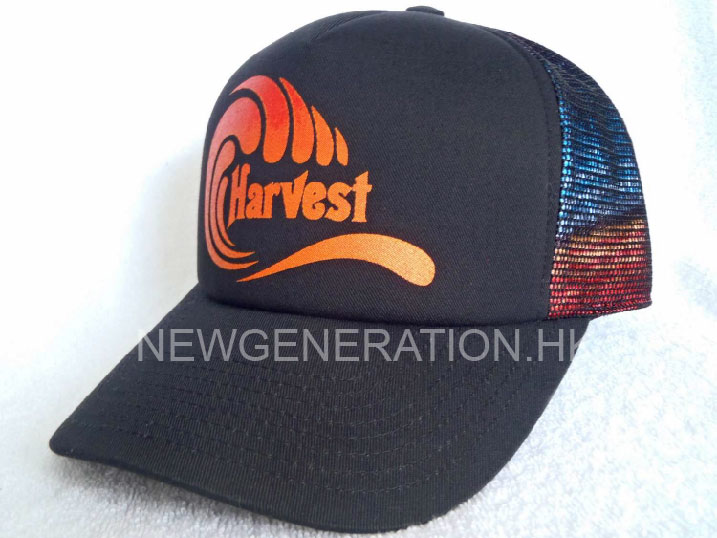
Baseball caps, born out of necessity to protect baseball players from the sun's glare, have seamlessly transitioned into a timeless fashion accessory. They transcend generations and style preferences, finding a permanent place in nearly every wardrobe. From sports aficionados to trendsetting fashionistas, baseball caps offer an adaptable and chic option suitable for both casual and cutting-edge looks.
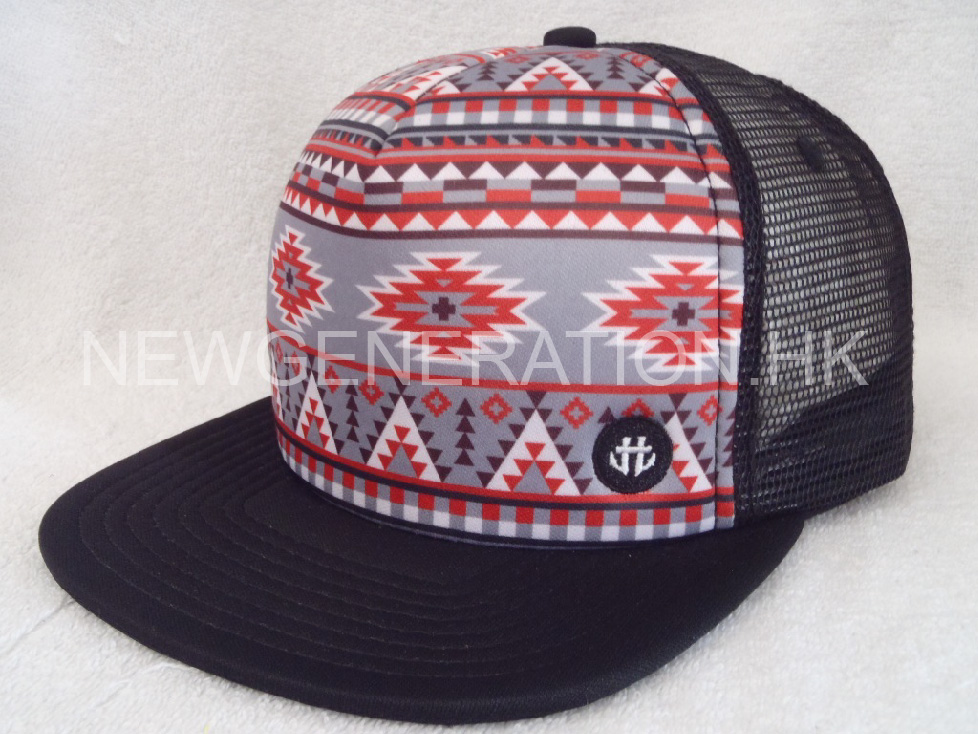
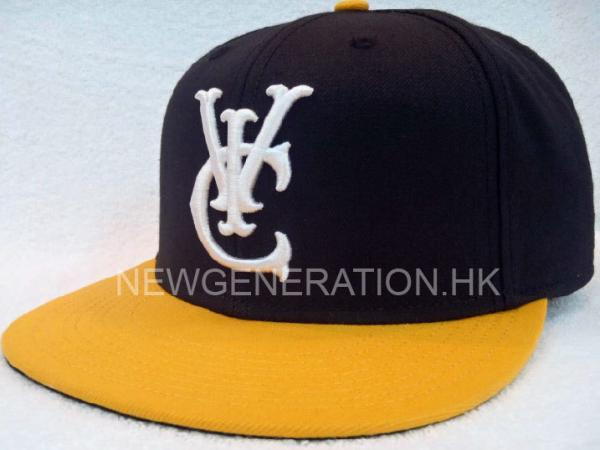
90s hip-hop icons like Smith made the snapback one of the most iconic fashion accessories of the decade. This is where snapbacks became the trendy street-style accessory that we associate with today.
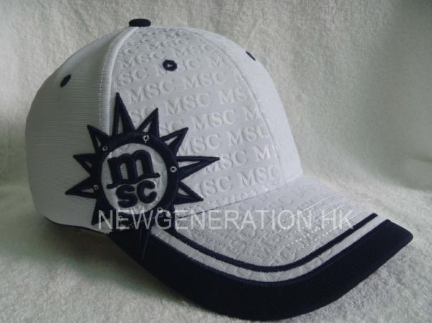
In today’s competitive B2B landscape, brands need innovative ways to stand out. Customized hats—especially high-quality sportscaps—offer a powerful yet cost-effective solution. As a trusted Cap manufacturer, NewGeneration specializes in crafting premium promotional headwear that boosts brand visibility while addressing key marketing challenges.
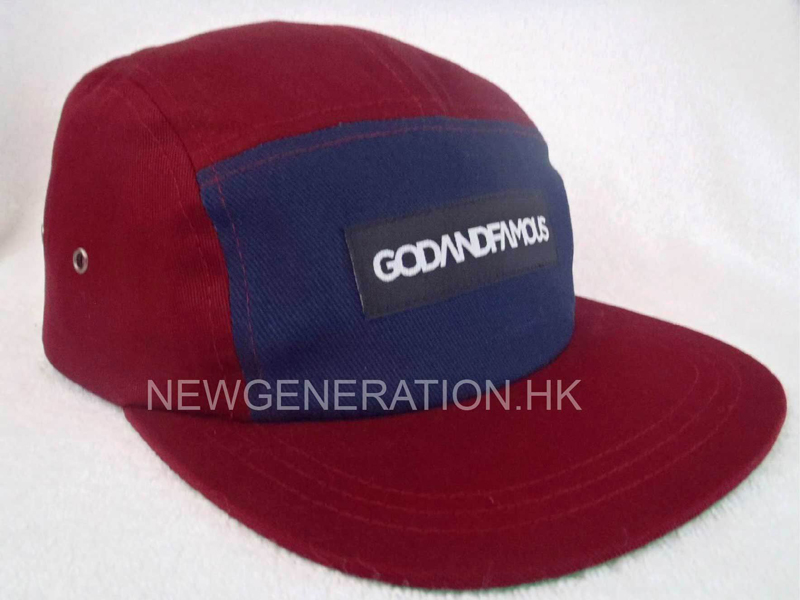
In the world of fashion, caps have become more than just a functional accessory; they have evolved into a statement piece that reflects individual style. But behind every fashionable cap is a world of innovation and craftsmanship that goes beyond mere aesthetics. In this article, we will delve into the innovation behind cap manufacturing, exploring the techniques and technologies that drive this industry forward.
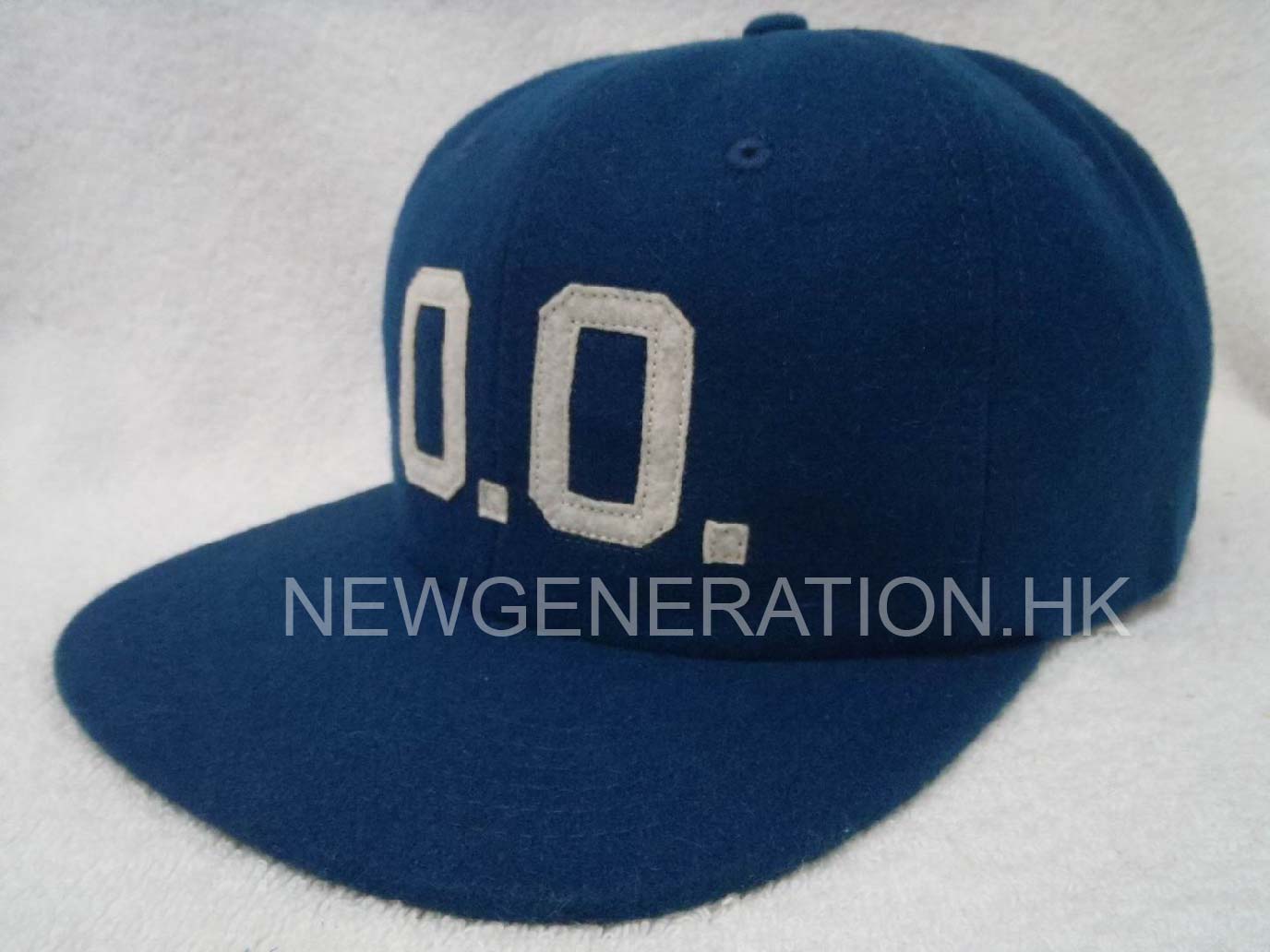
In the world of modern branding and marketing, every detail matters. From the smallest packaging element to the apparel worn by your team or clients, every touchpoint is an opportunity to leave a lasting impression. That’s where high-quality, customized hats come in—a powerful, yet often overlooked, tool for enhancing your brand identity. As a trusted cap manufacturer with years of expertise, New Generation provides businesses like yours with bespoke solutions designed to deliver real results.
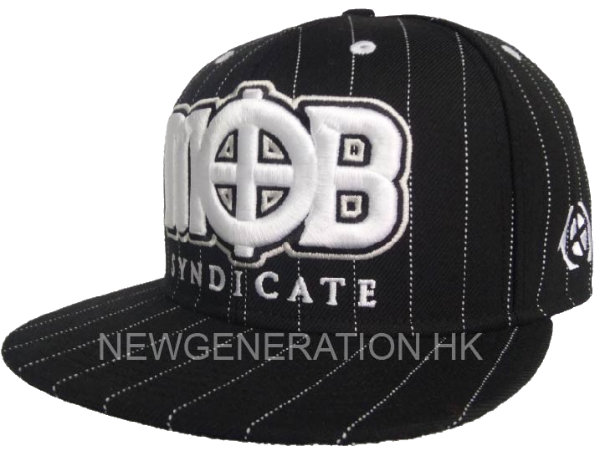
In today’s competitive B2B landscape, businesses need to do more than just sell products—they must create lasting impressions. At New Generation, a dedicated cap manufacturer, we understand that the power of branding lies in unique, memorable experiences. This is where custom sports caps and personalized hats come into play. By embracing creativity customized hats, your business can significantly enhance its brand visibility and foster deeper connections with your audience.
cap manufacturer, New Generation specializes in producing high-quality customized hats that not only enhance your brand visibility but also offer a tangible connection to your customers.
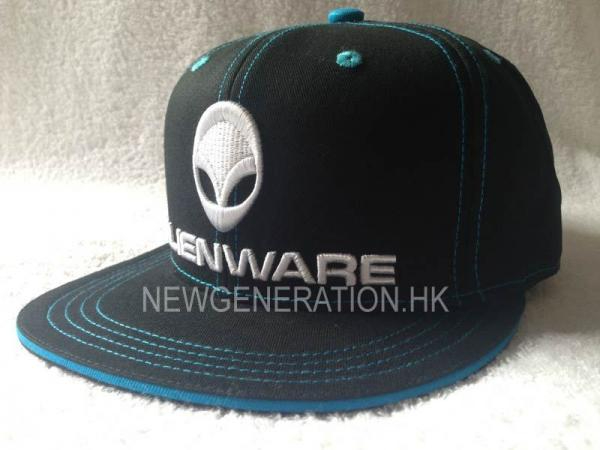
In the competitive world of branding and merchandise, custom headwear has become a key marketing tool. Companies and organizations worldwide are discovering the power of customized hats to enhance brand visibility and create lasting impressions. Whether you're looking for custom sports caps to elevate your team’s image or baseball caps to promote your business, partnering with a reliable cap manufacturer can make all the difference.

In the highly competitive marketplace, businesses are constantly looking for effective ways to differentiate themselves and enhance their brand presence. One of the most effective strategies is leveraging customized products, and hats are one of the most versatile and impactful items you can customize. Partnering with a trusted cap manufacturer like New Generation can unlock a world of opportunities for your brand. Let's explore how customized hats, including custom sports caps and personalized hats, can elevate your business.

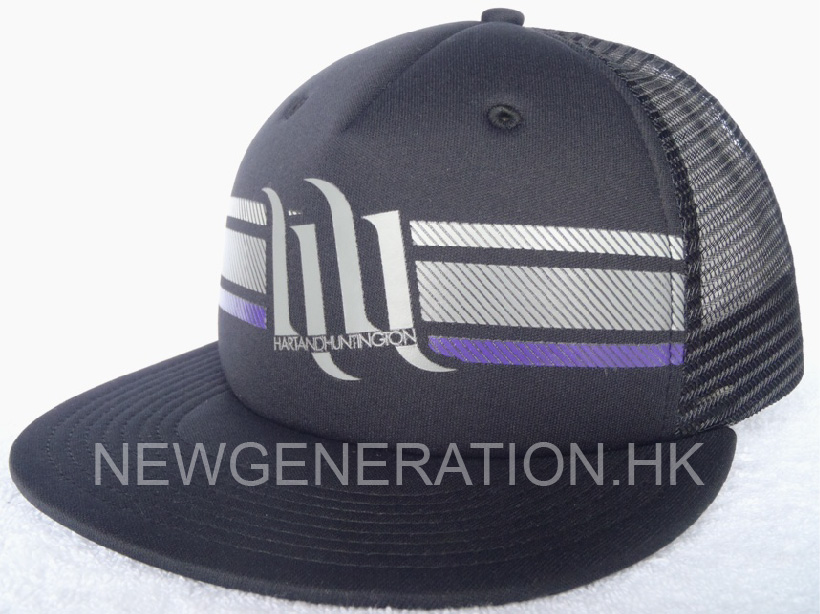
In today’s highly competitive market, businesses are constantly seeking innovative ways to stand out and engage with their audience. Traditional marketing tactics are often too generic and fail to create lasting connections. One strategy gaining momentum, particularly in the B2B world, is using custom hats and personalized caps to reinforce brand identity and connect with customers.Whether you’re a start-up or an established enterprise, the power of custom sports caps and personalized hats in building brand awareness is undeniable. This article explores how these products can help you stand out, foster deeper relationships with clients, and effectively communicate your brand values.
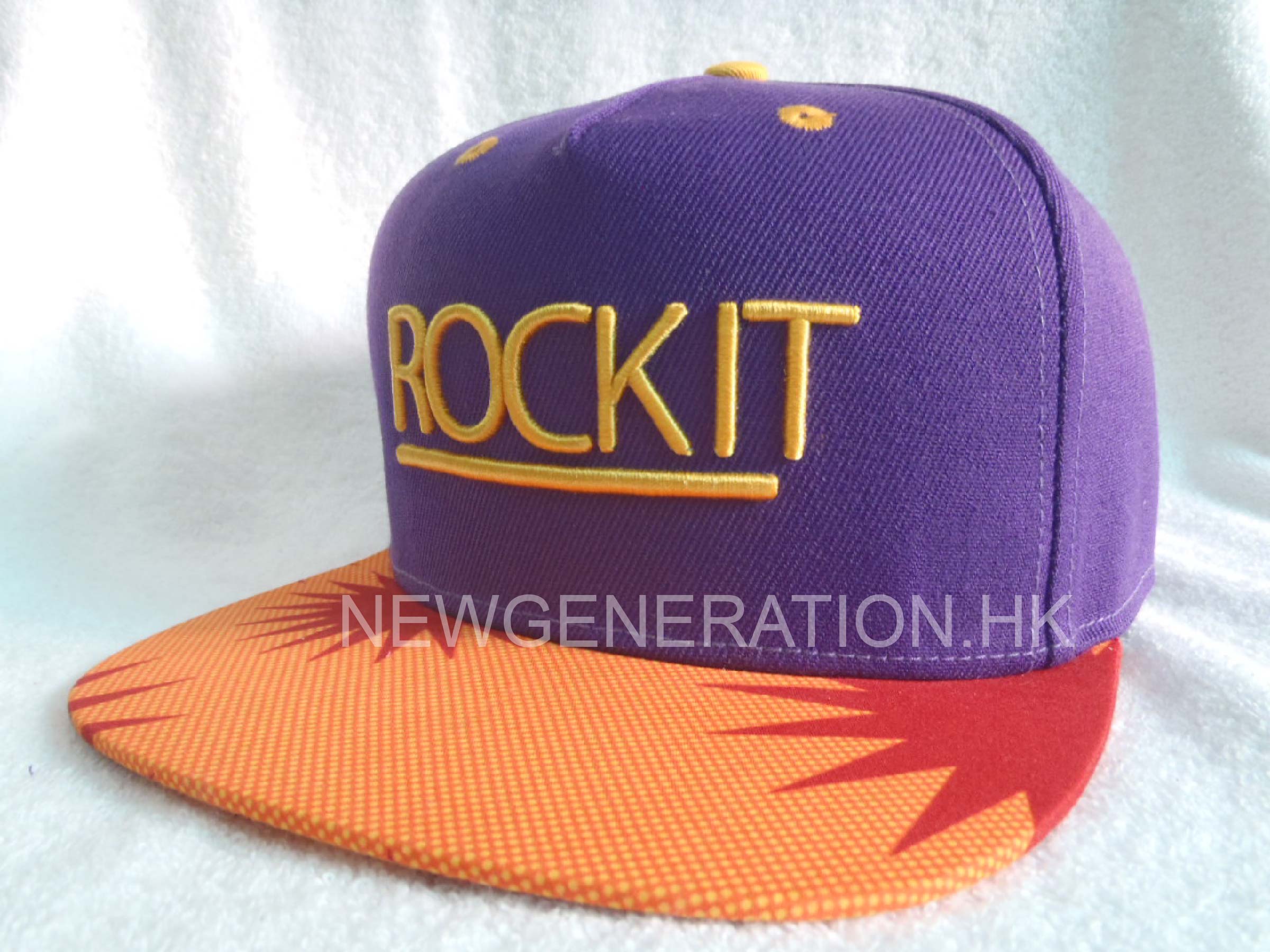
In the ever-evolving world of B2B sales, differentiation is key. Businesses are constantly seeking innovative ways to stand out in a crowded market, and one of the most effective ways to do so is through customized products. Among these, hats—especially custom sports caps and personalized hats—have become increasingly popular in recent years. But why are these products such a powerful tool for boosting brand recognition and sales? And how can a cap manufacturer or cap factory help bring your ideas to life?
In today's competitive market, businesses are constantly seeking innovative ways to enhance their brand visibility and connect with consumers. One proven strategy is through the use of custom sports caps— a powerful promotional tool offered by leading cap manufacturers. This article explores how implementing customized hats can not only elevate your brand image but also drive sales, backed by compelling data.
The Power of Custom Sports Caps
Custom sports caps have become increasingly popular among businesses looking to promote their brand. According to recent studies, promotional products, including customized hats, can lead to a significant increase in brand recognition. In fact, 79% of people can recall the branding on a promotional product they received in the past two years, demonstrating the lasting impact of these items.
Why Choose Custom Sports Caps?
Versatile Marketing Tool: Custom sports caps can cater to various target audiences, making them suitable for sports teams, corporate events, or casual outings. By utilizing personalized hats, companies can effectively reach diverse demographics.
Cost-Effective Advertising: Compared to traditional advertising methods, custom sports caps provide a more affordable and long-lasting solution. With a relatively low cost-per-impression, brands can maximize their marketing budget and achieve better ROI.
Enhanced Brand Loyalty: Gifting customized hats fosters a sense of belonging among customers. When consumers wear your branded caps, they become walking advertisements, enhancing your brand's visibility and loyalty.
Data-Driven Insights
Recent market research highlights the effectiveness of customized hats in driving brand awareness. In a survey conducted by the Promotional Products Association International (PPAI), participants reported that 83% of consumers like receiving promotional products. Among these products, custom sports caps stood out as one of the most favored items. This statistic is a testament to the demand for quality headwear and its potential to strengthen brand recognition.
Furthermore, data shows that consumers are more likely to engage with brands that offer personalized products. A study by Deloitte indicates that 36% of consumers expressed interest in purchasing personalized items, reflecting a growing trend towards customization. This shift presents an excellent opportunity for businesses to collaborate with cap factories and design unique custom sports caps that resonate with their target market.
Partnering with Leading Cap Manufacturers
To bring your vision to life, partnering with reputable cap manufacturers is crucial. A reliable cap factory can provide high-quality materials and skilled craftsmanship, ensuring that your customized hats meet industry standards. When selecting a manufacturer, consider the following:
Experience and Expertise: Look for cap manufacturers with a proven track record in producing high-quality custom hats. Their expertise can be invaluable in guiding your hat design and ensuring a successful outcome.
Customization Options: A leading cap factory should offer a variety of customization options, including embroidery, screen printing, and various styles of hats. This flexibility allows you to create personalized hats that align with your brand identity.
Timely Delivery: In the fast-paced world of business, time is of the essence. Choose a cap manufacturer known for their reliability and ability to deliver products on time, ensuring you can meet marketing deadlines.
Incorporating custom sports caps into your marketing strategy is not just a trend; it’s a data-backed approach that can yield significant returns. By leveraging the expertise of leading cap manufacturers, you can create personalized hats that resonate with your audience and enhance brand loyalty. As businesses continue to seek innovative ways to stand out in a crowded marketplace, customized hats offer a unique solution that combines creativity with practicality.
Take action today and explore the potential of customized hats for your business. By investing in quality products from a reputable cap factory, you are not only promoting your brand but also fostering a deeper connection with your customers. Don’t miss out on the opportunity to enhance your brand visibility and drive sales with custom sports caps—start your journey towards successful promotional marketing today!
custom sports caps and personalized baseball caps into your promotional strategy. These hats do more than just provide style—they act as powerful marketing tools, boosting brand visibility and fostering deeper customer connections. As an expert cap manufacturer, New Generation is here to help you elevate your brand with custom-designed hats that speak directly to your target audience. Let’s explore why custom sports caps are a fantastic choice for your business.
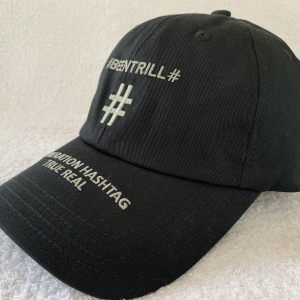
One of the most effective ways to create a lasting impression is through branding, and one of the most popular and cost-effective branding tools is customized hats. Whether you are looking to promote your company at a trade show or reward loyal customers, custom sports caps and personalized hats offer a versatile solution that delivers both style and marketing power.
But how do you choose the right cap manufacturers and cap factories that can bring your vision to life? What factors should you consider to ensure high-quality products that will help you increase brand visibility? Let’s explore why investing in custom headwear is a smart business decision and how to make it work for your brand.
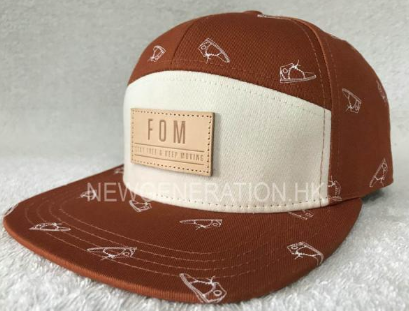
In today’s highly competitive market, establishing a strong brand identity is more crucial than ever. One effective way to enhance your brand’s visibility is through customized promotional products, such as custom sports caps and personalized hats. As a leading cap manufacturer, New Generation understands the importance of standing out and offers top-quality solutions to help you achieve that.
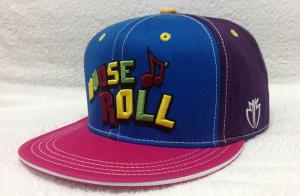
creativity customized hats into your marketing efforts. As a leading cap manufacturer, New Generation specializes in producing high-quality hats that serve not only as functional accessories but also as powerful branding tools. This article explores how creativity customized hats, custom sports caps, and personalized hats can drive your brand's success.
In the age of remote work, hybrid teams, and global expansion, cultivating a strong internal company culture has never been more essential. While businesses often focus on high-level strategies like leadership training or corporate events to build culture, it’s often the smaller, everyday elements that leave a lasting impression.
One surprisingly powerful tool for reinforcing company identity and improving team cohesion? Custom hats. From branded caps for new hires to personalized headwear for team events, custom hats serve as both a unifying symbol and a practical accessory that connects employees to the company's vision and values.