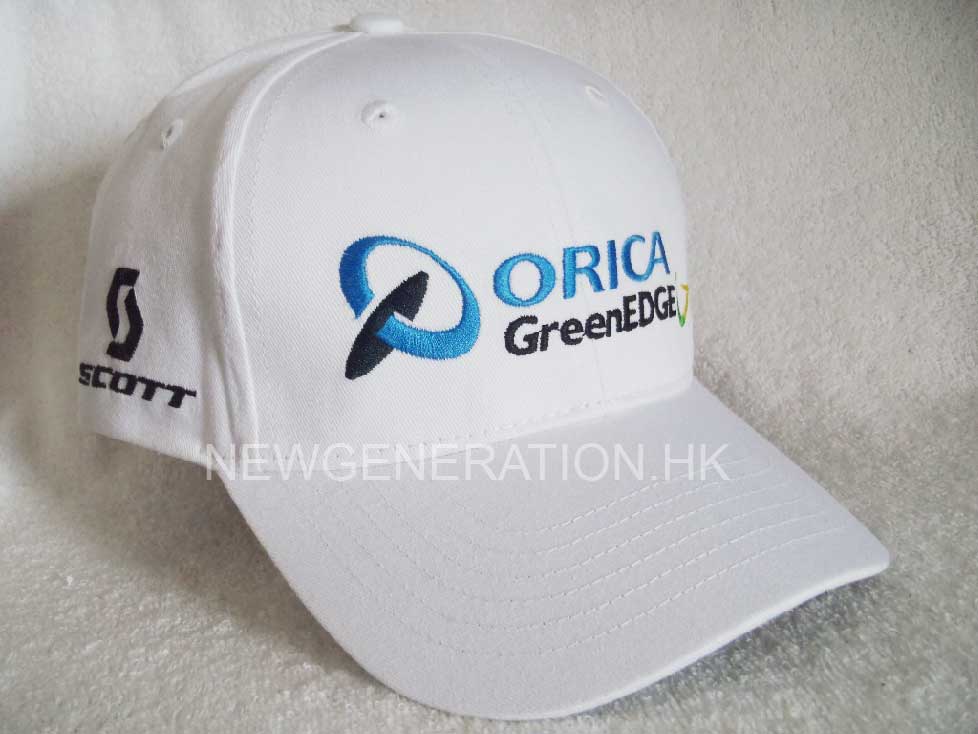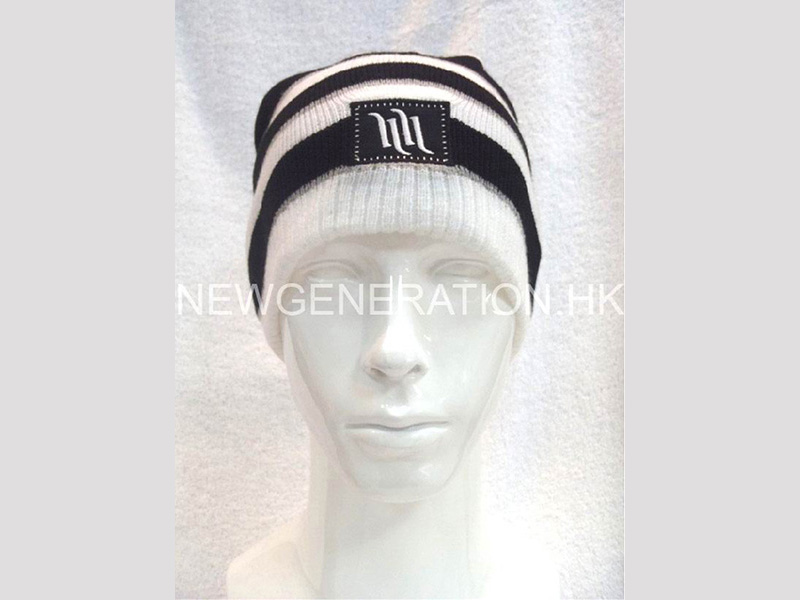



It was 3:14 a.m. on a Tuesday in July 2021 when my phone buzzed. Not a text. A full-on, screen-brightening call from an Oregon number I knew well. Jason, a buyer for a Portland outdoor brand, sounded wrecked. "Twelve thousand caps," he said. "Sitting in a container outside Long Beach. They were supposed to be in stores for the 4th. It’s July 20th."
He wasn’t the only one. In those months, cap manufacturers across the supply chain were racing a broken logistics network. But Jason’s meltdown that night wasn’t really about ships or chassis shortages. It was about something most people never think about when they pull a baseball cap off a rack: the invisible, unglamorous, brutally efficient machinery of cap manufacturing that, when it breaks, leaves shelves empty and heads uncovered.
I’ve spent 16 years inside that machinery. At New Generation, the headwear factory I run with partners in Dongguan, China, we don’t just stitch fabric together. We translate a sketch on a napkin into 50,000 units that have to land in a Memphis distribution center by a hard deadline. This isn’t a buyer’s guide filled with generic advice. It’s a field report from the factory floor, built for people who need to make a decision that won’t keep them up at 3 a.m.
The part of cap manufacturing nobody talks about
The word “manufacturer” hides a dozen separate decisions. When you email a cap factory for a quote, you’re not just triggering a production run. You’re picking a supply-chain partner who controls fabric sourcing, cutting tolerance, stitch density, sweatband foam, closure type, and about 40 other variables.
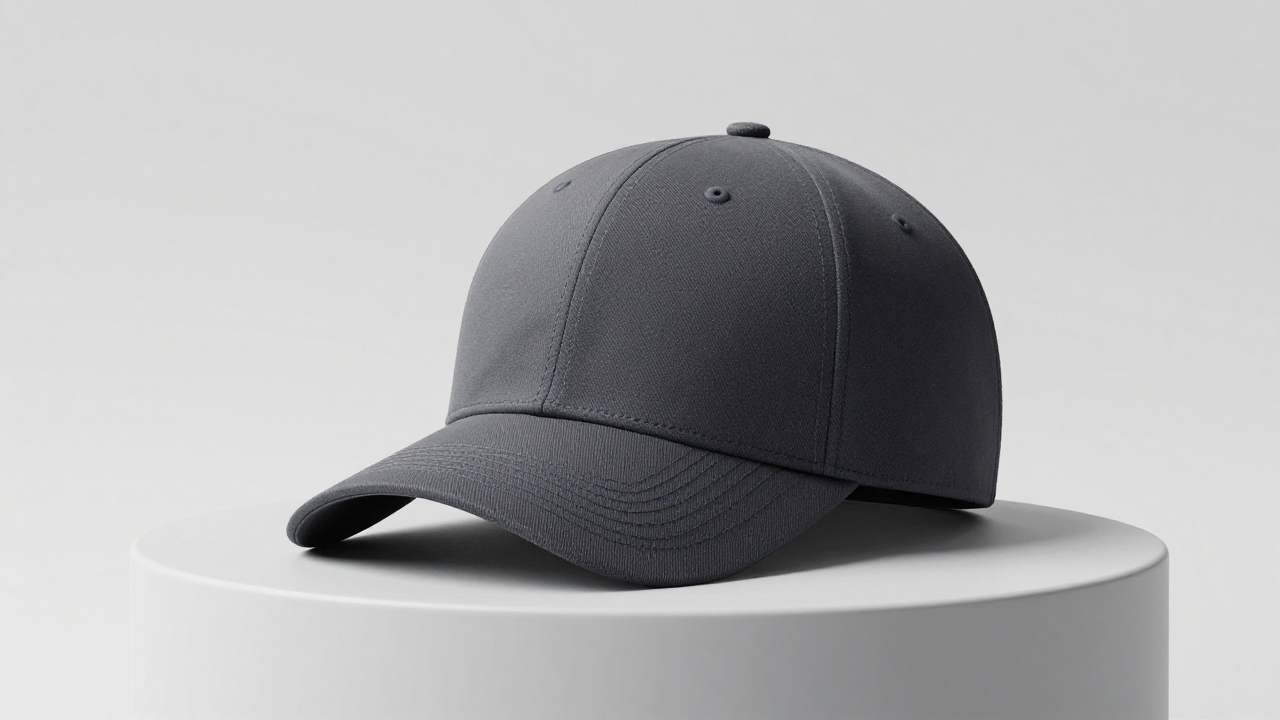
A standard 6-panel structured cap goes through 22 distinct steps before it hits a QC table. The fabric arrives in rolls — usually cotton twill or a polyester blend — and gets cut on a hydraulic press that can punch 12 layers at once. Panels are stacked, matched for direction, and moved to sewing lines where operators run Japanese-made embroidery machines that punch at 1,200 stitches per minute. A single topstitching line can have a stitch density of 10–12 stitches per inch, which is the sweet spot between durability and puckering. Tighter than that and you risk tearing the fabric; looser and seams start to gap after 10 wash cycles.
Here’s something most retailers don’t know until they learn it the hard way: the backing material inside the front panels — the buckram — is what gives a structured cap its shape. Too stiff and it’s uncomfortable. Too soft and the crown collapses. The industry standard is a polyester buckram fused at 190°C for 22 seconds, but cheaper factories cut that time to 15 seconds, which is why some caps look crisp in the box and turn into laundry bags after a summer of sweat.
I saw this play out in April 2023 when a Chicago streetwear brand sent us a competitor’s sample they’d been selling. The buckram had delaminated. The foam backing on the front two panels had separated clean from the shell fabric. “It looked fine until we ran it through 40 wash tests,” our production manager, Wei, told me, holding the limp crown under the inspection light. That brand’s return rate was 8%. For a $34 hat, that’s untenable.
The material decision that trips up even experienced buyers
Walk into a Dick’s Sporting Goods or a Lids and you’ll see the same fabric names repeated: cotton, polyester, wool blend, maybe a cotton-poly mix labeled “performance.” But the spec sheet tells you more than the hangtag ever will.
I asked Maria Santos, a buyer for a Texas-based regional chain that operates 47 locations across the Sun Belt, what she’s learned in 11 years of sourcing caps. “I used to default to 100% cotton because it felt ‘premium,’” she told me over a video call in February 2024. “But our customers in Houston and Phoenix were complaining about fading and sweat stains inside two months. We switched to a 65/35 poly-cotton twill and the complaint rate dropped from 6% to under 1%. The hand feel was almost identical.”
That tracks with what we’ve seen on our own production floor. Here’s a breakdown of the four most common cap materials, and what they actually mean after six months of wear.
FabricTypical weight (oz/yd²)BreathabilityColor fastness (after 20 washes)Best use case100% Cotton twill8–9HighModerate (fades 1–2 shades)Low-activity daily wearPoly-cotton blend (65/35)7–8Medium-HighHigh (minimal fading)Everyday, sports, heatPerformance polyester5–6Very HighVery high (no fading)Running, golf, high-sweat activitiesRecycled PET twill8–9MediumModerate-HighSustainability-focused brands
A note on the recycled PET: it’s no longer a niche option. The North American headwear market has been shifting. According to a 2024 material usage survey by the Headwear Association, caps made from recycled materials grew from 4% of the market in 2020 to 19% in 2024. The hand feel is close to cotton, but the cost is 12–18% higher at the manufacturer level. Whether that premium is worth it depends entirely on your customer base. For a Patagonia-adjacent audience, it’s table stakes. For a value-driven chain, it’s a margin killer.
The shape of things in 2026
If you want to know what caps will look like next year, don’t watch runway shows. Watch minor league baseball teams. They’re the canary in the design coal mine.
In 2025, I started noticing something: teams were moving away from the pronounced crown height that’s been standard since the fitted-cap boom of the mid-2010s. The new profile is lower, less structured, with a slightly curved visor right out of the box. Think dad hat, but with better internal construction. We produced 8,000 of this profile for a Double-A team in Birmingham in March 2025, using a reduced crown height of 3.75 inches instead of the traditional 4.25. They sold out in six weeks.
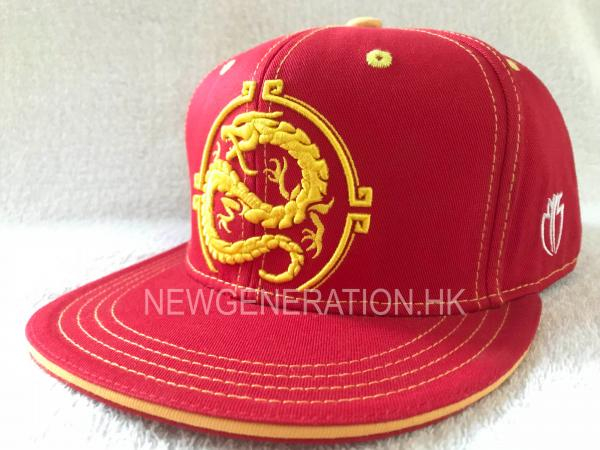
Customization is where cap manufacturers are feeling the most pressure — and opportunity. Embroidery is the default, but the techniques are splintering. 3D puff embroidery, which gives letters a raised, foam-backed effect, now accounts for roughly 30% of our custom orders, up from almost zero in 2020. Sublimation printing, where ink is infused into the fabric rather than sitting on top, lets designers run full-color, edge-to-edge graphics without the weight of heavy embroidery. The downside: sublimation works only on polyester, and it can’t match the tactile “pop” of threaded stitching.
One of our longtime clients, a motorcycle parts brand in Milwaukee, runs a hybrid approach. Front logo in 3D puff, side graphic in sublimation. Their per-unit cost is higher — about $4.85 FOB for a 2,000-piece order — but they sell that cap for $32 and move 5,000 units a season. “Customers can feel the difference,” their marketing director told me. “It’s like comparing a screen-printed t-shirt to one with an embroidered patch. They’ll pay for texture.”
The athlete’s cap is a different animal entirely
You can’t put a cotton dad hat on a pitcher and expect it to survive the sixth inning. Sweat, sun, constant adjustment — it’s a torture test. The sweatband is the first thing that fails. Standard caps use a cotton-twill sweatband, but for high-activity sports, manufacturers now offer a polyester-spandex sweatband that wicks moisture and doesn’t deform.
A baseball coach I spoke with in Phoenix in late 2024, who runs a travel program for high school athletes, told me he was burning through 15 caps a season. “The kids would drench them and the salt would crust up on the brim. We switched to a performance cap with a black undervisor to reduce glare and a laser-perforated side panel for airflow.” Those features add maybe $0.90 to the production cost of a cap. For a program that’s buying 200 units a year, that’s $180. A rounding error compared to replacing hats every three weeks.
The brim is what separates a sports cap from a fashion cap. A pre-curved visor with a fused internal board — usually a polyester-based material called PE board — holds its shape through sweat and washing. Flat-brim caps, popular in streetwear, use a stiffer board that doesn’t forgive moisture. I’ve seen flat-brim caps start to bubble after one rain exposure. Not a defect. Just physics.
Mistakes that cost real money
In 2022, a startup out of Brooklyn ordered 800 caps from a factory they found on a sourcing platform. They picked a 5-panel, unstructured design because it looked good in the mockup. The problem: 5-panel construction runs a continuous seam down the center of the forehead, and without foam backing, that seam can press into the skin after hours of wear. “We got three separate reviews mentioning headaches,” the founder told me. “It wasn’t a quality issue. It was a design mismatch.”
That’s the kind of mistake cap manufacturers see all the time. Here are three others that surface in my inbox every quarter.
- Ignoring closure specs. A metal buckle adds heft but can set off metal detectors at stadiums. A Velcro closure catches hair. A plastic snapback is light and adjustable but can break if dropped. Know the environment your cap will live in.
- Misjudging color matching. Pantone codes on a screen don’t match thread spools. Embroidery thread has a sheen that fabric doesn’t. The gold you approved on a digital proof will look different stitched on navy twill. Always request a physical strike-off.
- Over-indexing on MOQ. Many manufacturers quote a minimum order quantity of 120 or 240 pieces. Pushing for a lower MOQ often means the factory will use leftover materials or rush the sampling, which leads to inconsistency. If you can’t meet the MOQ, ask for a stock-cap customization option instead.
At New Generation, we keep a library of blank, pre-constructed caps in 14 colorways specifically for small-batch orders. A brand can add embroidery or a patch on 36 units without eating the setup cost of a full production run. It’s not the cheapest per-unit price, but it’s real. And in this industry, real production beats a perfect quote that never materializes.
What keeps a manufacturer up at night in 2026
The supply chain has stabilized since that chaotic summer of 2021, but the pressure has shifted elsewhere. Labor costs in core production regions are climbing 6–8% a year. Automated cutting systems and robotic palletizers are filling the gap, but a fully automated cap-sewing line remains elusive. Caps are floppy, three-dimensional objects. Robots can’t handle them the way they handle a flat piece of denim.
Then there’s the sustainability push that comes with real regulatory teeth. The EU’s Digital Product Passport requirements, phased in starting 2026, mean every product sold into Europe needs a traceable record of its materials and manufacturing. For cap manufacturers that supply global brands, that’s a paperwork earthquake. I’ve spent four months in 2025 mapping our entire supply chain, down to the yarn spinner in Ningbo who supplies our recycled PET thread.
The question I keep hearing from brand owners isn’t “Can you make this cheaper?” anymore. It’s “Can you make this last longer, and can you prove where it came from?”
That’s a different conversation. One that separates factories investing in testing labs and traceability software from the ones still operating on WhatsApp messages and hope.
Will the cap factory of the late 2020s even look like the one I walked into in 2008? Some of the engineers I talk to believe the sewing floor will be unrecognizable within five years — reorganized around semi-automated work cells where one operator manages three machines. Others think the real disruption won’t come from automation but from material science: bio-based foams, algae-derived dyes, circular manufacturing contracts where caps are returned, shredded, and respun into new fabric.
I don’t know which version arrives first. But I do know that choosing the right cap in 2026 is no longer about picking a color and a logo. It’s about choosing a manufacturing partner who understands that a baseball cap is a problem of physics, chemistry, and logistics wrapped in cotton twill.
And if your partner doesn’t answer the phone at 3 a.m. when a container is stuck, you’ve got the wrong one.