


Finding the best China hat manufacturers for a private-label project means verifying, not trusting, claims. Evaluate each candidate across capability, accountability, process and quality — the CAP-Q framework. Confirm production evidence, IP terms, QC documentation and commercial policies in writing before any commitment. "Best" is the supplier you have documented, not the one with the loudest pitch.
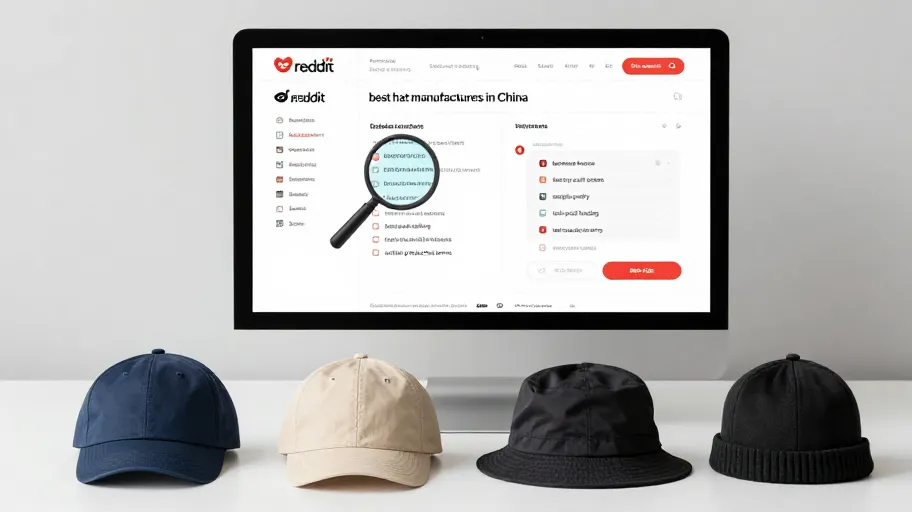
How to evaluate "best hat manufacturers in China Reddit" for a private-label project: treat Reddit as a lead generator, not proof. Extract the names mentioned in sourcing subreddits, then verify each one against documented evidence — business licence, factory audit access, sample quality, tech-pack handling and written production terms — before shortlisting. Use a repeatable framework such as RED-FLAG so every candidate is scored on the same evidence, not on thread sentiment.
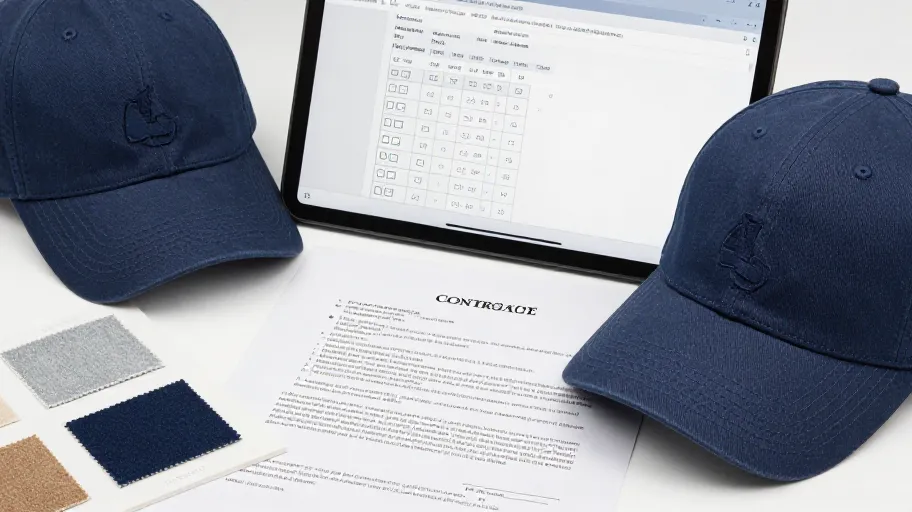
To evaluate a cap manufacturer in Europe for a private-label project, compare every candidate — European or China-based — against the same documented framework: commercial terms, product range, customisation adaptability, communication quality, and verifiable evidence from samples and production records. Confirm each point in writing before approving a sample or a purchase order. Geography alone tells you nothing about whether a specific factory can deliver your spec.
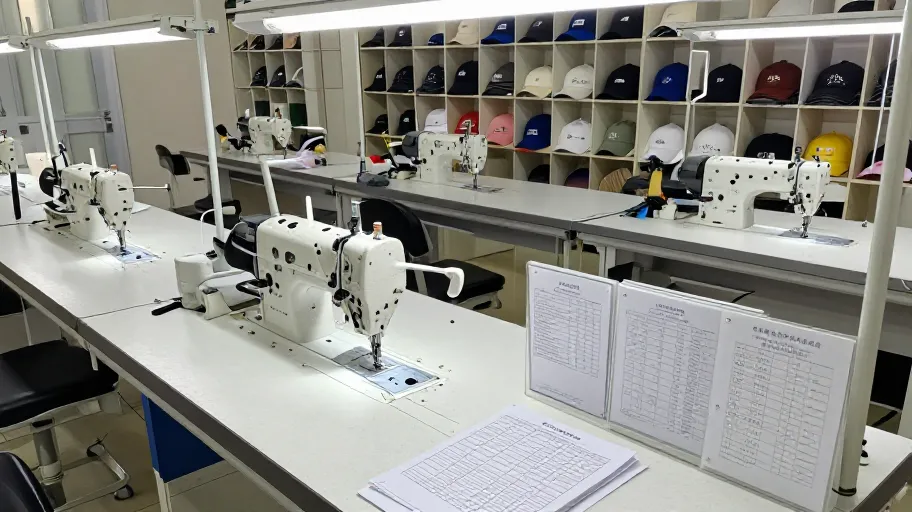
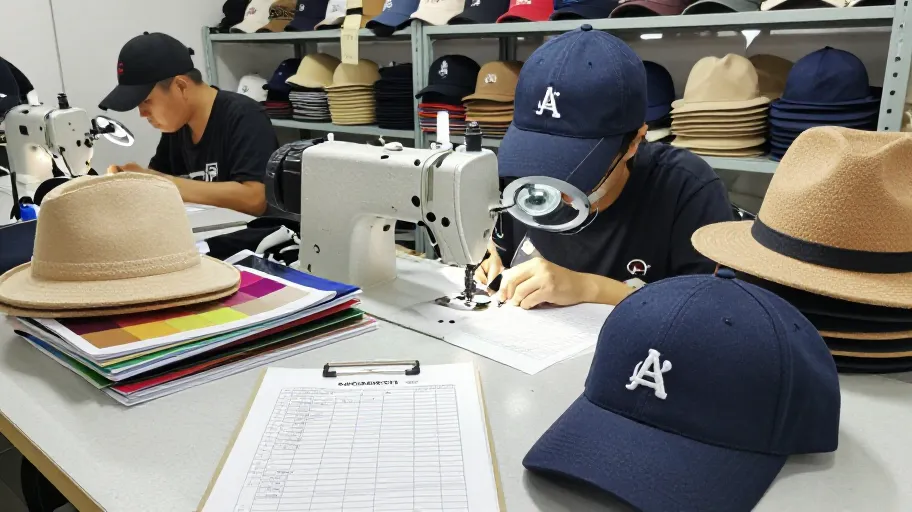
Evaluating a cap manufacturer in China comes down to three verifiable things: real manufacturing capability, accountability for your designs and compliance files, and documented process control from sample to bulk. Compare candidates on evidence you can request and inspect — not on claims. The framework below shows you what to ask for.
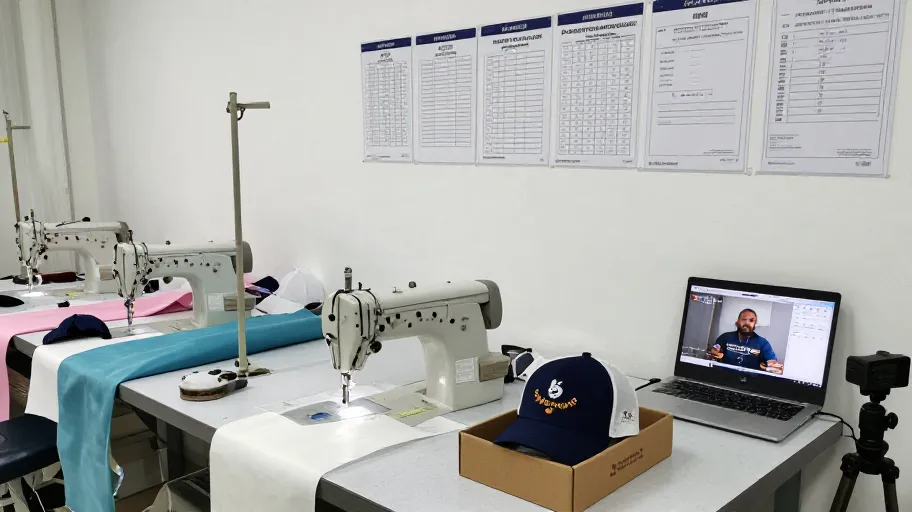
Evaluating a cap manufacturer in India for a private-label project means scoring each candidate against documented evidence rather than sales claims: verify production capability, examine physical samples, review compliance documentation, inspect processes through audits or video walkthroughs, test with a small pilot order, and contract every confirmed term in writing. Apply the same discipline to any supplier, in any country, before you commit budget.
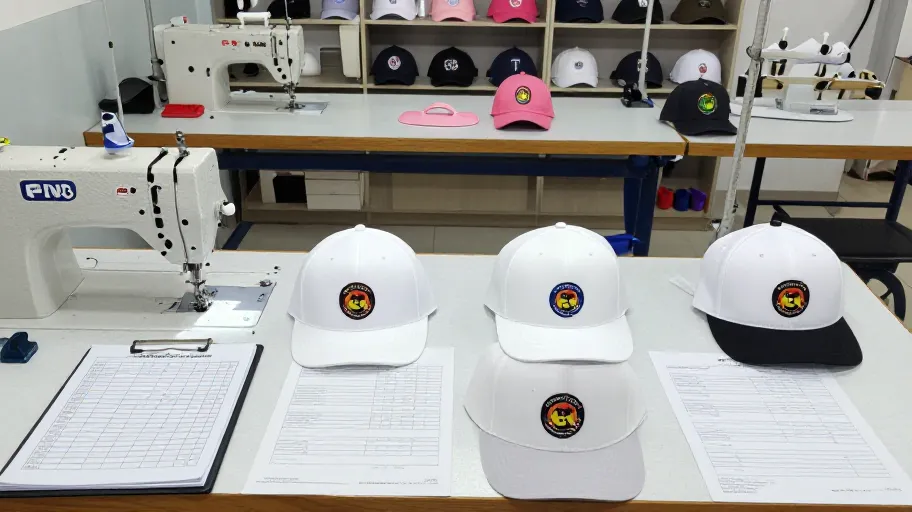
Evaluating a cap manufacturer in Tamilnadu for a private-label project means verifying capability before commitment: request documented evidence of OEM/ODM processes, run a structured sampling gate, and score every candidate against the same criteria. This guide gives you a seven-part framework, a comparison table and the exact approval questions to send — so your decision rests on evidence, not on a website catalogue.
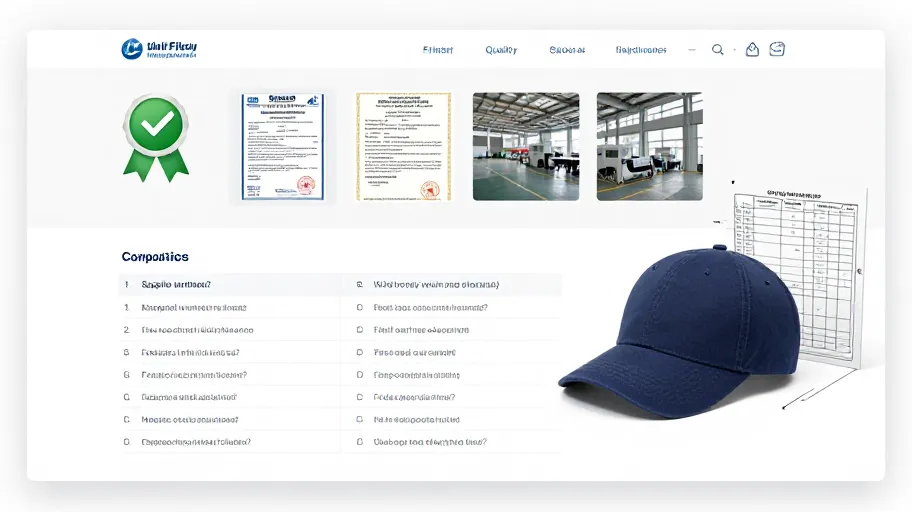
To evaluate a cap manufacturer online for a private-label project, run every candidate through four gates before discussing price: Verify the entity behind the listing, Evidence its production and quality documentation, Compare suppliers on identical written questions, and Approve only after a sample passes your spec sheet. Document each gate. A manufacturer you cannot verify, evidence and compare on equal terms is not yet a supplier — it is a listing.
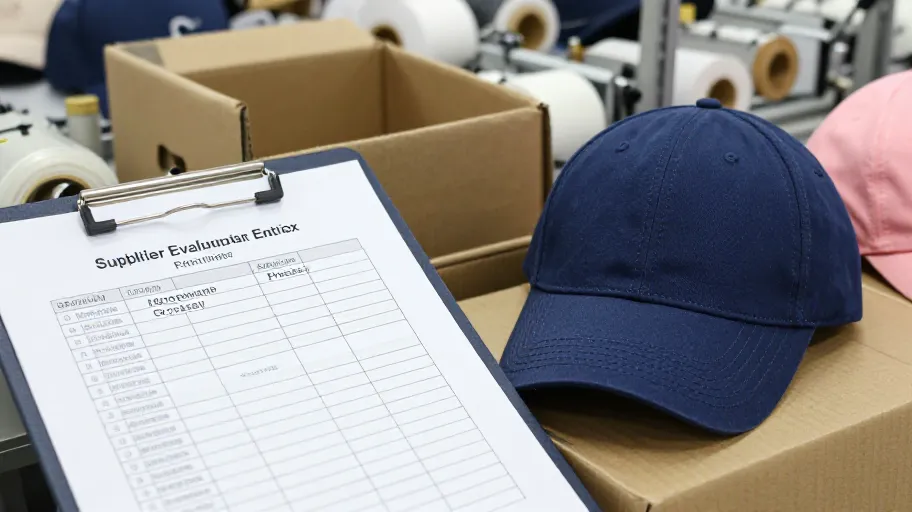
Evaluating cap manufacturers in China for a wholesale private-label project means verifying capability with evidence, documenting agreements in writing, and approving each production checkpoint yourself. Use a structured framework — Capability, Agreement, Process — to compare suppliers on facts you can confirm, not claims you must trust.
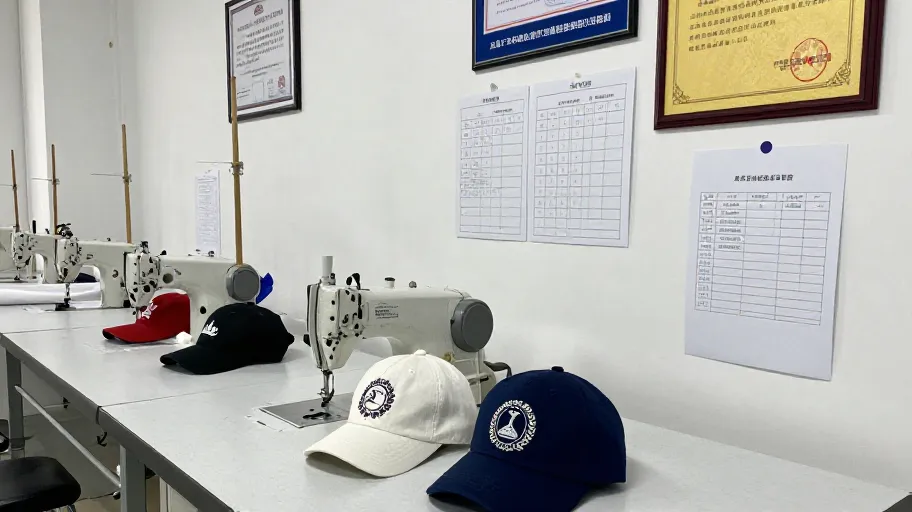
Shortlisting cap manufacturers in China wholesale comes down to four verifiable checks: real manufacturing capability, accountable legal and business entities, documented production and approval processes, and third-party verifiable evidence. Compare candidates on evidence, not on sales language, and confirm every commercial term in writing before you commit.

There is no universal “top 10” cap manufacturer for every project. A suitable supplier depends on product type, order requirements, development support, documentation and delivery needs. This guide replaces an unverifiable ranking with ten criteria a brand or procurement team can use to compare US and overseas manufacturing options.
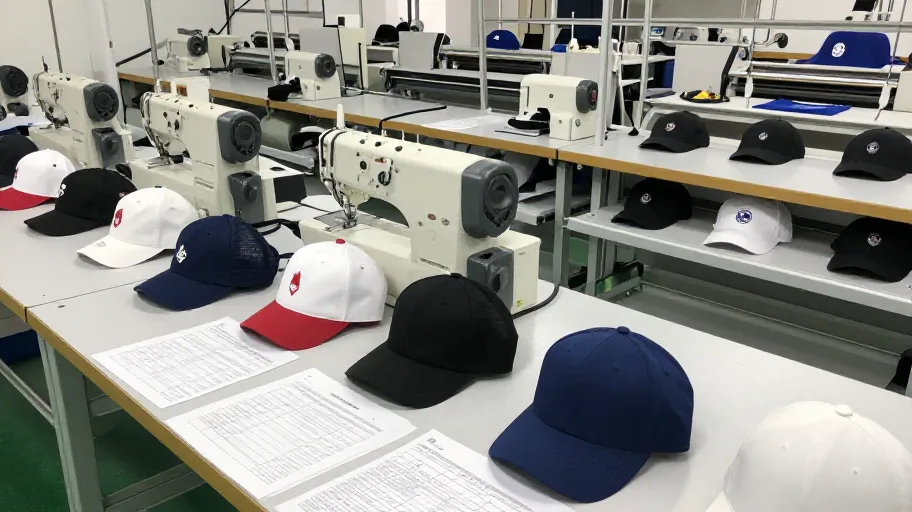
Searching "cap manufacturers in usa" is the start of a comparison, not a conclusion. To evaluate candidates for a private-label headwear program, verify four things with each one: manufacturing capability, process control, compliance and documentation, and total program value. Confirm MOQ, pricing, lead time and sample policy directly — never assume them.
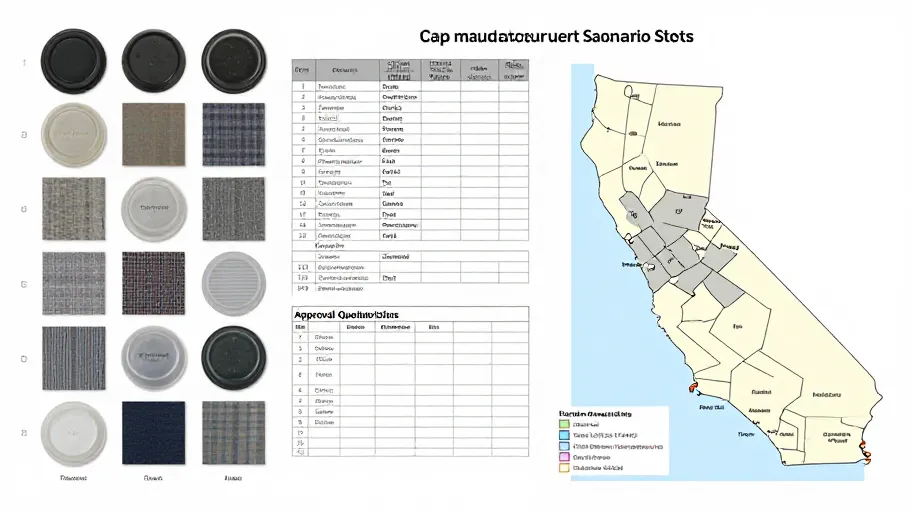
Searching for cap manufacturers near California for a private-label project means comparing candidates on verifiable evidence, not proximity or promises. Shortlist three to five manufacturers, request documented samples and spec sheets, ask the same approval questions to each, and score their answers in a comparison matrix. The right partner is the one whose evidence survives your evaluation — whether they sit in California or overseas.
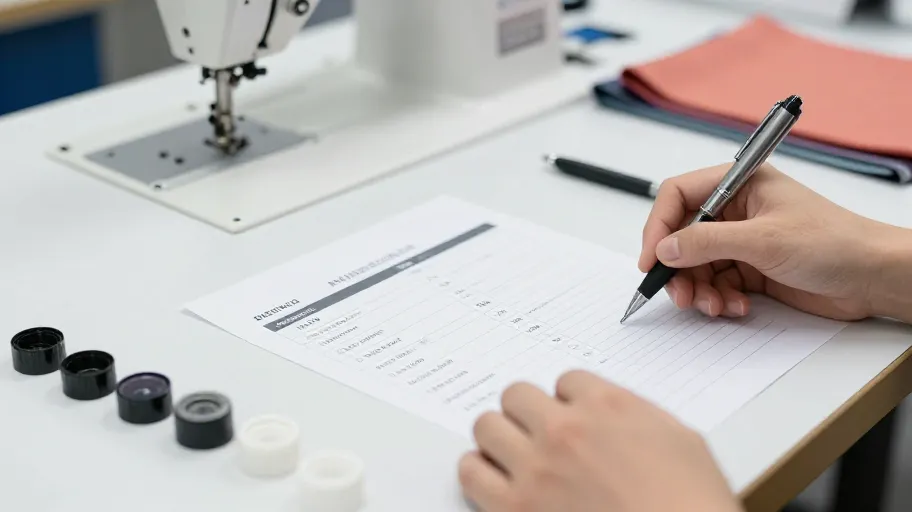
To evaluate cap manufacturers near Olongapo City, Zambales for a private-label project, build a documented comparison instead of relying on quotations. Shortlist candidates, verify each one's production capability with a physical sample, record every MOQ, price, lead time and policy in writing before any deposit, and score all candidates on the same criteria. A disciplined, evidence-based process protects your brand from mismatched expectations and undocumented terms.
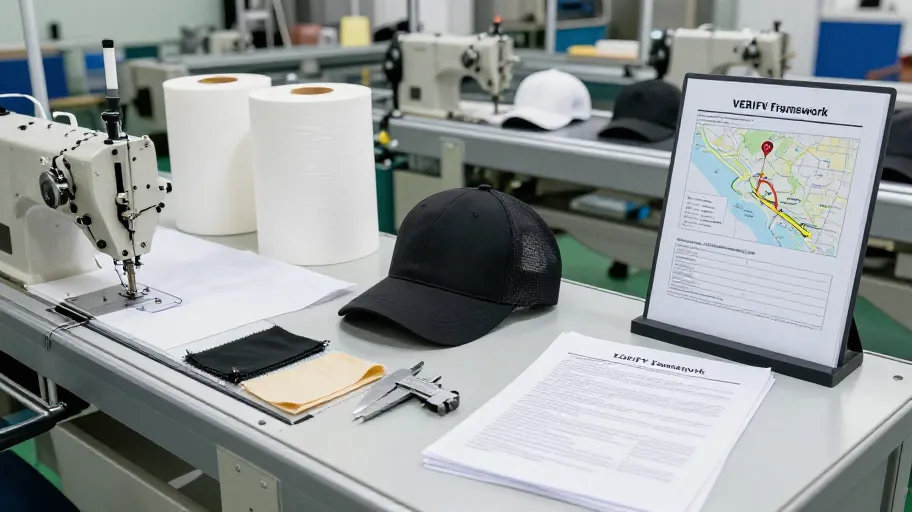
Evaluating cap manufacturers near Zambales means comparing candidates on verifiable evidence, not proximity or promises. Use the VERIFY framework: confirm credentials, test samples, review communication, inspect control points, file documentation, then decide. Weight each criterion, document every answer, and require written confirmation of all policies before approving any supplier for a private-label programme.
When overseas buyers search for cheap baseball cap manufacturers in China, the real job is not finding the lowest quoted price — it is finding a supplier whose low price survives verification. Evaluate candidates on five fronts: verified business identity, verified production capability, verified quality control, documented commercial terms, and reliable communication. A supplier that scores well on all five is genuinely cheap, because you pay the quoted price once instead of paying again in defects, delays and rework.
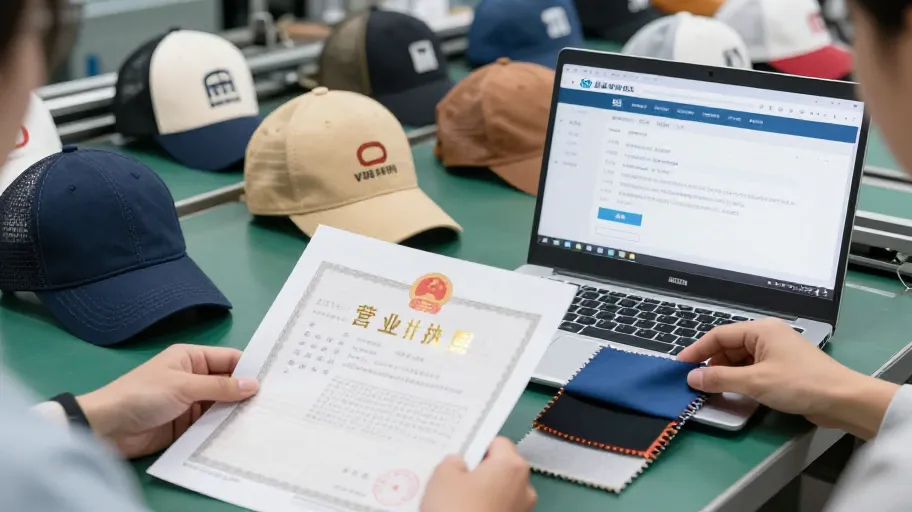
Comparing China hat manufacturers online works best when you separate verifiable evidence from marketing language. Use the VERIFY Framework — Verify identity, Evaluate communication, Review evidence, Inspect documentation, Factory-check, Yield a decision — to score every supplier against the same criteria, document answers in writing, and approve one only after its capabilities match your private-label specification.
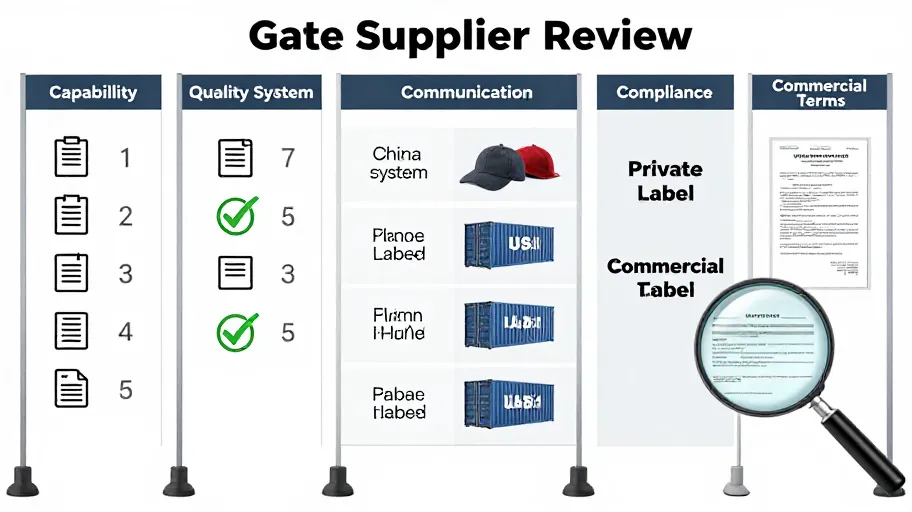
When overseas buyers search for China hat manufacturers for USA-bound private-label programs, the real job is not finding a factory — it is verifying one. Use the Five-Gate Supplier Review: Capability, Quality System, Communication, Compliance and Commercial Terms. Score each gate with documented evidence, compare shortlists side by side, and approve suppliers only after every gate clears. Confirm the current policy directly on any point a supplier cannot evidence in writing.
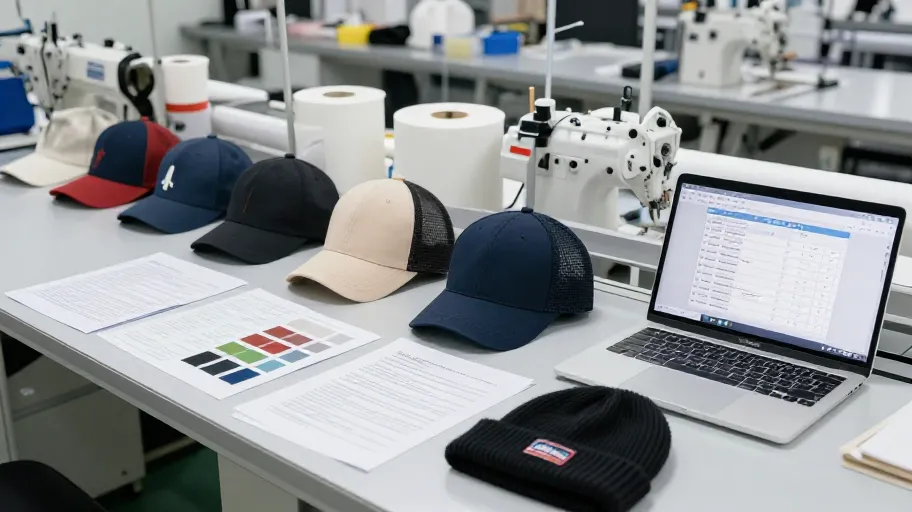
Evaluating China hat manufacturers wholesale means comparing verified evidence — credentials, samples, factory access and documented terms — rather than accepting website claims. Use the VERIFY Framework: a repeatable six-step method that turns supplier conversations into documented, comparable decisions for your private-label project.
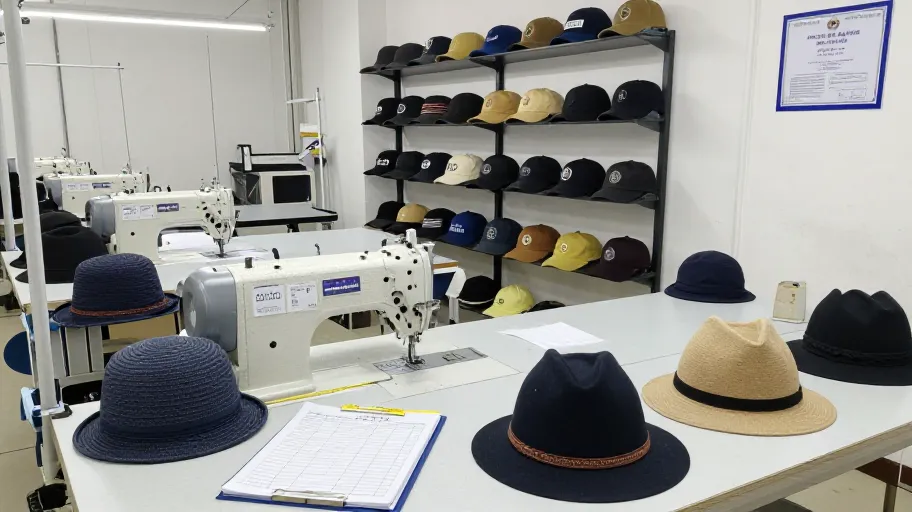
Shortlisting Chinese hat manufacturers is an evidence exercise, not a browsing exercise: verify factory status and capability directly, demand documented proof of quality systems, test the collaboration with a controlled sample run, and agree every commercial and IP term in writing before the first production order. A structured comparison beats a polished website every time.

Evaluating a cosmetic cap factory in China for a private-label project means replacing claims with evidence: verified production capability, a documented sampling process, written quality controls, confirmable terms and accountable rework arrangements. The CAP-VERIFY framework gives overseas brands, importers and corporate buyers a repeatable sequence to compare shortlisted factories before any commitment is made.

When you search "cosmetic cap factory china price," you are not looking for a number — you are looking for a defensible way to compare factory quotations for a private-label headwear project. A credible price evaluation means breaking each quote into components, verifying evidence behind quality claims, and documenting every operational term in writing before you approve a supplier. The framework below shows how.
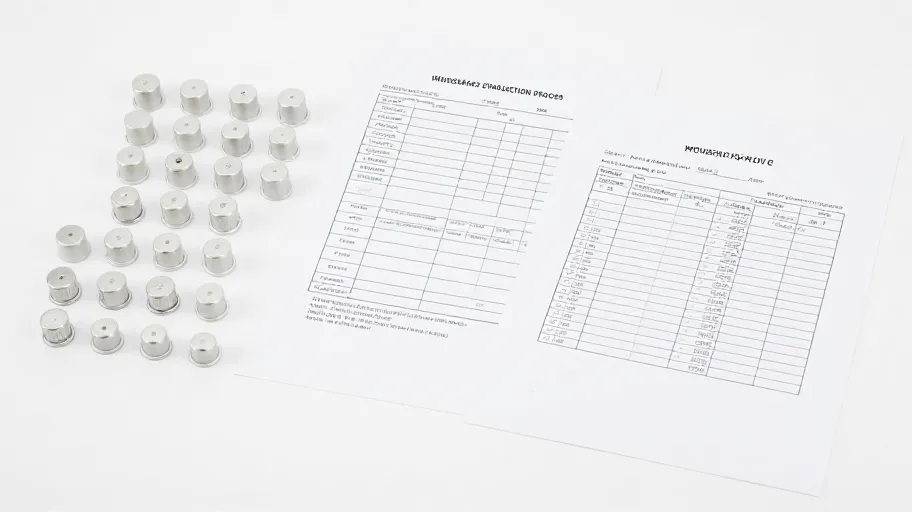
To evaluate a cosmetic cap factory China wholesale supplier for a private-label project, verify legal identity and manufacturing status, compare quotes on identical specifications, document every sample and approval in writing, and confirm all sample, pricing, tooling and production policies directly with the factory before any payment. Use a structured gate — not marketing claims — to decide.
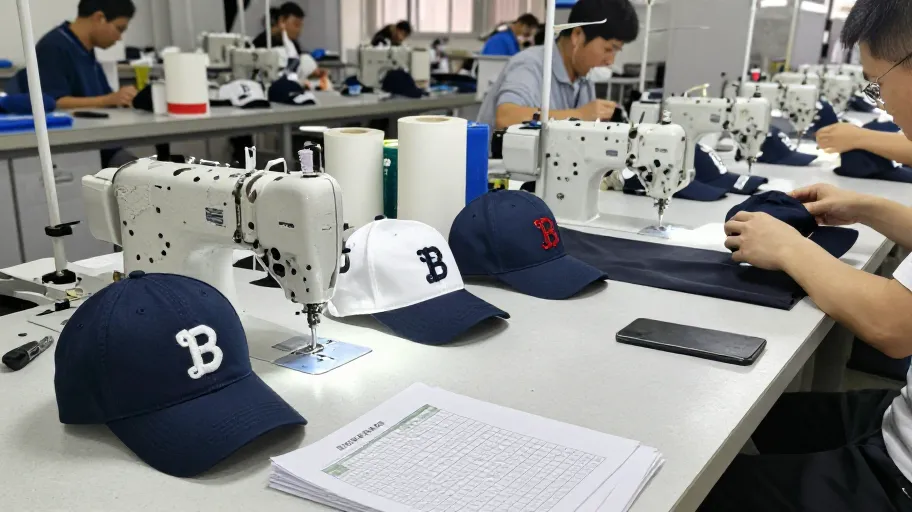
Comparing custom baseball cap manufacturers in China comes down to seven verifiable factors: capability, accountability, process control, reliability evidence, economics, yield management and documentation. Instead of trusting sales claims, score each factory against the same weighted checklist, request written confirmations for every policy, and approve a pre-production sample before any deposit. This article gives you the framework and the questions to do exactly that.
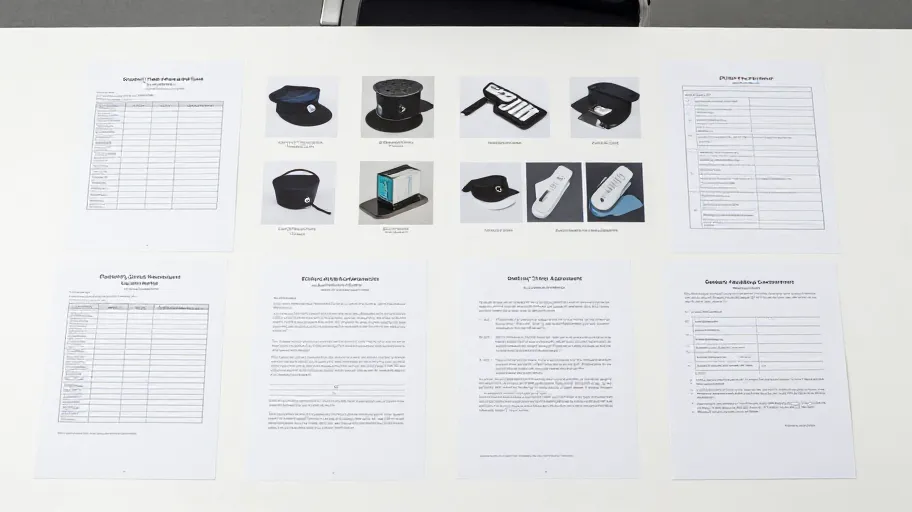
To evaluate a custom cap manufacturer, compare candidates against evidence — not quotations. Use a structured framework covering capacity, factory authentication, product engineering, communication responsiveness, verifiable documentation, accountability, delivery terms and defect-handling commitments. Score each candidate, document every answer, and approve the supplier only after the evidence matches your project requirements.
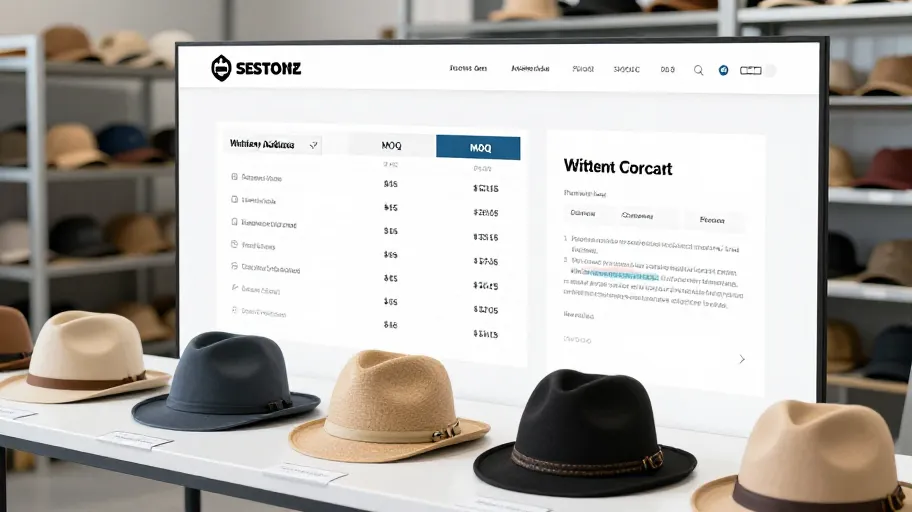
To evaluate a custom hat manufacturer online, verify documented evidence rather than website claims: confirm factory identity, request and approve physical samples, compare communication quality, and put every operational term — minimums, pricing, timelines, quality criteria and IP ownership — in writing before committing. A structured framework beats ad-hoc browsing because it lets you score every candidate the same way.
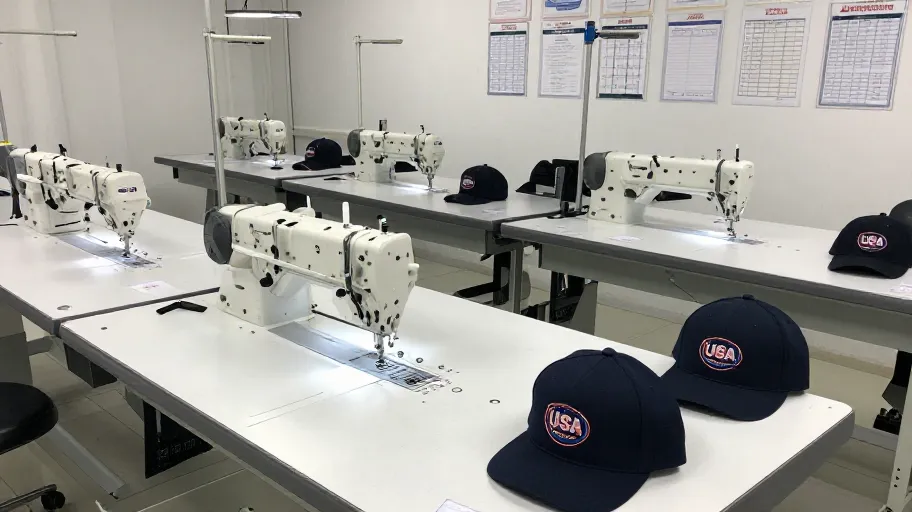
To evaluate a custom hat manufacturer usa search result for a private-label project, verify three things before committing: manufacturing capability (equipment, in-house processes, physical or virtual factory evidence), accountability (business licence, export record, written policies), and process control (sample approval, inspection rights, defect handling). Compare candidates on documented evidence, not marketing claims — and record everything in a scorecard you can reuse.
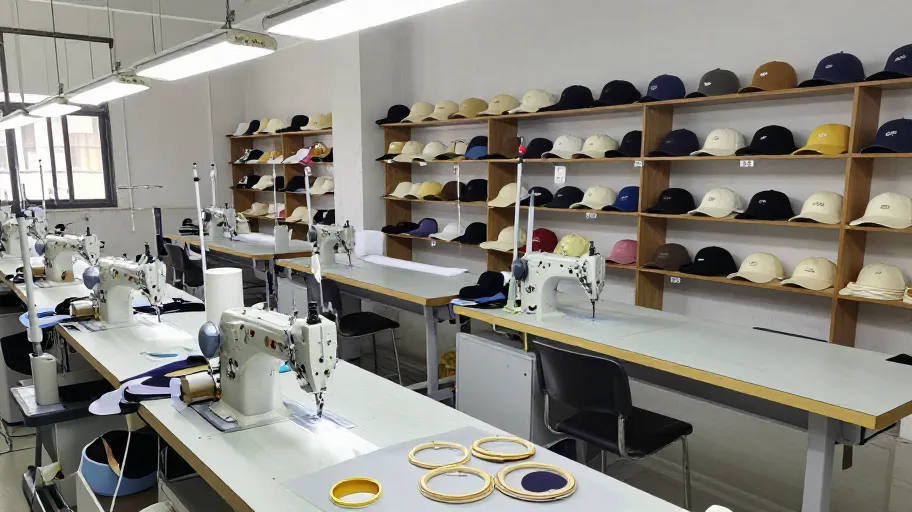
Shortlisting custom hat manufacturers in China comes down to four verifiable dimensions: Capabilities, Accountability, Process control and Scalability — the C.A.P.S. Vendor Fit Check. Score each factory against documented evidence, not sales claims, and confirm every policy in writing before approving a private-label partnership.
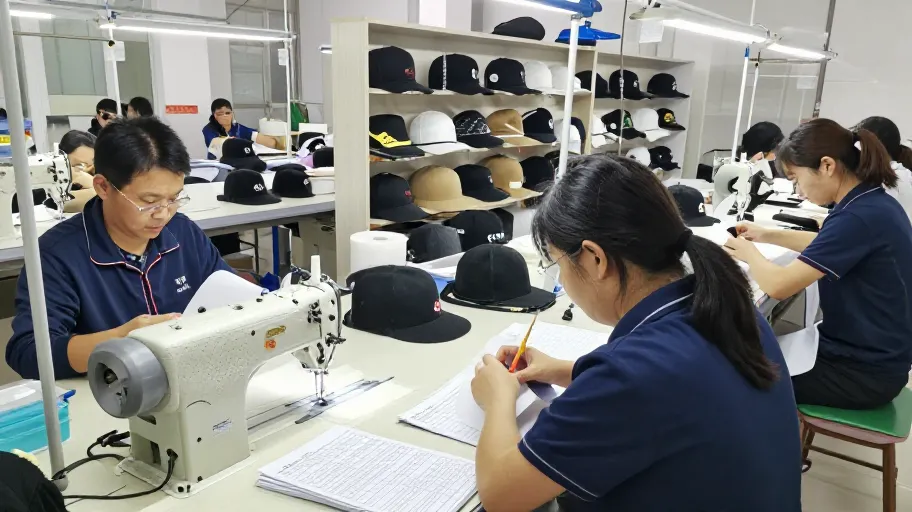
Evaluating hat headwear manufacturers in China for a private-label project means verifying three things before any commitment: construction capability for your specific design, accountability across the whole production chain, and documented process control from development to shipment. Use a structured framework, ask written approval questions, and score every candidate on the same scale.
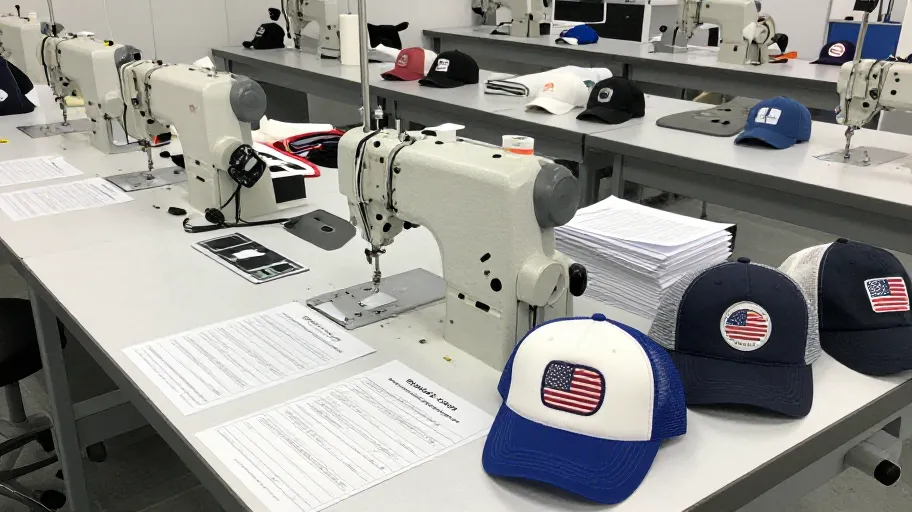
Searching for a "hat manufacturer in usa" means you are weighing domestic production against overseas OEM/ODM options — and the right answer depends on verifiable facts, not slogans. Evaluate every candidate, wherever they are located, against the same documented criteria: capability, samples, compliance, process control and written terms. A disciplined comparison beats a geographic shortcut.
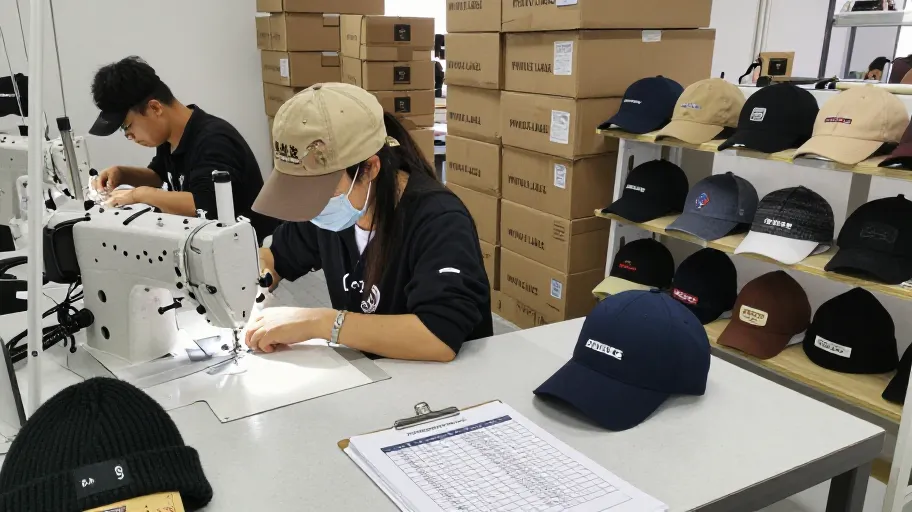
Evaluating headwear manufacturers in China for a wholesale private-label project means verifying four things in order: who you are dealing with, what they can actually produce, how they prove quality, and what terms they will put in writing. Use a structured framework — we recommend PAVE — and score every candidate supplier against identical criteria so your comparison rests on documented answers, not marketing claims.

You have a design. You have a brand. You even have purchase orders lined up.But you don't have a cap factory you can trust.Searching for cap manufacturers is easy. Finding cap manufacturers China that actually communicate, respect samples, and ship on time? That is where most brands fail.If you need baseball cap manufacturers, baseball hat manufacturers, or a dedicated snapback manufacturer, this guide is for you. We will show you why a professional hat tech pack is your most powerful tool, what to ask before signing anything, and how to evaluate headwear manufacturers China without flying across the world.
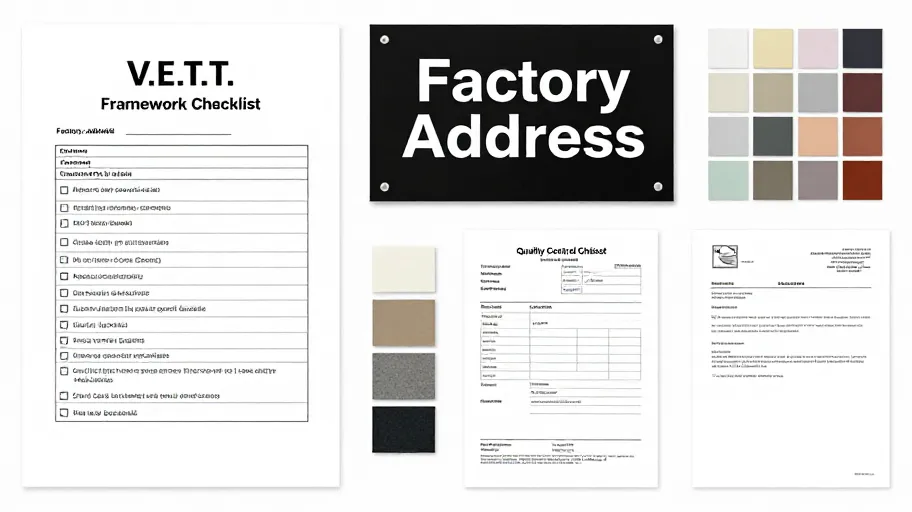
To evaluate Krishna Cap Manufacturer Co for a private-label project, treat the name as an unverified entity until documents prove otherwise. Run the V.E.T.T. Framework — Verify entity, Evaluate capability, Test communication, Trace compliance — before any payment. Confirm business registration, factory address, sample terms, quality controls and export experience in writing. No public search result, including this article, substitutes for supplier-confirmed evidence. This page gives you the method; the supplier gives you the facts.
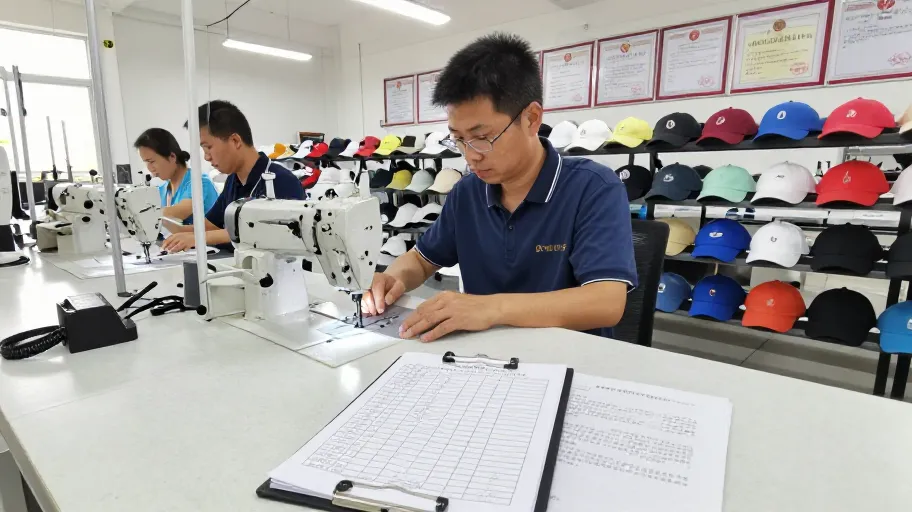
Shortlisting men cap manufacturers in China comes down to evidence, not claims: verify business registration, confirm whether you are dealing with the actual production site, request documentation of construction and finishing ability for your specific cap styles, and lock sample, MOQ, tooling, inspection and rework terms in writing before any deposit. Compare candidates side by side using a fixed scorecard so the decision survives internal review.
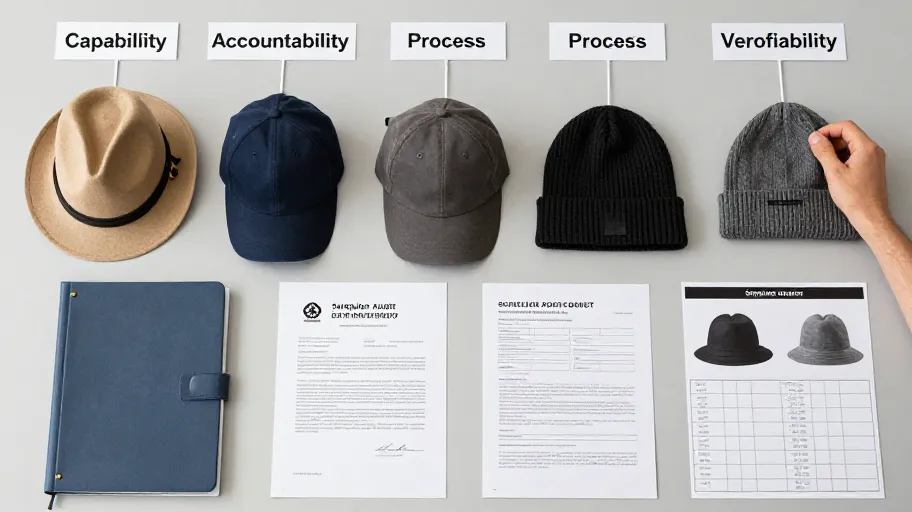
A strong men hat manufacturer for a private-label project is one you can verify, not just one that markets well. Evaluate candidates across four lenses — Capability, Accountability, Process and Verifiability — score each with written evidence, and approve the supplier only after sampling, contract terms and quality documentation confirm what the sales pitch claims. Compare at least two manufacturers using identical questions.
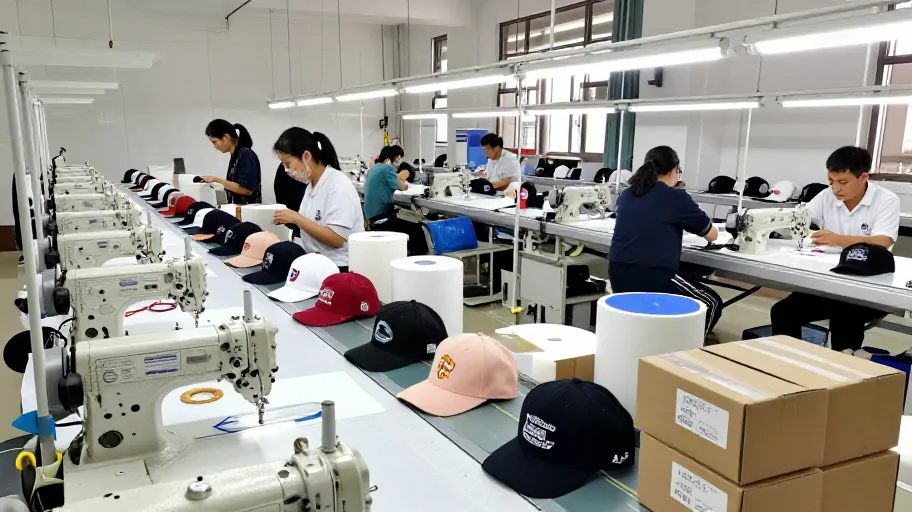
Search "who are some major cap manufacturers in china?" and you will find long lists of factory names — but a list does not answer the question a private-label buyer is really asking: which manufacturer can reliably deliver my product, at my volumes, to my specification, under terms I have verified? This article gives you an evaluation method — the SCORE Frame — plus a decision table, approval questions and a checklist so you can compare any group of Chinese cap suppliers on documented evidence rather than marketing claims.
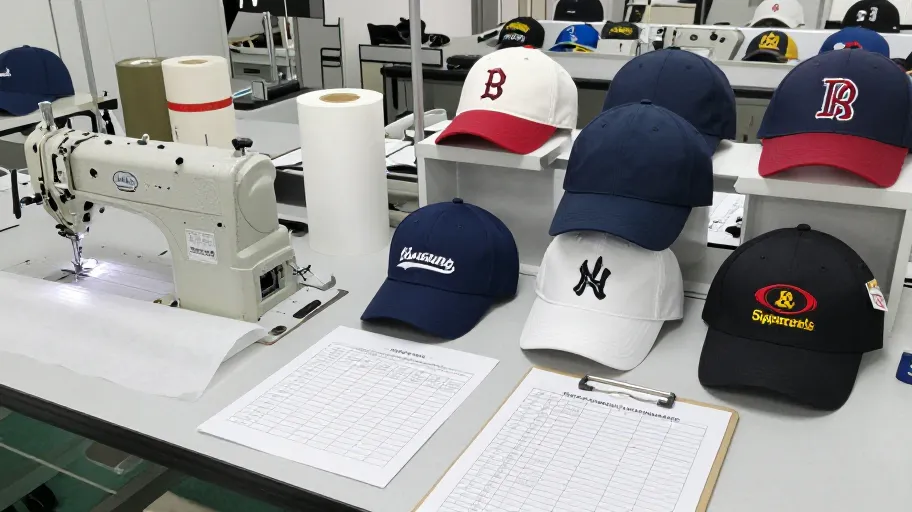
The best baseball cap manufacturers for a private-label project are the factories you can verify against your specific requirements — construction capability, accountability for your brand assets, and documented process control — not the ones with the loudest claims. "Best" is a project-relative judgement. Evaluate candidates with a weighted scorecard, confirm every policy in writing, and approve a supplier only after evidence passes your threshold.
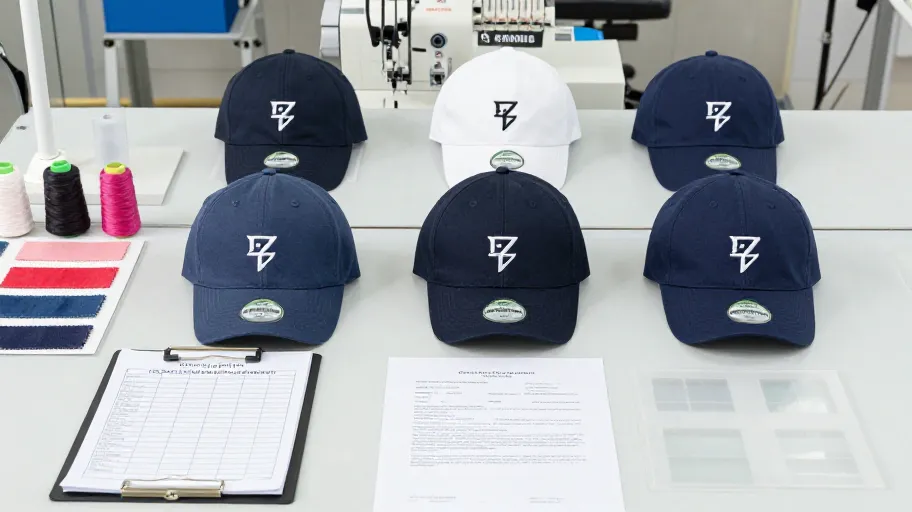
The best cap manufacturers in China are the ones you can verify against your own project: confirmed production capability for your cap construction, documented sampling and approval control, transparent processes for materials and inspection, and commercial terms you have confirmed in writing. "Best" is project-specific — evaluate evidence, not rankings.
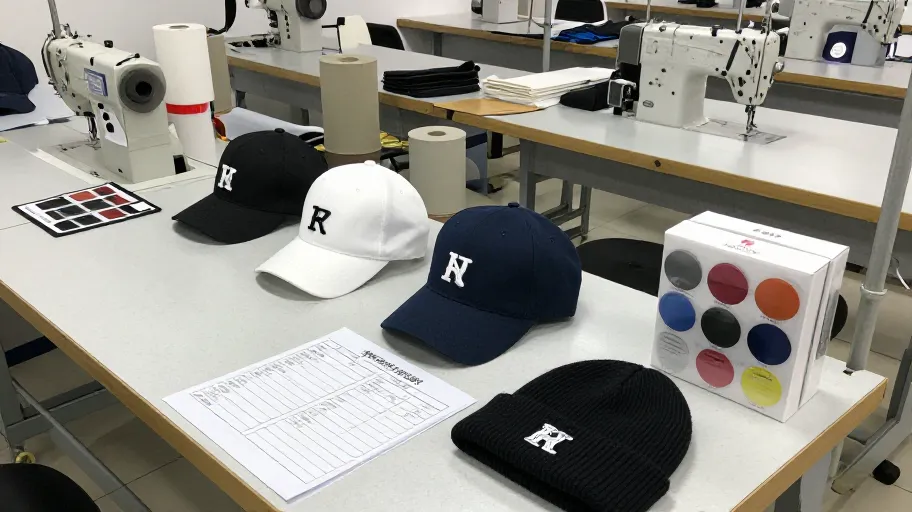
The honest answer to "who are the best hat manufacturers in China?" is that "best" is project-specific: the right factory is the one whose capabilities, communication and documentation match your private-label programme — not the one with the loudest website. Evaluate candidates with a structured frame, verify claims with evidence, and document every confirmed term before approval. This article gives you that frame.
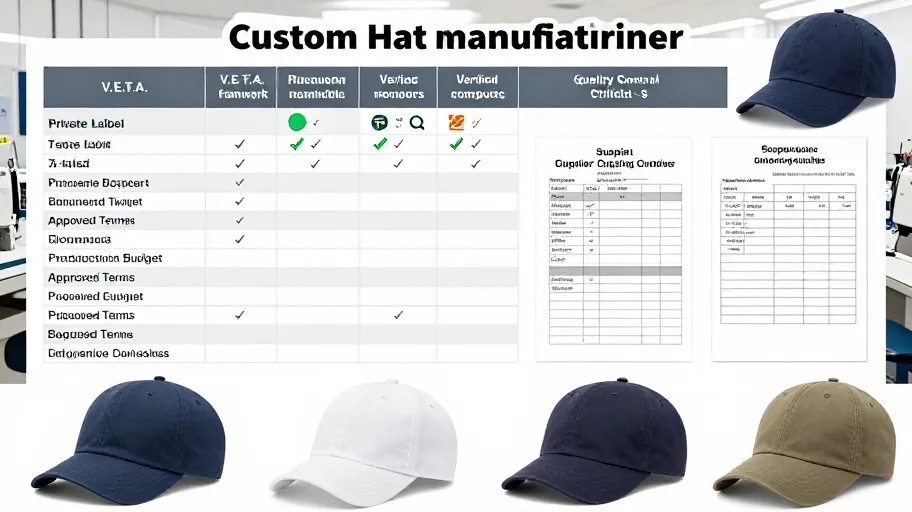
There is no single “best” custom hat manufacturer — only the best fit for a specific private-label project. Evaluate candidates on evidence: verified capabilities, documented communication, tested samples, and approved terms. Use a structured scorecard to compare suppliers objectively before committing production budget to any one factory.
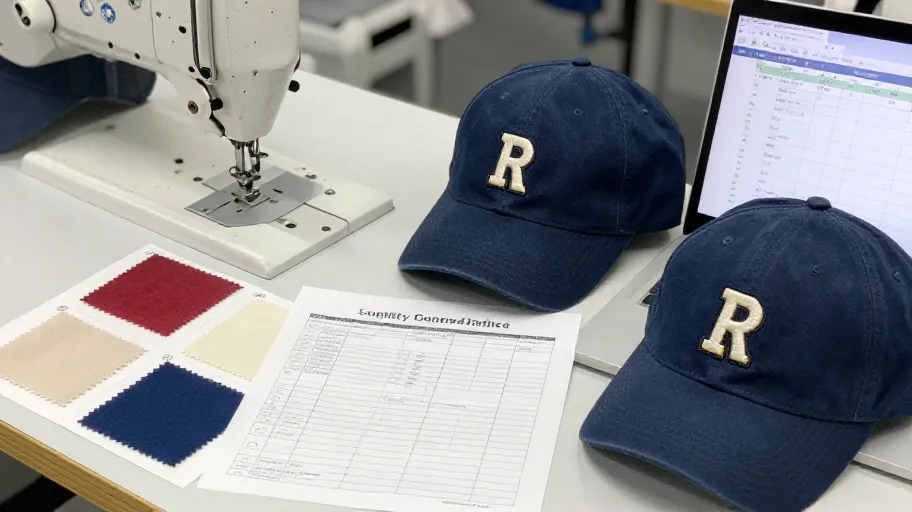
Evaluating wholesale hat manufacturers — whether USA-based or China-based OEM/ODM partners — comes down to four checks: verify Capability (equipment, construction methods, materials), Accountability (IP terms, quality responsibility), Process (sampling, QC, communication), and documentation of each answer. Compare every candidate on the same written criteria, then approve only what you have confirmed in writing.





