


Snapback manufacturers are turning tech packs into powerful tools for precision and speed. With smarter digital blueprints, cap factories are slashing rework, cutting time-to-market, and scaling quality across global teams.


Top cap manufacturers don’t just make hats—they streamline the entire path from sketch to shelf. We break down how leading brands cut development time by up to 40% using specialized factories with built-in spec control and sample validation.
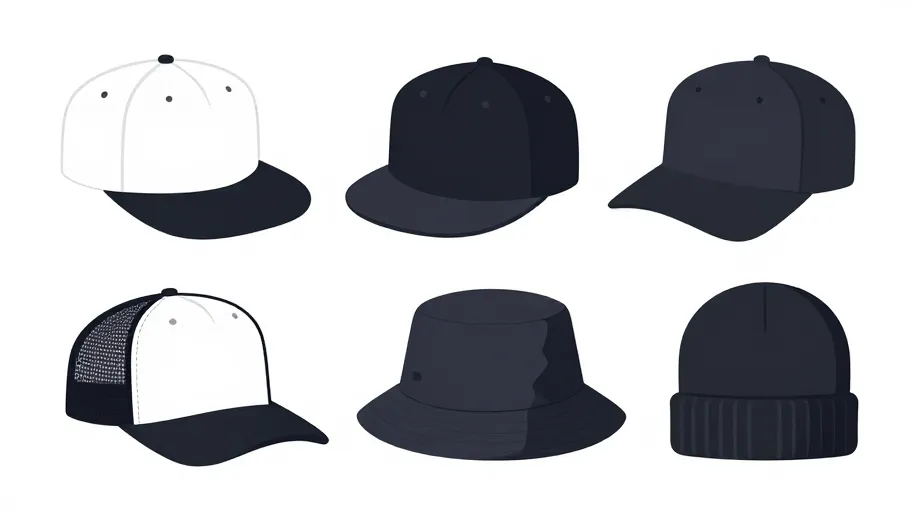
A professional hat tech pack aligns design with reality. Brands using structured specs cut sampling errors by up to 70% and save 3–5 weeks in time-to-market—directly boosting margins and scalability.
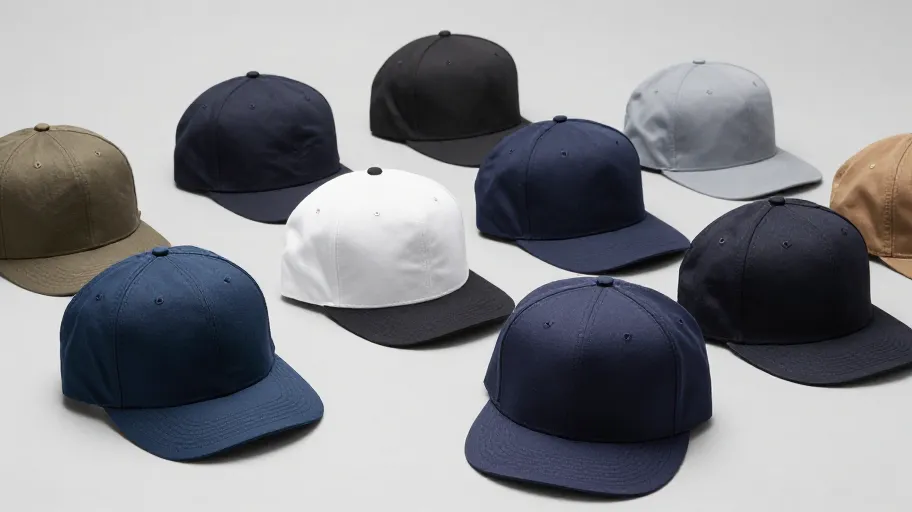
Comparing baseball cap manufacturer quotes line by line using structured tech packs slashes cost overruns by up to 30%. This method exposes hidden variances in materials, construction, and compliance—turning sourcing from a gamble into a precision operation.
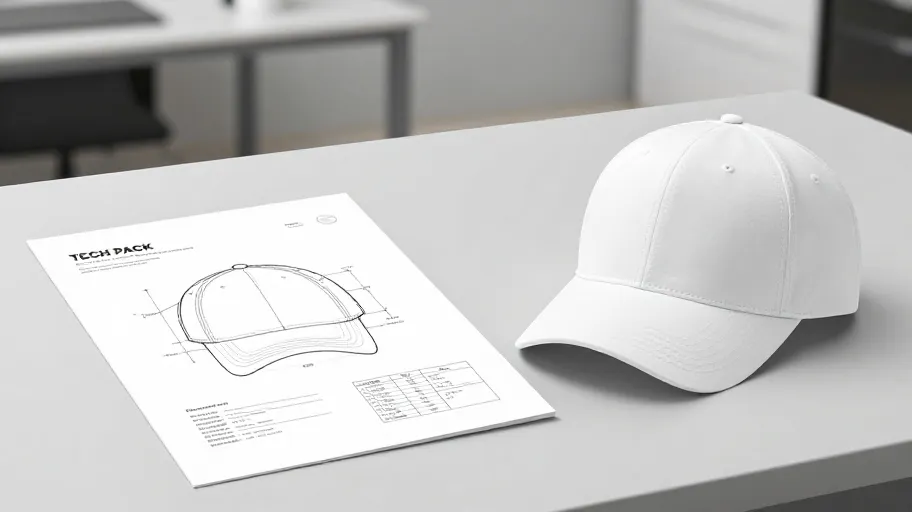
Getting caps to fit right shouldn’t be luck. Documenting fit and compatibility checks in tech packs slashes rework, speeds time-to-market, and turns free hat samples into validation tools—not costly experiments.

Miscommunication costs cap manufacturers china millions every year. Tech packs fix that by turning design chaos into clear, actionable data—so you get caps right the first time, on time, and at scale.
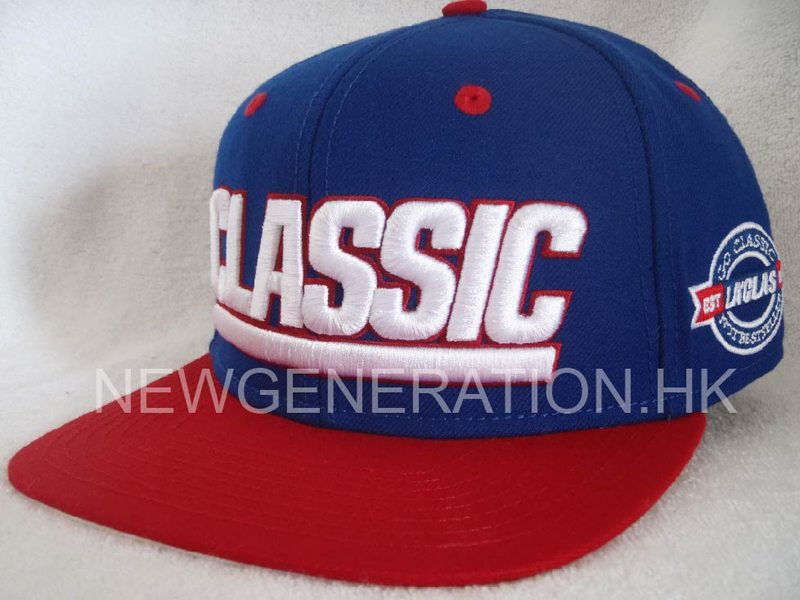
It’s December 25th. While many are unwrapping gifts, countless B2B buyers and brand managers are experiencing a different kind of holiday reality: the acute, post-mortem analysis of their seasonal branded merchandise program. Perhaps the customized hats for the corporate gift boxes arrived on the 24th—cutting it impossibly close. Or worse, they’re still in transit, a festive promise unfulfilled. The lofty goal of a thoughtful, brand-building gift can dissolve into a last-minute scramble, revealing the stark difference between a simple supplier and a true partner cap manufacturer.
This scenario underscores a critical, year-round truth that becomes magnified during the holidays: reliable execution is the greatest gift a cap factory can give. Today, as we reflect on the season of giving, let’s explore the lessons learned from the holiday rush and how they translate into a smarter, more resilient sourcing strategy for the year ahead.
Picking the wrong cap factory can sink your brand before launch. 30% higher defect rates, delayed shipments, and viral customer complaints aren’t just setbacks—they’re preventable. Here’s how to vet manufacturers like a pro.
Choosing the right cap manufacturer in China can save you months and six figures. With 70% of global headwear made here, one wrong move leads to delays, defects, and stranded inventory. Here’s how to get it right.

The most common mistakes US brands make when sourcing custom caps are choosing a factory before the product specification exists, comparing quotes with different bills of materials, approving an…
Partnering with the right cap manufacturer in China can slash costs by up to 40%—but poor vetting tanks brands fast. Here’s how to avoid costly mistakes and build trust at scale.
Picking the wrong cap manufacturer in China can kill your brand before launch. Delays, defects, and hidden costs add up fast. Here’s how to choose right—without burning time or cash.
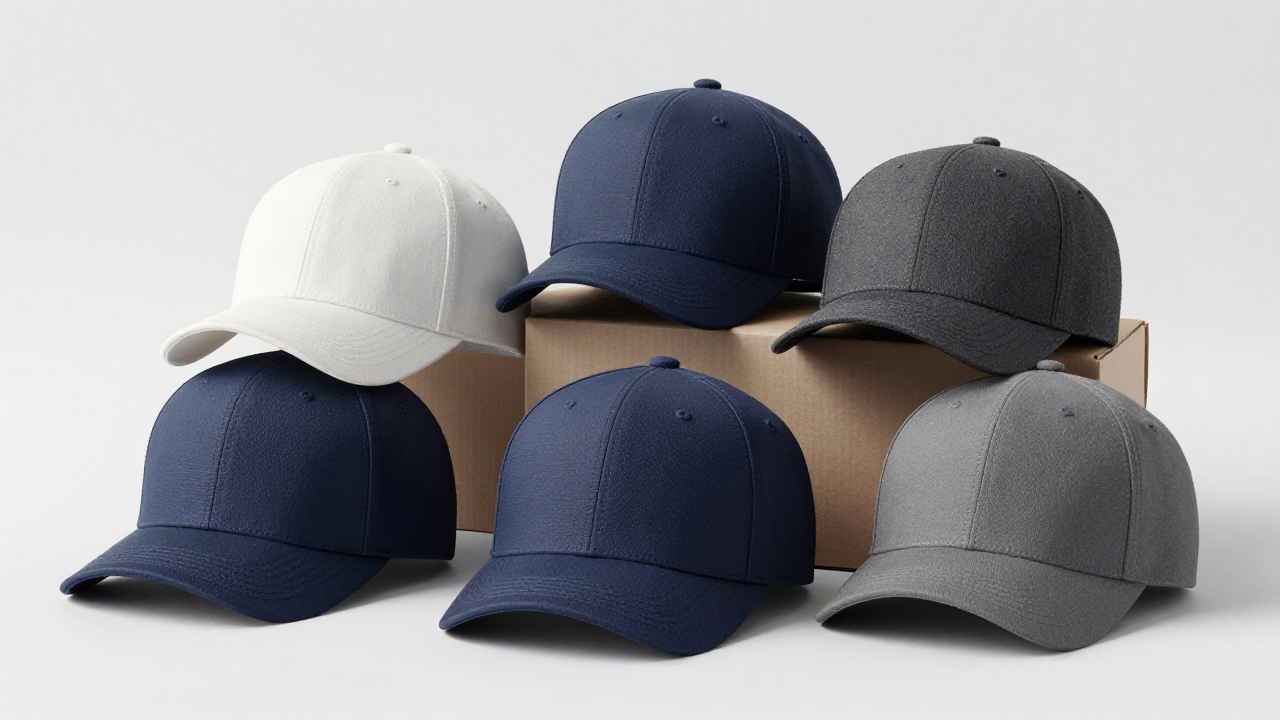
In the competitive world of fashion and branding, choosing the right cap factory can make or break your business.…
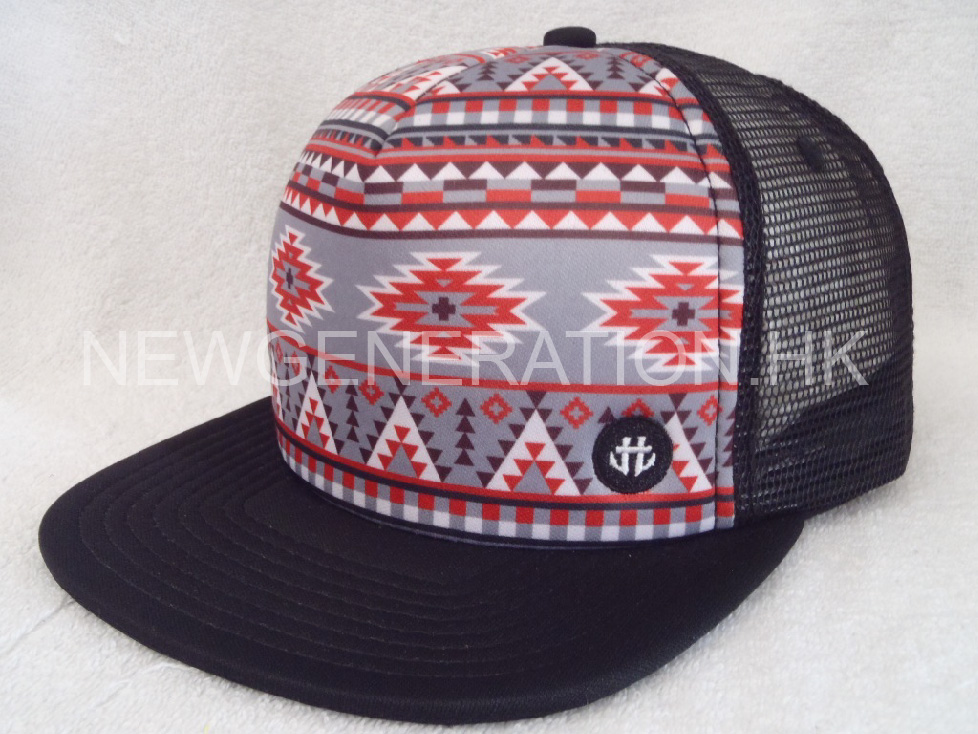
When you're looking for a custom hat manufacturer who craft custom athletic hat, you need to know what's out there, and how to find the best one for your needs.

The CAP-FIT Scorecard
CAP-FIT is six buying lenses that turn a vague conversation into a comparable score. Every lens is answered with evidence you can request, not assertions you must trust.
C
Capacity
alignment
alignment
A
Artwork &
engineering
engineering
P
Pre-production
sampling
sampling
F
Fit, spec &
quality
quality
I
Inspection &
compliance
compliance
T
Track
record
record
Decision Table: Scoring Three Quotes on the Same Axis
Assign each lens a weight that matches your program. The defaults below suit a private-label launch; adjust for promotional volume, corporate uniform or retail rollout. Score each supplier 1–5 per lens, multiply by weight, sum to 100. A supplier under ~70 is not "bad" — it is under-evidenced, which is the only disqualifier that matters at this stage.
| CAP-FIT lens | Suggested weight | What to verify (ask for it) | Red flag |
|---|---|---|---|
| Capacity alignment | 20% | Current production schedule, recent shipment records, peak-season plan | Vague "we can do any quantity" with no schedule |
| Artwork and engineering | 20% | Tech pack read-back, construction alternatives, decoration options | Pushes straight to quotation without reviewing the tech pack |
| Pre-production sampling | 15% | PPS process, sign-off gate, revision handling | "Sample not needed" or charged without a clear policy |
| Fit, spec and quality consistency | 20% | Spec tolerance sheet, size-run checks, QC photos from past runs | Cannot show in-line QC records |
| Inspection and compliance | 15% | In-line and final AQL, material testing plan, traceability | "All our materials pass all tests" with no documents |
| Track record | 10% | Three references, recent audit, willingness to walk you through a live order | References that cannot be contacted or are all the same profile |
Factory, Trading Company, or Hybrid — and Why the Label Matters Less Than the Proof
A factory owns machines; a trading company coordinates them; a hybrid does both. None is automatically wrong. What matters is whether the supplier is transparent about which one they are, because that determines who controls quality, lead time and your recourse when something slips.
Worth requesting:
- A business licence with the registered scope (manufacturing vs. trading).
- A short video walk-through filmed in the last 90 days, including the cutting, embroidery and packing areas.
- The right to a third-party audit — even if you never run one, the answer tells you something.
If a supplier resists all three, treat the resistance as data, not an accusation. Lower their inspection and track-record scores and move on.
Eight Approval Questions to Send Before You Commit
Send these as a single, polite email. The quality of the answers — not just yes/no — is the evaluation.
- Are you a factory, a trading company, or both? Please describe your role in production.
- Can you share your current production schedule and a realistic shipping window for our spec and volume?
- What does your pre-production sample process look like, and what gates bulk production?
- Walk us through a recent in-line and final inspection: AQL level, sample size, common defects.
- How do you trace materials from roll to finished cap, and which tests can you map each material to?
- Can you provide three buyer references with order profiles similar to ours?
- How do you handle artwork files, trademarks and confidential tech packs?
- If a shipment misses spec, what is your documented corrective-action process?
Suppliers who answer in detail, with documents, are signalling something useful. Suppliers who answer in superlatives are signalling something else.
Sampling, Tech Pack and Quality Milestones
A credible baseball cap manufacturer will treat your tech pack as the contract, not the opening offer. Before sampling, expect to align on:
- Construction: 5- or 6-panel, structured or unstructured, buckram weight, eyelet type.
- Materials and decoration: Crown, sweatband, visor and closure specs; embroidery, woven label, patch, print or heat-transfer; stitch density and thread.
- Closure and sizing: Snap, hook-and-loop, fitted, or leather strap with metal buckle.
- Tolerances: Crown height, visor length, opening circumference — with an accepted deviation band.
Quality milestones worth pinning down: tech-pack sign-off → pre-production sample sign-off → in-line inspection during bulk → final AQL inspection → shipment. Each milestone is a payment and a decision point; skipping one transfers risk to you.
Trademark, File Handling and Confidentiality
Before you send artwork, confirm in writing how files are stored, who can access them, and how long they are retained. Ask whether the supplier produces for competing brands in your category, and how they segregate artwork and moulds. A mutual NDA is a baseline; a clear internal file-handling answer is the real signal.
Three-Step Comparison Workflow
- Shortlist three. Score every candidate against CAP-FIT using only documents you have received.
- Sample one or two. Order pre-production samples from the top scorers, and read the sample as a prediction of bulk.
- Commit with gates. Tie each payment to a verified milestone, and require inspection records before release.
This keeps you from anchoring on the cheapest quote or the fastest promise, and it gives you a clean way to retreat if evidence thins out.
Frequently Asked Questions
Is a trading company a bad choice for a baseball cap manufacturer?
Not inherently. A trading company can be the right partner if it offers stronger project management, broader decoration options, or consolidated logistics. The risk is opacity, so the fix is the same CAP-FIT evidence trail — references, inspection records and a clear statement of role.
What documents should I ask for first?
A current production schedule, a recent final-inspection report with photos, and three references with order profiles like yours. These three items cover more risk than any brochure.
How do I compare quotes that look similar on price?
Move price out of the first filter. Score the six CAP-FIT lenses, then re-introduce price only among suppliers that clear your evidence threshold. The cheapest quote rarely wins once inspection and sampling are weighted properly.
What is the single most overlooked step?
Pre-production sample sign-off before bulk cutting. It is the cheapest moment to catch a construction or decoration problem and the most expensive one to skip.
Should I require a third-party audit?
For meaningful volume, yes — at least once. Even if you never run one, the supplier's reaction to the request is itself a scoring input under the inspection and track-record lenses.
Download the Supplier Scorecard
A ready-to-send workbook with the six CAP-FIT lenses, a weighted comparison table, the eight approval questions, and an inspection checklist you can attach to a purchase order.
Download the Supplier Scorecard →Before you go: Grab the one-page Sourcing Readiness Checklist — it lists every document and milestone above, so nothing slips between the first email and the first shipment.

Choosing a baseball cap manufacturer is less about finding the longest factory list and more about reducing the risks that appear between a reference image and an approved bulk order. Compare suppliers against the same brief, ask for evidence at each development stage, and do not make a bulk decision before the sample has been reviewed against written specifications.
If you are sourcing a custom cap for a brand, wholesale range or event, the first useful question is not “Who is the best factory?” It is: which manufacturer can show that they understand this particular cap, this decoration and this approval process? That shift helps a buying team compare like with like.
Start with the project, not the supplier list
A baseball cap project can look simple until the decisions stack up: panel shape, crown structure, visor curve, fabric weight, closure, sweatband, logo method, labels, packaging and the reference colour. A supplier can only price and sample accurately when those decisions are visible.
Before you request quotations, create a one-page project brief. It does not need to be a perfect technical drawing. It does need to make the commercial decision clear.
| Put this in the brief | Why it changes the sourcing conversation |
|---|---|
| Product purpose and buyer | A fashion launch, staff uniform and promotional giveaway can need different durability, branding and packaging choices. |
| Reference photos or sketch | Gives the supplier a shared starting point; label what must match and what is only inspiration. |
| Cap construction | State 5-panel or 6-panel, structured or unstructured crown, visor shape and closure preference. |
| Fabric and colour direction | Name the material if known; otherwise state the hand-feel, use case and colour reference to investigate. |
| Logo artwork and placement | Identify the artwork version, size, placement and decoration options you are willing to consider. |
| Quantity, target market and launch date | These affect sampling priorities, packing questions and production planning—but ask the supplier to confirm feasibility rather than assume it. |
This preparation also protects the relationship. When a supplier has to infer every detail, the quotation may be based on different assumptions from the one you are carrying internally.
Use the same scorecard for every baseball cap manufacturer
Do not compare suppliers from memory or by marketing language. Send a consistent brief, then record both the answer and the evidence offered. A useful scorecard has five areas.
| Area | What to ask | What good evidence looks like |
|---|---|---|
| Product fit | Have you made a cap with comparable construction, fabric or decoration? | Relevant sample photos, construction notes and a clear explanation of what would differ for your design. |
| Specification discipline | What information is still missing before you can quote or sample? | The supplier asks focused questions instead of silently filling gaps. |
| Sample process | What will the sample be checked against, and how are revisions recorded? | A written sample brief, version control and an approval record. |
| Quality communication | Which features should be inspected before bulk production? | A practical checklist covering dimensions, logo placement, colour, closure, labels and packing. |
| Commercial clarity | Which assumptions affect price, timing or order quantity? | Assumptions are named in writing; uncertain items are flagged for confirmation. |
You are not looking for a perfect answer to every question on the first call. You are looking for a supplier who makes uncertainty visible early enough to manage it.
Ask sample questions that reveal process quality
A sample is not only a product preview. It is a test of the working process you will use for bulk production. Before authorising one, ask:
- Which version of the artwork and brief will the sample follow?
- Which parts of the cap can be matched now, and which need material, colour or decoration confirmation?
- How will measurements, logo position and finishing details be documented?
- What feedback format should our team use so revisions are unambiguous?
- What must be approved in writing before a bulk order can proceed?
An approving team should inspect a sample in the context in which the cap will be sold or used. Put it beside the reference image, test the closure, look at the logo from normal viewing distance and photograph any variance with a marked-up comment. “Looks good” is hard to hand over; “approve crown shape, revise logo width to the marked artwork” is actionable.
Separate marketing claims from proof you can verify
Factory pages commonly use broad terms such as OEM, ODM, premium quality or one-stop service. These descriptions may be useful starting points, but they are not project evidence. For a purchase decision, ask for documentation that relates to your brief:
- a quotation that lists the construction and decoration assumptions;
- a sample or comparable construction example;
- an approval sheet identifying the version being signed off;
- packing details relevant to your distribution channel;
- any material, testing or compliance document your market requires.
The important boundary is simple: do not ask a supplier to promise a result that has not been specified, and do not turn a general capability statement into an assumption about your order. If your market requires a particular document, standard or test, state it up front and ask whether it can be supplied for your project.
Plan the handoff from sample to bulk
Many cap projects become expensive at the handoff point: the physical sample was approved, but the approved details were never captured in a production-ready record. Create a short bulk-approval pack with the final artwork, construction notes, colour references, measurement tolerances agreed by both sides, label/packaging artwork and photos of the approved sample.
This pack is useful for both the buyer and manufacturer. It gives the buyer an internal record, and it gives the production team a stable reference when people change or the project runs over several weeks.
Where New Generation can fit
New Generation’s public site presents custom headwear categories including baseball caps and a development path from design information to sample and production. If you are evaluating a custom baseball cap project, use the same brief and scorecard above in your first conversation. It is a better starting point than asking for a generic catalogue or an unqualified price.
Request the Baseball Cap Supplier Scorecard and attach a reference image, logo or existing tech pack. The purpose of the first review is to identify the information needed for a reliable sample discussion—not to make unverified promises about price, quantity or delivery.
Frequently asked questions
What should I send to a baseball cap manufacturer for a first quote?
At minimum, send reference images, intended construction, logo artwork/placement, estimated quantity, target market and a target date. If some fields are unknown, state that explicitly and ask which ones affect the quote most.
Should I choose a manufacturer before creating a tech pack?
You can begin supplier discovery with a clear brief and reference images. Before sampling or comparing final quotations, a more detailed tech pack or agreed specification is strongly preferable because it limits hidden assumptions.
How do I compare two cap factory quotations fairly?
Check that each quotation reflects the same cap construction, decoration, labels, packaging, quantity and assumptions. If they differ, ask each factory to restate the quotation against the shared brief before comparing price.
Can a sample guarantee the bulk order will match exactly?
No sample by itself is a guarantee. It is a controlled reference. The safer approach is to approve the sample in writing and carry the approved specifications, artwork and photos into the bulk-production handoff.
Internal-link plan before publication
- Link to the relevant New Generation baseball-cap category page.
- Link to the design / tech-pack service page once its current URL is confirmed.
- Link to
What to Include in a Baseball Cap Tech Pack Before You Request a Sample.
Editorial evidence note
This draft intentionally makes no claim about New Generation’s MOQ, sample price, lead time, capacity, certifications, testing or customer outcomes. Add only current, written, business-approved proof before publishing.
#cap manufacturers china, #headwear manufacturers china, #hat tech pack

Choose a baseball cap manufacturer on verifiable evidence — how they handle your tech pack, what their sample proves, how they inspect and communicate — not on adjectives like "leading" or "best price." A supplier that asks precise questions about your panels, fabric and decoration is engaging with your product; one that quotes before seeing your artwork is quoting a placeholder. This scorecard turns a shortlist into a decision you can defend.
Why a Scorecard Beats a Gut Feeling
Every manufacturer's website says "high quality," "professional," "competitive price." Those words are free to write and impossible to verify, so they cannot separate one supplier from another. What actually separates them is observable behaviour: how they respond to a real tech pack, whether their sample matches what you specified, and whether they are candid about what they can and cannot promise before evidence exists. A scorecard forces you to rate those instead of vibes.
The Scorecard
| Criterion | What to look for | Weight |
|---|---|---|
| Tech pack engagement | Asks specific questions about panels, fabric, closure, decoration | High |
| Sample fidelity | Sample matches your artwork, colours and construction | High |
| Decoration capability | Handles your method — embroidery, print, patch, applique | High |
| Communication | Clear, responsive, flags issues early | Medium |
| Inspection & QC | Can describe how they check and report quality | Medium |
| Candour on terms | States what needs confirmation vs over-promising | Medium |
Score each supplier on the same criteria and the comparison becomes concrete. Note that none of these ask you to trust a claim — each is something you can observe in the first few exchanges.
Send Everyone the Same Brief
A scorecard only works if inputs match. Send each manufacturer the same tech pack — same panels, fabric, closure, decoration — so their responses line up. If one quotes on different assumptions, normalise before comparing. When samples come back, judge them against your tech pack, not against each other's marketing.
Treat Commercial Terms as Unconfirmed
Minimum quantities, lead times, pricing, certifications and capacity are all things to confirm against current evidence for your specific order — not to accept from a brochure. A trustworthy supplier distinguishes what is established from what needs confirming, and that candour is itself a scoring signal in your favour.
Where This Fits
The scorecard runs on the tech pack you prepare, and pairs with knowing what a sample actually proves. For a deeper comparison method see how to compare manufacturers.
Frequently Asked Questions
Should I just choose the lowest quote?
Only if quotes are built on the same tech pack. A low number against loose assumptions often costs more later in rework and rejects.
How do I judge quality before samples arrive?
Rate how each supplier engages with your tech pack and describes their inspection. That behaviour is a verifiable early signal.
Is a bigger factory always safer?
Size is not the same as fit for your order. Score on engagement, sample fidelity and candour, and verify any capacity claim against evidence.
Download the Supplier Scorecard
Send each manufacturer the same tech pack, and rate their responses against the criteria above — so your choice rests on evidence, not adjectives.
Download the Supplier Scorecard →
Finding the right baseball cap manufacturer in China is less about finding the lowest price and more about finding a partner who can verify their capabilities before you wire a transfer. To mitigate risk and ensure quality, you must move beyond marketing brochures and demand evidence of production control, material traceability, and consistent communication. Use a structured vetting framework to compare potential suppliers objectively, ensuring their operational reality matches your brand standards.
Selecting the right baseball cap manufacturer in China is rarely about finding the lowest price; it is about mitigating risk and ensuring supply chain continuity. For overseas brands and private label buyers, the priority is identifying a partner that combines technical production capability with transparent project management. To achieve this, procurement professionals must move beyond basic quotations and implement a rigorous verification framework that validates factory legitimacy, production quality, and scalability.
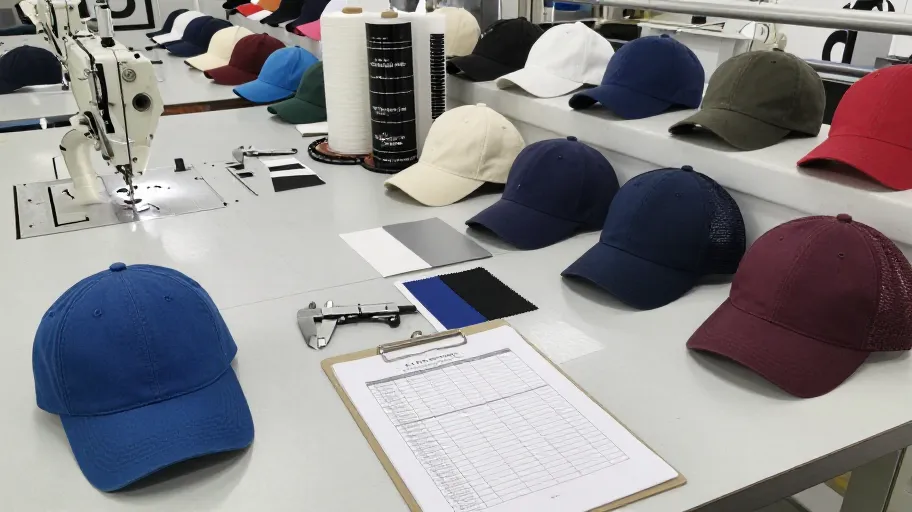
Selecting the right baseball cap manufacturer in China is less about finding the lowest bid and more about identifying a partner whose production maturity matches your brand’s quality standards. Buyers must use a structured verification process to assess factory compliance, sampling accuracy, and scalability before committing to bulk orders. To mitigate supply chain risks, procurement professionals should apply the R.A.C.E. Vetting Framework—Reliability, Authenticity, Capability, and Execution.
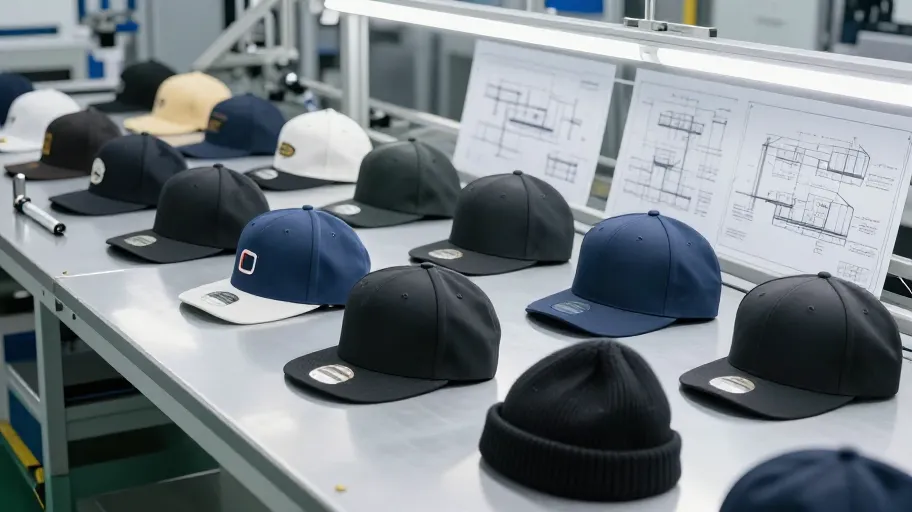
Choose a cap factory in China by testing how well it converts your brief into controlled specifications, samples and production records. Price and marketing claims are not enough. Compare suppliers using the same project brief and request evidence for the capabilities that matter to your cap style.

Why Two Identical-Looking Caps Can Determine a Brand's Survival
In August 2023, a streetwear founder from Austin, Texas, reached out to me late in the evening. A major department store retail buyer had just canceled a 30,000-unit custom dad hat purchase order. The issue wasn't the stitch quality or the visual branding—a third-party compliance audit revealed that the manufacturer had let their WRAP certification expire. Without active documentation, the retailer's compliance policy barred the inventory from their shelves. Eighteen months of procurement relationship building evaporated over a paperwork oversight from their previous cap factory.
This scenario underscores a critical reality in modern apparel sourcing: evaluating a cap factory goes far beyond analyzing physical samples and FOB pricing. It requires an assessment of their compliance infrastructure and long-term operational stability.
Having managed headwear production logistics since 2008—when New Generation operated as a localized cut-and-sew facility near Shanghai—I have monitored the shifting patterns of growing e-commerce brands. While many founders prioritize fabric weight and detailed embroidery vectors, they frequently overlook the backend compliance framework. Moving into 2026, this lack of structural vetting represents an acute threat to supply chain continuity.
Three Critical Blind Spots in Modern Headwear Sourcing Checklist
Standard manufacturing negotiations often rely on outdated criteria: basic MOQs, unit costs, and general lead times. For competitive headwear brands looking to scale, these metrics represent the bare minimum rather than a comprehensive risk-mitigation strategy.
1. Social Compliance as a Prerequisite for Retail Channels
Since late 2024, tier-one global retailers have strictly enforced mandatory annual social compliance audits for all headwear and apparel suppliers. Self-regulated internal policies are no longer accepted; brands must present unannounced third-party audit verifications. Working with a cap factory that lacks active BSCI, Sedex, or WRAP credentials effectively locks your brand out of institutional brick-and-mortar distribution networks.
To contextualize, a Nashville-based headwear brand we partner with recently lost a 50,000-cap retail grocery contract because their previous supplier allowed their Sedex registration to lapse by ninety days. A compliance renewal process that requires minimal operational downtime ultimately cost the brand six months of projected wholesale revenue.
2. Fabric Rigidity and the 15-Wash Degradation Standard
Pre-production prototypes finalized under controlled sample-room conditions rarely reflect mass production realities under poor quality control. When vetting a supplier, request samples that have undergone accelerated aging and industrial wash tests. An unstructured dad cap made from standard cotton twill with insufficient yarn twist may lose its structural integrity after multiple wash cycles, leading to brim distortion and crown collapse.
During a comparative durability analysis we conducted against three regional Dongguan facilities, only the optimized high-twist yarn fabric retained its original brim curvature profile within a 5% deviation tolerance after 15 industrial wash cycles. The alternative samples exhibited distinct brim breakdown by the seventh wash, turning a premium accessory into disposable merchandise within a single season.
3. Decentralized Fulfillment and Multi-3PL Split Shipments
For scaling direct-to-consumer (DTC) brands managing distributed digital ad spend across multiple regions, regional manufacturing must support decentralized logistics. Your production partner should facilitate seamless split-container shipments to multiple 3PL nodes or offer consolidated domestic warehousing options. Single-port export strategies in recent years faced severe delays and margin contraction due to unexpected maritime bottlenecks and regional transit surcharges.
In late 2024, we restructured shipping logistics for a North American client: shifting from a single regional entry port to split shipments—allocating 60% of trucker hat inventory to a Texas-based 3PL and 40% to a New Jersey hub. This operational shift reduced their average domestic transit time from 7.2 days down to 3.1 days, resulting in a 4.3% drop in delivery-related order returns during the following quarter.
The Hidden Operational Financial Pitfalls of Video-Only Vetting
Relying solely on digital showrooms or unverified video calls for supplier qualification introduces significant quality variance risks into your supply chain.
A performance apparel brand based in California contracted a 12,000-unit performance running cap run with an overseas supplier based entirely on digital presentations and desktop sampling. However, the initial approved counter-sample was hand-sewn by a senior sample technician on specialized equipment. Mass production occurred on a standard assembly line with uncalibrated machinery, causing the stitch density on the structural crown seams to drop from the approved 11 stitches per inch to 8.5 stitches per inch. Within six weeks of product launch, 22% of end consumers encountered seam separation. The brand incurred approximately $27,000 in immediate losses across customer refunds, replacement logistics, and brand equity damage.
To prevent these quality gaps, factory quality control protocols must enforce live inline inspection sign-offs directly from the active production line—not just the sampling department. This ensures that the technical specifications of the bulk run mirror the verified sample data exactly.
The Floor-Level Ergonomics Audit
A practical method to distinguish a genuine technical headwear manufacturer from an unverified trading middleman is to request a live, unedited factory floor inspection during peak operating hours. Look closely at the workspace ergonomics, such as anti-fatigue floor matting at assembly stations. Proper facility investments correlate directly with lower worker turnover rates and stable output quality. Facilities with a consistent workforce maintain significantly lower defect rates compared to factories suffering from high seasonal turnover, where error rates typically spike by 4% to 6% during peak production periods.
Procurement Frameworks and Sourcing Reality for 2026
Modern procurement strategies have evolved past aggressive per-unit price squeezing. Experienced sourcing managers prioritize total landed cost transparency and flexible capacity reservation frameworks over short-term component discounts.
In standard commercial manufacturing, requesting ultra-low MOQs without factoring in raw material constraints often leads to compromise. Minimum order quantities are determined by textile dye lot requirements. For instance, processing custom-brushed cotton twill below standard lot sizes means the supplier must either charge a significant manufacturing premium or utilize unverified deadstock fabrics with inconsistent dye matching.
When structuring your next Request for Proposal (RFQ), replace legacy sourcing terms with clear, performance-driven metrics:
| Sourcing Dimension | Legacy Sourcing Playbook | 2026 Procurement Requirement |
|---|---|---|
| Minimum Order Quantities (MOQ) | "What is your absolute lowest minimum?" | "What is the minimum dye lot requirement per fabric weight, and can we secure a 90-day rolling capacity reservation for reorders?" |
| Quality Assurance (QA) Verification | Pre-production sample approval via mail. | Live inline inspection sign-offs combined with third-party final random inspections adhering to AQL 2.5 standards or stricter. |
| Compliance Verification | Unverified verbal assurance of compliance. | Valid third-party audit documentation (WRAP/BSCI) issued within the past 18 months, verifiable via public databases. |
| Logistics and Distribution | Standard single FOB export port terms. | Split-container allocation to multi-regional 3PL hubs with a 15% domestic inventory safety buffer. |
| Payment Architecture | Standard 30/70 T/T or standard Letter of Credit. | 20% initial deposit, 30% upon verified inline sample approval, and 50% Net 15 post-Bill of Lading verification to align operational incentives. |
Implementing a structured RFQ approach helps brands minimize production defect rates. Internal tracking of brands migrating to these clear frameworks showed a consistent average decrease of 3 percentage points in quality-related customer returns over a 24-month period.
Strategic Headwear Manufacturing Trends for 2026–2028
The global industrial custom cap factory network is segmenting into two distinct operational models. On one side are high-volume automated operations engineered for mass uniform contracts and retail conglomerates. On the other are agile, vertically integrated facilities specializing in lower, flexible batches, quick-turn customization, and integrated fulfillment support for scaling premium brands. Mid-tier suppliers lacking clear compliance validation or design integration face increasing challenges from strict ESG mandates and global trade shifts.
Evolving trade regulations and de minimis policy reforms remain critical risk vectors. Potential tightening of customs exemptions requires manufacturing strategies to focus on bulk oceanic freight combined with strategic domestic 3PL storage, rather than relying entirely on individual direct-to-consumer air parcels to manage total landed cost efficiently.
Furthermore, corporate sustainability metrics are advancing beyond basic claims of recycled fiber components. Major wholesale buyers now require comprehensive environmental impact documentation, including water consumption indices, localized carbon metrics per shipping unit, and verified material circularity data. Partnering with a manufacturer capable of providing transparent Environmental Product Declarations (EPDs) will be an essential requirement for brands pitches to enterprise retail buyers.
Long-term supply chain success belongs to companies that treat their headwear manufacturing infrastructure as an essential strategic asset rather than an interchangeable procurement point. Developing deep technical transparency regarding embroidery tension tolerances, precise textile sourcing, and strict compliance validation provides the operational security necessary to scale successfully in competitive retail environments.
Most brands spend weeks arguing over a logo palette and roughly 45 minutes vetting the cap factory that will actually sew the product.…
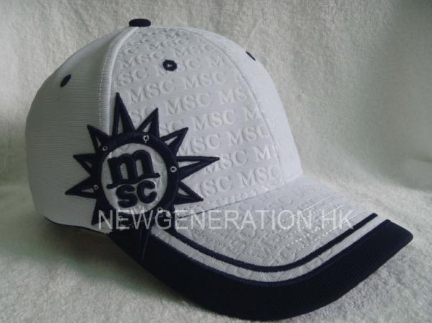
The cap manufacturing process is a complex and detailed journey, involving multiple steps to ensure the final product meets your brand's quality standards. Let's break it down.
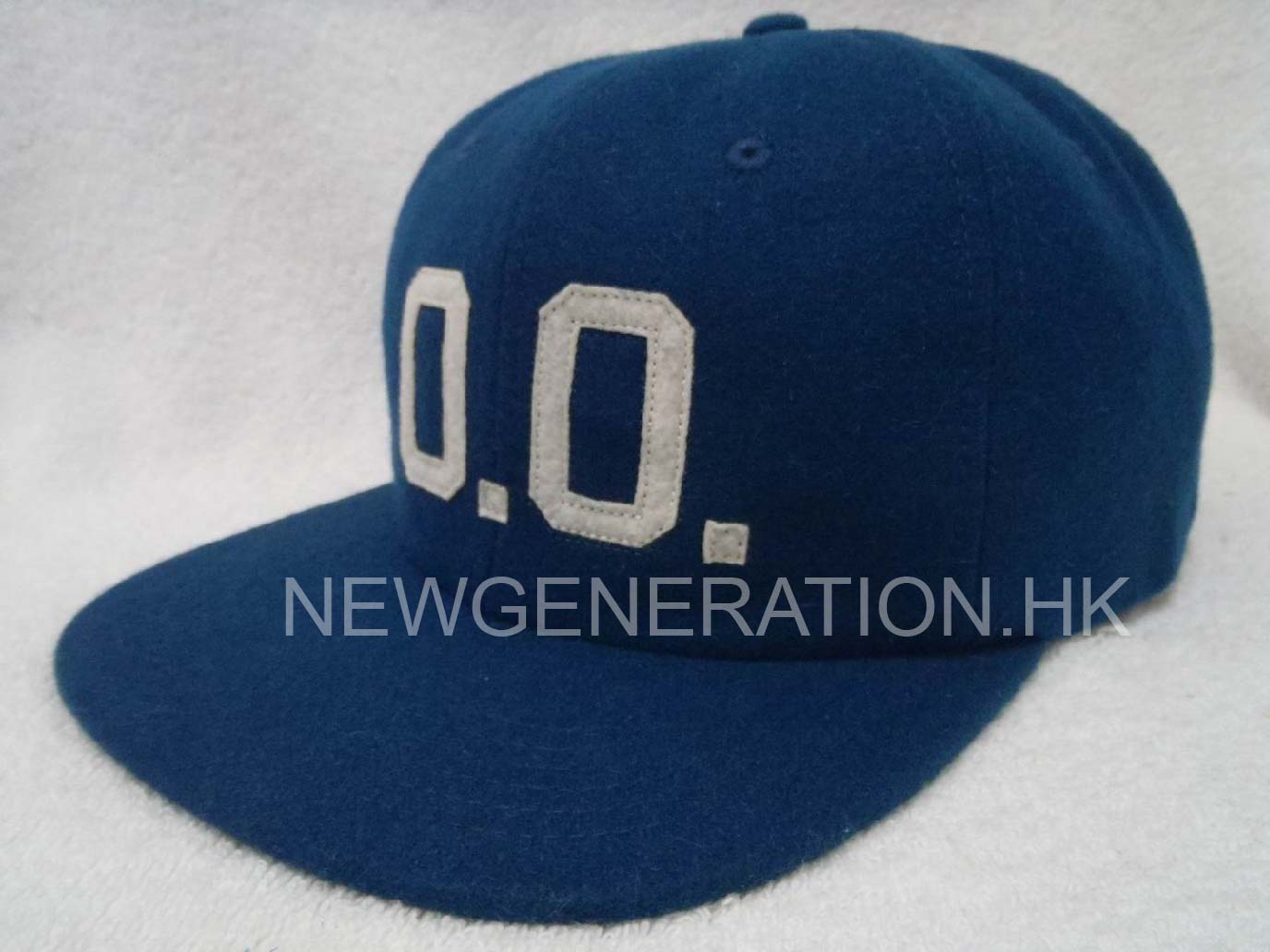
When it comes to finding the right snapback hat manufacturer or beanie manufacturer for your specific needs, there are several factors to consider.

Manufacturer websites converge on the same claims, so browsing them tells you little. Meanwhile buyers often compare on price alone, which only works if every quote was built on identical inputs — and it rarely is. The fix is to control the inputs (one shared tech pack) and compare on observable behaviour (how each supplier handles that tech pack and the sample it produces). For a deeper look at evaluating baseball cap manufacturers china, explore the full comparison framework.
The Comparison Checklist
| What to check | What good looks like |
|---|---|
| Tech pack engagement | Asks precise questions about panels, fabric, closure, decoration |
| Sample fidelity | Sample matches your artwork, colours and construction |
| Decoration range | Handles your method — embroidery, print, patch, woven |
| Inspection & reporting | Can describe what they check and how they report per batch |
| Communication | Responsive, flags problems before they reach you |
| Candour on terms | Separates confirmed facts from what needs evidence |
Every row is observable in the first exchange or the first sample — none require taking a claim on faith.
Control the Inputs
Send each manufacturer the same tech pack: same panel count, fabric, closure, colours and decoration. Comparable inputs produce comparable quotes and samples. If one supplier quotes on different assumptions, normalise before comparing, or you're measuring different things. Then rate the responses with a buyer scorecard so the comparison is structured.
Treat "China Manufacturer" Claims as Starting Points, Not Proof
Location, factory size and generic capability statements describe a starting point, not a fit for your order. Minimum quantities, lead times, certifications and capacity figures should all be confirmed against current evidence for your specific product — a supplier that distinguishes what's established from what needs confirming is giving you a comparison signal worth weighting.
Where This Fits
This method runs on the tech pack you prepare and the scorecard you score with, and it uses what a sample proves as one of its core signals. Construction choices like 5-panel vs 6-panel should be settled first so every supplier quotes the same thing.
Frequently Asked Questions
Should I pick the lowest quote among China manufacturers?
Only if the quotes share the same tech pack. A low number on loose assumptions often costs more later in rework.
How many manufacturers should I compare?
Enough to see a range of responses — often three — all working from the same tech pack so the comparison is fair.
How do I compare quality before bulk?
Judge sample fidelity against your tech pack and rate how each supplier describes their inspection. Both are verifiable before you commit.
Use a Supplier Evidence Checklist
Apply it against your shortlist, send each manufacturer the same tech pack, and score the responses — so the comparison rests on samples and behaviour, not marketing language.
Download the Supplier Evidence Checklist →
Navigating the Shenzhen Headwear Ecosystem
Shenzhen and the surrounding Guangdong region represent a dense hub of textile and headwear manufacturing. However, this density creates a complex market where "manufacturers" often include trading companies, sourcing agents, and hybrid operations. For a private label brand or an established wholesaler, the distinction between a cap factory that owns its production lines and a broker who outsources to anonymous workshops is critical. This distinction impacts everything from intellectual property protection to the ability to customize cap constructions and enforce quality standards.
When evaluating a potential partner, the primary objective is to align the supplier's capabilities with your brand's specific requirements for customization, volume, and speed. The following framework provides a structure for this assessment.
The 5-V Sourcing Model
To systematically evaluate a baseball cap manufacturer, we recommend the 5-V Sourcing Model. This framework isolates the critical vectors of a successful B2B partnership.
1. Verification: Factory vs. Trading Company
The first step is confirming the legal and physical nature of the entity. A trading company may offer lower minimum order quantities and broader product categories, but a direct factory provides greater control over production schedules and unit costs.
- Action: Request a video call tour of the production floor. Look for embroidery machines, sewing lines, and inventory of raw fabrics.
- Action: Verify business licenses to determine if the entity holds manufacturing export rights or if they rely on a third-party export agent.
2. Volume and Capacity
Does the supplier have the capacity to absorb your growth? A manufacturer suitable for a startup run of 500 units may struggle to deliver 50,000 units within a tight window.
- Action: Ask about the number of production lines and the average daily output for a standard 6-panel cap.
- Action: Discuss capacity allocation during peak seasons (e.g., Q4 holiday production) to ensure your order is not deprioritized for larger clients.
3. Value: Price vs. Total Cost
The quoted FOB price is only one component of the total cost. Value assessment must include the cost of potential rework, shipping delays, and defective goods.
- Action: Analyze the included specifications. Does the quote include standard sweatbands, specific fabric weights (e.g., heavy cotton vs. performance polyester), and specific embroidery stitch counts?
- Action: Inquire about the cost structure for prototyping and sampling. Are these fees refunded upon bulk order confirmation?
4. Visibility: Transparency and Communication
Effective sourcing requires transparency. A manufacturer that provides clear photos of raw materials, production status updates, and pre-shipment inspection reports reduces risk.
- Action: Establish a communication schedule. Determine who your primary point of contact will be and their proficiency in your business language.
- Action: Request a sample of their current quality control checklist to see if they document defects or simply passively inspect goods.
5. Validation: Compliance and Testing
For brands targeting regulated markets or specific demographics (e.g., children), compliance is non-negotiable.
- Action: Ask if the factory can produce accessories or components that meet specific safety standards (e.g., CPSIA, REACH) relevant to your destination market.
- Action: Verify their experience with third-party inspections. Are they willing to accommodate an external QC agency for pre-shipment inspections?
Decision Matrix: Choosing the Right Partner Type
Understanding the trade-offs between different supplier types is essential for aligning with your business strategy.
| Feature | Direct manufacturer | Specialized trading company | Sourcing agent |
|---|---|---|---|
| Unit cost | Generally lower (no middleman margin) | Moderate to High | Variable (often includes commission) |
| MOQ flexibility | Often higher (strict production run minimums) | Moderate (can pool orders across factories) | High (can aggregate small orders) |
| Customization | High control over materials and construction | Good, but limited by factory relationships | Limited to existing catalog options |
| Communication speed | Direct, but may be affected by time zones/language | Fast, dedicated project management | Very fast, native language support |
| IP protection | High (direct NDA with producer) | Moderate (depends on sub-contracting) | Low to Moderate (multiple touchpoints) |
| Best for | Established brands, high volume, unique designs | Growing brands, moderate volume, complex sourcing | New entrants, small batches, trial orders |
Critical Approval Questions
Before signing a contract or sending a deposit, pose these questions to the sales representative. Their answers will reveal their operational maturity.
- Production ownership: "Do you sub-contract any portion of the embroidery or sewing process, or is it all done in-house?"
- Defect management: "What is your standard protocol if a pre-shipment inspection reveals a defect rate higher than agreed upon?"
- Material sourcing: "Can you provide the bulk fabric composition certificates and color fastness test reports for the materials proposed for our project?"
- Sample timeline: "What is the exact timeline for the 'pre-production sample' versus the 'golden sample,' and how many rounds of revisions are included in your standard quote?"
- Crisis management: "If a raw material shortage occurs, what is your contingency plan to ensure our delivery dates are met?"
Frequently Asked Questions
How do I verify if a Chinese cap manufacturer is real or just a middleman?
Request a video tour of their facility specifically showing the embroidery and sewing workshops. Additionally, check their business registration details in the Chinese National Enterprise Credit Information Publicity System to see if their registered scope includes "manufacturing" or "production."
What is the typical difference in lead time between a factory and a trading company?
Direct factories often have more control over the schedule but may have rigid production slots. Trading companies may offer faster turnaround for small orders by utilizing excess capacity at various partner factories, though this can introduce variability in quality consistency.
Are sustainability certifications standard for headwear manufacturers in China?
Certifications vary significantly by factory. While some facilities possess GRS (Global Recycled Standard) or OEKO-TEX certifications, many do not unless specifically requested by the buyer. You must explicitly ask for certification copies and verify their validity.
Can I get a sample before placing a bulk order?
Yes, reputable suppliers provide samples. However, clarify if the sample cost is refundable. For custom designs, expect to pay for a "pre-production sample" which serves as the master standard for the bulk run.
What payment terms are typically expected?
Terms vary based on order volume and relationship history. New buyers should often expect a deposit structure, with the balance due before shipment or against documents. Negotiating better terms is usually possible after a proven history of successful transactions.
Download the Supplier Scorecard
Streamline your vetting process and eliminate guesswork. Use our comprehensive Supplier Scorecard to grade potential partners against the 5-V Sourcing Model. Ensure you capture every critical detail before making your sourcing decision.
Download the Supplier Scorecard →Need a second opinion on your current shortlist? Access the Quick-Start Checklist to ensure you haven't missed any red flags.
When you compare cap manufacturers in China, do not start by asking which factory sounds the most capable. Start by asking whether each supplier is answering the same brief with evidence you can review. A comparable quote, a documented sample plan, and a clear approval record reveal more than broad OEM or ODM claims.
Choosing among hat manufacturers in China is rarely about finding a factory with the boldest homepage. It is about finding a supplier whose answers can survive the next steps: a clear brief, a sample review and a controlled bulk order.
If you are comparing several manufacturers, ask each one for the same evidence. That makes the decision less dependent on sales language and more dependent on whether the project can be documented, approved and repeated.
Start with an Evidence Ladder, not a vendor list
Use this order when you evaluate a potential hat manufacturer:
- Claim: What does the supplier say it can make or manage?
- Document: What specification, material information or process note can support that claim?
- Sample: Can the requested construction, decoration and branding be reviewed on a physical sample?
- Approval record: Is there a clear way to record what was accepted, what changed and what still needs revision?
- Bulk control: Can the approved details be carried into labels, packaging and quality checks?
The ladder is useful because a polished product gallery may show visual capability, but it does not by itself tell you how a specific project will be controlled. A manufacturer does not need to have every answer at the first conversation. It does need to make unclear points visible before they become production assumptions.
Compare seven areas before you request a sample
| Comparison area | What to ask | What good evidence looks like |
|---|---|---|
| Product fit | Which cap construction is closest to my reference? | The supplier explains the relevant panels, closure, brim, fabric and decoration questions. |
| Brief quality | What information is missing from my request? | The supplier asks clarifying questions rather than filling gaps with assumptions. |
| Decoration | How will logo size, position and backing be confirmed? | A written placement reference or sample review point. |
| Materials | What needs to be specified before pricing is comparable? | Fabric, colour, trims, label and packaging questions are separated clearly. |
| Sample process | What will be reviewed before bulk approval? | A sample checklist with visible acceptance points. |
| Communication | Who records changes and approvals? | One revision trail, named contact and written recap. |
| Bulk handoff | What approved information follows the order? | A final approved specification and a quality / packaging reference. |
This is not a universal factory ranking. It is a way to make competing quotations comparable. If one supplier prices a structured six-panel cap with embroidery and another prices an undefined "custom cap," the cheaper quote may simply describe a different project.
Run a fair sample comparison
Avoid sending different messages to every supplier. Prepare one short brief and send it unchanged to the shortlist. Include:
- reference images and the style you are trying to achieve;
- intended cap type and any non-negotiable construction details;
- logo artwork and decoration preference, if known;
- labels, packaging or private-label requirements;
- target market and any documents you need to discuss;
- the decisions you need the sample to answer.
Then review samples using the same checklist. Look at silhouette, material feel, stitching, decoration placement, label position and packaging assumptions. If you find a difference, record it as a specific revision. "Make it better" is not an approval instruction; "move the embroidery 5 mm lower on the front panel, subject to final artwork confirmation" is closer to one.
Treat red flags as questions to resolve
A missing answer is not proof that a supplier is unsuitable. It is a prompt to ask a better question. For example:
- If a quote has no material detail, ask what fabric and trim assumptions it uses.
- If "free sample" appears in a conversation, ask what is included, what is refundable, and what must be approved before bulk production. Do not assume a policy from a phrase.
- If a supplier mentions a certification or test, ask for the current document and the product scope it covers.
- If a delivery date is discussed, ask what approvals, materials and shipping assumptions that date depends on.
This approach protects both sides. The buyer gets a clearer decision record; the supplier gets a brief it can actually execute.
A practical next step
Before you request a quotation, create a one-page supplier comparison sheet. Give every candidate the same columns: product fit, missing brief information, sample review points, approval owner and follow-up date. You will quickly see which conversations create evidence and which rely only on reassurance.
Primary CTA: Get the Supplier Evidence Scorecard
Use the scorecard to prepare a comparable enquiry. If you already have references, logo artwork or a tech pack, attach them so the first discussion can focus on the decisions that affect the sample.
FAQ
Is the best hat manufacturer in China always the largest factory?
Not necessarily. The better fit is the supplier that can document the product you need, identify missing decisions and support a clear sample-to-bulk approval process. Factory size alone does not answer those project questions.
What should I compare besides price?
Compare what each quotation assumes, the sample review process, the documentation around materials and decoration, communication ownership and how approved details move into bulk production.
Should I ask for a sample before choosing a manufacturer?
A sample is often useful when the construction, decoration or material decision is important. Agree what the sample is meant to prove and how revisions will be recorded before treating it as an approval point.
Finding the best hat manufacturers in China requires moving past polished websites and sales promises. For procurement professionals, the true measure of a partner lies not in their marketing brochure, but in their operational transparency and process control. To mitigate risk and ensure quality, you must adopt a forensic approach to sourcing, treating every claim as a hypothesis that requires verification through structured questioning and documentation.
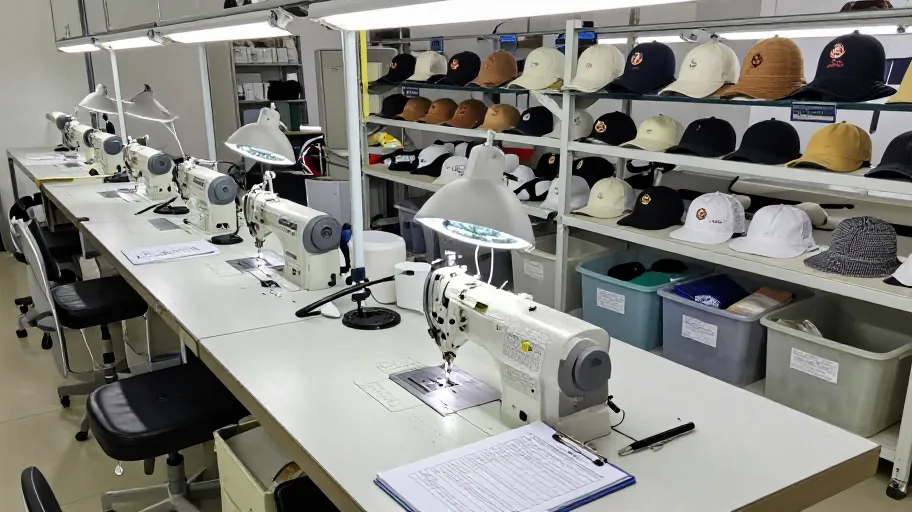
For procurement professionals, identifying the best hat manufacturers in China requires looking past polished websites and sales brochures. To truly assess a supplier’s capability, you must implement a verification strategy that validates infrastructure, quality control processes, and supply chain traceability. This article introduces the "Factory Reality Audit Framework," a methodology designed to help you compare manufacturers based on verifiable operational evidence rather than marketing assertions.
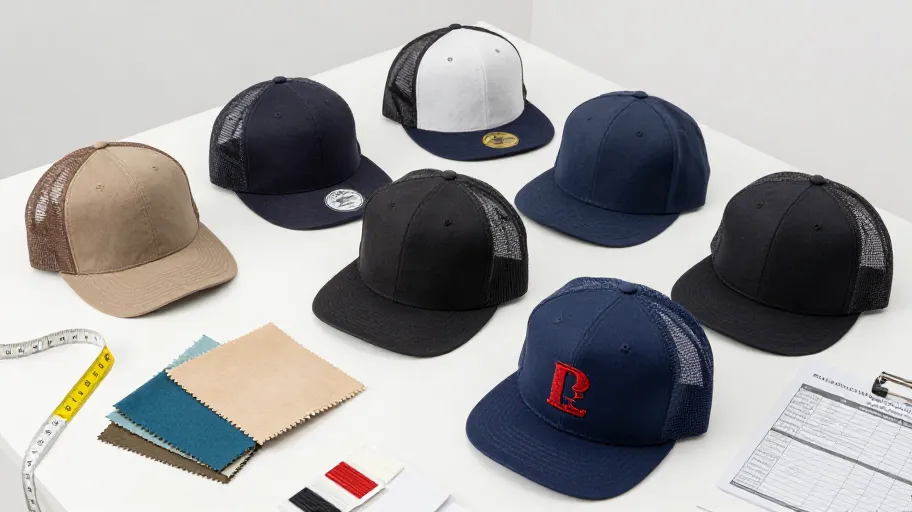
Your design team has just submitted what should be the final artwork for your new line of customized hats - only to discover that your cap manufacturer has interpreted your crisp vector files as mere "suggestions." The colors are off, the stitching looks like abstract art, and your production timeline is suddenly measured in geological eras.
Evaluating baseball cap manufacturers in China for a wholesale private-label project means verifying three things before any deposit: capability (can they build your specific cap construction), accountability (who answers when something goes wrong), and process control (how quality is locked between sample approval and mass production). Compare at least three suppliers against identical written criteria, document every answer, and approve each stage — RFI, sampling, pre-production, and shipment — with evidence rather than promises.
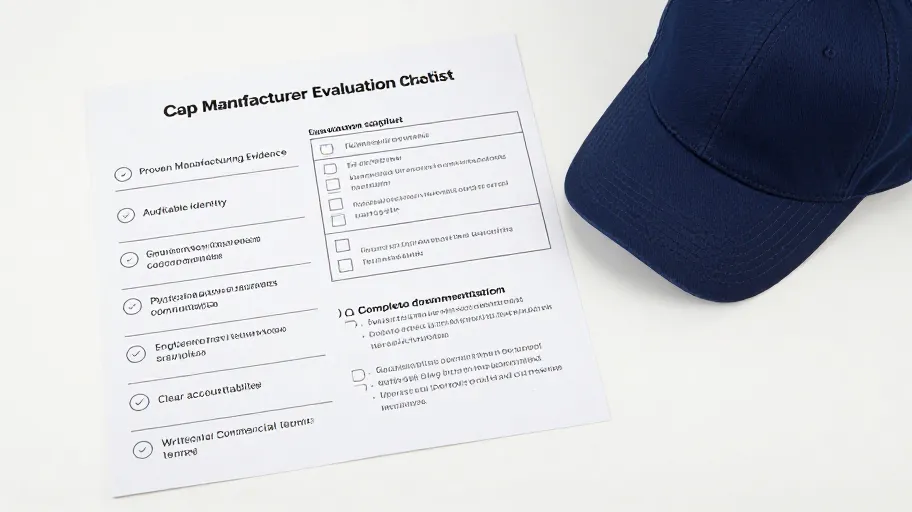
Shortlisting baseball cap manufacturers for a private-label project comes down to verifying eight things in order: proven manufacturing evidence, an auditable identity, genuine product engineering competence, physical samples you approve, engineering-level communication, clear accountability, complete documentation, and written commercial terms. Use a structured framework, score every candidate identically, and confirm each commercial term in writing before any deposit.
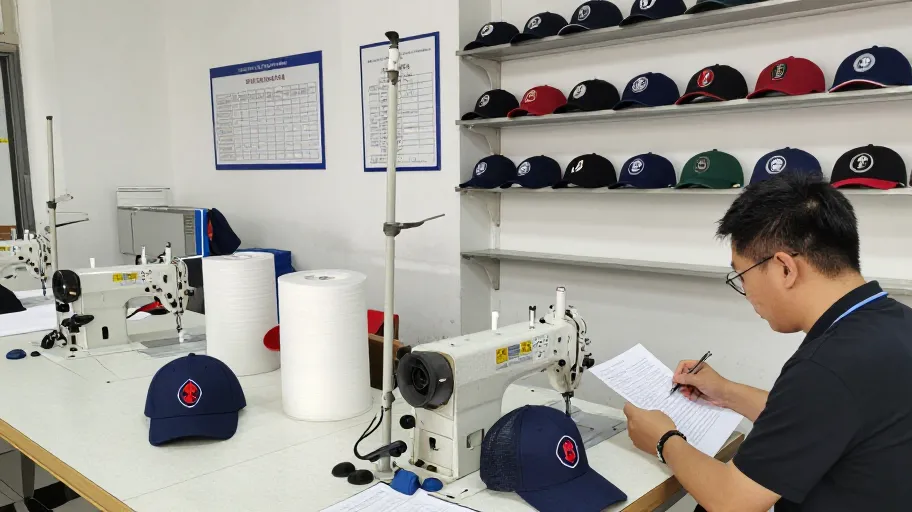
To evaluate baseball cap manufacturers in China, verify evidence rather than accept claims: confirm business licences, request documentation of production capability, agree written quality standards and approval gates, and test responsiveness with specific questions before committing to sampling or tooling. A disciplined framework beats a fast decision.
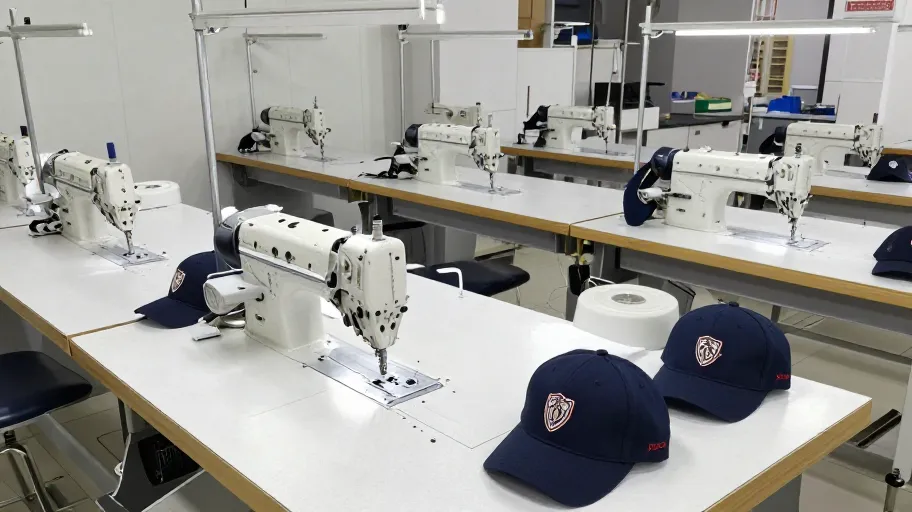
Search results for the “best cap manufacturers China” can only show you who markets well. To find the right partner for a private-label headwear programme, use the Verify–Compare–Document (VCD) framework: verify each factory’s capability with evidence, compare candidates against your own weighted criteria, and document every agreed term before the first purchase order. That process, not a ranking, defines “best” for your project.
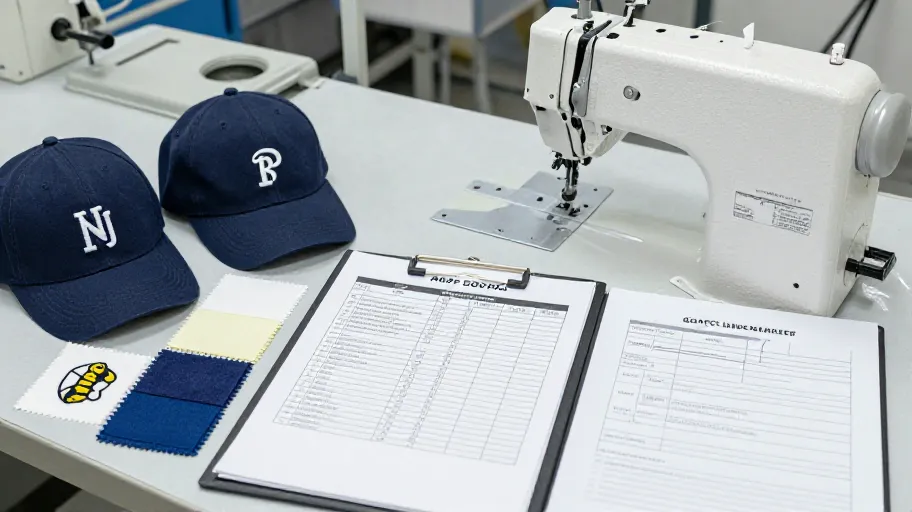
The best cap manufacturers for a private-label project are the ones whose claims you can verify in writing: documented manufacturing capability, a defined sample-approval process, clear ownership of errors, and consistent communication. Evaluate candidates with a structured framework — not a brochure — and score each factory on evidence before you commit volume.
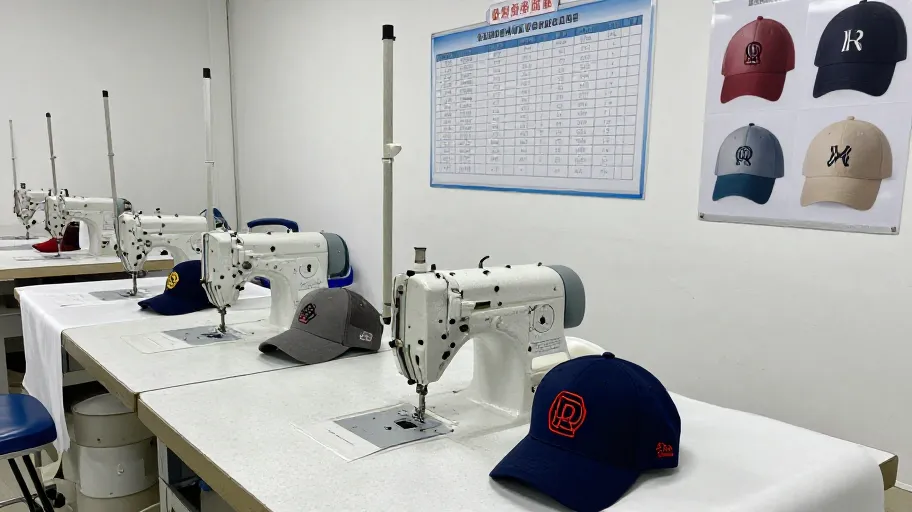
Shortlisting the best cap manufacturers in China comes down to evidence, not marketing. Screen each supplier against a repeatable framework — capability, options, responsibility and documented proof — then verify every policy in writing before approving production. The supplier that answers precisely, documents clearly and confirms terms directly is the one worth shortlisting.





