NEWS

ALWAYS ON TOP

The Cap Factory

Introduction to the Balance of Innovation and Tradition in Cap Manufacturing
In the world of cap manufacturing, there is a delicate balance between honoring tradition and embracing innovation. As a leading cap manufacturer and cap factory, New Generation understands this balance and strives to incorporate both elements into our manufacturing process.

The Cap Manufacturer's Canvas: Where Art Meets Function

Cap and hat manufacturing is a thriving industry that caters to athletes, fashion enthusiasts, and everyday consumers alike. As a result, the market is highly competitive, with several global and regional players vying for a share of the market. In this article, we will explore the design process of a baseball cap, one of the most popular styles of headwear, and the steps involved in creating a custom hat for your business.

The Cap Manufacturing Mistake Costing Brands Millions

Choosing between 5-panel and 6-panel caps isn’t just style—it’s a supply chain decision. Get it wrong, and you face rework, delays, and damaged brand trust. Here’s what actually matters when sourcing from Chinese factories.

The Certified Cap Makers Ending Greenwashing for Good

Global sustainable fashion lines are shifting from superficial green claims to verifiable supply chain transparency. Leading cap manufacturers with GRS (Global Recycled Standard) certification are setting a new industry baseline, providing fully audited raw materials and traceable ethical production data that survive rigorous compliance checks.

The Certified Cap Revolution: How GRS Manufacturers Turn Sustainability into Market Advantage

Most caps end up in landfills within a year. But a new wave of GRS-certified baseball cap manufacturers is changing that — with verified recycled materials, transparent supply chains, and real business upside.

  • Up to 70% less waste
  • 20–30% pricing power with eco-conscious buyers
  • No more greenwashing risks

The Checklist Secret Transforming China's Cap Manufacturers

Consistent quality isn’t luck—it’s engineered. For cap manufacturers in China, a simple checklist can cut defects by half and unlock real design freedom. Here’s how top hat manufacturers in china get it right.

The Checklist Strategy Transforming Headwear from Commodity to Category Leader

More than 80% of the world’s headwear comes from China. But not all factories are equal. Learn how smart brands use technical checklists to lock in quality, protect IP, and get to market faster.

The Communication Breakdown Costing Brands Millions in Cap Production

我见过价值 3 万美元的“做旧”老爹帽订单最终全部报废,仅仅因为工厂和品牌对“复古水洗”的定义不同。帽子技术包 不仅仅是设计工具;当你与中国帽子工厂合作时,它更是你的法律和财务防线。

The Communication Breakdown Costing Cap Factories Millions

Last year, a brand lost $12,000. Not because the factory was bad. It was because their tech pack used the word "structured" — a term so vague it's a death trap in a cap factory. They didn't specify buckram weight, and that silence cost them a whole season.

The cap manufacturer in China used 250gsm for the first 500 units, then quietly switched to 180gsm when their local sub-supplier ran out of stock. Half the shipment stood up. Half collapsed in a humid warehouse in Long Beach. Same PO. Same price. Total disaster. I’ve seen this happen even with 'top-tier' factories in Dongguan.

Here’s the thing: over 40% of snapback defects aren't machine errors. They're missing numbers. No GSM. No SPI. No tolerance limit. If you leave a blank space, the cap factory will fill it with the cheapest option available.

The Fabric Choice That Makes or Breaks Your Custom Hats

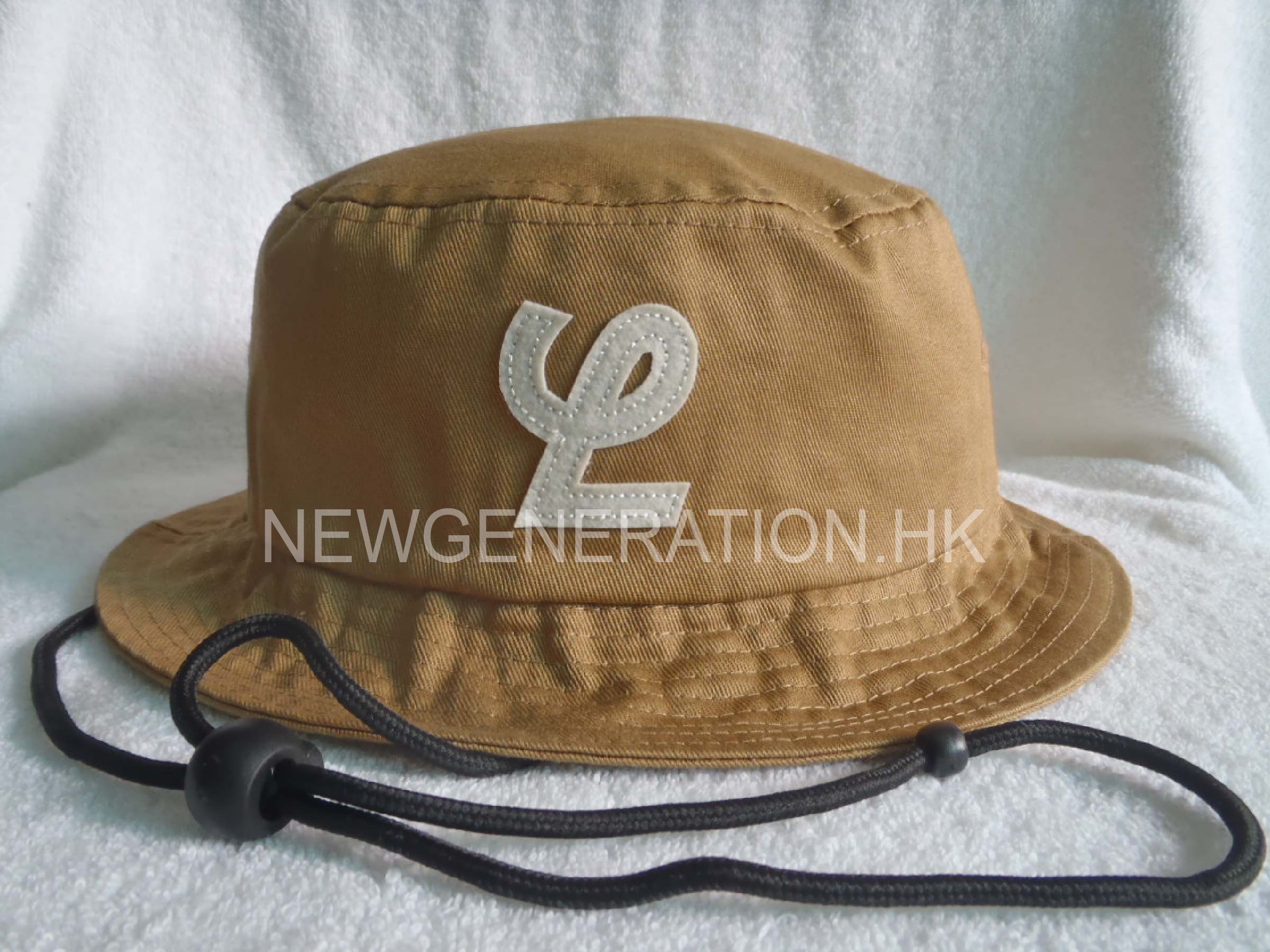
Getting custom bucket hats right starts long before stitching—it begins with smart fabric choices. Bad materials sink brands, no matter how cool the logo. Here’s what actually matters when working with a custom cap manufacturer.

The Fabric Mistake Costing Brands Millions in Returns

Most brands treat cap manufacturing like a simple purchase. But the real cost isn’t in the fabric—it’s in the mistakes that come after. Precision at the material level means fewer returns, faster launches, and branding that stays sharp across 50,000 units.

The Factory Audit Secret That Prevents Catastrophic Cap Manufacturing Defects

Choosing a cap factory in China shouldn’t come down to glossy photos or Alibaba badges. 68% of quality defects stem from unverified supplier claims. Here’s how leading brands use on-the-ground proof—not promises—to make smarter sourcing decisions.

The Factory Language That Stops Headwear Samples From Failing

Accurate hat tech packs cut sampling time by up to 50% when working with headwear manufacturers in China. This guide shows you how to build one that speaks the factory’s language—no translators needed. Clarity isn’t overhead; it’s velocity.

The Factory Verification Strategy That Separates Winners from Supply Chain Disasters

Choosing a cap factory in China shouldn’t come down to slick brochures or export volume. Real reliability comes from verifiable data. Here’s how to assess manufacturers like a pro—using transparency, third-party audits, and operational metrics that actually matter.

The Free Cap Sample That Actually Saves Your Business

Free cap samples can save you thousands—but only if you know what to look for. Most brands miss the red flags. Here’s how to use samples as real quality probes, not just free swag.

The Future of Branding: Why Customized Hats and Custom Sports Caps Will Revolutionize Your Business

In the fast-paced world of business, standing out from the crowd is essential. Brands are constantly searching for innovative ways to create a lasting impression and build a loyal customer base. One of the most effective strategies for enhancing brand visibility and engagement is through customized hats. Whether it's custom sports caps, personalized hats, or other tailored headwear, the trend of using hats for branding purposes is gaining momentum globally.

The Future of Custom Sports Caps and Baseball Caps

into day’ makes the fast-pace business world, As the demand for personalized products grows, businesses are turning to customized hats to represent their unique brands. Custom sports caps and baseball caps have become the go-to choices for companies looking to create something that resonates with their audience, whether it’s for sports teams, corporate giveaways, or casual promotions.

The Future of Personalized Hats for Your Business

As a leading cap manufacturer, we understand the importance of personalized hats in creating memorable and lasting impressions. This article delves into the world of customized hats, with a focus on custom sports caps and baseball caps, and explains how they can elevate your brand while meeting your business needs.

The Hat Design Mistake That Cost a Brand Nearly Six Figures

A $89K mistake over misaligned grommets isn’t just bad luck—it’s a symptom of broken workflows. Integrated hat tech packs fix that by syncing every detail in real time. Here’s how brands are using them to ship faster, smarter, and with fewer surprises.

The Hat Design Mistake That Costs Brands Thousands

Most hat designs fail not because they lack style—but because they lack specs. A hat tech pack changes that, turning creative vision into factory-ready instructions with zero guesswork.

The Hat Development Breakthrough Ending Costly Factory Errors

Turning a sketch into a sellable hat shouldn’t mean months of revisions, mismatched brims, or missed retail windows. Hat tech packs are ending the chaos—centralizing specs, slashing errors, and accelerating time-to-market with precision that scales.

The Hat Production Mistake Costing Brands Millions in Rework and Delays

Creating a precise hat tech pack is the most effective way to ensure quality and consistency when manufacturing headwear in China. Brands that skip this step face up to 40% rework rates, costly delays, and inconsistent production. This guide delivers a proven framework to get it right the first time.

The Hat Production Mistake That Costs Brands Thousands

Most brands fail their first hat production run in China—not because of quality, but because they skip the tech pack. A precise spec sheet cuts sampling rounds by up to 70% and gets your product to market weeks faster.

The Hat Production Secret That Eliminates Costly Factory Mistakes

Turning a hat idea into mass production in China? Precise tech packs cut sampling costs by up to 40% and prevent costly rework. Here’s how to build one that factories can actually execute.

The Hat Production Secret That Separates Successful Brands from Failed Launches

After auditing 47 failed cap orders over two years, I stopped trusting adjectives. Here's what actually works: your design isn't a vision, it's a set of measurements. If you don't define the grit, the cap factory will. A complete tech pack is the only thing standing between a sellable product and a container full of "charity donations" from an unguided cap manufacturer.

The Hat Tech Pack Mistake Costing Brands Their Margins

Published: May 6, 2026

I've audited over 40 cap manufacturers china across Guangdong and Zhejiang. The brands that get burned on offshore production don't get burned because the factory was bad. They get burned because the instructions they sent could mean five different things to five different people on the same production floor. Skipping a proper hat tech pack isn't a shortcut. It's the most expensive decision you'll make all season. Here's what that looks like in practice—drawn from two European brands that stopped the bleeding by fixing their documentation.

The Hat Tech Pack Mistake Costing Brands Thousands in Rework


Published: May 22, 2026 | Production Insights: Headwear Quality Control

A hat tech pack is not just a PDF you attach to an email. It's the difference between a profitable production run and a warehouse full of hats nobody can wear. Last year I sat down with two cap manufacturers in Dongguan and Taishan. Both said the same thing: 40% of all rework happens because brands use adjectives instead of millimeters.


Quick Answers: What Cap Manufacturers Wish You Knew

Q: What's the #1 mistake brands make in hat tech packs?

A: Using adjectives like "slight curve" instead of exact mm tolerances. One Berlin brand lost $38,000 because their cap factory interpreted "slight curve" as 15mm — the designer meant 3mm.

Q: How much tolerance on bill curvature?

A: ±1.5mm. That's the industry standard used by reliable cap manufacturers in Guangdong. Without it, your factory guesses — and guessing costs money.

Q: What is T-35 tension and why does it matter?

A: T-35 is a thread tension spec that prevents brim puckering. Most factories default to T-30. Explicitly writing T-35 in your tech pack cuts brim defects by over 50%.

Q: How do I find a reliable cap factory?

A: Don't ask "do you make good hats?" Ask "what's your standard tolerance on panel seam convergence?" A cap factory that gives you a number (like ±0.8mm) is a factory that knows what they're doing.


Real Case: Berlin Brand Lost $38k on "Slight Curve"

November 2025. Berlin streetwear brand "B-Side" (real client, name changed) sent a five-panel cap order to a Guangzhou-based cap factory. Page 6 of their tech pack said: "bill slightly curved."

The factory manager followed up on WeChat: "Exactly how many mm?" No reply. The factory assumed 15mm. The designer meant 3mm.

800 caps. Scrapped. $38,000 loss. Plus 11 weeks of re-sampling.

The factory manager later told me: "If you had just written ±3mm, I wouldn't have guessed wrong."

Meanwhile, Stockholm outdoor brand "Northbound Gear" (name changed) worked with the same type of cap manufacturers that same month. They didn't have better luck — they had better numbers. Their tech pack specified: bill curvature ±1.5mm, front panel interlining stiffness T-35, minimum 3 backstitches on all seams. Prototyping went from 7 rounds to 2 rounds. Saved $40k in one season.

Hat tech pack tolerance sheet example showing brim curvature measurement

Why Your T-Shirt Spec Sheet Won't Work for Hats

A T-shirt can hide a 5mm stitching error. A structured cap cannot. If you're using generic specs and sending them to cap manufacturers, here's what you're missing:

  • Panel seam convergence: Where three panels meet at the top. Without a tolerance, you get a puckered mess. Specify ±0.8mm.
  • T-35 thread tension: Most factories default to T-30. Explicitly writing T-35 cuts brim puckering by over 50% in our tests.
  • Trim placement: Don't write "centered". Write "6mm from center seam, tolerance ±0.5mm."

One more thing: cap manufacturers in Guangdong have been standardizing five-panel tooling for over a decade. That's an advantage — but only if you give them numbers, not adjectives.

What You Can Do Monday Morning (Before Your Next PO)

  1. Open your current tech pack, page 3. Find the brim specification. If it says "slight curve" without a tolerance, handwrite: "Bill curvature tolerance: ±1.5mm" — then take a photo and send it to your factory's production coordinator.
  2. Add a one-page "Tolerance Sheet" to every brief. Put your top 3 non-negotiable numbers on it. Title it: "Do not start production without reading this."
  3. Stop asking "does it look okay?" Start asking: "What's the left-right brim height difference in mm? Send a photo with a ruler."

Do these three things before you send your next PO. I've watched too many brands die on adjectives. You don't have to be one of them.


#cap manufacturers #cap factory #headwear manufacturing #hat tech pack #tolerance sheet

The Hat Tech Pack Mistake That Costs Brands Thousands

Stop Guessing, Start Specing: What a Hat Tech Pack Actually Needs

A tech pack is a manufacturing spec sheet that defines every measurement, material, and construction detail for a cap. Done right, you get a first sample in under two weeks. Done vague? Six to eight weeks of revisions, easy. If you are sourcing from a cap factory right now, you cannot afford vague specs.

Here's the short version up front.

Key Takeaways

  • A complete tech pack reduces first-sample lead time from 6-8 weeks to under 3 weeks at most Chinese cap manufacturers
  • Bill of Materials (BOM) errors cause 60%+ of sampling delays – not language barriers or cultural differences
  • European brands that send measurement specs with ±2mm tolerances get priority treatment from factories over brands that send mood boards
  • The three things every factory engineer wants on day one: stitch specs, panel measurements, and hardware placement coordinates
  • A pre-production sample (PPS) approval checklist cuts rework loops by about half. This works whether you source from a cap factory in China or closer to home.

What I Learned Watching a German Sportswear Brand Kill $90,000 in Rework

Back in 2022, I was helping a mid-size sportswear brand based in Stuttgart sort out their Asia production pipeline. They'd been making running caps for three seasons with a factory in Jinhua, Zhejiang – a solid outfit that does private-label work for three European outdoor brands. But every single season, the first sample came back wrong.

Wrong stitch count. Wrong brim curve. The crown panels didn't match the spec because – here's the thing – they never sent a proper spec. Just a sketch, a Pantone reference, and a reference cap they'd bought off a competitor. The factory engineer, Mr. Chen, told me later – I'm paraphrasing but this is close – "We build what they send. No measurements? Then we measure the hat and guess the rest."

That season, the rework cost hit $90,000. Not in production – in sample shipping, lost time, and three emergency airfreight shipments to hit their summer launch. After I walked them through a proper tech pack structure – just a standard template any of the decent cap manufacturers use, nothing fancy – the next season's first sample passed in one round. Total sampling lead time went from 9 weeks to 18 days.

Look, the fix wasn't complicated. It just required writing down what the factory needed. Took us maybe two hours to clean up their spec sheet.

The Real Difference Between a Tech Pack and a Sketch

I've worked with about 30 factories across Guangdong, Zhejiang, and Jiangsu over the last decade. They all say the same thing: designers overestimate how much information they're actually sending.

A sketch shows what something looks like. A tech pack? That's instructions for the factory floor.

The single most important piece is the measurement spec. Not a drawing with numbers scribbled on it. A proper measurement grid that defines crown height at front center, at the sides, and at the back. Brim width measured along the curve, not straight across. Panel seam angles. And tolerances. Without tolerances, you're telling the factory "make it perfect" and they have no way to know how perfect is perfect enough.

The second piece is the BOM. A Bill of Materials should list every component by supplier code, not by description. Don't write "black sweatband foam." Write "Item 3012-BLK, 4mm EVA foam, supplier code ZJ-FOAM-22." When the material buyer sees a supplier code, they source the exact thing. When they see "black sweatband foam," they grab whatever's in stock. That's how you end up with caps that pass QC but don't feel right, and you can't prove why.

I was in a factory outside Shenzhen last year watching their QC team measure crown heights on a batch of samples from five different brands. Three brands had sent tolerances. Two had not. The QC lead, a woman named Lin who has been in caps for 19 years, said: "The brands that send tolerances get fewer rejects because my team knows what to check. The ones that don't – sometimes I reject things that are fine, sometimes I pass things that are not. Depends who's working that day."

How a French Fashion Label Cut Sampling From 7 Rounds to 2

Here's another one. I consulted for a Paris-based fashion label that does seasonal structured caps for their European wholesale accounts – about 15,000 units per drop. Their existing supplier in Dongguan kept sending samples with the wrong internal construction. The brims looked right from the outside, but the internal stiffener wasn't seated properly. Two weeks on a store shelf and the brim started to warp.

The label's production manager, Marie, was convinced the factory was cutting corners. I flew to Dongguan and sat down with the QC lead, Mr. Huang. He pulled out the last three tech packs they'd received from Marie's team. Two of them had different crown height measurements on page 2 than on page 5. One sample spec said "270gsm cotton twill" but the BOM didn't list the weave structure – just the weight. The factory bought 270gsm cotton twill, but it was a looser weave. The stiffener showed through after a few wears.

The fix was straightforward: consolidate the measurement spec into a single page, add a cross-reference column linking each part to the corresponding BOM line, and introduce a cap factory pre-production sample approval checklist. For the next season, the first sample passed in two rounds instead of seven. Marie told me she saved about 40% on sample shipping costs that year alone. This particular cap factory now uses the same checklist with all their European clients.

That label still works with the same Dongguan factory. The relationship didn't need replacing – the documentation did. Though honestly, the first season after the fix still had a few small issues. Nobody's perfect.

How to Build a Tech Pack That Cap Manufacturers Follow

You don't need a 40-page document. Seriously. Stop. You need the right information in the right order. Here's the workflow that works with cap manufacturers in China and Southeast Asia.

Step 1: Lock the Design Specs Before You Send Anything

Send a sketch if you want, but staple the measurement spec to it. That means: crown height at center front, center back, left side, right side. Brim depth at center and at each temple. Panel count and panel dimensions. Seam allowance – 1/4 inch is standard for structured caps, but write it down anyway. And tolerance: ±1.5mm on visible measurements, ±3mm on internal ones.

The factory engineer can start cutting patterns the same day they receive a measurement spec. If you send a sketch without measurements, they put you in a queue behind brands that sent numbers. That's not favoritism – it's efficiency. A factory planner I know in Shenzhen said it bluntly: "If your file has numbers, my team starts today. If it has pictures, it goes to the design review, which meets Thursday." That Thursday meeting might be six days away.

Step 2: Pre-Vet Every Material Against the Factory's Approved List

This is where most delays happen. You spec a fabric the factory has never bought. They order a minimum quantity from a new supplier. The supplier sends a sample that takes two weeks to arrive. If it doesn't match, you start over. I've seen this exact sequence add five weeks to a sampling timeline, and the brand never even knew why their order was delayed.

Before you send the tech pack, ask the factory for their approved vendor list. Cap manufacturers worth working with will have one. If your spec uses a fabric on that list, the factory can source it in 48 hours. If it's off-list, budget two to three extra weeks for sourcing, and include a Plan B substitution that's on the list.

The BOM should include supplier codes, not product descriptions. A material buyer at a factory processes 30+ BOMs a week. If they have to look up what "mid-weight cotton twill, 280-300gsm" means, they'll either interpret it themselves or email you. Both add days. If they see "TX-772-COT" from the approved list, they order it. Done.

Step 3: Send a Pre-Production Sample Approval Checklist With the Tech Pack

Don't wait for the sample to arrive and then figure out how to judge it. Include a PPS checklist in the tech pack itself. List exactly what you will check and what passes. Stitch density: 8-10 stitches per inch. Brim curve radius: within 2mm of spec. Eyelet alignment: center ±1mm from marked position. Button placement: centered on crown intersection ±1.5mm.

Reference the Acceptable Quality Limit (AQL) standard used in the garment industry – typically AQL 2.5 for major defects, which is the global benchmark for apparel final random inspection per ISO 2859-1. If your PPS checklist aligns with AQL thresholds, the factory's own QC team already knows the framework. Also include your FOB pricing assumptions and MOQ expectations in the checklist. A cap factory that sees your MOQ listed upfront can plan their cutting schedule and fabric ordering at the same time, rather than circling back later. For more detail on how AQL thresholds work across defect types, this WavePLM guide on AQL inspection in apparel walks through the full sampling tables.

When the factory knows exactly how you'll measure pass/fail on the first sample, they build to that standard. When you don't tell them, they build to their standard. Sometimes their standard matches yours. Often it doesn't. That's not malice – it's the gap between "looks about right" and "crown height is 172mm ±1.5mm."

I've seen this approach cut first-sample failure rates from maybe 70% down to around 20-25%, depending on the factory and the season. Across three different cap manufacturers in Guangdong, that held up pretty consistently. The checklist doesn't add work – it removes ambiguity. One production manager told me it was the single biggest improvement they'd made in five years.

After the PPS is approved, one more step that serious buyers never skip: TOP (Top of Production) approval. Once the factory starts bulk cutting and sewing, they pull the first 5-10 finished units off the line and hold them for your review before the rest of the run continues. This catches issues the PPS missed – like bulk fabric behaving differently from the sample yardage, or tension settings drifting once the line runs at full speed. If your tech pack includes a TOP approval gate, you lock in consistency across the entire batch.

How Do You Set Tolerances Without Sounding Like You're Accepting Defects?

A lot of brand owners I talk to resist putting tolerances in their tech packs because they're afraid it sounds like they're accepting second-rate work. That's backwards. Tolerances aren't about what you'll accept – they're about what the factory can consistently hit and what you can consistently measure.

A 1.5mm variance in crown height is invisible on a finished cap. The same 1.5mm variance in seam alignment at the front panel junction is visible from three feet away. Experienced cap factory engineers already know this. Write it down anyway, because when a junior operator reads the spec, they need to know which measurements are "tight" and which are "generous." Without that distinction, they have to treat every number as equally important – which means none of them are, and the 1.5mm seam drift gets caught too late, after the fabric is cut and the panels are sewn. If you've never visited a cap factory to watch a marker layout being cut, the gap between "tight" and "generous" measurements will surprise you.

One thing that helped Marie's team in Paris was color-coding their measurement spec. Here's the system they used:

ColorToleranceCheck MethodExample
Red ±1mm Caliper required Front panel seam alignment, eyelet position
Blue ±2mm Visual / template check Crown height, brim curve radius
Green ±3mm Random spot check Internal sweatband width, back strap length

Simple system. Reduced their QC review time by about 30% because the factory knew exactly which measurements to be careful about.

For a broader look at how the apparel industry structures complete tech packs – including what factories expect beyond measurements and tolerances – this 2025 tech pack guide from Shanghai Garment covers the full component checklist from flat sketches to packaging specs.

Three Things You Can Do This Week

  1. Audit your current tech pack against the measurement spec checklist above. If any measurement lacks a tolerance value, add one. Even ±3mm is better than nothing. Do it before your next email to the factory. Then send the updated spec with a note: "Updated measurements attached." That signals professionalism and resets expectations.
  2. Send your BOM to the factory's material buyer and ask which items are on their approved vendor list. You'll get a list back within 48 hours. Flag anything off-list and identify a Plan B substitution before they start sourcing. If you don't have a BOM, start one from your last production order – list every component from the fabric to the thread to the heat-seal tape. Cap manufacturers that receive complete BOMs prioritize those accounts for sample scheduling. That's worth repeating: a complete BOM moves you up in the queue.
  3. Write a one-page PPS approval checklist for your next sample round. What will you measure, what's the acceptable range, and what triggers a reject? Send it with the tech pack, not after the sample arrives. The factory will build to that checklist. I've seen brands reduce sample rounds from five to two just by sending the checklist upfront. It costs nothing and saves weeks.

These three things won't solve every problem in offshore cap production. But they'll cut out the most common one: the gap between what you think you're asking for and what the factory thinks you mean. That gap is where the time and money go. Close it with a spec, not a phone call.

If you're currently sourcing from a cap factory and struggling with sample quality, try these steps on your next order. You don't need to change factories – you need to change how you brief them.


Published: May 28, 2026. This article is part of NewGen's ongoing guide series for cap manufacturers and sourcing professionals.

The Hat Tech Pack Secret That Prevents Six-Figure Production Losses

A hat tech pack isn’t just paperwork—it’s your blueprint for profit. When done right, it cuts rework by up to 40% and slashes approval cycles in half. Here’s how top brands get it right.

The Hat Tech Pack Secret That's Saving Snapback Manufacturers From Costly Mistakes

Hat tech packs are no longer just design notes—they’re the backbone of modern cap factory efficiency. While most snapback manufacturers struggle with guesswork, precision tech packs cut rework by 34% and protect narrow margins.

The Hat Tech Pack Secret: How Top Brands Eliminate Sourcing Errors from China

Published: May 7, 2026

I've been sourcing headwear from China for over a decade. The brands that get burned on their first offshore order don't get burned because cap manufacturers china are incompetent. They get burned because the instructions they sent could mean three different things to three different people on the same factory floor. A proper hat tech pack doesn't make you more creative. It makes you more precise. And in this business, precision is the only thing standing between a launch date and a write-off. Here's what that looks like in practice—drawn from two European brands that stopped the bleeding by fixing their documentation.

The Hat Tech Pack Secret: Why Most Snapback Launches Fail Before Production Even Begins

我见过价值 20 万美元的季节性新品因为帽子制造商误以为“深海军蓝”指的是“近乎黑色”而被海关扣留或被零售商拒收。帽子技术包不仅仅是一份文件;它是你对抗“凭感觉”文化的唯一武器,这种文化毁掉了中国 60% 的生产。

The Hat Tech Pack That Eliminates Manufacturing Guesswork

Most headwear brands lose weeks—and thousands—on preventable production errors. The fix? A hat tech pack so detailed, your cap manufacturers china team can’t misinterpret it. Here’s how top brands get it right the first time.

The Real Reason Your Cap Order Was Delayed

A U.S. activewear brand lost 45 days launching its performance cap line because the brim was too stiff and eyelets didn’t align. That’s not a factory failure—it’s a specification failure. But let me give you a European example that’s even messier.

Dutch skate brand Ramp63 ordered 3,500 snapbacks from a cap factory in Guangdong. Their tech pack said “standard visor stiffness.” The factory used 2.2mm EVA foam. Ramp63 expected 3.8mm. The difference? 800 units rejected at customs. €6,200 in air freight to replace them in time for Rotterdam Skate Week. Their sourcing manager told me: “We wrote ‘firm brim’ — that’s not a spec, it’s a wish.”
Another one — Italian brand Osservanza (name changed for confidentiality) wanted a washed cotton twill with a structured front panel. The factory in Zhejiang used a different interlining because the original wasn’t locally available. No one flagged it. 5,000 pieces arrived with floppy crowns. A €24,000 loss and a retailer chargeback. Vague instructions like “standard top-stitch” invite interpretation. But “top-stitch 1/8 inch from edge, 10 SPI, 100% polyester 40/2 thread” means consistency across factories and oceans.

Precise specs cut rework by 50–70%. When you specify exact stitch types, seam allowances, and trim placements, you shift quality control from inspection to design. One brand reduced sampling rounds from five to two after switching to structured tech packs.

What Turns a Tech Pack Into a Single Source of Truth

A full hat tech pack isn’t just a list of materials — it’s the operational backbone. Without it, one factory sews a curved visor differently than another, and suddenly 30% of your run fails QC. Ramp63 learned this the hard way: two different factories produced the same cap with 6mm variance in crown height because the tech pack had no graded pattern rule. That creates a silent profit killer: air freight surges, missed deliveries, damaged reputation.

Precision means reliability. But most tech packs fail because they skip two critical elements: construction sequence and inline quality checkpoints. No step-by-step sewing order? Factories improvise. No mandated inspections after bonding or before embroidery? Defects pile up. Embedding these turns the tech pack from a reference into an auditable system — one that ensures every cap manufacturer delivers the same standard.

Hat tech pack sample showing crown height measurement diagram and stitch specifications

How to Scale Precision Across Multiple Factories

If you work with multiple headwear manufacturers in China, fragmented workflows are costing you time and margin. Static PDFs emailed between teams lead to version confusion. A small change in crown height becomes a production error when factories use outdated files.

Digital tools like Techpacker or Browzwear solve this. When a designer updates the sweatband seam allowance, all partners get instant notifications. Ramp63 now uses a shared Google Drive with strict file naming: “Ramp63_Snapback_BOM_v4_2026-05-01.” No more guessing which file is current.

One U.S. lifestyle brand slashed its launch cycle from 140 to 95 days using this system across five Chinese factories. That 30% compression wasn’t luck — it was infrastructure. Version-controlled templates and digital approval workflows mean scaling new suppliers doesn’t sacrifice speed or quality.

From Chaos to Control — Your Next Actions (Not Hype)

Do these three things before your next purchase order:

  • Audit your tech pack for vague language. Open your most recent cap tech pack. Find three ambiguous phrases like "stiff brim," "tight stitching," or "medium weight fabric." Replace each with a measurable number — foam thickness in millimeters, SPI count, or GSM weight. This takes 20 minutes and will save you at least one sample round.
  • Ask your factory to mark up your spec. Send your cap factory contact this exact message: "Please mark up our tech pack with any spec that's impossible to source or ambiguous. We'll update within 48 hours." One brand discovered their supplier had substituted thread types for 18 months because the original spec wasn't locally available. That conversation alone prevented their next defect.
  • Walk through one page with production. Book a 15-minute call with your factory's production manager. Walk through ONE page — the panel assembly sequence. If they ask even one clarifying question, your tech pack isn't done. Fix it before cutting fabric, not after.

Next action: Download our free tech pack audit checklist (7 pages, PDF) — includes stitch matrix template and graded tolerance table. Or email us your most common defect photo, and we’ll send back one spec page to fix it.


Internal links: China cap manufacturers sourcing guide | Custom caps production timeline | Hat tech pack component checklist

The Hat Tech Pack: Ending Costly Miscommunication in Cap Manufacturing

Modern cap factories are replacing sketchy emails and endless samples with one powerful tool: the hat tech pack. See how this shift slashes costs, speeds time-to-market, and makes global production predictable.

The Hat Tech Pack: How Cap Factories Are Eliminating Costly Miscommunication

Last October, Berlin streetwear label Kopfgeist nearly torched €80,000 worth of inventory. Three thousand bucket hats landed with brims flattened to near-horizontal—because the phrase "standard curve" on their spec sheet meant retro bend to them, but competition-flat to the cap factory in Shenzhen. The entire batch was scrapped. Their seasonal launch slipped six weeks. When I asked the factory owner what would've prevented it, he pulled up a competitor's tech pack and said: "This. They never let us guess."

That document is what we now call the non-negotiable first step. Not a nice-to-have. Not paperwork. It's an insurance policy written in millimeters and Pantone codes.

The Headwear Design Mistake Costing Brands Millions in Rework

Poorly defined designs cost U.S. headwear brands $28 million a year in avoidable rework. The fix? A single, intelligent tech pack that speaks the same language as Chinese factories—down to the millimeter.

The Headwear Manufacturing Mistake Costing Brands Thousands

A complete tech pack slashes sample revisions by up to 70%. Missing one detail? That’s all it takes to trigger costly delays. Here’s what top brands never leave out when working with headwear manufacturers in China.

The Heart of Headwear Innovation

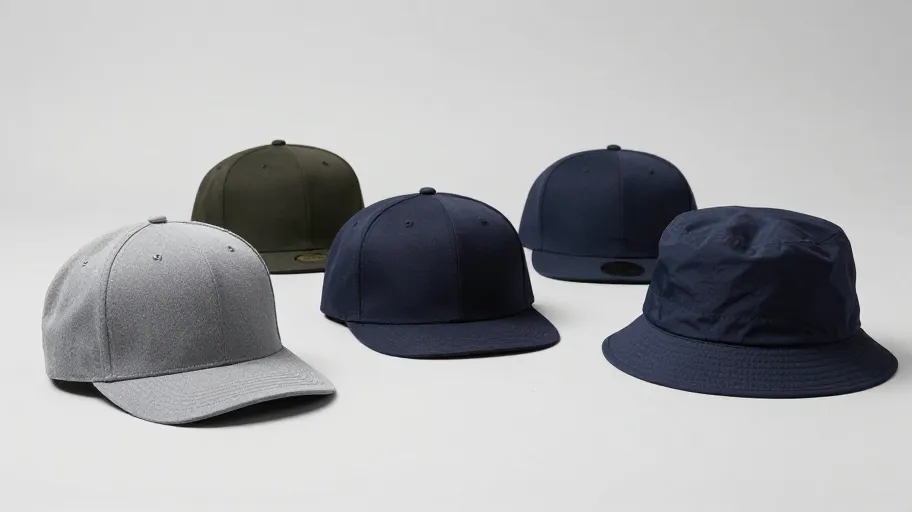
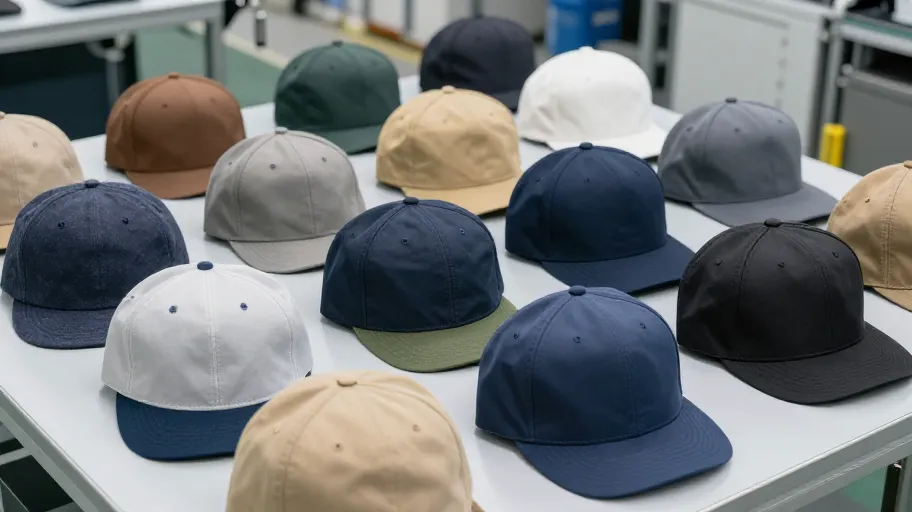
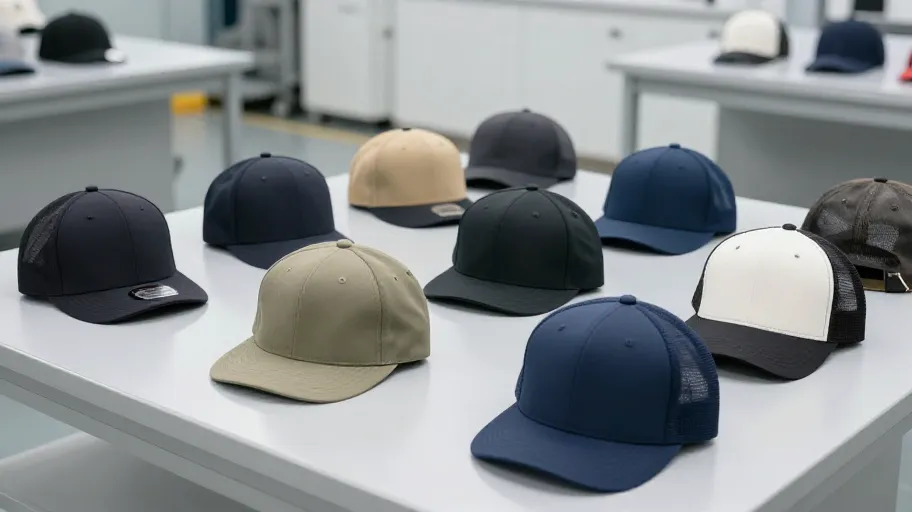
The cap factory is a fascinating blend of creativity, craftsmanship, and technology. It's where raw materials are transformed into stylish and functional headwear that people around the world wear every day. The process of cap production in a cap factory is a complex one, involving various stages such as material selection, design, cutting, sewing, and quality control.

The Hidden Cost Killing B2B Cap Manufacturers (And How to Fix It)

Long delays, missed retail windows, and hidden costs are eroding margins for B2B cap manufacturers. The fix isn’t cheaper factories—it’s smarter logistics. Here’s how nearshoring and integration cut lead times and boost profitability.

The Hidden Cost Killing Your Hat Sourcing: How to Turn Spec Chaos into Control


Published: 2026-05-23 | By: Supply Chain Engineering Team

Most brands bleed cash when sourcing hats from China. They blow $50K and months of time getting caps right, usually blaming the facility when things go south. But having spent years on the production floor, I can tell you the root cause is usually just an incomplete specification file. A mood board with some lifestyle shots and a few Pantone codes isn't a tech pack. A functional tech pack simply tells the production line how to physically construct the headwear so they don't have to guess the curvature of your brim. Even if you are working directly with top-tier cap manufacturers, they still need raw data to set up their machines.

When you leave construction details to interpretation, you end up paying for it through endless sampling rounds and container delays.


Where Sourcing Actually Goes Wrong (Field Notes)

General apparel factories often claim they can make hats, but headwear requires very specific tooling. Working with a dedicated cap factory is baseline, but even then, things get messy if your data is loose.

Case Study: The Berlin Streetwear Disaster

Last year, we took over a project for a mid-tier streetwear label based in Berlin. They had spent four months trying to produce a vintage-wash, 6-panel dad hat. They originally sent their previous cap factory a physical sample and just asked them to copy it visually. Because they didn't have a tech pack specifying a 100% cotton twill with a specific shrinkage rate, the supplier used a cheaper cotton-poly blend. When the hats went through the enzyme wash, the fabric didn't shrink evenly around the buckram, causing the crowns to buckle.

We took over the project and, full disclosure, we actually messed up the first sample round ourselves. We didn't account for how the specific German chemical dye they requested would react with the heavy enzyme wash, and the fabric pilled badly. We had to go back and update the tech pack to specify a ±2% shrinkage tolerance and lock in a specific 280gsm cotton twill before the line finally stabilized. Reliable cap manufacturers rely on these exact material tolerances to calibrate their cutting dies.

Case Study: The Swedish Outdoor Wash-Out

Another client, an outdoor brand out of Stockholm, tried to launch a waterproof runner's cap. They specified "water-repellent fabric" on their PDF but failed to list the seam-taping requirements or the exact DWR (Durable Water Repellent) coating standard. Naturally, the first time users wore them in heavy rain, water leaked straight through the needle holes on the crown seams.

As a specialized cap factory, we see this specific oversight constantly. If you don't explicitly demand waterproof seam tape—and specify the tape width and heat-press temperature—the workers on the floor won't apply it. We overhauled their specs, added ASTM D1683 standards for seam strength, and locked down the waterproofing data. We even had to switch to a different taping machine on the floor during the pilot run because the initial PU tape we tried wasn't adhering properly to their custom DWR coating.

Hat tech pack specification sheet used by professional cap manufacturers to ensure crown and brim accuracy

The Reality of SourcingVague Specs (Moodboards)Pro Tech Pack (Locked Data)
First-sample approval rate Under 40% Over 85%
Average sampling rounds 5–7 1–2

How to Build a Spec Sheet Without the Fluff

Stop sending PDFs with vague notes. Your tech pack needs mechanical data.

  • Base Geometry: Provide annotated views with tolerances (±2 mm crown height). If you don't write a tolerance down, most cap manufacturers assume any variance is acceptable.
  • Hidden Construction: Specify 5-thread overlock stitching and buckram weight. A good cap factory needs to know the exact PE board thickness to prevent warping.
  • Embroidery: Give exact X/Y coordinates from the bottom seam. State the stitch count and Pantone TCX color codes.
  • Grading: Use proportional scaling. Size S and XL must maintain the same crown-to-brim ratio.

Frequently Asked Questions

Do I really need this for a small order of 300 hats?

Yes. Large orders can absorb the cost of multiple sample revisions; small batches cannot. Reputable cap manufacturers use tech packs to protect themselves from vague client expectations just as much as you use them to ensure quality.

Next Steps: Actionable Checks for Today

  • Measure your reference sample: Grab a tailor's tape and record the crown height and brim curve.
  • Inspect the inside sweatband: If there is puckering, specify a softer non-woven backing for the next round.
  • Request the fabric data: Ask the facility for the exact GSM and composition before they cut the next panel.

Contact Us

+(86) 755 2830 2782

From 8:00 AM to 20:00 PM, UTC/GMT +6h

info@newgeneration.hk

SHUZIGUIGU INDUSTRIAL PARK 89 HENGPING ROAD HENGGANG, LONGGANG, SHENZHEN CHINA

The Manufacturer

About New Generation Headwear

New Generation Headwear is a Professional Custom Cap Manufacturer in China.

Cap Sampling Process

Cap Manufacturing Process

How To Custom Hat

Facebook

Instagram

汽水音乐mumu模拟器谷歌邮箱telegramtodesk易翻译