


Most sampling delays in a cap factory come from guesswork—not bad designs. A real hat tech pack eliminates ambiguity, so your team builds it right the first time. Here’s how leading snapback manufacturers are saving weeks and thousands.

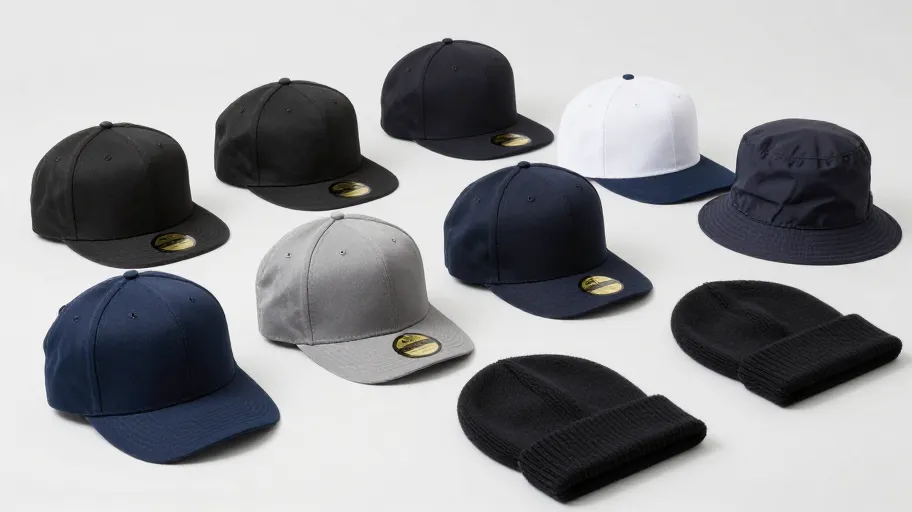
Guesswork kills small-batch hat brands. Sapphire Crystal Inspection: Dimensions and smart MOQ planning cut rework by up to 40%, so you ship faster and keep customers happy.
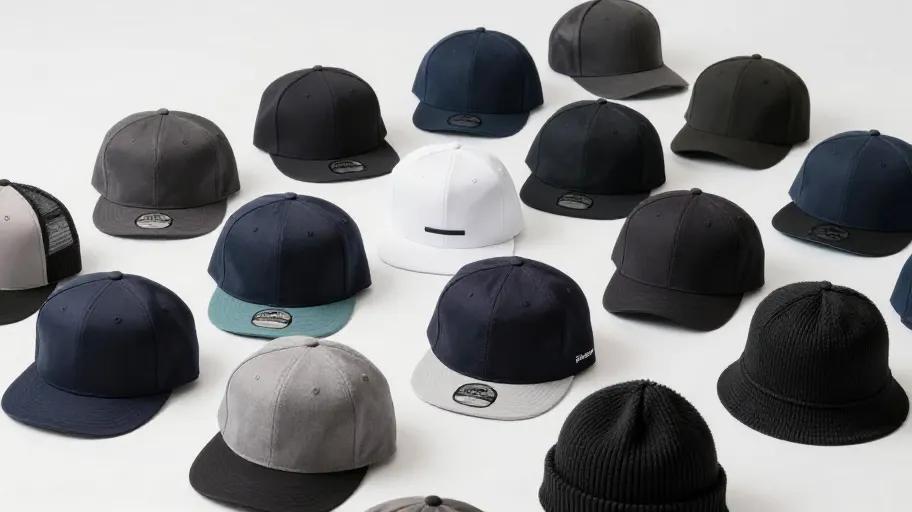
Without a hat tech pack, cap factories are guessing—not building. Misaligned brims, wasted fabric, and delayed launches cost brands thousands. Here’s how smart documentation turns chaos into consistency—and rework into ROI.
Nearly 37% of seasonal apparel launches face delays—and hats are among the most vulnerable. Hat tech packs fix that. Here’s how brands are using them to ship faster, reduce waste, and build trust through consistency.

Published: May 16, 2026 | Sourcing & Supply Chain Insights
You don't need to fly to Vietnam or China to audit your cap factory in 2026. While old-school sourcing managers are still burning $4,000 on long-haul flights just to manually count sewing machines on the production floor, smart headwear brands are shifting to real-time digital verification tools to catch up to 70% of supply chain defects before the bulk shipment ever leaves the loading dock.
Why traditional on-site audits are wiping out your headwear margins
The core problem with traditional, episodic factory audits is that they are too slow for today's hyper-fast headwear turnarounds. They show you a pristine snapshot of a single afternoon, completely ignoring the operational reality of the remaining 29 days of your production run. For experienced cap manufacturers, quality isn't a static checkbox—it shifts from shift to shift based on machine calibration and operator fatigue.
Look at what happened to Bergkron, a German premium outdoor apparel brand. In late 2025, they relied on a standard third-party pre-shipment inspection for a batch of 12,000 waterproof running caps at a Vietnamese facility. The inspector signed off on the AQL paperwork. What he missed, however, was a critical operational change: three days prior, the factory had secretly sub-contracted the visor embroidery to a smaller local workshop to meet the shipping deadline. That workshop used older machines with an improper stitch density—under 3 stitches per centimeter. The sweatbands bunched up and chafed during wearing tests.
By the time the container landed in Hamburg, 35% of the entire batch was completely unsellable. Reworking the order cost them $210,000 in logistics, but the real failure was missing their peak winter retail launch, which wiped out $1.8M in seasonal sales. The worst part? The visual warping on those sweatbands had been clearly captured on the factory's internal final packing cameras for 19 straight days. No one saw it because the brand's procurement team was waiting in Germany for a physical paper report to be typed up and emailed over.
That is severe financial risk built directly into an outdated sourcing model. The 2025 Global Apparel Compliance Report highlighted that 61% of catastrophic manufacturing defects—like raw fabric substitution or misaligned embroidery heads—are fully trackable through digital feeds long before packaging. Yet, most fashion buyers still wait for time-zone-delayed photo updates on WeChat or WhatsApp.
When Bergkron modernized their quality tracking by collaborating with the New Generation global network, they shifted from "inspecting disasters" to "preventing them." On their next order of winter beanies, a live digital calibration feed flagged a subtle needle-tension drop on Line 4 within two hours of startup. The factory paused production and fixed the tension screw after only 40 units were made. Total waste was practically zero.
Real case: how Urban Headwear caught fabric fraud before a single die was cut
Let's look at another real case from Urban Headwear, a French sports brand. During a mid-run production of unstructured 5-panel caps, their partner cap factory unexpectedly ran out of the specified 280 GSM premium cotton twill. To keep the lines moving and avoid late-delivery penalties, the cutting room substituted a cheaper 230 GSM blend without telling anyone.
In the past, this kind of fabric substitution would only be discovered months later when customers touched the product in European retail stores. This time, however, the quality agreement required the factory to upload digital spectrophotometer scans and fabric weight logs before a single die-cutter touched the fabric roll.
The shared dashboard flagged the weight and shade discrepancy (the Delta E color variance exceeded 1.2) instantly. Production was halted on the spot, the correct fabric was re-ordered from the mill, and Urban Headwear saved over €270,000 in potential product recalls and brand damage.
If you are not watching the raw material parameters before cutting, you are essentially gambling on your bulk margin.
The two digital tools that actually replace boots on the ground
You don't need multi-million dollar software platforms. In 2026, routine digital tracking handles nearly 80% of QA needs for international cap manufacturers, cutting audit cycle times by 40% and turning compliance into a live quality shield. McKinsey's recent Fashion Operations Survey confirmed that apparel brands using continuous remote validation cut recurring factory defects by 33% year-over-year.
If you want to protect your margins, make sure your overseas partner deployment includes these two semantic tracking layers:
- A Fixed HD Video Feed Over the Final QC Table: Your sourcing team in Europe should be able to log in via a secure cloud link at any time during the active shift to watch random pulling samples. You can visually verify the straightness of the sweatband stitching and the symmetry of the brim curvature in real-time. No travel budget required.
- Digital Fabric Shade and Weight Validation: The factory must upload spectrophotometer data directly against your original headwear tech pack specifications before production begins. This is exactly how the 230 GSM substitution was caught before it turned into thousands of defective caps.
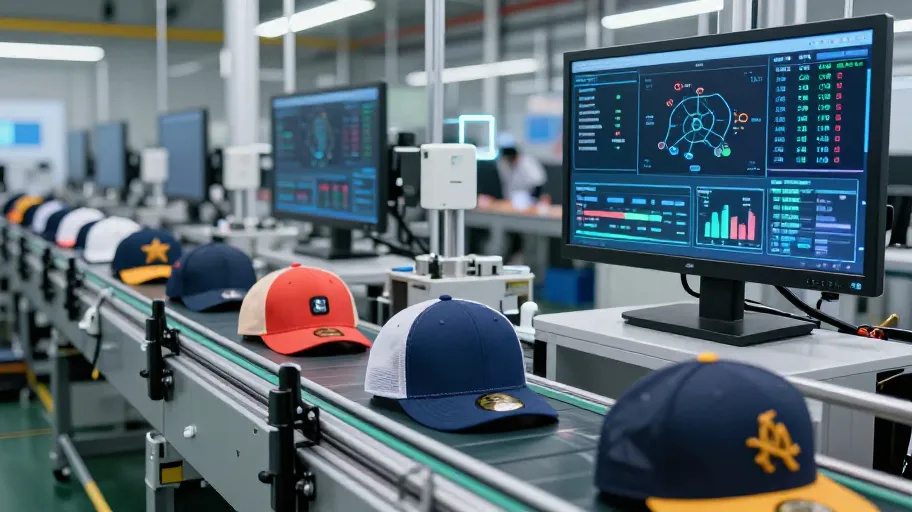
Real case: how a Belgian brand managed production with a two-person team
A Belgian streetwear brand—Ghent Essentials—was launching their first major headwear line: 18,000 structured caps from a facility in Hue, Vietnam. Their sourcing team consisted of just two people, and neither had the budget or time to travel to Asia for weeks.
They bypassed traditional audits completely by enforcing a digital validation workflow: a fixed cloud camera over the final inspection table and daily digital spec log uploads. It wasn't completely smooth at first—the factory manager initially resisted, complaining about internet upload speeds in central Vietnam. Ghent Essentials compromised by allowing the factory to upload compressed 10-minute video clips at the end of each shift instead of demanding a 24-hour live stream.
On day two of production, the evening video upload caught an operator folding the structured buckram crowns incorrectly before packing—a mistake that causes permanent brim distortion once compressed in shipping cartons. The factory corrected the packing method the next morning before the entire batch was affected. The remote setup cost under $1,800, saving them an estimated $30,000 in eventual customer returns and unsellable inventory. Their head of sourcing told us: "Flying to a factory without digital monitoring is just accepting unnecessary risk."
Your 72-hour action plan to protect your next headwear order
You don't need months of preparation or complex corporate transitions to secure your margins. Here is the practical checklist you can run through from your desk this week.
Add a mandatory digital QC clause to your active PO terms today. Write an explicit addendum stating that final balance release is strictly conditional upon receiving weekly digital QC logs and open access to the factory’s packing-line camera feed. Do not wait for the next formal contract review; email this clause to your supplier's account representative before closing hours today.
Move your technical specs out of static email attachments. Stop treating your designs as frozen PDFs that get lost in the cutting room. Move your parameters to a shared live spreadsheet or cloud workspace where your team and the overseas sample manager log thread brands, buckram weights, and seam dimensions simultaneously. If you need a structural framework for mapping these manufacturing milestones, you can review how our engineering team at New Generation structures real-time data transparency.
Demand a 10-minute live video walk-through by Friday. Send a short, direct message to your top three hat suppliers. Ask for a brief, unannounced live video call of their cutting and sewing lines during their active morning shift. A factory's willingness to immediately show you their active production lines tells you everything you need to know about your supply chain transparency. To train your internal buyers on what hidden defects to spot during that live feed, download our internal remote cap factory audit checklist.
FAQ: Remote Cap Factory Audits
How much does remote factory monitoring cost for a cap factory?
For a mid-sized cap factory in Vietnam or China, the hardware for a fixed camera over the QC table runs $300-$800. A spectrophotometer for fabric validation costs $1,500-$3,000. Cloud platform and dashboard setup adds $200-$500 per month. Compare that first-year cost to a single $4,000 round-trip flight to Guangzhou, plus hotels, interpreters, and the time cost of senior staff being off-site for a week.
What if my supplier refuses to install cameras or share data?
Walk away. A factory that won't give you digital visibility into their production line usually has something they want to hide—whether it's unapproved subcontracting or low-grade materials. In 2026, transparency is a standard part of doing business. There are plenty of professional cap manufacturers in Asia who will provide this access as a standard condition of the contract. If your current supplier gives you pushback on a basic cloud link, they are telling you everything you need to know about their internal compliance standard.
Can I monitor a factory without speaking the local language?
Yes. Camera feeds and spectrophotometer numbers are visual and numerical—they don't require translation.
What about IP security and file sharing?
Your product designs, fabric color codes, and stitch patterns are your exclusive IP. Any reputable manufacturer will sign a Data Processing Agreement (DPA) alongside your NDA. Ensure the contract explicitly states that all production metrics, images, and data logs uploaded to the shared dashboard remain your property and must be purged if the manufacturing partnership ends.

Published: May 12, 2026 | Last Updated: May 18, 2026 | Sourcing & Technical Design Insights
Missing specs cost cap factories time and money. The Complete Hat Tech Pack Checklist for 2026 fixes that—standardizing workflows so your team ships faster, with fewer errors and lower costs.
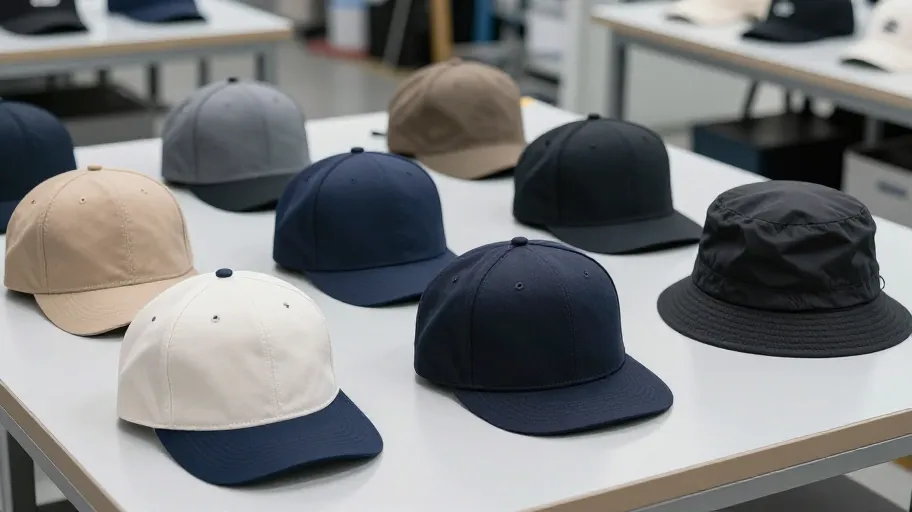
A simple document is quietly transforming how cap manufacturers in China work. After auditing 15 factories last year, here's what we learned: Hat tech packs aren't paperwork — they're the difference between profit and rework. Here's what actually works, based on real orders, not theory.
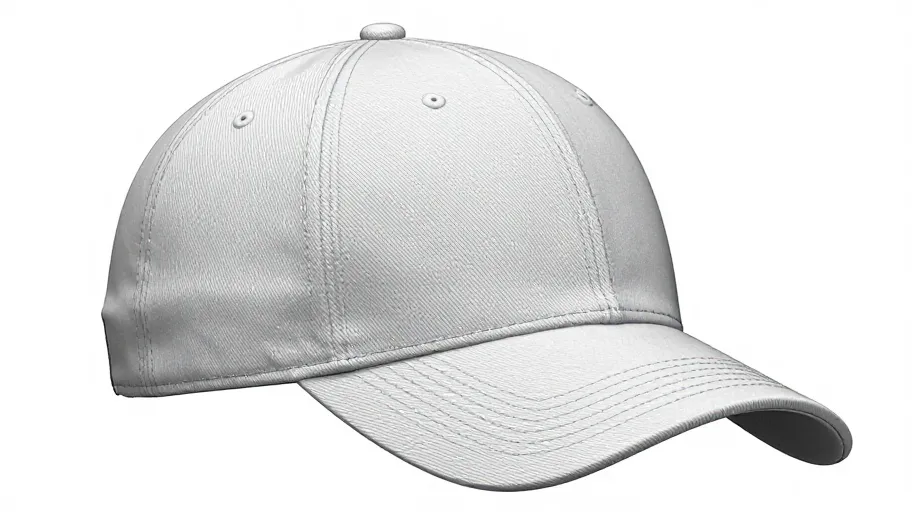
Most brands lose up to 40% of seasonal revenue because their hats don’t fit, fray, or arrive late. The fix isn’t better factories — it’s a bulletproof tech pack. Here’s how to build one that eliminates guesswork and scales production.
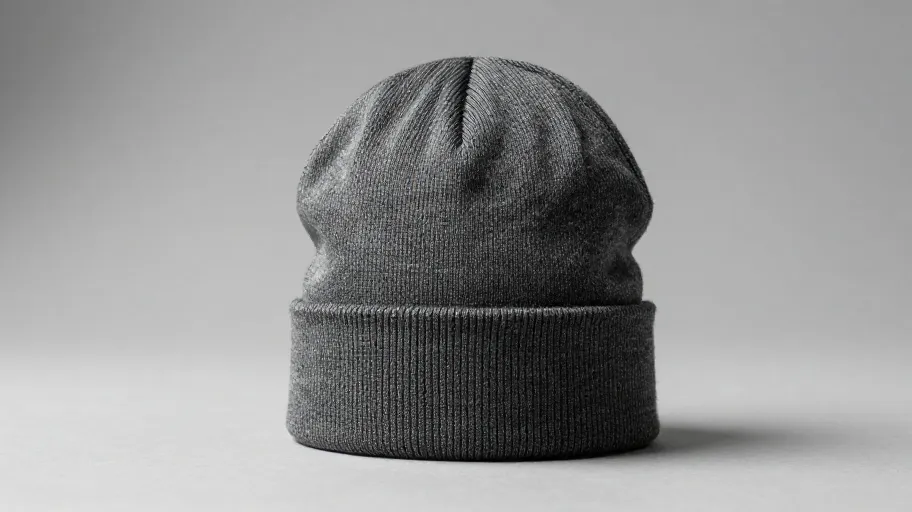
Most buyers lose thousands on misproduced beanies because of one avoidable mistake: skipping the beanie tech pack. Here’s how top brands get it right—every time.

Most apparel brands lose thousands of dollars launching custom headwear overseas because of one avoidable mistake: a weak tech pack. When dealing with experienced cap manufacturers, a complete, precise technical document cuts sampling rounds by up to 70% and fast-tracks your mass production. Here is how to build a blueprint that protects your margins.
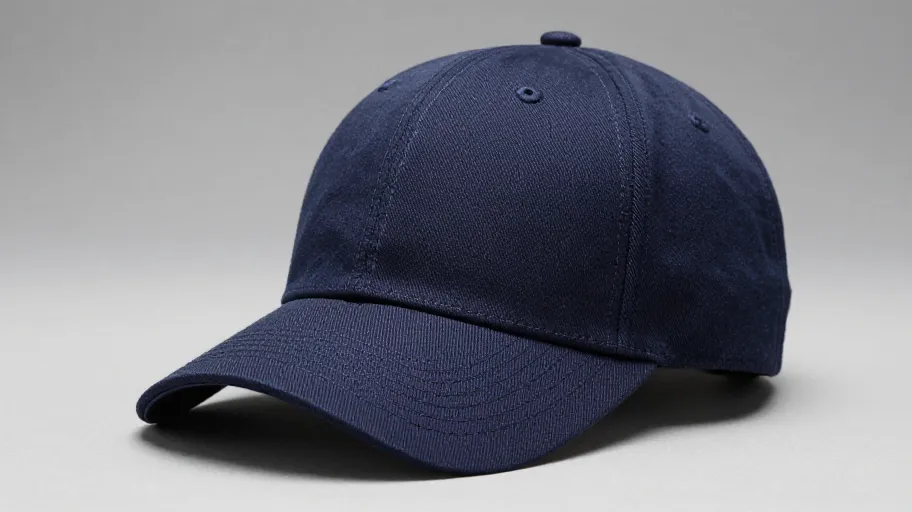
Most brands lose thousands on defective headwear because they treat sourcing like a price game. It’s not. Here’s how to find a real partner—not just another factory. We’ll walk you through the technical, operational, and strategic filters that separate reliable baseball cap manufacturers china from the rest.
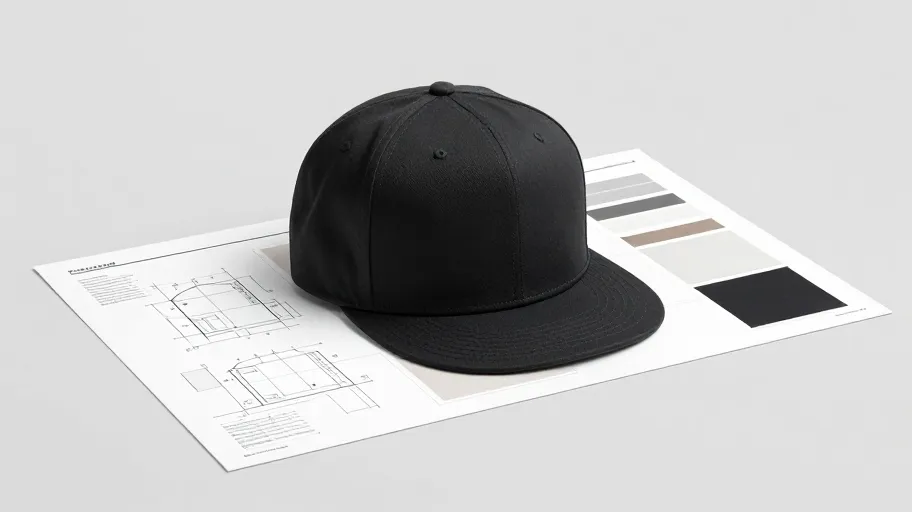
Sourcing caps in China isn’t broken—but how you communicate your design probably is. A complete tech pack cuts errors by up to 70% and unlocks faster production. Here’s how to get it right.
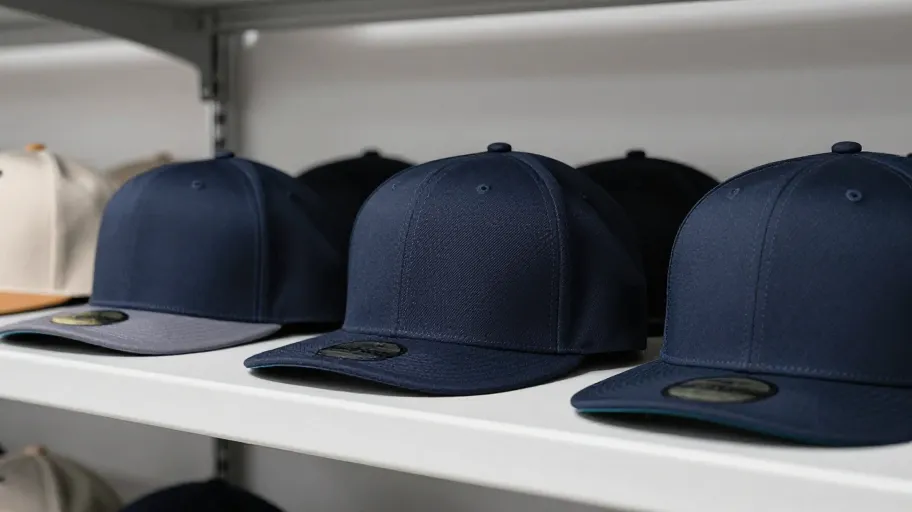
After reviewing 47 failed cap orders from cap manufacturers in China over the past two years, I found the same problem over and over: missing numbers. Not bad materials. Not bad machines. Precision tech packs would have caught 80% of these defects before production started.

Most brands lose thousands on misproduced caps because of vague tech packs and weak suppliers. Clarity and control are the real game-changers. I’ve seen this firsthand across 50+ factory audits in Guangdong and Fujian. Here’s how to get both.
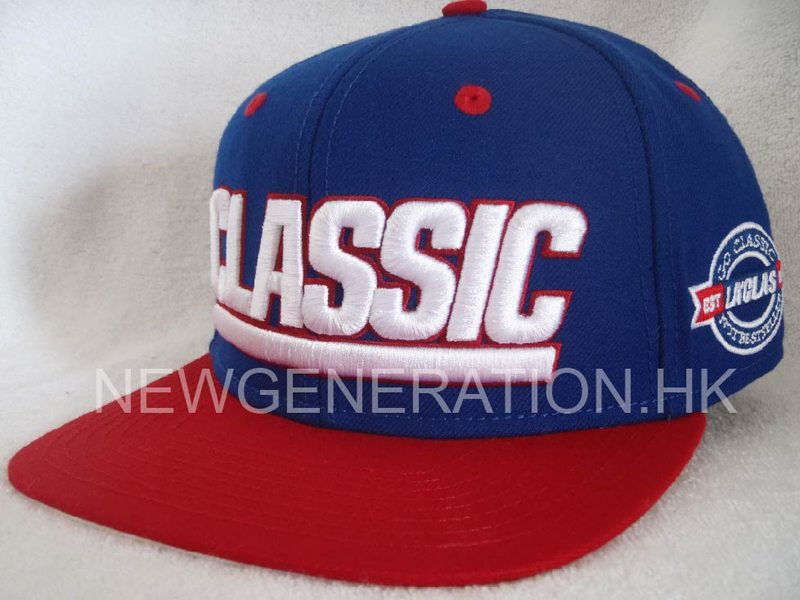
Snapback caps don’t just happen — they’re engineered. Cap factories using full-spec hat tech packs cut rework by up to 70%. Here’s how data, not luck, drives consistency.
Most cap brands lose weeks—and thousands—on avoidable production errors. Hat tech packs fix that by turning guesswork into precision. Here’s how they reshape the game from design to delivery.

Sourcing caps from China shouldn’t mean losing sleep over color mismatches or stitching errors. A complete hat tech pack eliminates guesswork, cuts rework by up to 74%, and gets your headwear to market faster — without blowing the budget.
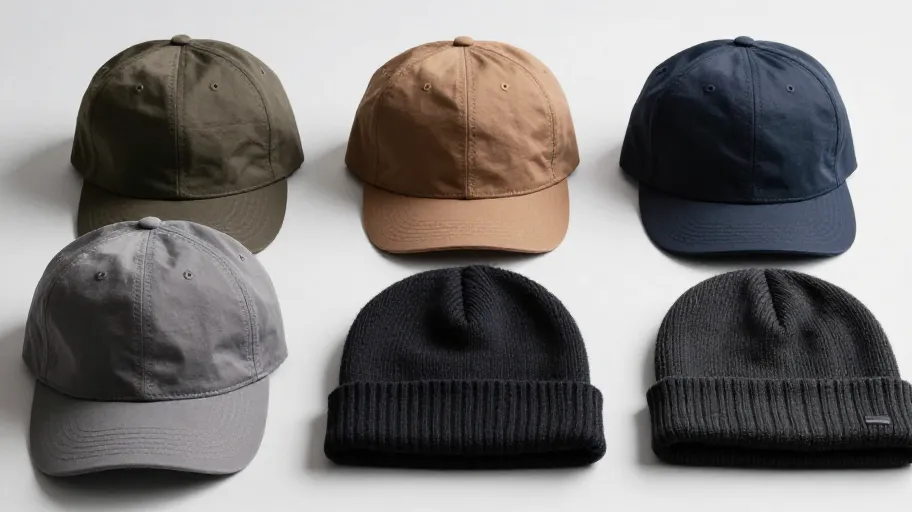
Most hat brands lose weeks and tens of thousands of dollars every season to avoidable production errors. The culprit? Incomplete specs. The fix: Hat Tech Pack, a system built specifically for the 3D reality of headwear.

Sourcing caps from cap manufacturers china often leads to costly missteps. The fix? A precise hat tech pack. It turns confusion into clarity, delays into speed, and risk into reliability.

Over 37% of rework in headwear stems from preventable tech pack gaps. Fixing them means faster launches, fewer samples, and margins that stay intact. Here’s how the best brands get it right.
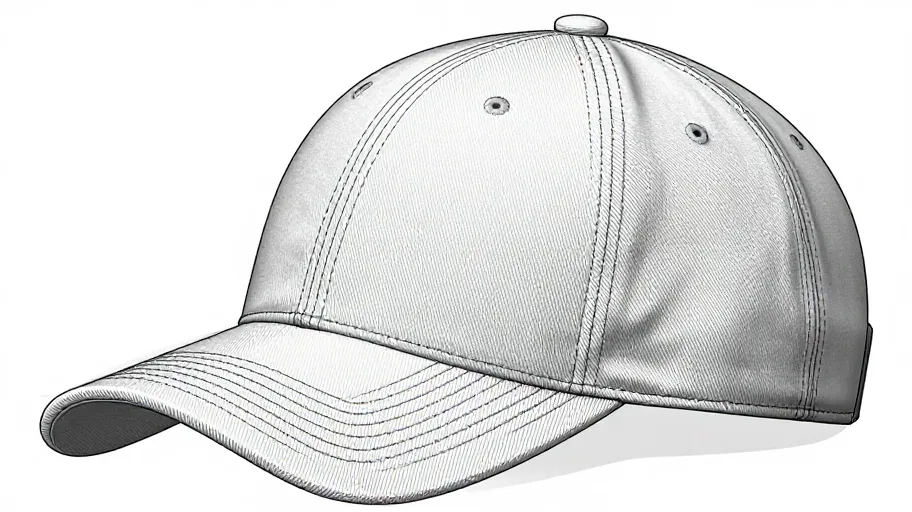
Most brands lose weeks and thousands of dollars on avoidable sampling errors. The fix isn’t better factories—it’s better tech packs. Here’s how to get it right the first time with Chinese headwear manufacturers.
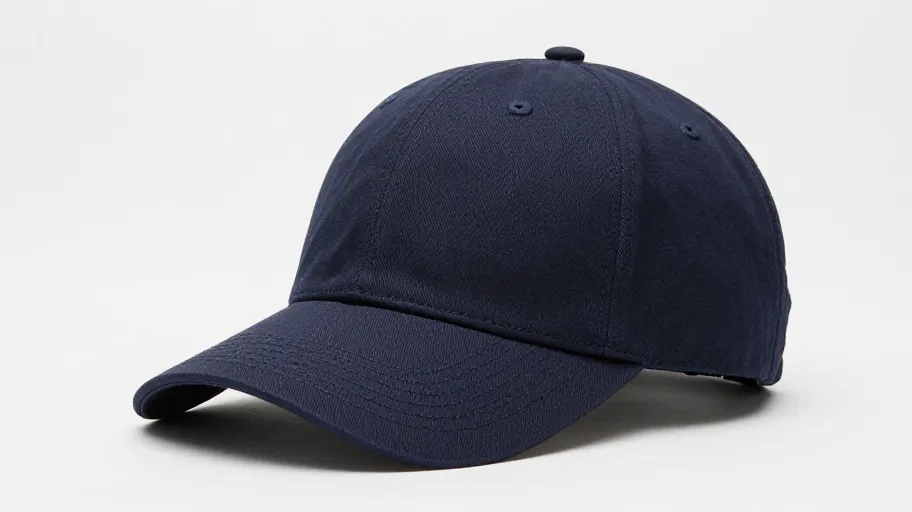
Most snapback launches fail before a single cap ships. The problem? Hat tech packs are missing. Without them, factories guess, brands rework, and launch windows vanish. Here’s how leading cap factories fix it.
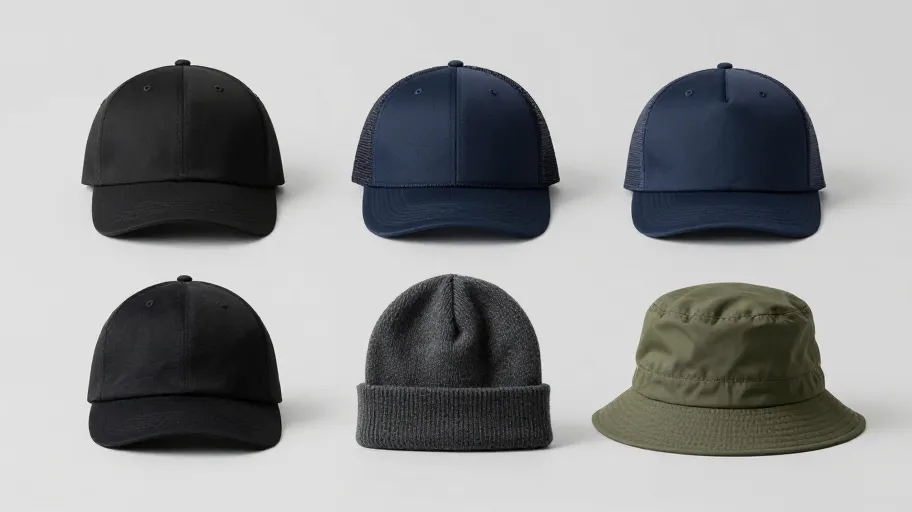
Cap manufacturers don’t fail at execution—they fail at shared understanding. When specs aren’t locked before RFQ, you’re not sourcing a part—you’re outsourcing ambiguity. Here’s how the Generation Cap specification framework turns specification clarity into working capital, speed, and supplier control.
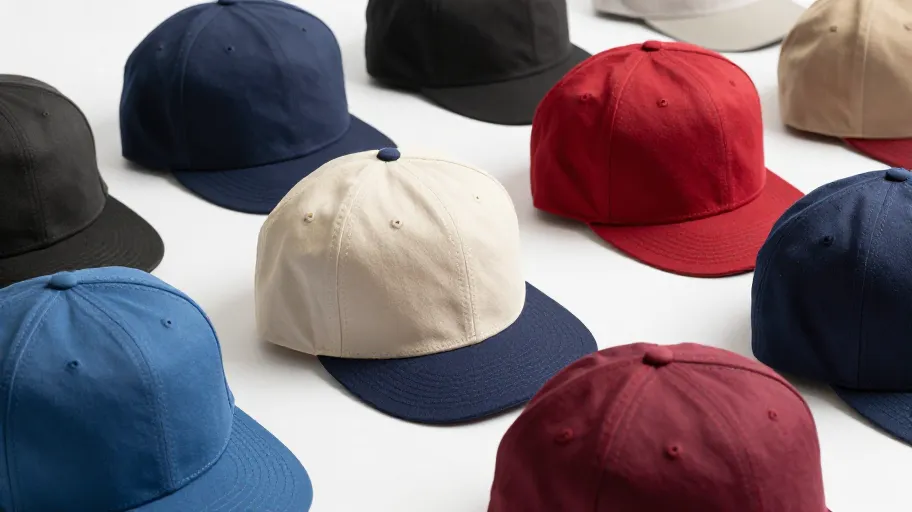
Most importers overpay because they can’t tell the difference between a slick brochure and actual production capability. Here’s how to spot the difference using verifiable metrics that protect your margins and brand reputation.

Most brands lose thousands on misaligned hat production because they rely on "vibes" instead of integers. I've seen it dozens of times: a brand expects a high-end drop but gets a container of warehouse scraps because their tech pack was just a pretty sketch. Clear tech packs aren't a luxury; they're production insurance.
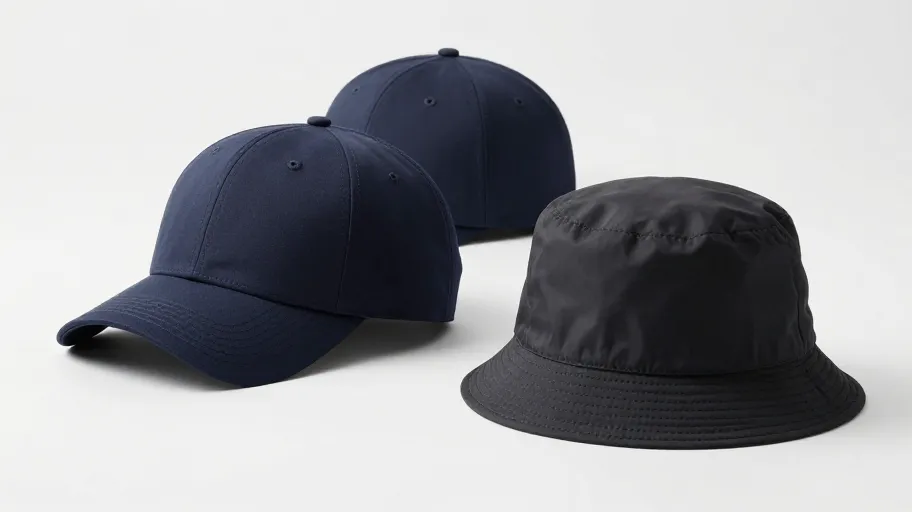
A complete hat tech pack eliminates miscommunication, reduces sampling costs, and accelerates time-to-market. Leading designers treat it as the single source of truth across global teams—driving real gains in speed and sustainability.
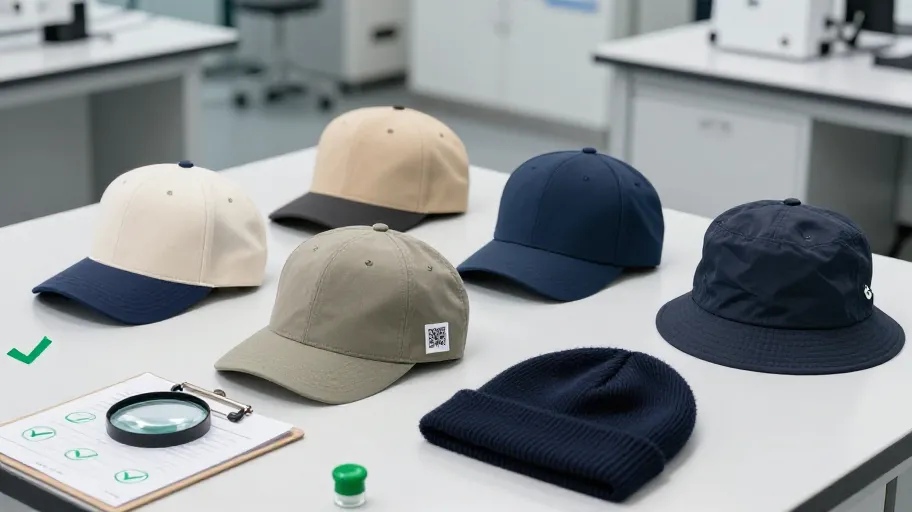
Sourcing caps from China isn’t about finding the cheapest factory—it’s about eliminating hidden failure points before they cost you retailer shelf space, Amazon listings, or customer trust. This guide walks you through the exact 4-pillar audit framework that cuts pre-production delays by 68% and compliance recalls by 91%.
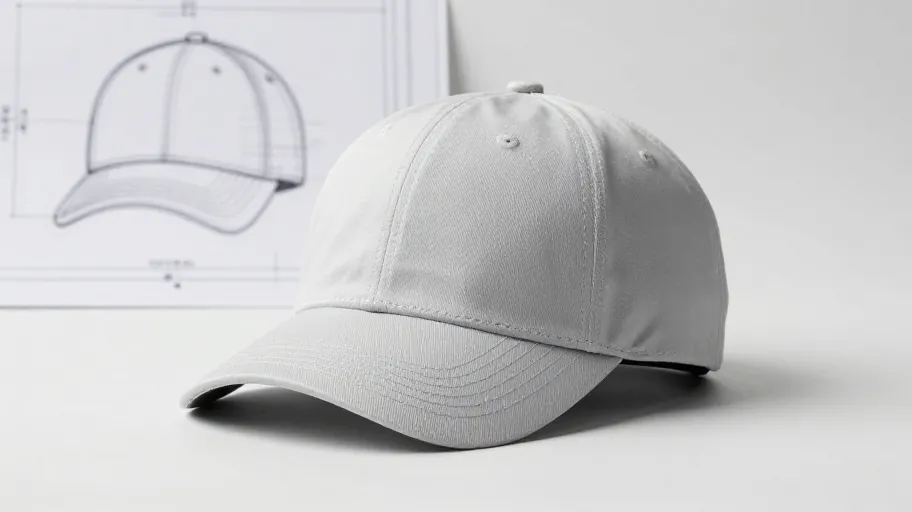
If your first baseball cap samples from China miss the mark, the problem isn’t the factory—it’s your tech pack. A complete one cuts rework by up to 70% and gets you to market faster.
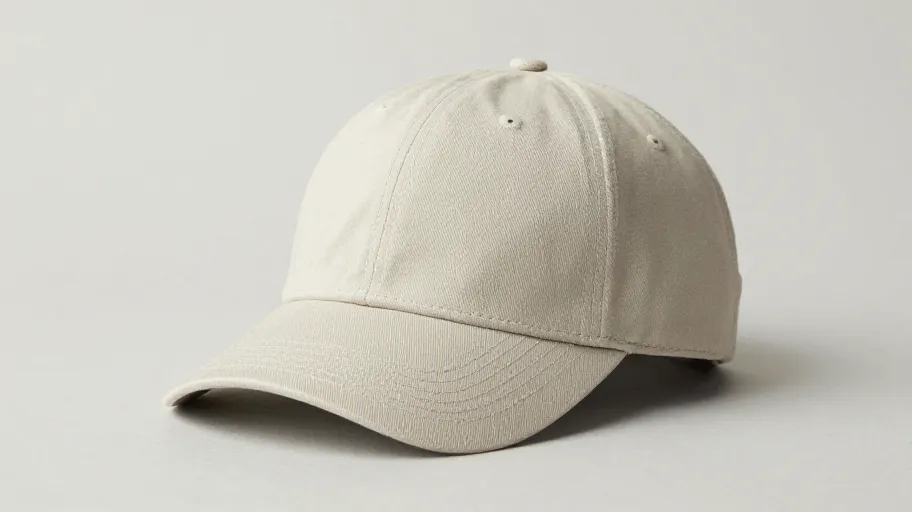
Choosing the wrong cap factory can sink your brand before launch. 70% of sourcing risk vanishes with a structured audit. Here’s how to find factories that offer free hat samples, scale reliably, and deliver consistent quality—every time.
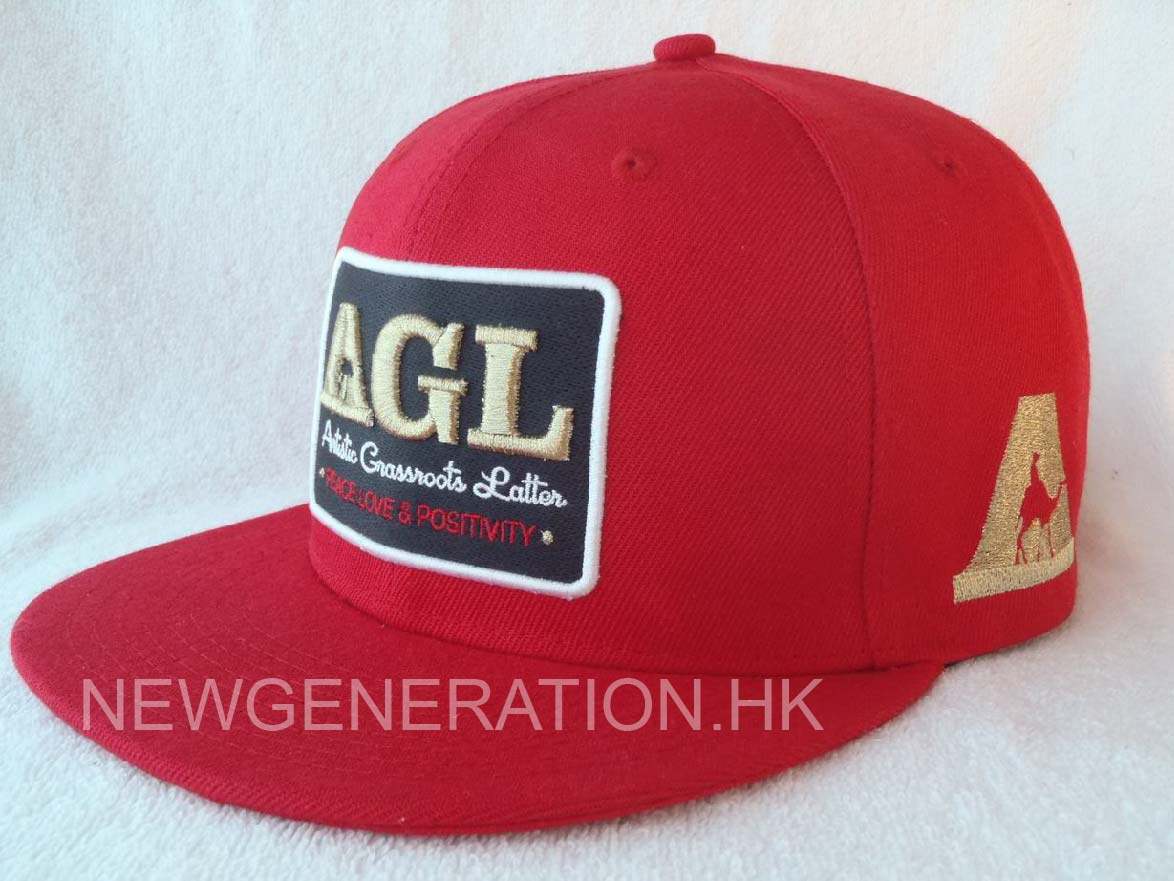
When it comes to sourcing high-quality sports hats for your business, the challenges can seem endless — finding the right cap manufacturer, ensuring consistent quality, and creating designs that truly represent your brand. At New Generation, we understand these pain points and provide solutions that take the hassle out of ordering custom sports cap* and innovative hat design services.
The Challenges of Custom Sports Caps in the B2B Market
The sportswear market is booming, and sports caps are a cornerstone of branding for teams, events, and athletic businesses. However, common challenges include:
1. Inconsistent Quality
Many suppliers fail to maintain consistent production quality, leading to caps that don’t meet brand standards.
2. Limited Design Options
Standard designs may not reflect your brand identity or meet specific event or team requirements.
3. Lack of Scalability
From small-scale custom orders to large batch production, many suppliers struggle to accommodate fluctuating demands.
New Generation addresses these issues by offering customized solutions tailored to your business needs.
Why New Generation is the Right Cap Manufacturer for You
1. Custom Sports Caps That Represent Your Brand
Sports caps are more than just functional headwear; they’re a tool for brand identity and visibility. At New Generation, we specialize in customized hats that make a lasting impression. From bold team logos to dynamic color palettes, our custom sports caps combine functionality with standout designs that enhance your brand’s presence on and off the field.
2. Innovative Hat Design Services
In a market saturated with generic designs, innovation sets you apart. Our hat design team works closely with you to create unique caps tailored to your specifications. Whether you need lightweight caps for athletes, durable hats for outdoor events, or eco-friendly options, we ensure each cap meets your vision and performance requirements.
3. Consistency You Can Count On
As a professional cap factory, we prioritize quality at every stage of production. From material selection to the final inspection, our strict quality control processes guarantee products that meet and exceed expectations.
4. Scalable Production for Businesses of Any Size
Whether you’re ordering a few hundred caps for a local sports event or thousands for a global campaign, New Generation has the manufacturing capacity to deliver. Our flexible production capabilities make us the ideal partner for businesses of all sizes.
Key Features of Our Custom Sports Caps
1. Premium Materials
We use high-quality, durable fabrics designed to withstand active use while maintaining comfort and style.
2. Custom Embellishments
From embroidery and patches to screen printing, our customization options ensure your caps make a bold statement.
3. Performance-Driven Designs
Our caps are designed with athletes in mind, featuring breathable fabrics, adjustable fittings, and lightweight construction.
The Competitive Advantage of Partnering with New Generation
Unlike generic suppliers, New Generation focuses on creating value for B2B clients. By offering comprehensive services as a cap manufacturer, we enable businesses to streamline their supply chains, reduce costs, and focus on their core operations.
Our in-house hat design team works seamlessly with our production experts to ensure every custom order is delivered on time and to specification. Additionally, our transparent pricing and dedicated customer support ensure that you’re always informed and in control of your order.
Sustainable Practices for a Greener Future
As part of our commitment to sustainability, New Generation incorporates eco-friendly materials and production methods into our operations. By choosing us, you’re not just investing in high-quality hats but also contributing to global efforts to reduce waste and promote ethical manufacturing.
Take the Next Step Toward Better Branding
At New Generation, we make it easy for businesses to overcome the challenges of sourcing custom sports caps. Whether you need innovative hat design or scalable production solutions, our team is here to help.
Get in touch today to learn more about our capabilities as a trusted cap factory and discover how our customized hats can elevate your brand. Let’s create something exceptional together!

In the fast-paced world of fashion and sportswear, headwear is no longer just an accessory—it is a statement. Whether it’s a streetwear brand launching a new collection, a sports team gearing up for the season, or a corporation looking for premium promotional products, the quality and design of caps matter more than ever. But here is the question every buyer inevitably faces: Where can you find cap manufacturers that truly understand your vision, meet your deadlines, and deliver consistent quality?
The European market is undergoing a green transformation. New regulations on sustainable production, material traceability, and carbon footprint reporting are reshaping the entire headwear supply chain. For B2B buyers sourcing from Asia, this creates both a challenge and a clear opportunity: partnering with a cap factory that understands compliance as deeply as craftsmanship.
Enter New Generation – a leading name among hat manufacturers China has to offer. We don’t just produce caps; we engineer sustainable solutions that meet stringent EU standards, from raw material sourcing to final labeling.
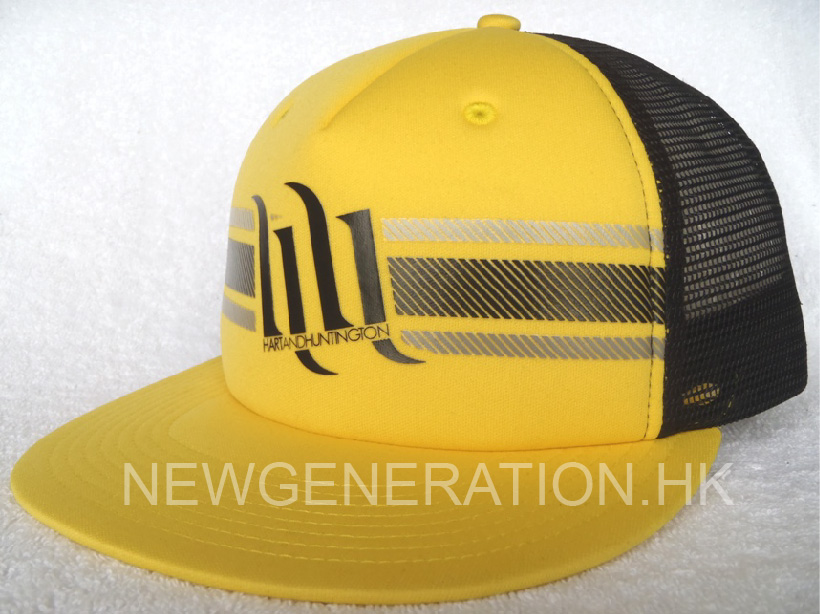
Sports fans and teams often seek ways to demonstrate team spirit and individuality. One popular way to achieve this is through personalized hats, especially custom sports hats. Not only do these hats make a fashion statement, but they also create a sense of unity and pride among team members and fans. In this article, we'll explore the world of custom sports hats and how you can customize them to reflect your unique style and team identity.
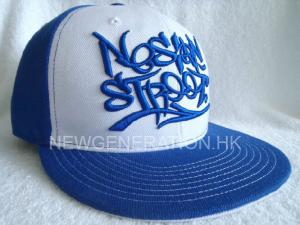
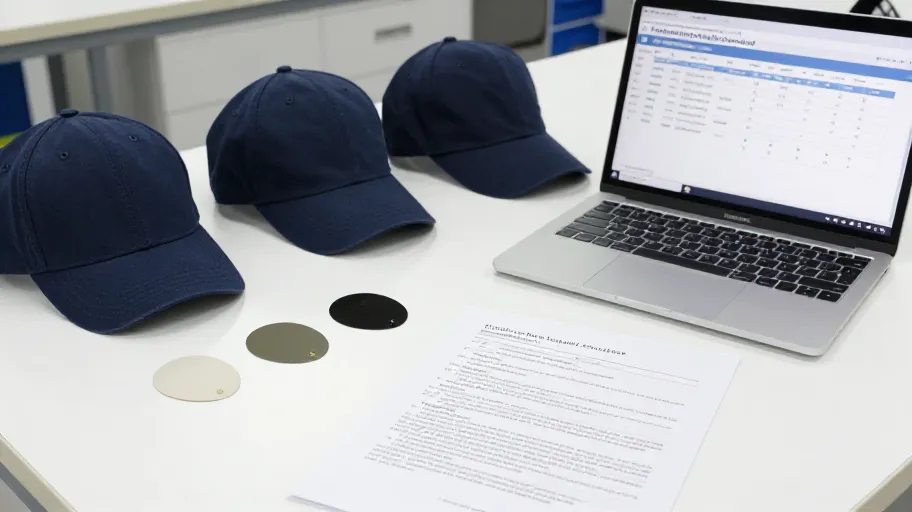
Comparing a team cap manufacturer in China is safer when you compare evidence, not claims. Every supplier can promise quality; far fewer can hand over documentation you can verify — production references, spec sheets, sampling terms and written answers to your approval questions. Use the Evidence-First Supplier Scorecard below to score every candidate, including us at New Generation, on the same four layers before you shortlist anyone.

Tech packs are transforming cap and snapback manufacturing by cutting errors, speeding approvals, and aligning global teams. For cap factories and snapback manufacturer operations, this isn’t just documentation—it’s a competitive lever.
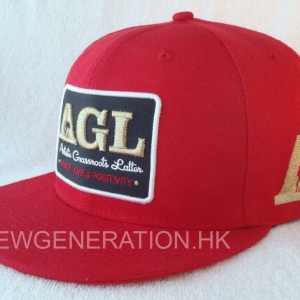
For global retailers and professional brands, the headwear sourcing landscape in 2026 has moved beyond simple procurement. With the implementation of the EU's Ecodesign for Sustainable Products Regulation and shifting consumer behaviors in North America, choosing a cap manufacturer is now a strategic investment in supply chain resilience.
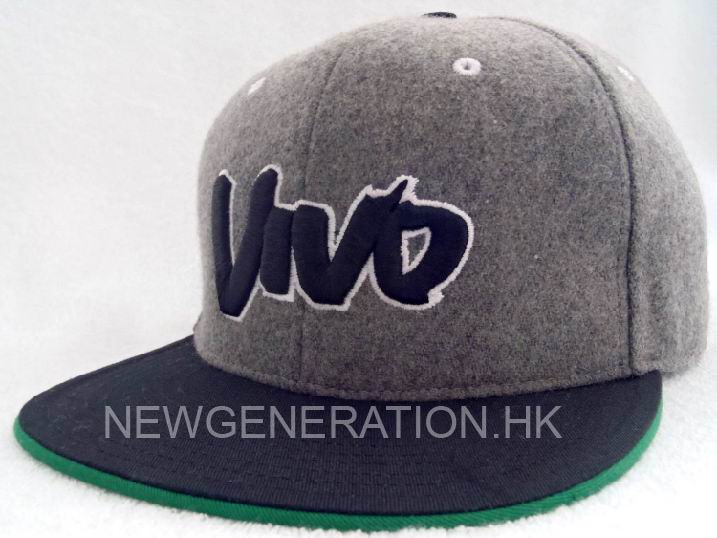
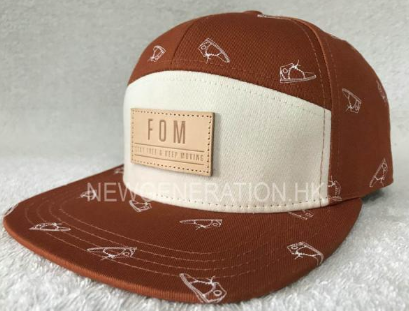
From Fabric to Fashion: The Art of Cap Manufacturing and Cap Factory Operations
Be it the ceremony of Guanli, which crowned a young boy, a man in China, or Indiana Jones in her famous Fedoras, and the royals worldwide stepping out with fantastic headgear and caps have never ceased to add a hint of mystique and beauty to its user.
Getting your custom hats from sketch to shelf shouldn’t take months or cost you a season’s sales. Private label hat development done right slashes time-to-market and cuts costly rework — here’s how the best brands do it.





