

Guesswork kills small-batch hat brands. Sapphire Crystal Inspection: Dimensions and smart MOQ planning cut rework by up to 40%, so you ship faster and keep customers happy.
Why One Millimeter Can Kill a Hat Drop
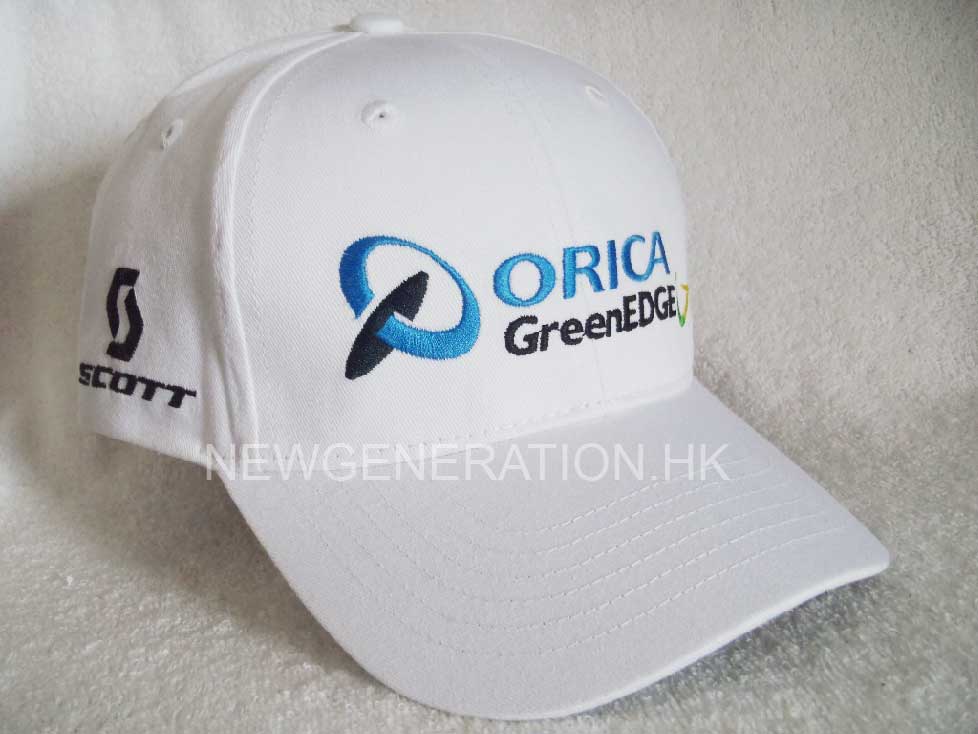
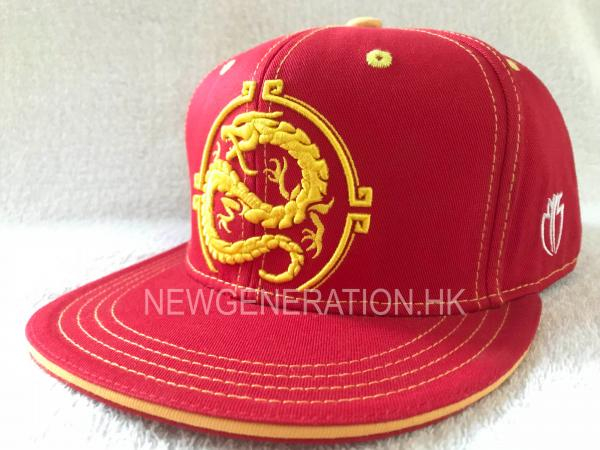
A 2mm logo misalignment doesn’t just look off—it breaks trust. For small-batch headwear brands, where every unit counts, one flawed run can trigger returns, social media backlash, and eroded margins. The problem isn’t design—it’s process. Without precision validation, even digital-first workflows fail at execution. We’ve seen artist collab caps rejected because chest logos landed too high or skewed diagonally. The root cause? A digital pattern mismatch that only showed up after stitching began. That’s not bad luck—it’s avoidable failure.
Sapphire Crystal Inspection: Dimensions means catching those errors before production starts, because it applies micron-level tolerance checks to soft goods. Originally used in optics and semiconductors—where ±5 microns is the standard—this method now prevents embroidery defects in textiles. When a logo stretches across curved fabric, a 0.5mm coordinate shift can distort symmetry. By simulating thread tension and seam displacement upfront, brands eliminate guesswork. One DTC label reduced rework from 38% to under 6% after adopting this approach, cutting labor costs by over half and shipping 11 days faster.
How Digital Validation Replaces Stitch and Hope
The old way? Print a sample, stitch it, inspect it, fix it—then repeat. That “stitch-and-hope” model wastes time and materials. The new way uses 3D scanning and AI-powered image comparison to validate designs before a single thread is laid. Here’s how it works: upload your vector artwork, pick your hat style—say, a structured five-panel with curved brim—and the system overlays the embroidery file onto a digital twin of the cap. It checks centering, distance from seams, and aspect ratio under tension against set tolerances.
If the simulation shows lateral drift beyond 1mm, it flags the issue and suggests path corrections. This means no more surprise defects, because alignment is verified in software first. For engineers, this integrates directly with digitizing tools and PLM systems. For managers, it slashes sampling cycles—often eliminating them entirely. For executives, it turns custom embroidery into a scalable, repeatable profit center instead of a cost center. One Midwest heritage brand saw customer complaints drop 89% across three limited releases—because every hat looked identical and professionally made.
Precision Only Gets You Halfway
Hitting perfect stitch alignment is great—but if you produce too many units, you’re still wasting money. That’s why dimension inspection must pair with rational MOQ planning. Too often, brands guess at batch sizes based on gut feel or past orders without adjusting for yield. The result? Overproduction, deadstock, or stockouts. Intelligent MOQ planning means optimizing batch size based on historical defect rates, material lead times, and forecasted demand—so you make enough to meet demand but not so much that waste eats margins.
For example, if your data shows a 7% average defect rate on wool blend panels, the system adjusts the MOQ upward by that margin to ensure final deliverables meet target. It also accounts for thread spool utilization—avoiding partial spools that drive up per-unit cost. This means lower inventory risk and better cash flow, because production matches real-world constraints. One brand increased gross margin by 14 points simply by aligning MOQs with actual yield and material efficiency.
The Real ROI of Industrial-Grade Control
Combining Sapphire Crystal Inspection: Dimensions with data-driven MOQ planning doesn’t just reduce defects—it transforms business outcomes. Brands report up to 40% less material waste, 30% faster time-to-market, and 3.2x higher customer referral rates when products are consistently well-made. This isn’t theoretical. A 2025 retail sentiment analysis confirmed buyers pay more and recommend more when quality feels intentional, not accidental.
And because every design and material combo is stored as a validated profile, repeatability improves with each order. No more starting from scratch. No more "last time worked fine" surprises. Instead, you build a library of proven configurations that scale on demand. That’s how micro-runs become sustainable—not through compromise, but through control.
Build Your Next Drop With Confidence
You don’t need mass production to win. You need precision, planning, and proof. If your last hat drop had rework, delays, or inconsistent quality, it’s not your designer’s fault—it’s your process. See how your next batch performs before cutting fabric. Validate stitch placement, simulate tension, and lock in an MOQ that fits your demand and yield. Stop guessing. Start building.
Try our free MOQ & defect risk calculator—upload your design and specs, and get a projected yield, waste estimate, and optimal batch size in under two minutes.
#cap manufacturers china, #headwear manufacturers china, #cap factory