


A complete tech pack slashes sample revisions by up to 70%. Missing one detail? That’s all it takes to trigger costly delays. Here’s what top brands never leave out when working with headwear manufacturers in China.
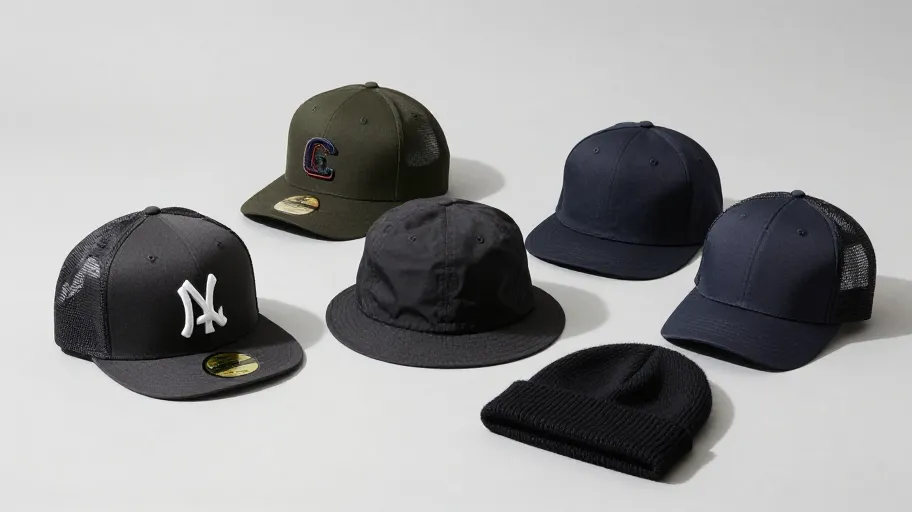
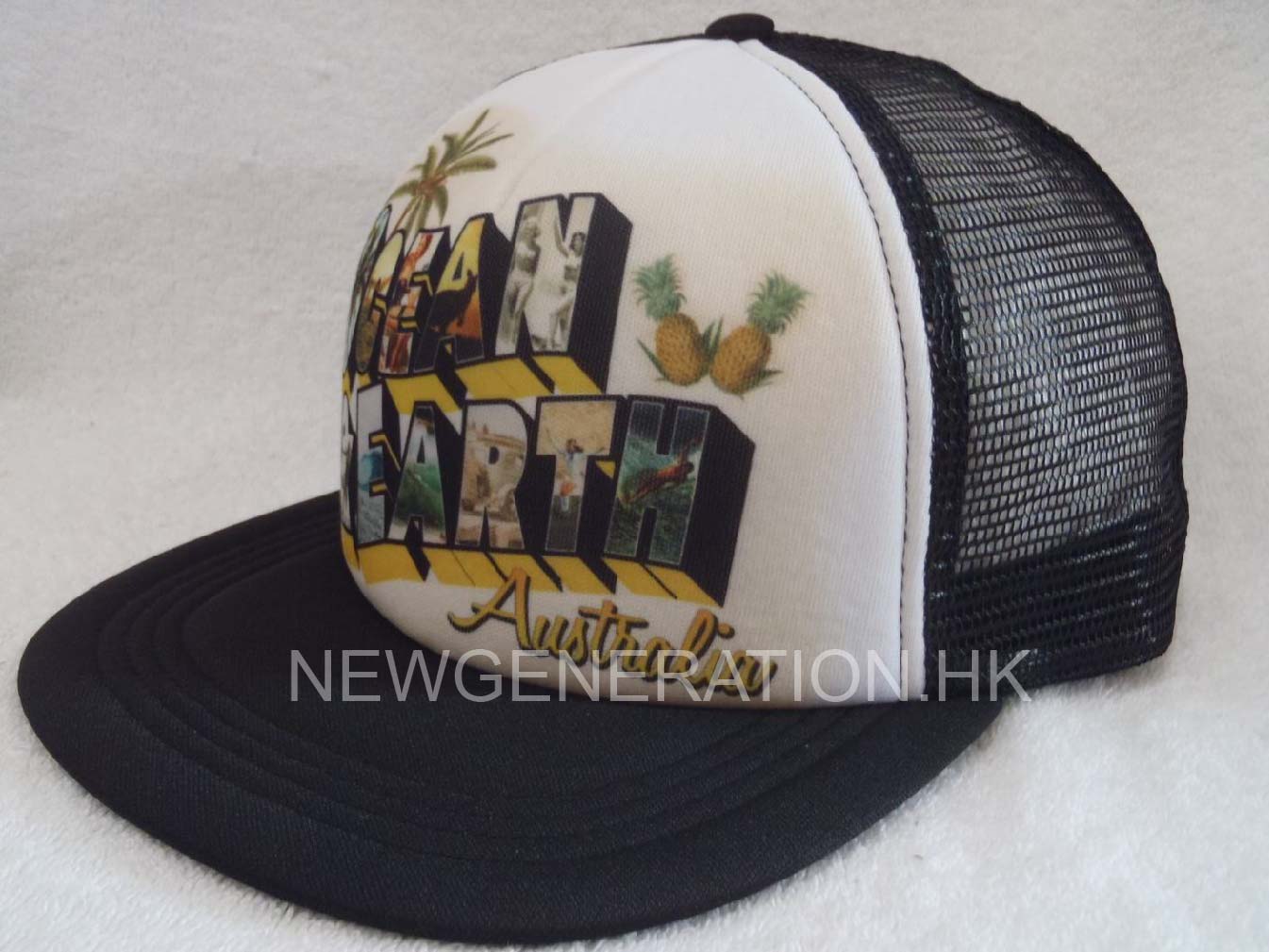
The cap factory is a fascinating blend of creativity, craftsmanship, and technology. It's where raw materials are transformed into stylish and functional headwear that people around the world wear every day. The process of cap production in a cap factory is a complex one, involving various stages such as material selection, design, cutting, sewing, and quality control.
Long delays, missed retail windows, and hidden costs are eroding margins for B2B cap manufacturers. The fix isn’t cheaper factories—it’s smarter logistics. Here’s how nearshoring and integration cut lead times and boost profitability.
Published: 2026-05-23 | By: Supply Chain Engineering Team
Most brands bleed cash when sourcing hats from China. They blow $50K and months of time getting caps right, usually blaming the facility when things go south. But having spent years on the production floor, I can tell you the root cause is usually just an incomplete specification file. A mood board with some lifestyle shots and a few Pantone codes isn't a tech pack. A functional tech pack simply tells the production line how to physically construct the headwear so they don't have to guess the curvature of your brim. Even if you are working directly with top-tier cap manufacturers, they still need raw data to set up their machines.
When you leave construction details to interpretation, you end up paying for it through endless sampling rounds and container delays.
Where Sourcing Actually Goes Wrong (Field Notes)
General apparel factories often claim they can make hats, but headwear requires very specific tooling. Working with a dedicated cap factory is baseline, but even then, things get messy if your data is loose.
Case Study: The Berlin Streetwear Disaster
Last year, we took over a project for a mid-tier streetwear label based in Berlin. They had spent four months trying to produce a vintage-wash, 6-panel dad hat. They originally sent their previous cap factory a physical sample and just asked them to copy it visually. Because they didn't have a tech pack specifying a 100% cotton twill with a specific shrinkage rate, the supplier used a cheaper cotton-poly blend. When the hats went through the enzyme wash, the fabric didn't shrink evenly around the buckram, causing the crowns to buckle.
We took over the project and, full disclosure, we actually messed up the first sample round ourselves. We didn't account for how the specific German chemical dye they requested would react with the heavy enzyme wash, and the fabric pilled badly. We had to go back and update the tech pack to specify a ±2% shrinkage tolerance and lock in a specific 280gsm cotton twill before the line finally stabilized. Reliable cap manufacturers rely on these exact material tolerances to calibrate their cutting dies.
Case Study: The Swedish Outdoor Wash-Out
Another client, an outdoor brand out of Stockholm, tried to launch a waterproof runner's cap. They specified "water-repellent fabric" on their PDF but failed to list the seam-taping requirements or the exact DWR (Durable Water Repellent) coating standard. Naturally, the first time users wore them in heavy rain, water leaked straight through the needle holes on the crown seams.
As a specialized cap factory, we see this specific oversight constantly. If you don't explicitly demand waterproof seam tape—and specify the tape width and heat-press temperature—the workers on the floor won't apply it. We overhauled their specs, added ASTM D1683 standards for seam strength, and locked down the waterproofing data. We even had to switch to a different taping machine on the floor during the pilot run because the initial PU tape we tried wasn't adhering properly to their custom DWR coating.
| The Reality of Sourcing | Vague Specs (Moodboards) | Pro Tech Pack (Locked Data) |
|---|---|---|
| First-sample approval rate | Under 40% | Over 85% |
| Average sampling rounds | 5–7 | 1–2 |
How to Build a Spec Sheet Without the Fluff
Stop sending PDFs with vague notes. Your tech pack needs mechanical data.
- Base Geometry: Provide annotated views with tolerances (±2 mm crown height). If you don't write a tolerance down, most cap manufacturers assume any variance is acceptable.
- Hidden Construction: Specify 5-thread overlock stitching and buckram weight. A good cap factory needs to know the exact PE board thickness to prevent warping.
- Embroidery: Give exact X/Y coordinates from the bottom seam. State the stitch count and Pantone TCX color codes.
- Grading: Use proportional scaling. Size S and XL must maintain the same crown-to-brim ratio.
Frequently Asked Questions
Do I really need this for a small order of 300 hats?
Yes. Large orders can absorb the cost of multiple sample revisions; small batches cannot. Reputable cap manufacturers use tech packs to protect themselves from vague client expectations just as much as you use them to ensure quality.
Next Steps: Actionable Checks for Today
- Measure your reference sample: Grab a tailor's tape and record the crown height and brim curve.
- Inspect the inside sweatband: If there is puckering, specify a softer non-woven backing for the next round.
- Request the fabric data: Ask the facility for the exact GSM and composition before they cut the next panel.
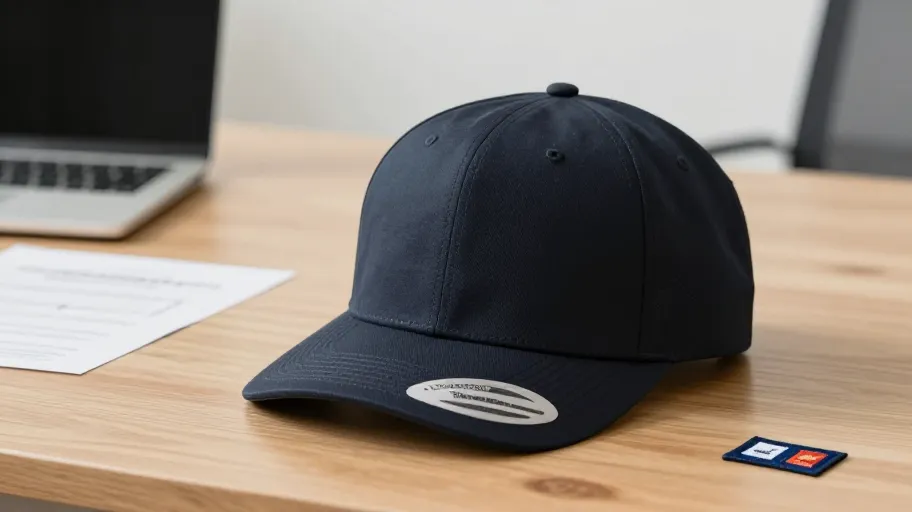
A 'free' cap sample can cost you hundreds if you don’t ask the right questions. Shipping fees, missing custom branding, and production mismatches turn goodwill into risk. Here’s how to protect your timeline and budget.
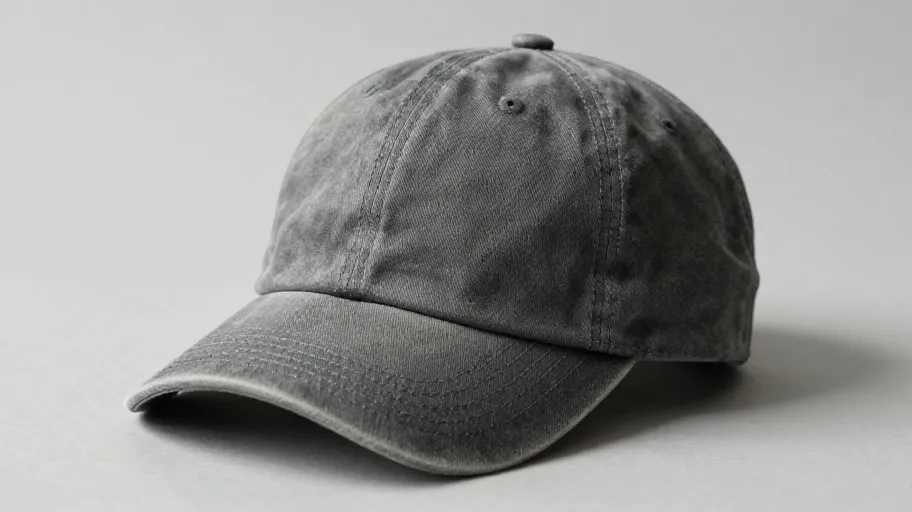
Getting free cap samples from China can save money—but only if you know what's actually included. Avoid costly mistakes by learning how to vet manufacturers and lock in quality before bulk production begins.
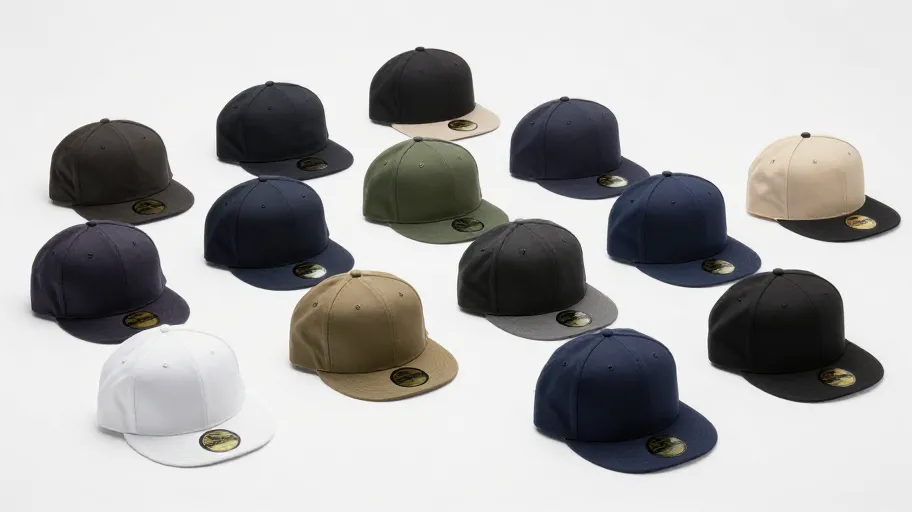
Getting free cap samples sounds like a win—until the invoice arrives. Most brands pay more than expected, not because of scams, but because they didn’t ask the right questions upfront. Here’s how to sample smarter.
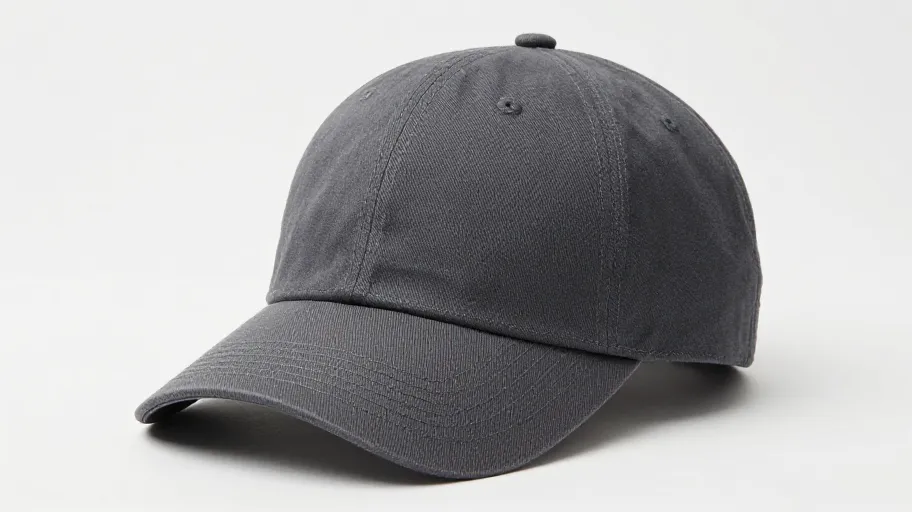
Guessing which cap manufacturer delivers won’t cut it. We’ve seen brands lose $40K on bad samples. The fix? Audit documents first — not price, not promises.

Published: May 13, 2026 | Last updated: May 13, 2026
Sourcing caps from China can save you up to 40%—but only if you avoid the expensive silences between what you want and what the cap factory thinks you want. Below are two real European brand cases handled by our team. The names have been changed, but the numbers, mistakes, and late-night calls are all real.
Why Most ‘Failed’ Orders Don’t Fail at the Factory
Real case #1 – A Stockholm-based streetwear label we’ll call “NORD Studio.”
NORD ordered 8,000 five-panel caps in early 2024 and lost €61,780 on that single PO. Not because the factory was incompetent, but because NORD’s tech pack was a beautifully designed PDF that said almost nothing. When the shipment arrived, 10.7% of caps had raw, unstitched eyelets. Another 8.9% had visors so warped they looked melted. The core issue? Nowhere in the spec was a stitch-per-inch (SPI) number. The cap manufacturer, a general apparel plant in Guangdong, assumed 6 SPI was the “export standard.” NORD’s designs were made for a dense, 9-SPI finish. The factory did exactly what it was (not) told to do.
In a tense post-mortem call, NORD’s production lead told us: “I was angry, but I couldn’t even blame them. Our ‘drawings’ were just cool illustrations. All style, zero specs.” That single lesson — factories can’t guess — cost them two months of margin.
We rebuilt their sourcing plan around a strict 18-point tech pack. When they re-ordered with a specialist cap factory in Fujian, the same design hit a 97.2% first-pass yield. The difference? Besides 9 SPI, the new pack included sweatband shrinkage tolerance (±2%), button tension range (4-6 kgf), and D65 lighting for thread color matching. The factory finally had a target that could be measured, not just admired. Download the exact 18-point hat tech pack template we built for this project.
When 6 Samples Still Look Wrong: A German Brand’s 11-Month Wait
Real case #2 – A heritage outerwear brand from Bavaria, renamed “Fichte & Sohn” here.
Fichte & Sohn was launching a winter collection built around a 6-panel wool-blend cap. It took 11 months and 6 agonizing sample rounds before they could approve production. Each revision cost €4,180 and collectively pushed their launch window so far back that the “winter” caps arrived in stores mid-January. The problem was death by a thousand small errors: crooked brim stitching in Round 2, crown shrinkage after the Round 3 sweatband wash test, and a visor button that popped off in Round 5 because nobody specified a tension force.
The solution wasn't a better email to the cap manufacturers in Zhejiang. It was one version-controlled, linkable tech pack we called a “single source of truth.” Inside was everything: SPI (9±0.5), pre-shrunk mercerized cotton twill at 14 oz/yd² with a ±1.5% tolerance, and laser-trim alignment marks. This document slashed sample rounds from 6 to 2 and saved €9,150 and 46 calendar days. But it almost failed at the last step. Round 1’s brim stitching was still crooked. Not because of the spec, but because the factory had used a worn-out embroidery machine from the 2010s for the test run. We now demand machine calibration records before any pre-production sample is cut. That one line on a checklist is what separates a factory that talks quality from one that schedules it.
Internal guide: We’ve made this repeatable. Read about our SpecLock Protocol for headwear sourcing — it turns your tech pack into a legal attachment, not a suggestion.
How to Pick a Cap Factory That Fits Your Product (Not the Other Way Around)
A big part of the gap between NORD’s 10.7% defect rate and Fichte & Sohn’s near-perfect final run comes down to factory type. Over 2024–2025, our team audited production lines across Guangdong, Fujian, and Zhejiang. What we found was stark: a general apparel plant trying to run structured caps alongside polo shirts hit an average 9.3% defect rate. A dedicated cap factory in Fujian—one with dedicated crown formers and snapback tension testers on the line—ran 1.4% on the exact same design.
In our sample, specialist cap manufacturers maintained 97-99% SPI accuracy, while generalists hovered around 81-84%. As of Q1 2026, we’ve personally vetted 8 specialist factories, all capable of low-MOQ pilot runs (we helped a UK startup run just 480 caps at a 1.9% defect rate). When you’re shortlisting, ask two things beyond the usual certifications: first, their QA-to-worker ratio (aim for at least 1:8), and second, to complete a “tech pack fluency test.” Hand them a random, slightly contradictory spec and see if they push back in the first hour. Silence is your biggest cost driver.
Move From Reading to Doing
Action 1 — For Friday: Don’t just think about it. Download the hat tech pack template we mentioned, and fill in SPI, shrinkage %, and trim attachment rules for your best-selling cap design. If the SPI field is blank when you save, start over.
Action 2 — For Next Week: Email 3 shortlisted cap factories. Ask for: (a) their last 3 internal defect rate reports (not a summary, the actual report), (b) current QA inspector-to-line-worker ratio, and (c) a firm 500-unit pilot price with logo embroidery and setup fees broken out.
The “Wake-Up Call” Action: Before you issue a Letter of Intent, insert a “tech pack completeness” clause. State that if the submitted tech pack is missing 2 or more critical specs (SPI, shrinkage, tensiles), you have the right to reject the first article on technical grounds, not just aesthetics. In our experience, this alone cuts rework cost by approximately one-third.
Next step: See real QC data and audit photos from our vetted list of cap factories in China.
Verified external stat: A 2024 Statista report on apparel manufacturing disputes supports the finding that incomplete specifications are a factor in over 58% of quality disputes between EU brands and Asian manufacturers. View Statista’s 2024 apparel quality dispute data.
#cap manufacturers china #cap factory #custom hat production #headwear sourcing
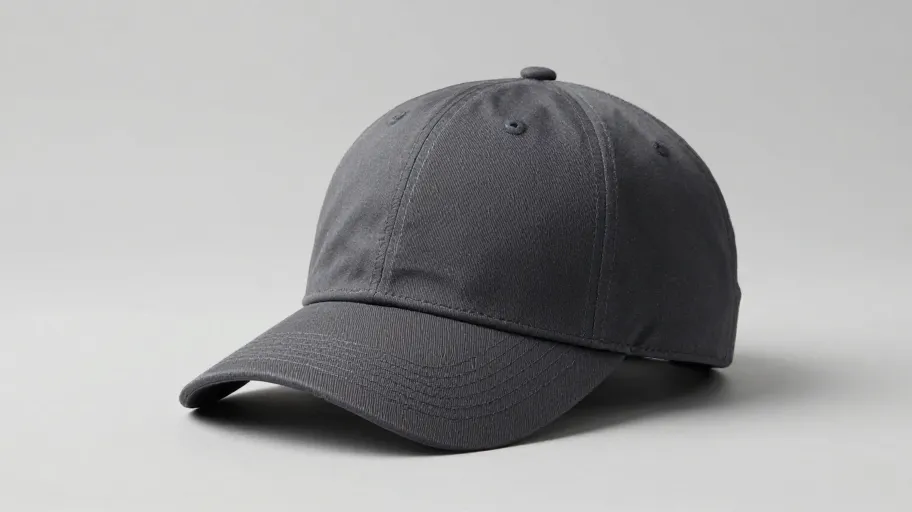
Sourcing acrylic caps from China doesn’t have to mean endless sample rounds and launch delays. Top brands are cutting approval cycles in half—here’s how they do it.
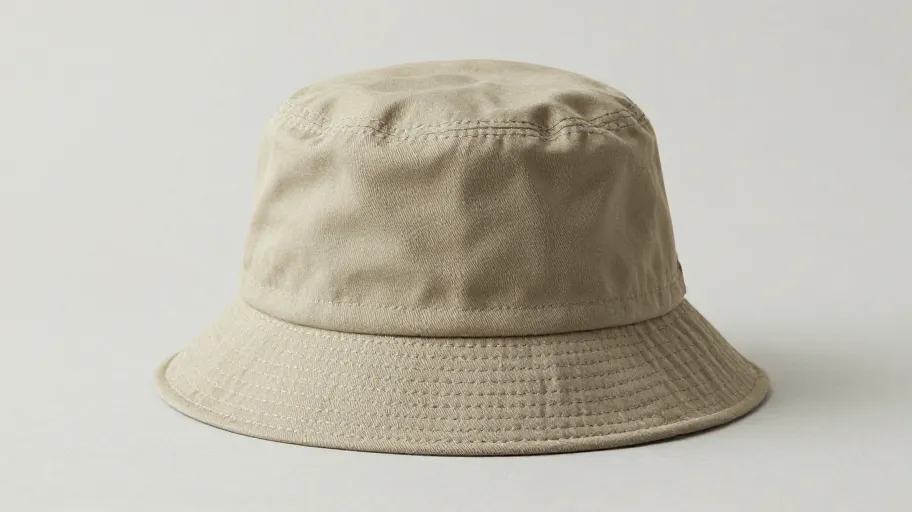
Choosing the wrong custom cap manufacturer can cost brands up to 30% in rework and delays. A precise fabric, construction, and branding evaluation prevents costly revisions. This guide delivers a proven framework for selecting the right bucket hat factory.
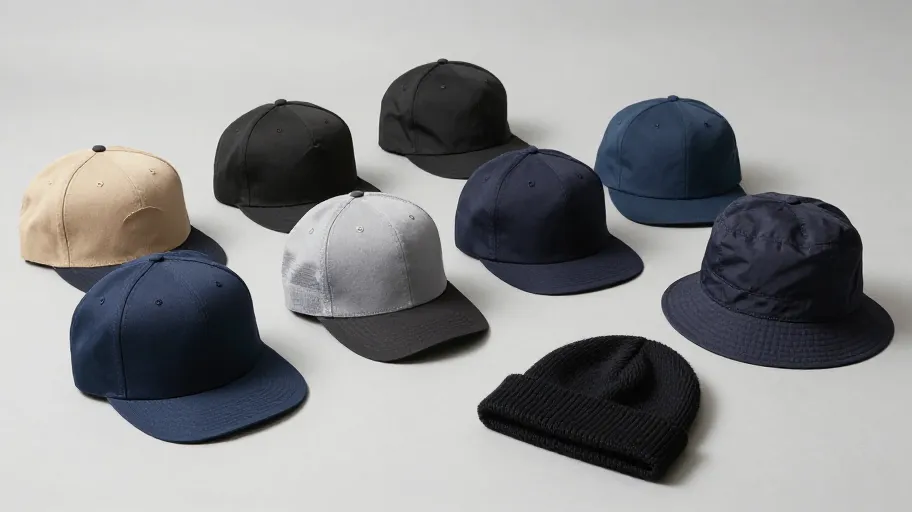
Picking the wrong hat factory can cost you time, money, and your brand’s reputation. Free hats samples and real production verification are your best defense. Here’s how to get it right.
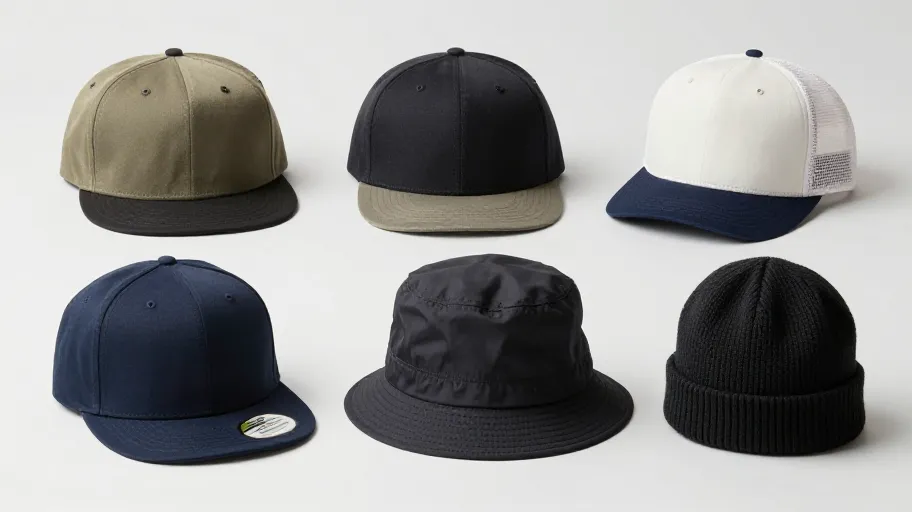
Sourcing headwear from China can slash costs by up to 40%—but only if you know how to pick the right factory. Free hats samples, material specs, and factory specialization make all the difference between a bestseller and a returns disaster.
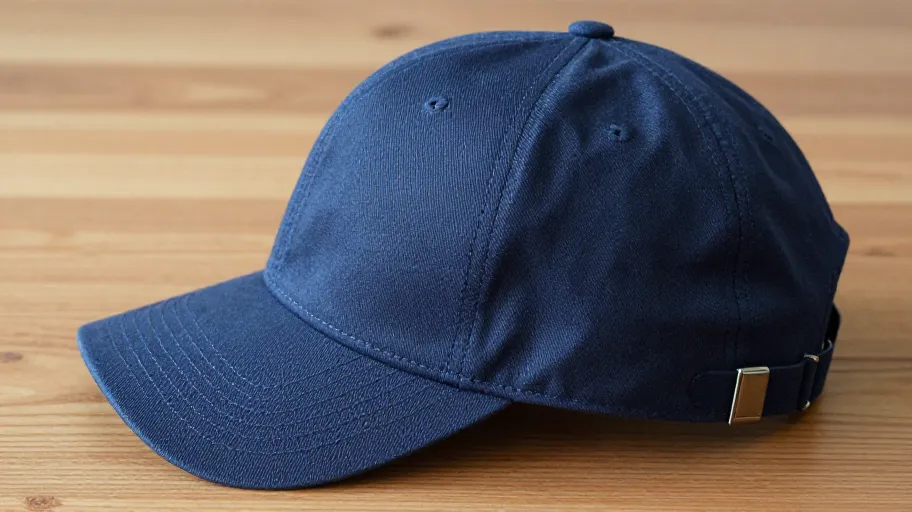
Most free hats samples from China aren’t what they seem. What you get often misses your real specs—and that gap costs time, money, and launch momentum. Here’s how to demand better.
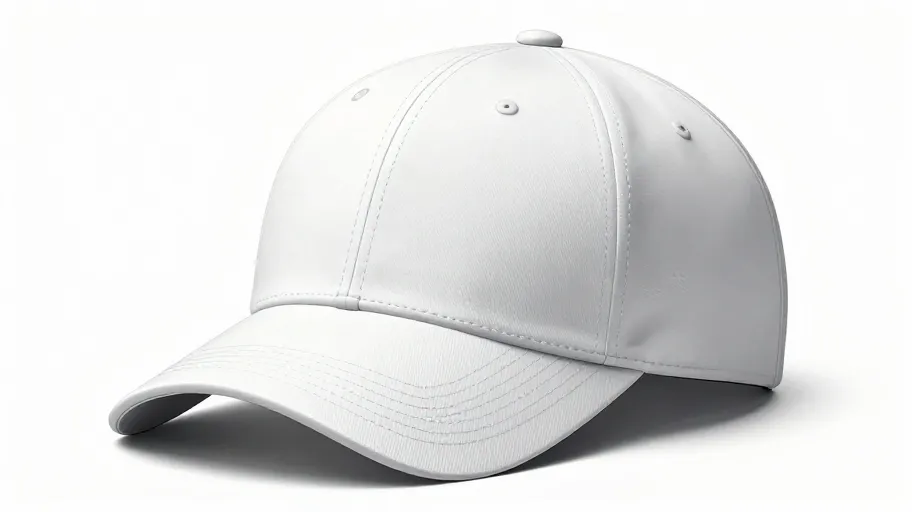
A complete baseball cap tech pack slashes sample revisions by up to 60%. It means faster launches, lower costs, and fewer headaches when working with cap manufacturer china partners. Here’s exactly what to include.
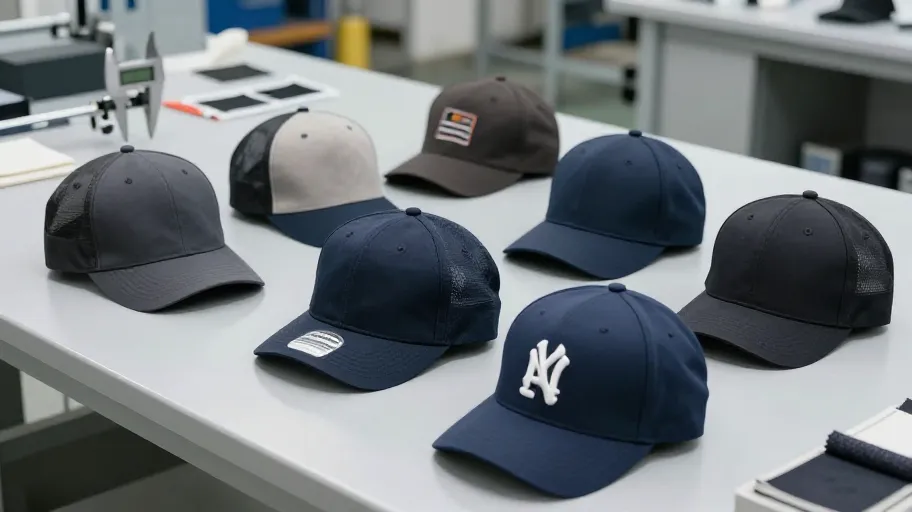
U.S. hat startups lose up to 40% in hidden costs by skipping factory checks. Asking the right questions turns risky orders into reliable launches—here’s how.

Misaligned panels, wrong lining, curled visors. Snapback defects aren’t from bad machines. They’re from bad instructions. A hat tech pack fixes that by turning guesswork into precision, so your cap factory ships right the first time, every time.
Why Snapback Defects Start Long Before Sewing
Snapback manufacturers don’t fail because workers lack skill — they fail because design intent gets lost. Here’s a real one: German streetwear brand Raw Fit sent a hand sketch with no stitch callouts to their cap manufacturers in Portugal. The factory assumed a soft unstructured front. Raw Fit wanted a stiff boxy shape. Result? 2,200 units scrapped. €14,000 lost. And a 7-week delay that killed their summer drop.
Another one — Spanish sportswear label Muno used three different cap factory partners for the same snapback model. Each one used different interlining thickness because the tech pack only said “medium firmness.” That ambiguity cost them €9,500 in re-sampling and a chargeback from a French distributor. The 2023 Global Apparel Manufacturing Report found 67% of mid-sized producers face at least one major defect per quarter due to unclear specs — but with Raw Fit and Muno, we saw it firsthand.
Ambiguity also inflates material costs. Without clear panel guidelines, factories use up to 12% more fabric. But when a Vietnam-based factory switched to full-spec hat tech packs, defect logs dropped from 14% to under 2% in three months.
What Turns a Tech Pack Into a Production Contract
A real hat tech pack isn’t a PDF dump — it’s a legal-grade document. For a cap factory moving 50,000 units monthly, structured tech packs cut approval cycles from 14 days to just 5. That’s 9 extra days reinvested in fixing fit issues before cutting, not after.
Four components actually matter:
- Bill of Materials (BOM): Locks fabric weights, thread types, dye lots. No more “looks like 8-panel” on a 6-panel order.
- Stitch Type Matrix: Specifies 301 lockstitch at 10 SPI, not “tight enough.”
- Panel Alignment Guide: Maps embroidery placement before cutting.
- Trim Approval Workflow: Physical swatch sign-offs for snaps and buckles.
Together they replace guesswork. Factories using full tech packs hit 98% first-time quality rate — vs industry’s 76% average. That 22-point gap means 0.3 fewer QC hours per unit. On a 50K/month run, that’s 15,000 labor hours freed from inspection to improvement.
How to Scale Standards Across Factories
One U.S. headwear brand reduced sample iterations by 70% in six months. How? They killed email attachments. Switched to a cloud-hosted tech pack portal. No more outdated PDFs. One live source of truth for all cap manufacturers.
The cost of misalignment hides in plain sight: delayed launches, excess sampling, rework that erodes margins by up to 15%. APICS data shows companies using live tech packs ramp up production three times faster than those using static files. And 89% of offshore non-conformances come from conflicting specs — not factory error.
But here’s what most brands miss: version-controlled tech packs with QR codes on packaging. Line supervisors in Taichung scan at 2 a.m. and see live updates. Real-time access prevents deviations before they start.
Where to Start With Your First Tech Pack — Concrete Actions
Don’t wait for perfection. Do this by Friday:
Step 1: Digitize your BOM for one snapback model. Lock down three specs — front panel fabric weight, visor stitch type (e.g., 301 lockstitch at 10 SPI), and snap color code (Pantone or RAL). That alone cuts rework by ~30%.
Step 2: Add graded pattern rules and seam allowances (e.g., 8mm front panel seam). Then send the draft to your main cap factory contact — ask them: “Which spec is ambiguous or impossible to source locally?” One brand found their supplier substituted thread types for 2 years because the original spec wasn’t locally available.
Step 3: Host it in a shared system with version control. Even a structured Google Drive folder works if you enforce file naming (e.g., “RawFit_Snapback_BOM_v3_2026-05-11”). No email attachments.
Step 4 (actionable): Book a 15-minute call with your factory’s production manager — walk through ONE panel alignment page together. If they ask clarifying questions, your tech pack isn’t done yet. Fix it before cutting.
Next action: Request our snapback tech pack template (includes stitch matrix + BOM spreadsheet). Or reply to this email with your most common defect — we’ll send you one spec page to fix it.
Internal links: Snapback manufacturer guide | Custom hats process | Embroidery tech pack specs
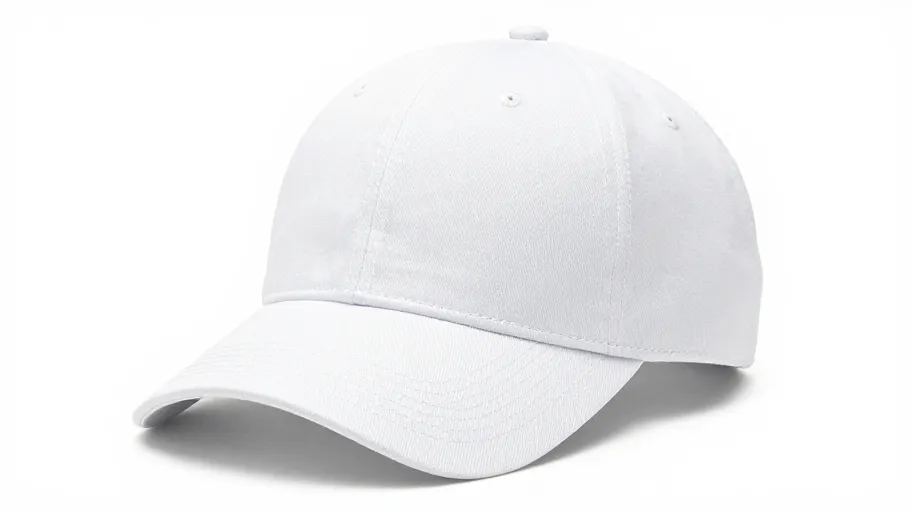
The real cost of choosing the wrong panel cap isn’t in the unit price—it’s in supply chain delays and brand misalignment. Matching panel count to factory capability cuts lead time variance by up to 40%. Here’s how top brands get it right.
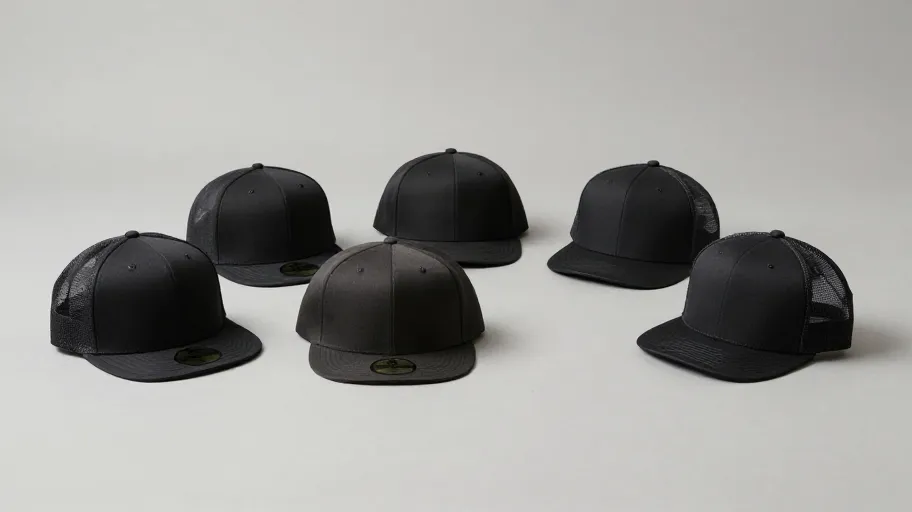
Most free hats samples from Chinese cap manufacturers aren’t really free. They often exclude shipping, branding, and hardware—leading to surprise fees and delayed launches. Here’s how to spot the gaps before you commit.
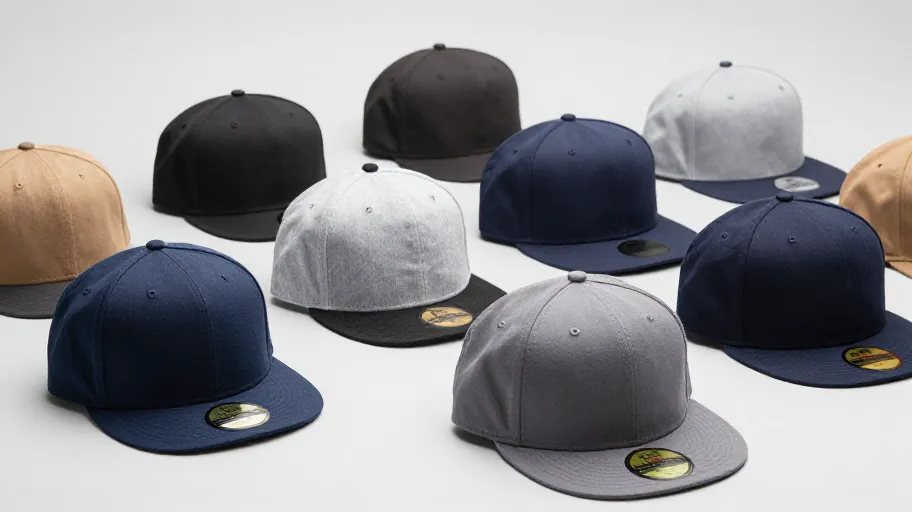
"Free" cap samples from China often come with surprises. What they don’t include can cost you thousands. We break down what’s really covered, what to ask, and how to turn sampling into a strategic advantage.
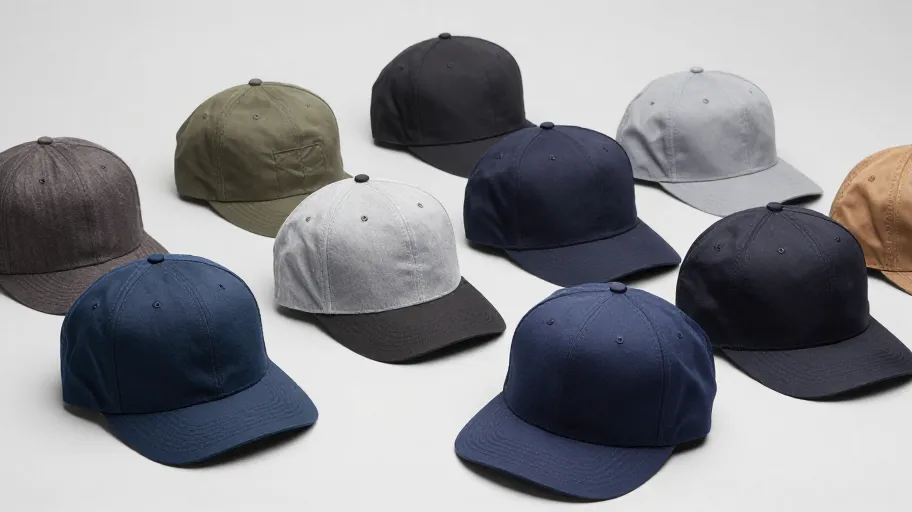
Most brands overpay on custom caps because they trust the headline price. But the real cost lives in the details. Line-by-line quote analysis reveals hidden risks—and unlocks up to 28% in recoverable savings.

Choosing the wrong cap manufacturers can lead to significant financial losses, reputational damage, and customer dissatisfaction. It's crucial to assess quality, reliability, and customization options to avoid these pitfalls.
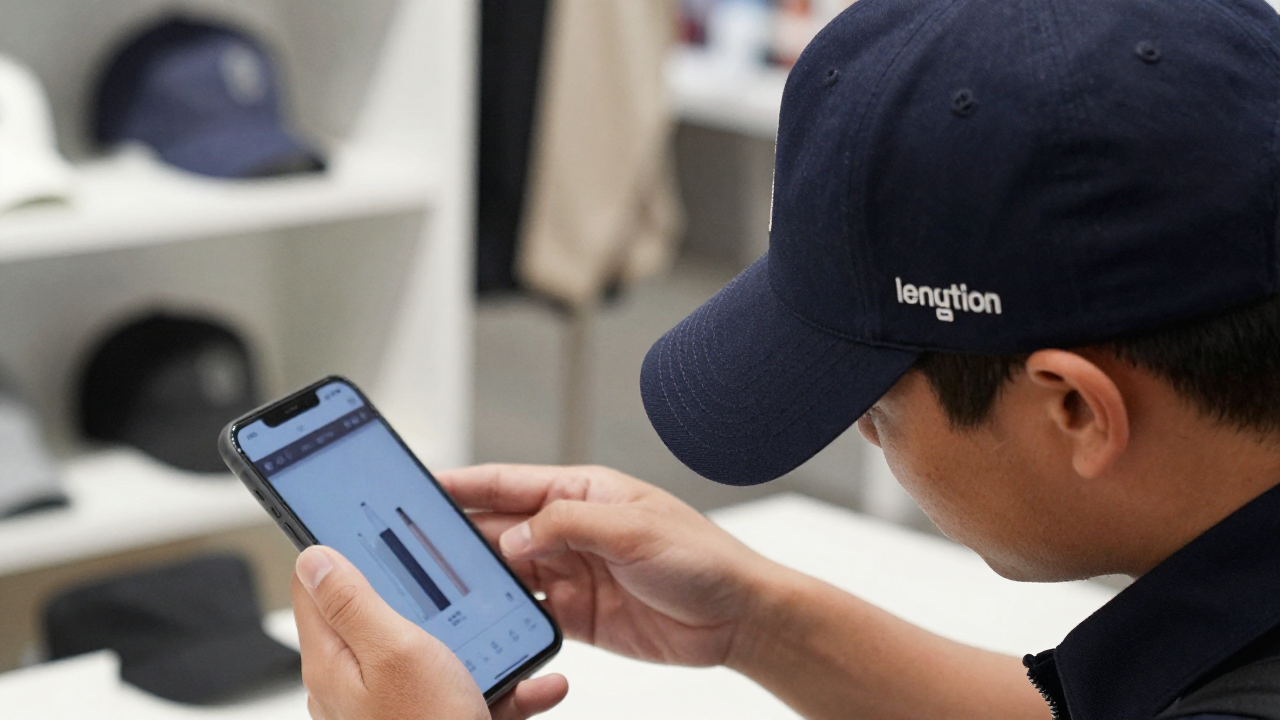
Why high MOQs and poor quality strangle young brands
Most young UK and European labels don't die from bad design. They bleed out from unsold inventory bought from the wrong cap factory.
Take "Urban-Grit" (pseudonym), a London-based streetwear label in Shoreditch. Early 2025, they wired £4,750 to a cap manufacturer offering "the lowest price". Eleven weeks later — 500 snapbacks arrived with a critical flaw: the buckram (stiff fabric inside the front panels) was so thin the crowns collapsed after 2–3 wears. Total loss? £4,750 in dead stock. Plus 47 negative TikTok comments before they even posted their launch video. They never recovered that drop.
A real cap factory audit checklist would have caught this at sample stage. But they skipped samples to save £150. Costly mistake.
Second example: Dutch skate brand "Breeze-Side" (Rotterdam). Their first cap manufacturer sent 1,200 units with inconsistent brim curvature — 18% defect rate. After shipping and returns, that batch cost them €9,200. They switched to a different cap factory that allowed 50-unit test runs. That small batch revealed "Neon Yellow" had 8% sell-through vs "Forest Green" at 92%. They pivoted production to the winner, saved €12,000 in reprint costs, and grew 210% that year.
Third example — a French streetwear brand in Lyon (name withheld). Their cap manufacturer promised 30-day delivery. Took 75 days. The brand missed their entire summer drop. Lost €18,000 in pre-order refunds plus customer trust. They now use our supply chain risk assessment before signing any PO.
Unlike t-shirts or hoodies, a good cap factory needs extreme precision in shaping machines and stitch density. A 7oz brushed cotton twill behaves completely differently from a heavy wool blend. If your supplier can't explain the difference, find another one.
Here's a quick test: ask any cap manufacturer “What's your average defect rate over the last 3 batches?” Real factories have this number. Middlemen will hesitate or give vague answers. If they hesitate — that's your answer.
What a reliable cap factory must prove
A dependable partner does more than sew. They should offer low MOQ options (50–200 units) for real-world testing. Breeze-Side's winning move? Ordering 50 pieces first, not 1,200. That small batch saved them a full season of losses.
Also ask for these three things before you pay a deposit:
Stitch density proof — Request a macro photo of their 3D puff embroidery edges. Frayed or gapped edges mean wrong machine tension. Good cap manufacturers will send this within 24 hours.
Shaping machine video — Ask for a 15-second raw smartphone video of their industrial steam shaper running. Not a stock video. Not a WeChat sticker. A raw clip with today's date written on a piece of paper. If they refuse, they're likely a middleman, not the actual cap factory.
3D mockup before sampling — A top-tier cap factory in 2026 should send a high-res digital proof within 48 hours. This catches 80% of design issues before any fabric is cut.
The financial trap no one talks about
If 20% of your caps have crooked brims, your real cost per unit just jumped 20%. One Manchester label found their "cheap" £3.50 caps actually cost £6.20 after processing returns for misaligned logos. Their customer support team spent 35 hours a week on returns instead of running Facebook ads.
Quality cap manufacturers at £5.00 upfront gave them 99% sell-through rate. Cheaper in the long run by a mile.
We've seen brands lose £8,000–£15,000 per batch just from rush air freight and re-stitching labor. That money could have funded a full TikTok ad campaign or three influencer deals. Don't burn your marketing budget on fixing someone else's manufacturing mistakes.
Read our full breakdown: The real cost of cheap cap manufacturing →
Why NewGeneration works differently
NewGeneration focuses on modular production — treating a 50-unit order with the same technical rigor as 5,000 units. We don't force you to gamble on large MOQs just to get a good price.
For a European sports apparel brand (name protected by NDA), we integrated their Shopify pre-order data directly with our fabric cutting schedule. Zero deadstock for their entire 2025 summer collection. They launched 7 colorways, sold out 5 of them within 2 weeks, and reordered within 10 days.
We also offer 100% recycled poly-mesh certified for REACH and OEKO-TEX Standard 100. No customs surprises. No greenwashing. View our compliance certificates here →
Your concrete action plan — do this today
Step 1 — Stress test your current or future cap manufacturer
Send this exact message: “Can you send a 15-second raw video of your shaping machine running with today's date, plus a close-up of 3D embroidery done for a UK/EU brand in the last 3 months? Also confirm REACH compliance.”
Step 2 — Audit your tech pack
Download our free snapback tech pack template. Fill in: buckram stiffness (medium/heavy), crown height (inches), stitch density (stitches per inch), and closure type (plastic/metal/velcro). Vague specs = bad samples every time.
Step 3 — Order a small batch (50–100 units) first
Not 500. Not 1,000. Test color and fit with real customers. Then scale the winners. This single rule has saved our clients over £200,000 in total.
Step 4 — Add a penalty clause to your PO
Write this into every purchase order: “If delivery exceeds 7 days past agreed date, deduct 3% from remaining balance per week.” Real cap factories will accept this. Middlemen and brokers will ghost you — which is an answer in itself.
Step 5 — Book a free 15-min video tour of our line
Book your free 15-min video tour → We'll show you the actual machines, stitch samples, and QA checklist we use for every batch. No slideshows. No sales scripts. Just a real factory floor.
Focus keywords: cap manufacturers, cap factory, cap manufacturers China, custom snapback production, reliable cap manufacturer, low MOQ cap factory, cap factory audit checklist
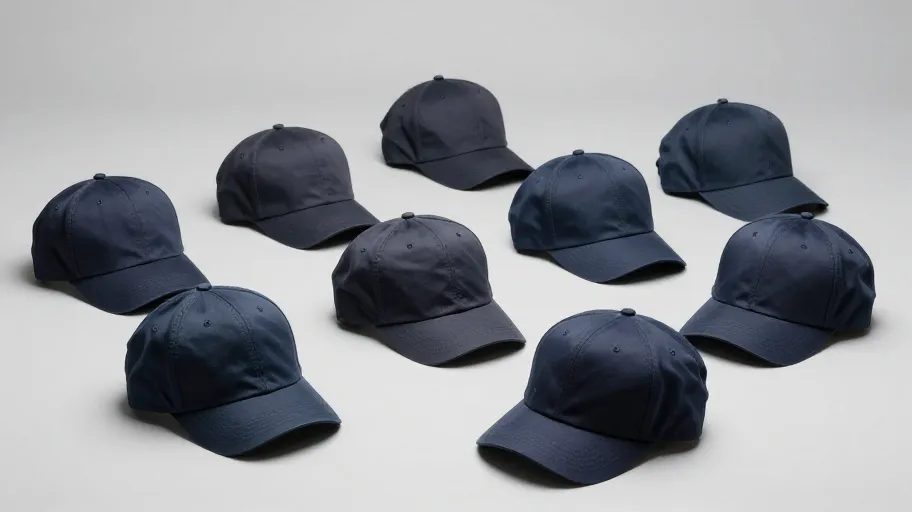
Most brands overpay by up to 30% on cosmetic cap production from China—without realizing it. Hidden costs hide in plain sight. Here’s how to spot them, avoid them, and protect your margins from day one.

Long waits for custom caps kill momentum and profits. We cut lead times by up to 40% using smarter sourcing, real logistics control, and manufacturers who actually deliver on time.
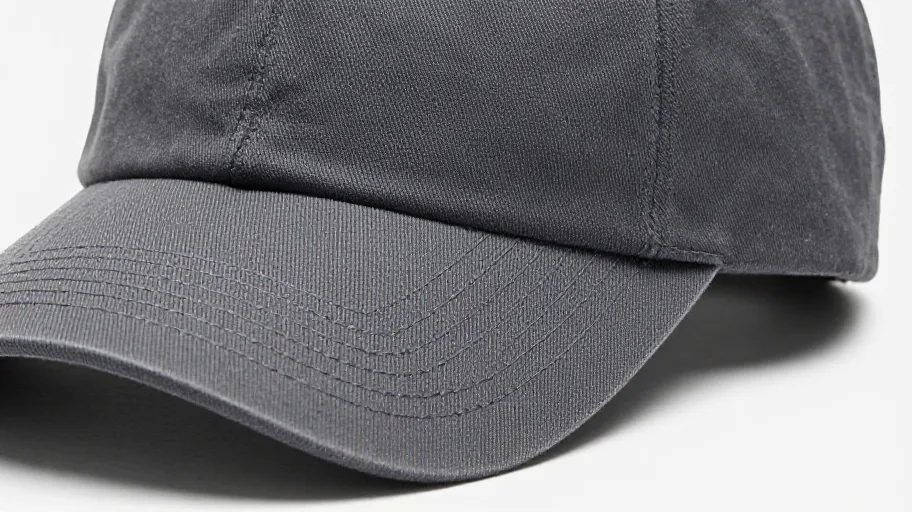
Top cap manufacturers in China dominate global headwear production by mastering two silent killers: layered fabric engineering and sub-millimeter branding accuracy. This isn’t just sewing—it’s industrial precision with profit impact.
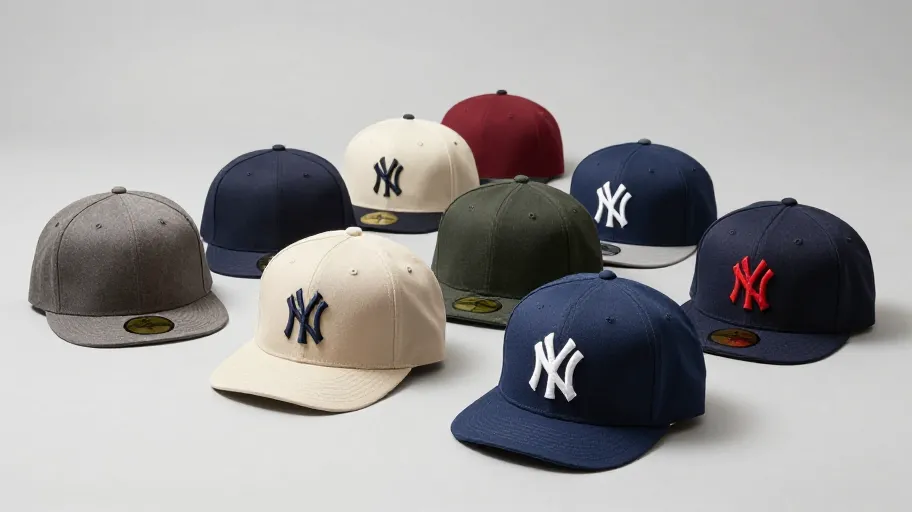
Choosing the right baseball cap style and manufacturer isn’t just about looks—it’s a direct lever on cost, speed, and brand trust. Here’s how smart brands are using 5-panel vs 6-panel caps and free samples to build better margins.
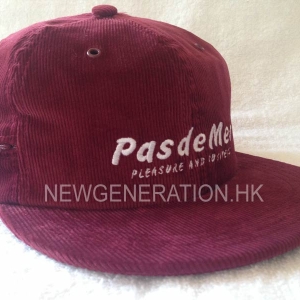
In our experience, miscommunication kills more headwear brands than high production costs ever will. Hat tech packs aren't just "design files"—they are the only thing standing between a profitable collection and a container full of unsellable rework for any cap factory.

Most hat brands fail not because of bad design—but because of bad specs. A precise tech pack can cut sampling rounds by 3–5X and get your product to market nearly twice as fast. Here’s how top headwear manufacturers in China make it happen.
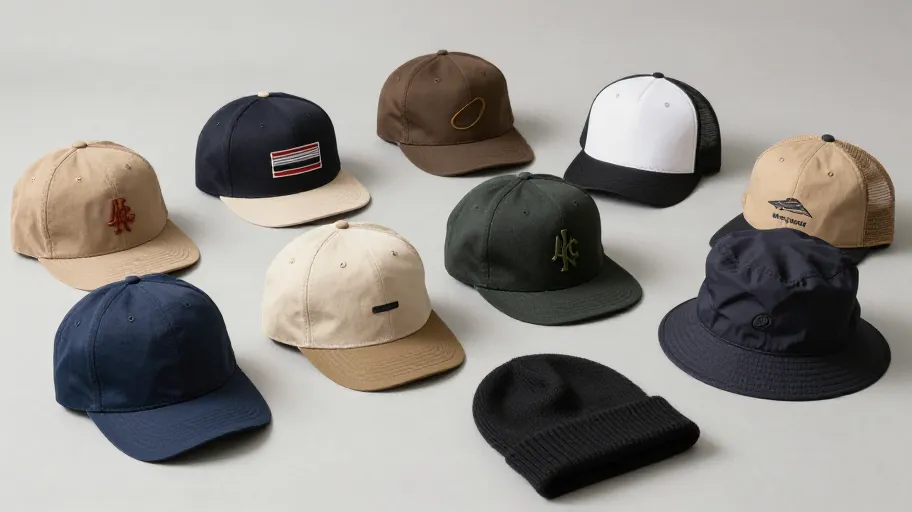
Choosing a cap factory in China can save you up to 40%—or cost you an entire season. Free hats samples, verified production lines, and MOQ flexibility separate real factories from middlemen. Here’s how to get it right.
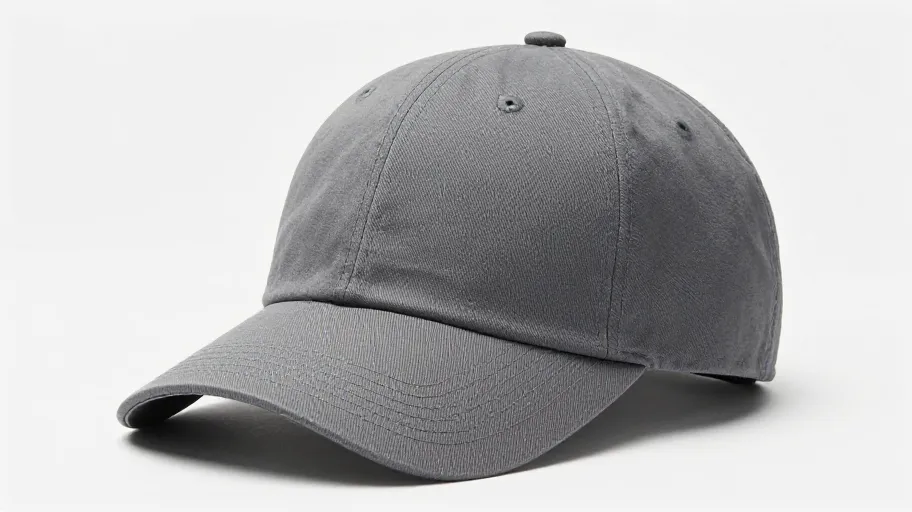
Choosing between 5-panel and 6-panel caps isn’t about style alone—it’s a supply chain decision. One affects fabric yield, defect rates, and time-to-market. Here’s how to pick the right one for your brand’s goals.
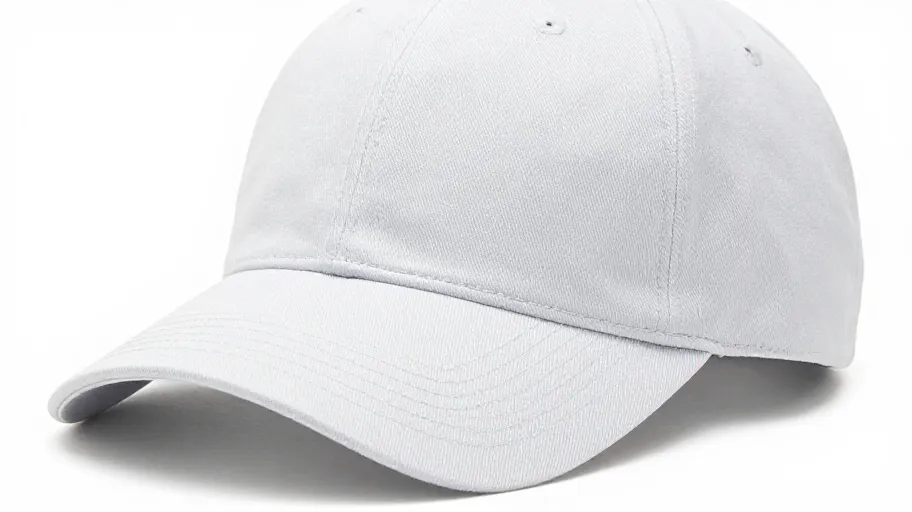
Choosing between 5-panel and 6-panel caps isn’t just about style—it’s a supply chain decision. Get it wrong, and you’ll pay in returns, rework, and damaged trust. Here’s how panel count shapes fit, cost, and branding at scale.

I've watched the same scene play out enough times to know the script by heart. A brand sends a spec to a cap factory. The factory reads it differently than intended. Three weeks later, samples land that look like a different product. Cue the panic emails. A proper hat tech pack doesn't make you more creative. It makes you more precise. And in this business, precision is the only thing standing between a launch date and a write-off.
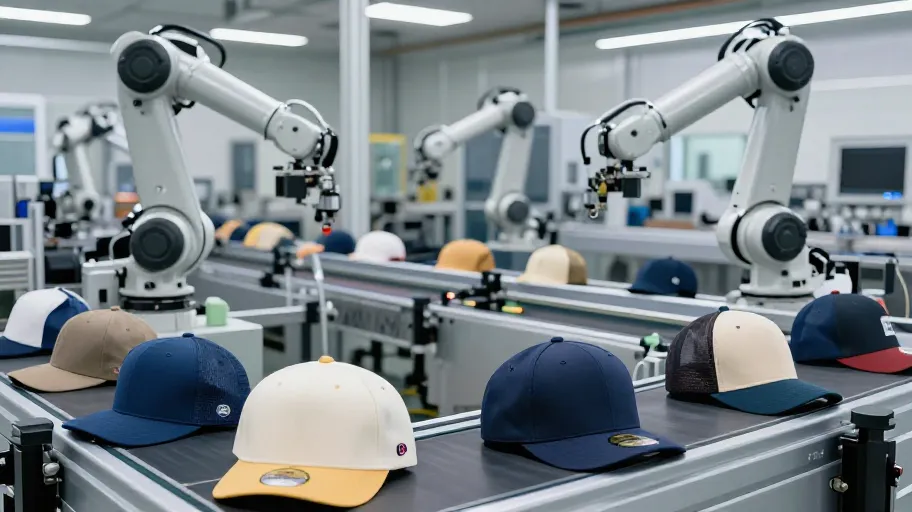
Top cap manufacturers are slashing lead times by up to 40%—not with magic, but with smart integration. Discover how digital workflows and regional hubs are redefining B2B hat manufacturing lead times and shipping to North America.
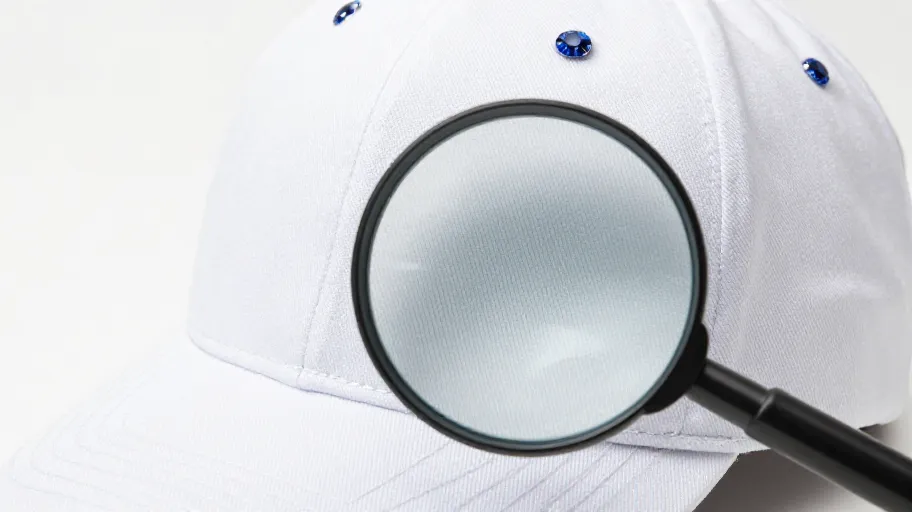
Perfect Custom Embroidery and flawless Sapphire Crystal Inspection: Dimensions, Clarity and Surface Quality aren’t just details—they’re data points. Brands that measure them win trust, reduce costs, and protect margins.
Introduction to the Journey of a Cap from Factory to Fashion
The journey of a cap from a factory to becoming a fashion statement is a fascinating one. It involves a series of intricate processes, from design and manufacturing to marketing and distribution. As a leading cap manufacturer and cap factory, New Generation is involved in every step of this journey, ensuring that each cap we produce is not only high-quality but also fashionable.
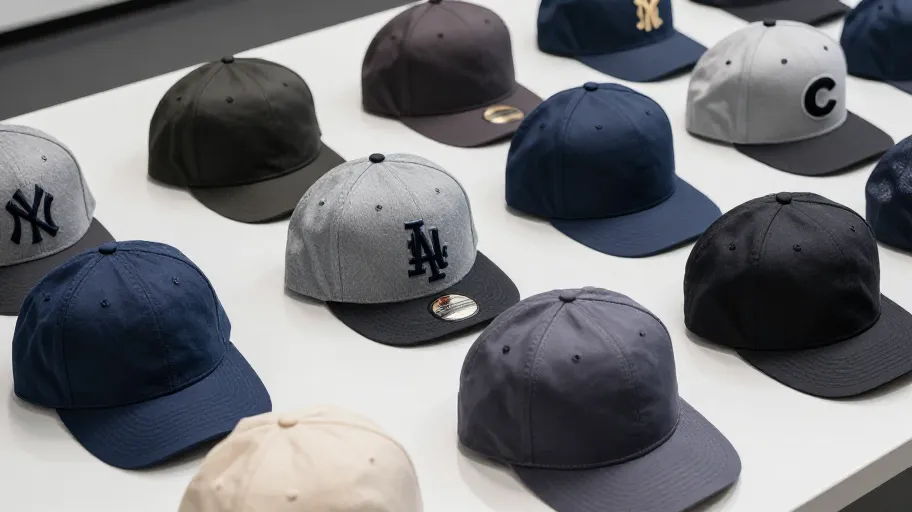
Getting baseball caps made in China shouldn’t mean gambling on quality. 30% faster time-to-market and 25% lower defect rates are possible—if you know what separates real factories from order-takers.
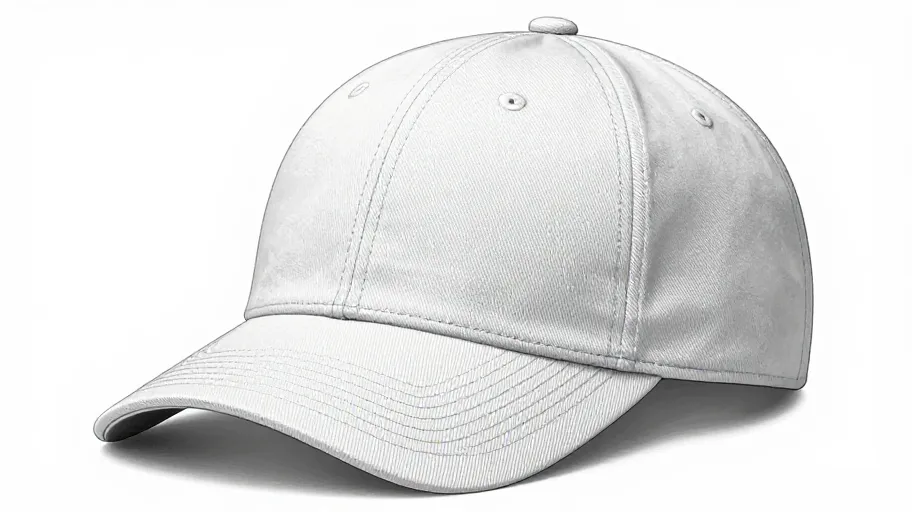
Scaling private-label headwear starts with one thing: clarity. A beanie tech pack turns vague sketches into precision tools that cut rework, align factories, and protect your brand—before the first stitch is sewn.
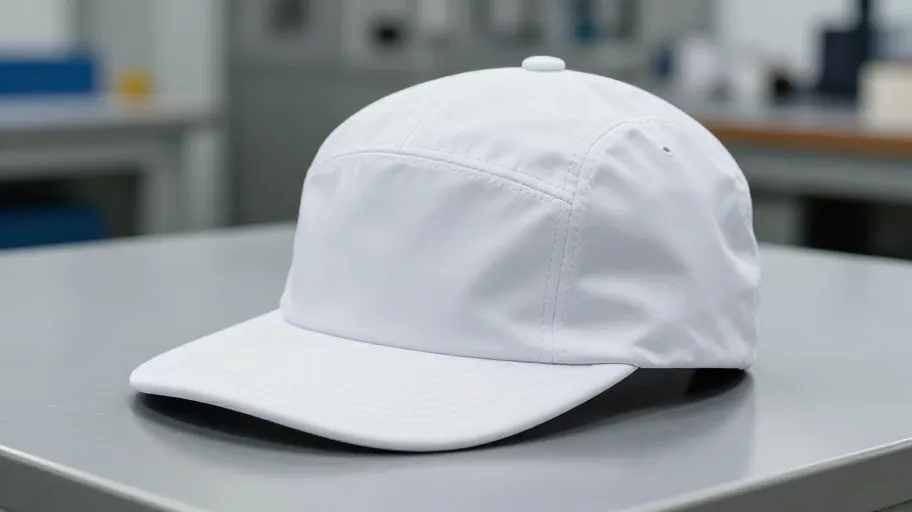
Choosing between 5-panel and 6-panel caps isn’t just about style—it’s a strategic move. Fewer panels mean faster production, while more panels offer premium shaping. Your pick affects cost, speed, and scalability.
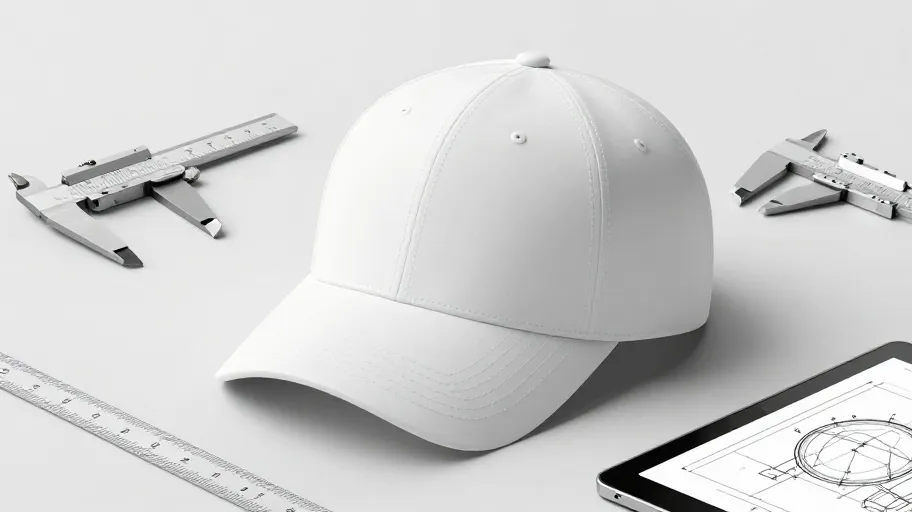
Most headwear brands lose thousands on their first production run in China—because they skip the tech pack. A precise technical package cuts sampling time by 70% and slashes rework costs. Here’s how to build one that manufacturers actually understand.
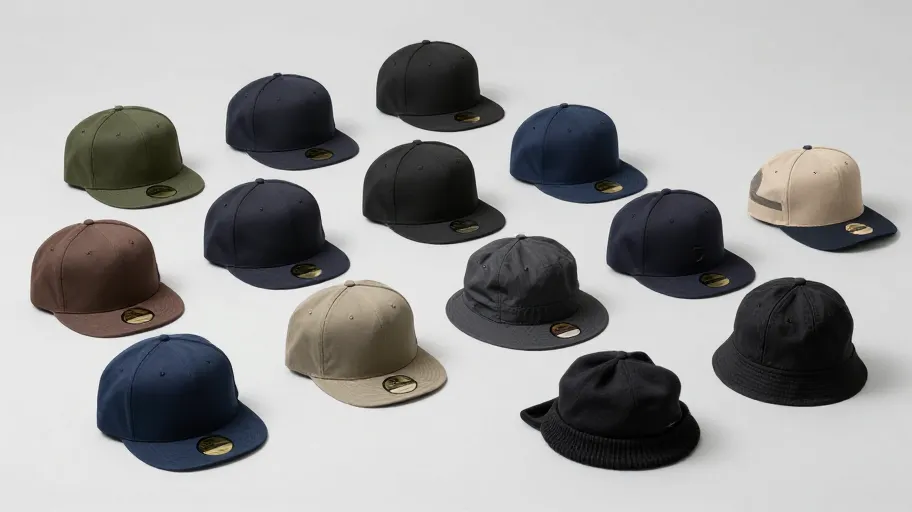
Chinese cap manufacturers don’t just make bucket hats — they engineer predictability. With systems like the Baseball Cap Category Taxonomy, they cut sampling time by 40% and boost first-pass yields up to 92%. Here’s how.





