

What a free sample actually includes
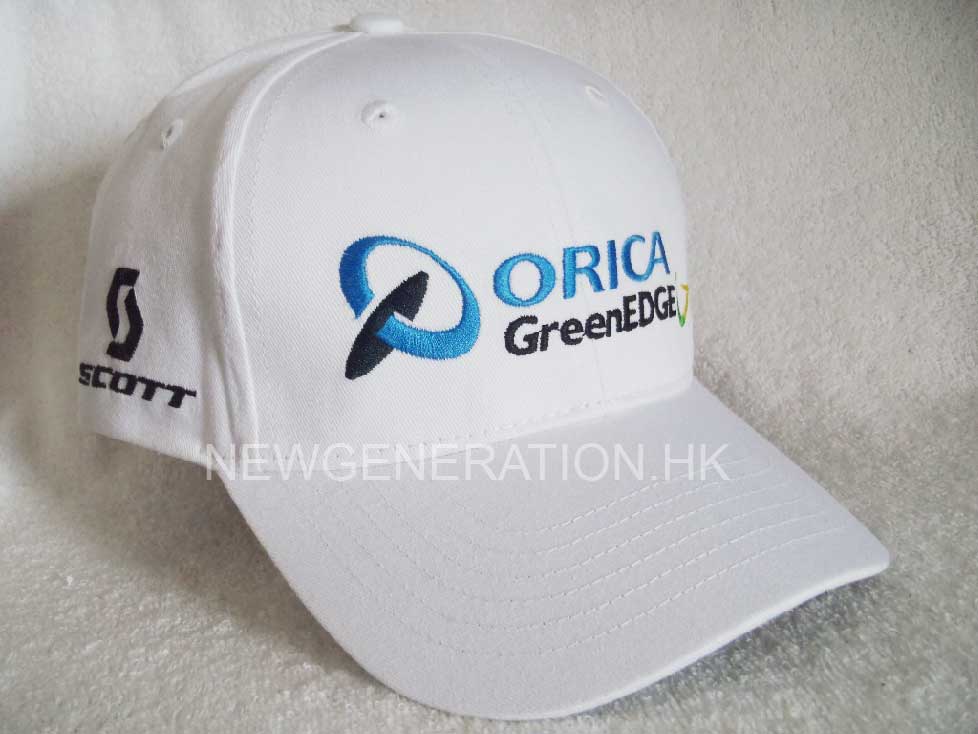
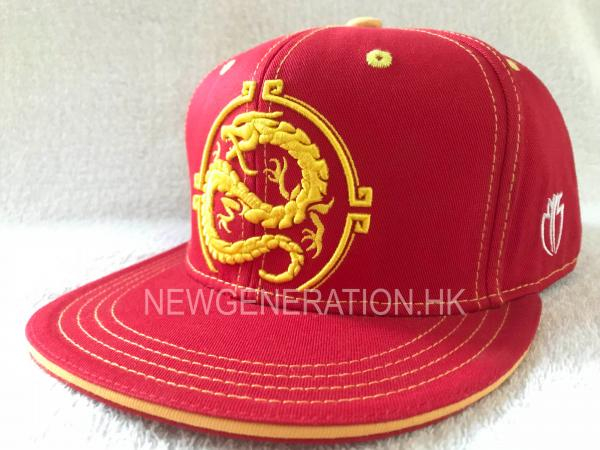
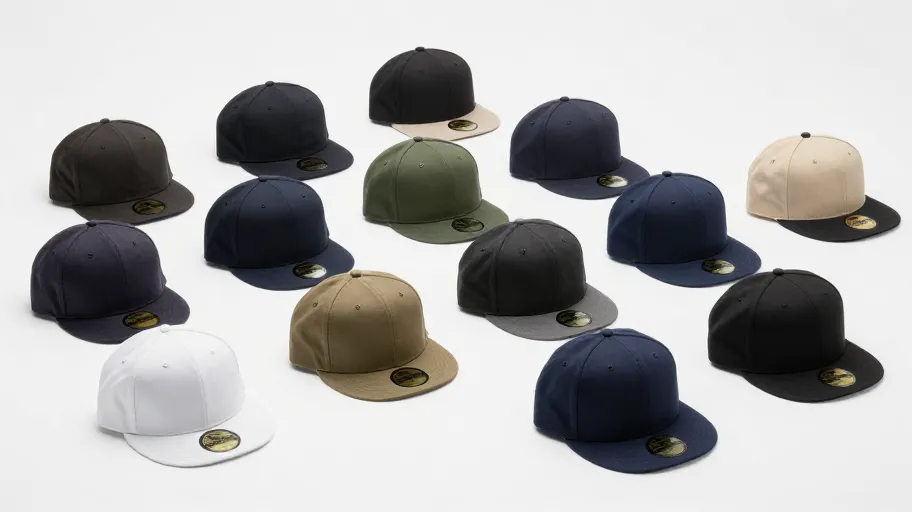
A so-called free cap sample means you get one or two prototype baseball caps made with basic materials: standard crown fabric, simple buckram, and a plastic snap or buckle. This limited build means you can assess construction quality without upfront cost—because the factory assumes you’ll place a bulk order. It doesn’t include custom trims, embroidered logos beyond a single version, or shipping.
For example, a mid-sized apparel brand in Austin requested samples from three Chinese cap manufacturers last year. They assumed embroidery and shipping were covered. Instead, they were hit with $2,000 in surprise fees—$850 for revised digitization, $600 for woven labels, and $550 in DHL charges. That’s not unusual. According to Panjiva’s 2024 trade data, 68% of first-time importers face unexpected sampling costs.
The reality is, “free” in global sourcing means “conditionally included.” Factories absorb $15–$30 per unit as a de facto sample fee—but only refund it if you meet their MOQ. If you walk away, they invoice it retroactively. This isn’t bait-and-switch; it’s risk management. Labor, material cuts, and machine time aren’t free. The sample process filters serious buyers from casual browsers.
Why factories limit what's free
Cap factories operate on thin margins, especially outside major hubs like Shenzhen and Guangzhou. Offering free samples only makes sense when there’s a clear path to volume. A supplier quoting 500-unit MOQs may include a $20 sample cost because they expect long-term orders. One requiring 2,000+ units might waive fees entirely—but only after seeing finalized artwork and payment terms.
This structure means your perceived reliability directly impacts what’s included. Brands that submit complete tech packs, vector files, and realistic timelines are 4.3x more likely to receive fully covered samples, per Sourcing Journal’s 2025 survey. Why? Because they reduce the factory’s risk. No back-and-forth. No guesswork. Just execution.
If a supplier refuses to break down what’s included—like whether digitization or trim selection is covered—it’s a red flag. Hidden resistance often masks broader issues: slower lead times, inconsistent QC, or inflated bulk pricing. Transparency in sampling predicts transparency in production.
How ambiguity kills timelines and profits
Unclear sample terms don’t just raise costs—they delay launches. Every revision due to missing specs adds 7–10 days. For seasonal headwear, that can mean missing Q4 retail or event sponsorships. One fitness brand lost a marathon co-branded deal because PMS color matching carried an unlisted $95 fee and two-week approval. That delay cost them $18,000 in lost sales.
In contrast, brands that clarify scope upfront cut non-recurring engineering (NRE) costs by up to 40% and accelerate time-to-market by 30%, based on internal data from private-label accelerators. Knowing who pays for return shipping, whether label revisions are free, and if fit adjustments are allowed lets you plan accurately.
Speed matters. A seven-day delay in sampling can compress your entire production window, forcing air freight later—adding thousands in unplanned logistics. Clarity early prevents crisis later.
How to negotiate better sample terms
Stop asking, “Are samples free?” Start asking, “What’s included in your sample build, and how does that fee apply toward MOQ?” This shift means you’re seen as a professional, not a tire-kicker. Push for a written breakdown: Is embroidery setup included? Can I choose from existing trims at no extra cost? Who covers outbound and return shipping?
These aren’t aggressive demands—they’re standard due diligence. Suppliers who provide clear answers demonstrate operational maturity. Those who dodge often have higher hidden costs down the line.
One sustainable activewear startup in Portland learned this the hard way. They requested “free samples” from five Alibaba suppliers, assuming uniform terms. Three sent hats with separate $75–$120 artwork fees, two charged for closure development, and none covered return shipping. By finalization, they’d spent $1,100—more than half the cost of a trial run. Their mistake? Treating the sample as a perk instead of a negotiation phase.
Turn samples into strategic leverage
When you treat the sample phase as the foundation of your production relationship, everything changes. You gain insight into real capacity, responsiveness, and attention to detail. A factory that sends a well-documented sample with tracking, notes on stitch density, and options for trim substitution shows they’re invested—not just fulfilling a request.
Clarity in sampling doesn’t just prevent surprise bills—it compresses your path to market and reduces full-scale production risk. You’re not just saving money. You’re securing speed, consistency, and scalability before the first bulk order ships.
See how it works for you: Audit your next sample request with a checklist. Finalized tech pack? Vector artwork? Fit testing plan? The more prepared you are, the broader the “free” scope becomes. And when in doubt, assume nothing is truly free—then negotiate from there.
#cap manufacturers china, #headwear manufacturers china, #cap factory