


Modern cap factories using integrated hat tech packs cut production errors by up to 70%. This isn’t just about cleaner seams—it’s about faster launches, lower costs, and brand consistency at scale. Here’s how the best snapback manufacturers make it happen.
A complete tech pack prevents costly miscommunication with cap manufacturers, especially in China. Missing specs lead to wrong samples, delays, and lost revenue. This guide reveals the essential elements that ensure first-sample approval.
Selecting the right cap manufacturer in China can make or break your brand. A solid beanie tech pack and smart factory vetting prevent costly errors, speed up production, and ensure every cap ships perfect.
Getting flawless first samples from a baseball cap factory in China starts long before knitting begins. It starts with a bulletproof Beanie Tech Pack. Here’s how to get it right.

| Industry Briefing for Headwear Sourcing
Most buyers lose money because they send "marketing tech packs" to the factory. If you send a JPEG or a flat-lay photo to cap manufacturers, you are literally paying the factory to guess your specs. We see this daily: 30% of initial production runs fail QC because the tech pack didn't actually tell the machines what to do.
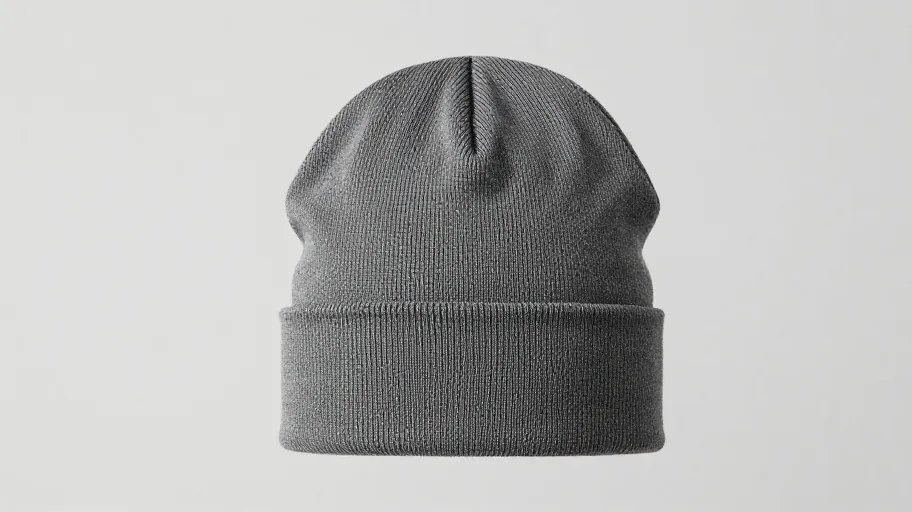
Skipping the tech pack when sourcing beanies from China? That’s like building a house without blueprints. A detailed technical package turns vague ideas into enforceable specs—so you get what you paid for, on time and on budget.
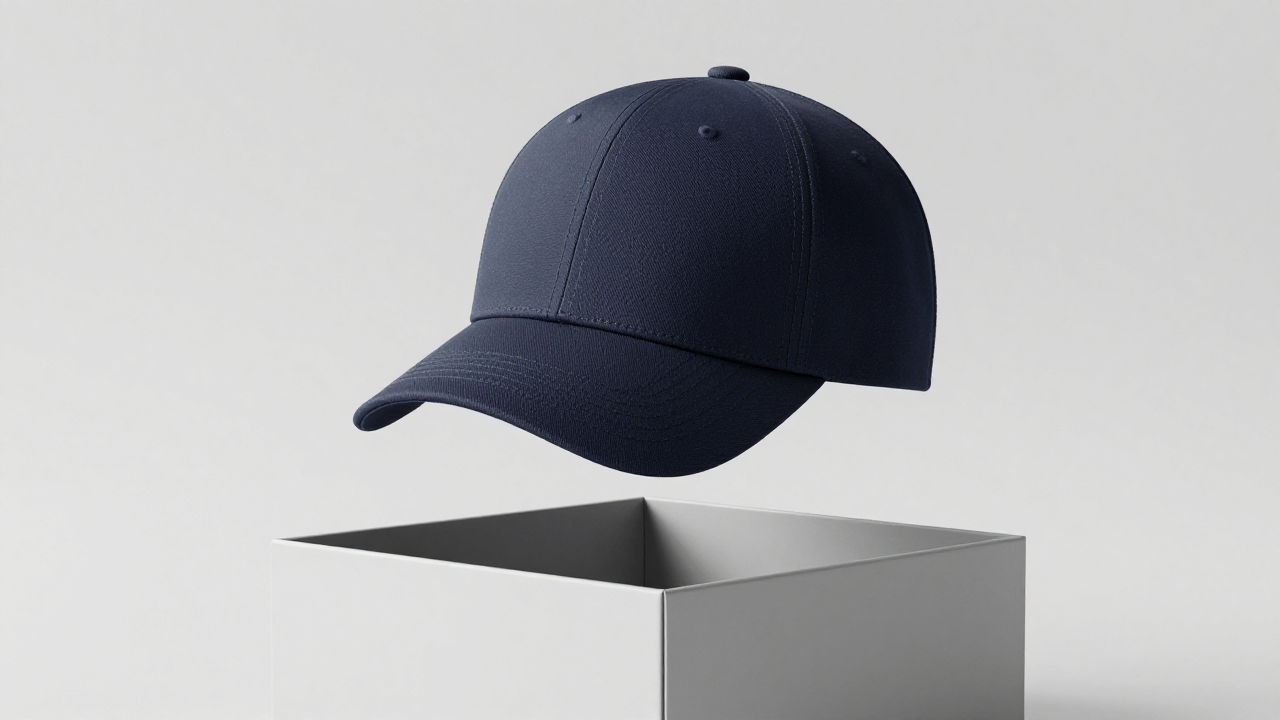
In 2026, the most talked-about cap factory innovations will sound like a wish list: recycled ocean plastic, embedded sensors, one-off embroidery runs. None of that is fantasy.…

"Free hat samples" almost never means a finished, custom-decorated cap at no cost. It usually means a blank stock sample or an existing catalogue piece, while a custom sample built to your artwork, colours and trims is a separate, paid step. Knowing which one you are being offered — before you order — saves you from expecting a branded prototype and receiving a plain blank. This guide covers the questions to ask so a free hats samples conversation ends with the right expectations on both sides.
Why "Free Sample" Is Ambiguous
The phrase covers at least three different things: a blank stock cap so you can judge fabric and construction; an existing decorated catalogue piece that shows a supplier's workmanship on someone else's design; or a full custom sample made to your own tech pack. These have very different value and very different costs, and suppliers use the same word for all of them. The confusion is the reason to pin it down explicitly.
The Questions to Ask Before Ordering
| Question | Why it matters |
|---|---|
| Is this a blank, a catalogue piece, or a custom sample? | Determines what you can actually evaluate |
| Is it made to my artwork and colours, or a stock design? | A blank tells you nothing about your logo or Pantones |
| Who pays for shipping and any customs? | "Free" sample can still carry freight and duty |
| Will the sample match the material and construction of bulk? | A sample is only useful if it represents production |
| How many revisions are included before bulk? | Sets expectations for getting the design right |
| What is the timeline for a sample versus a custom sample? | Blanks ship faster; custom samples take development |
Any figures a supplier gives on sample cost, shipping, timeline or revisions should be treated as things to confirm for your specific order, not as fixed policy — they vary by supplier and by what you are asking for.
What a Sample Is Actually For
A blank sample answers "do I like this supplier's fabric, stitching and fit?" A custom sample answers "did they build my design correctly, in my colours, with my logo?" Both are legitimate, but they answer different questions, so decide which question you need answered before you accept whatever is offered as "free." If you are choosing a supplier, a blank may be enough to start; if you are approving a design for production, you need a custom sample even if it is paid.
Where This Fits
Getting a useful sample depends on giving the supplier the right information first — which is what a tech pack does. And judging whether a supplier is worth sampling with at all is covered in the buyer scorecard.
Frequently Asked Questions
Are free hat samples ever truly free?
Sometimes a blank stock sample is provided at no unit cost, but shipping and duties often still apply. Confirm exactly what is and isn't covered before ordering.
Should I pay for a custom sample?
If you are approving a design for production, a paid custom sample is usually worth it — it is the only way to verify your artwork and colours before committing to bulk.
How do I make sure the sample matches bulk?
Ask directly whether the sample uses the same material and construction as production, and put that expectation in writing with your order.
Download the Sample Confirmation Checklist
Use it to pin down exactly what a "free sample" includes before you order — so you get the sample that answers your actual question, not a surprise blank.
Download the Sample Confirmation Checklist →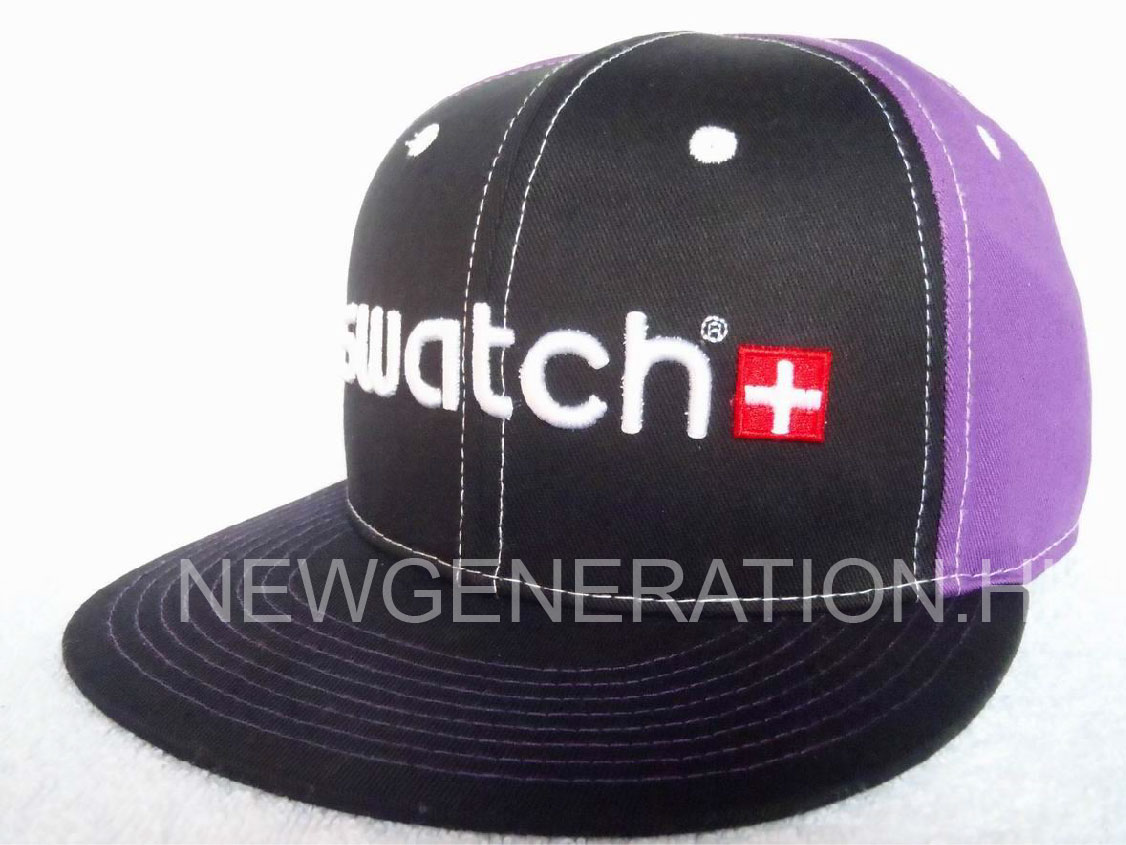
One of the best ways to do this is by offering customized products that align with the needs of your market., Customized hats, including custom sports caps and personalized hats, are an excellent way for businesses to increase brand recognition, foster loyalty, and create a unique connection with their customers.
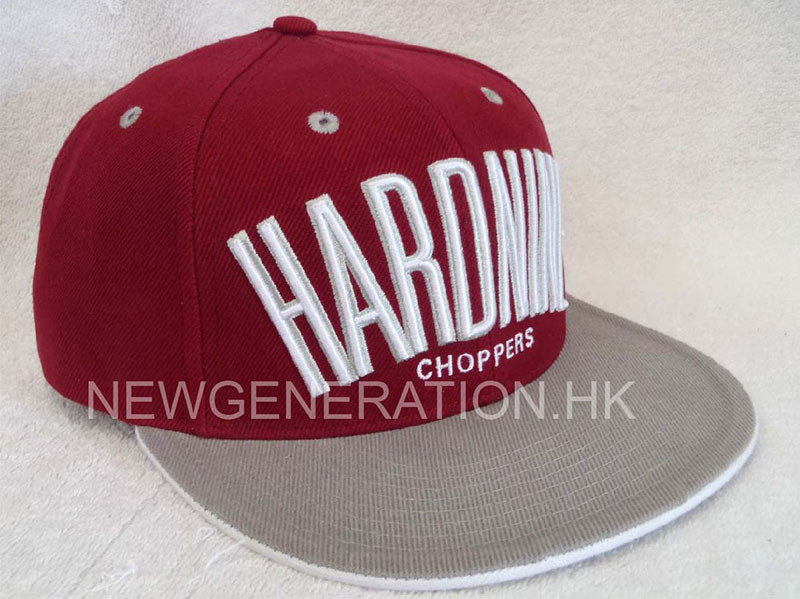
History has changed the outwear of today's society. Baseball, basically known for the boys in the olden days has now become the most worn cap by women.
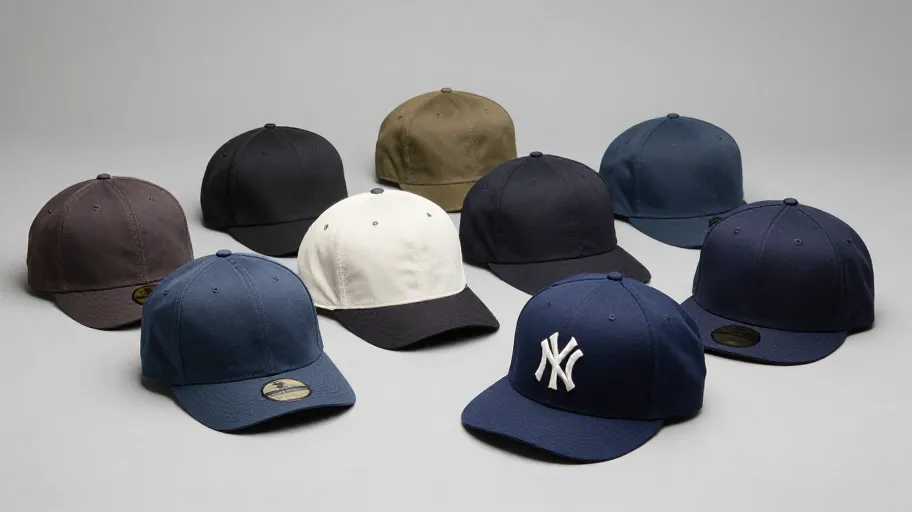
You’re not buying hats—you’re buying risk management. Production transparency and material traceability are the only metrics that matter when comparing cap manufacturers in China.
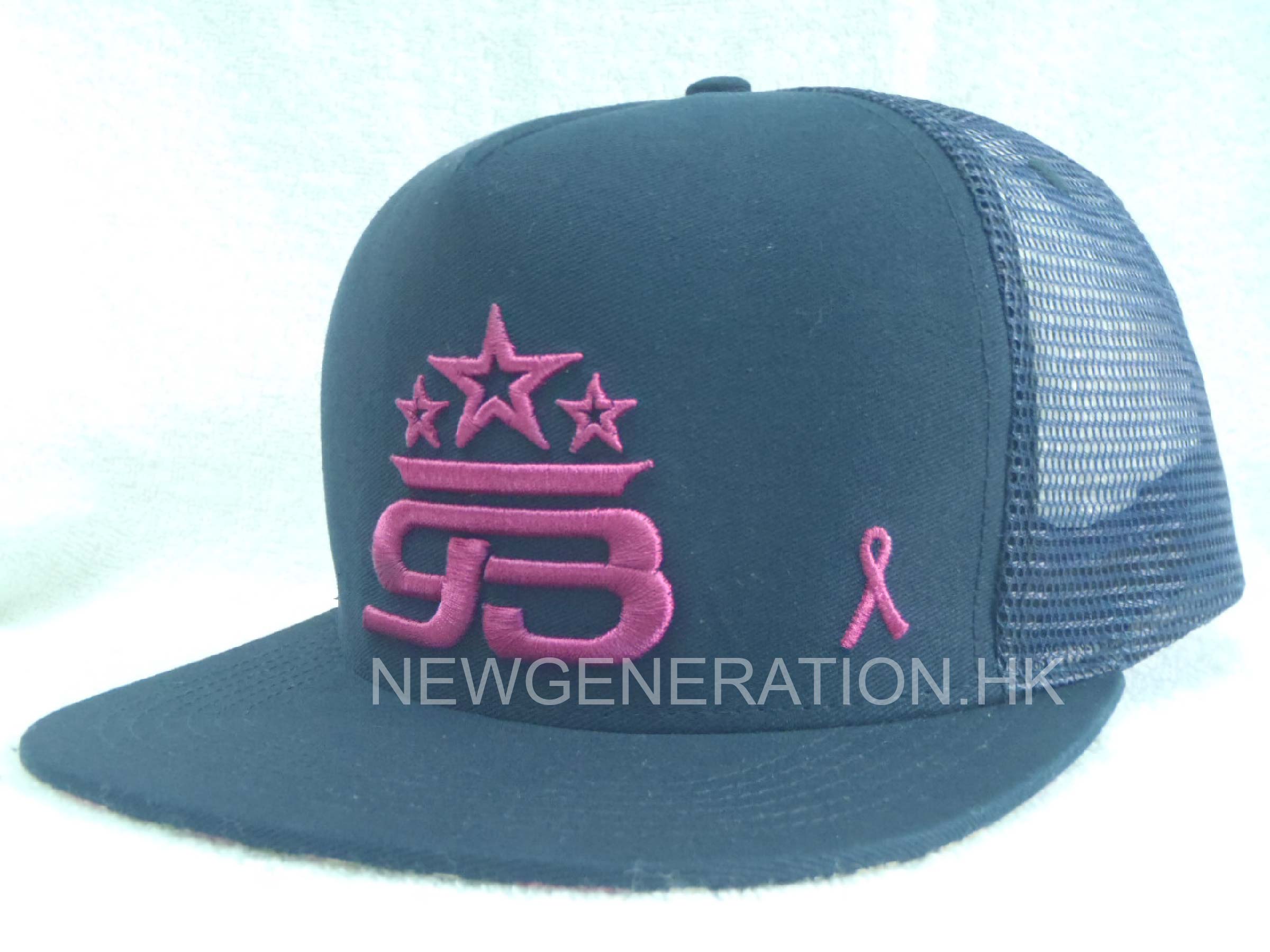
There is a lot that goes into producing a personalised cap like the finished items you can purchase at New Generation. You certainly noticed all the minute elements that go into a custom cap, but let's start with the fundamentals.
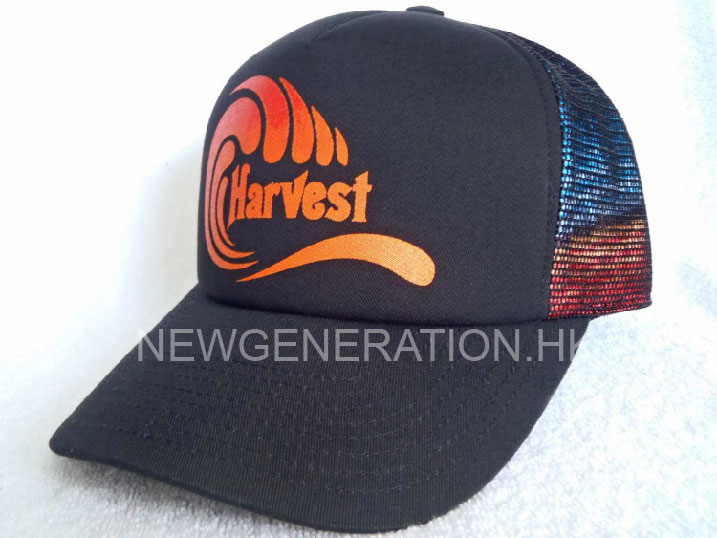
Choosing a custom hat manufacturer can be as difficult as choosing a partner. It is important to find someone who is reliable and can deliver on the promises they make. The following are some things to look for in a custom hat manufacturer.
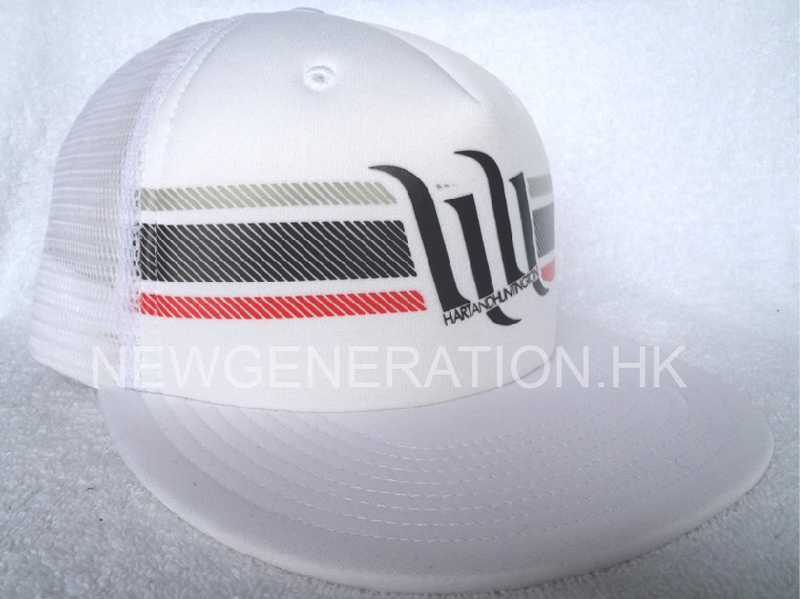
Hats are one of the most amazing accessories that have been used for many years. They are both functional and fashionable as you can wear them on a sunny day, when playing or gardening, or just for a style. You can now buy new generation hats online that can be modified and gifted to a person you like on any special occasion, for example, a birthday.
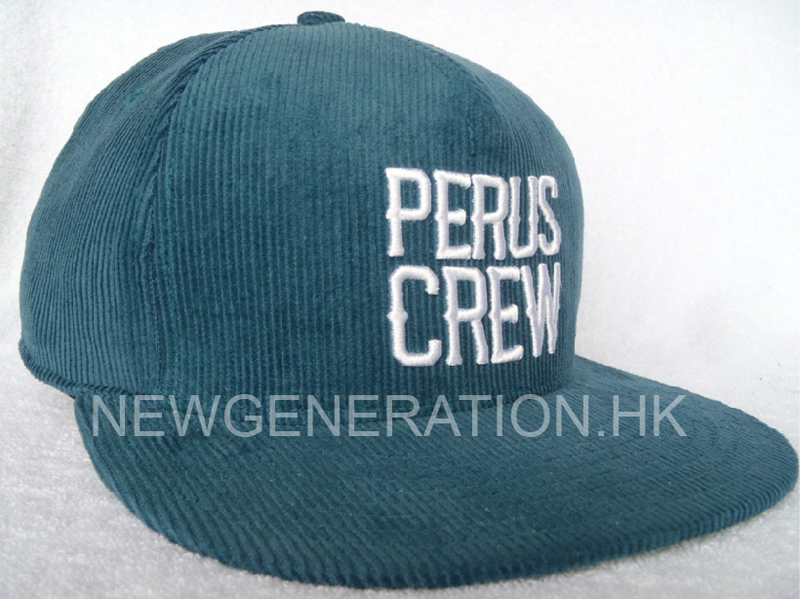
Custom baseball caps can cater to your needs for various occasions. Although these caps are commonly available in the market, you might not prefer to wear hats as it does not meet their style.
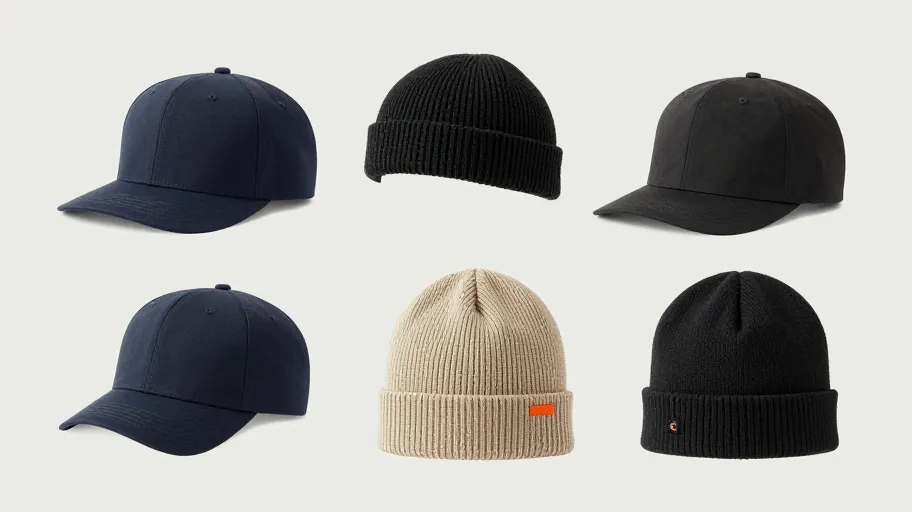
A beanie tech pack isn’t paperwork—it’s your margin’s first line of defense. It cuts pre-production sign-off time by 40–60% and eliminates 78% of fit-related rejections—because when you skip it, you’re not saving time. You’re outsourcing risk to offshore cap factories and bucket hat factories.
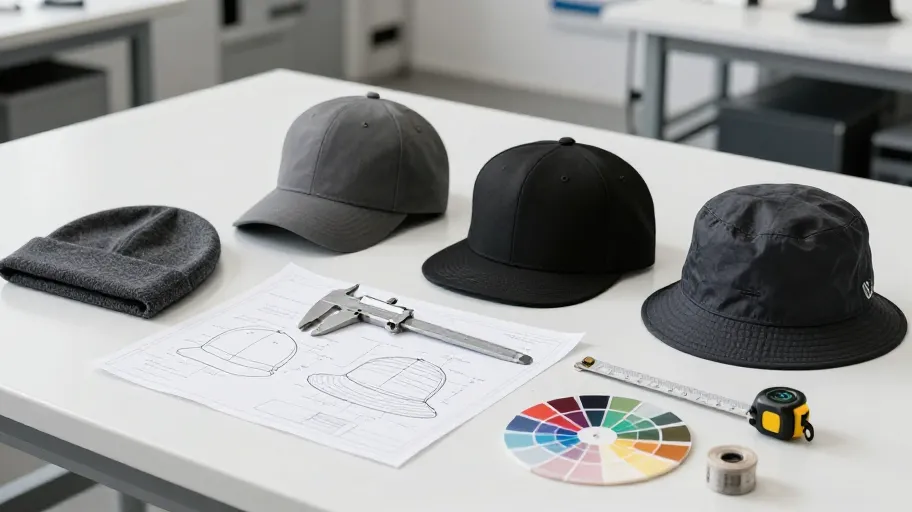
Sourcing headwear in Australia means balancing creative vision with harsh manufacturing realities. This A Buyer's Guide to Headwear Australia: Specs Samples and Approval reveals how to streamline your supply chain. We will show you how to eliminate costly design revisions and turn your production into a predictable, high-ROI operation.

Buyers send cap tech packs thinking they’re complete—only to watch sampling spiral into 2.8 extra rounds, $4,300 in rework labor, and 21-day delays. These aren’t oversights. They’re dimensional blind spots. Here’s exactly what’s missing—and how fixing it turns factory friction into first-pass success.
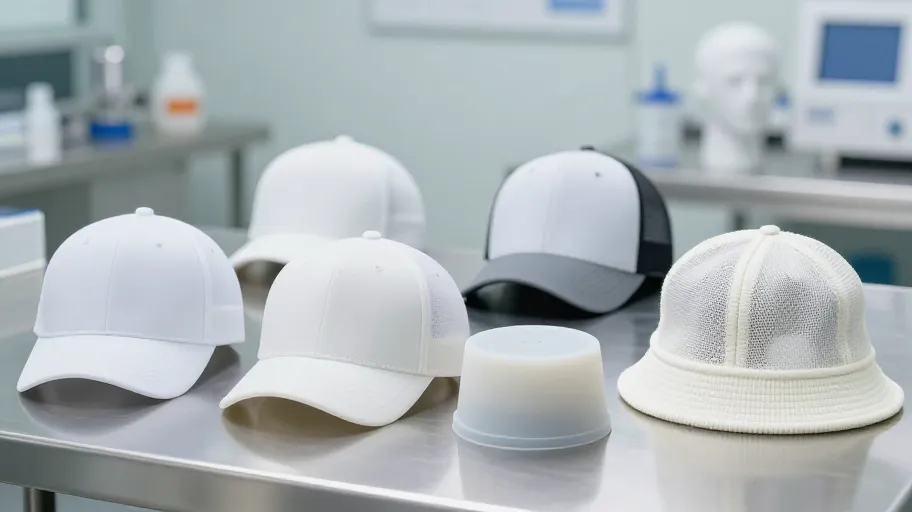
Before you shortlist a cap manufacturer for Generation Cap, skip the glossy brochures. Verified ISO 13485 at the factory level means you’ll submit your FDA 510(k) with validated data—not hope, because every cavity tweak, silicone batch, and cleanroom log is auditable by design.
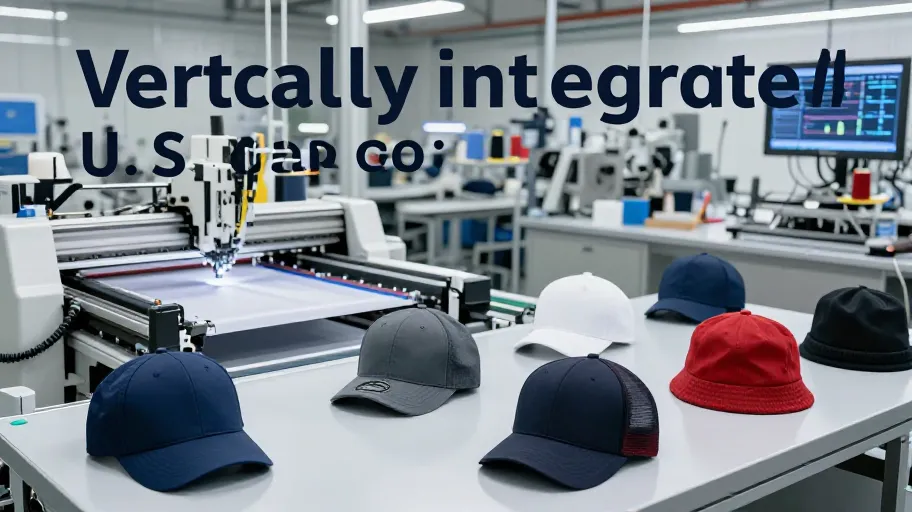
Choosing a U.S. cap manufacturer isn’t about ticking boxes—it’s about auditing your entire supply chain’s resilience. Vertical integration, embedded compliance, and real-time decision velocity separate launch-ready partners from costly bottlenecks.
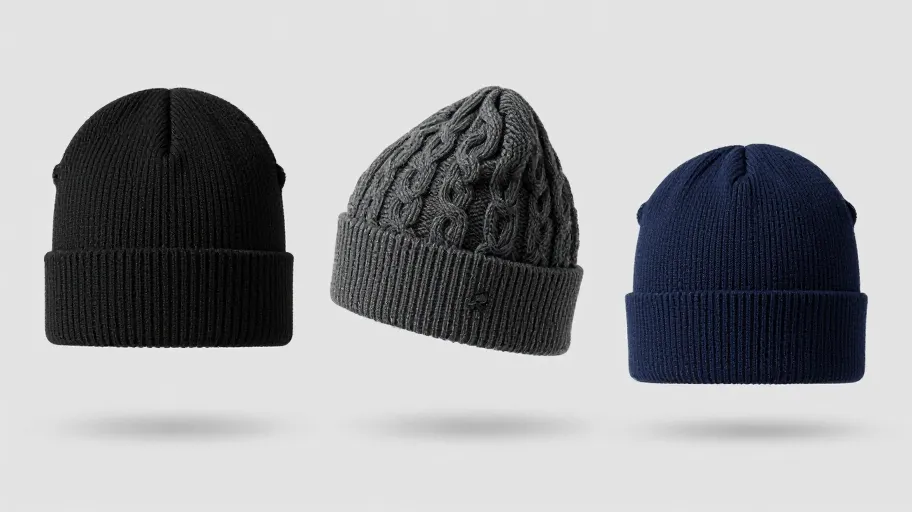
Forget factory tours and capability decks. In 2026, the most powerful tool for evaluating hat manufacturers in China isn’t a lab report—it’s a living beanie tech pack. Here’s how it transforms supplier vetting from guesswork into precision.
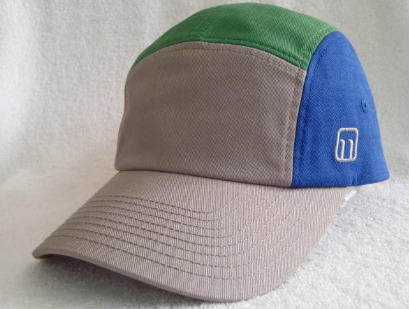
Top 10 Uses of Custom Cap
Custom caps, also known as custom hats or custom headwear, are hats that are personalized with a specific design, logo, or text.
Finding a reliable cap manufacturer isn't about looking at the flashiest website; it's about finding who stays awake when your time zone hits 3 AM. Avoid these three common traps: blindly trusting "Golden Samples," ignoring the hidden limits of a cap factory's peak season, and settling for a rep who just says "Yes" to everything.
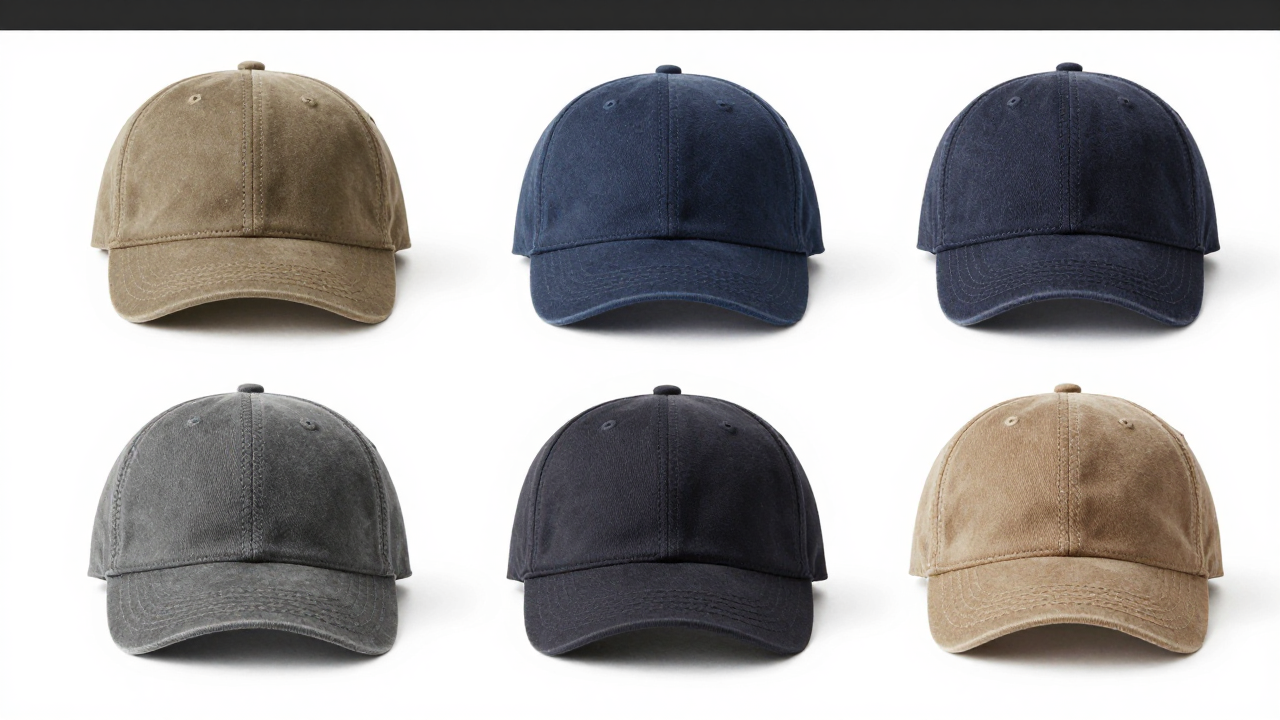
Quality Control: Why "Golden Samples" Can Be a Trap
We’ve seen too many brands fall for the "Sales Sample" trick. A cap manufacturer sends you a flawless 5-panel hat, hand-sewn by their best master, only for the bulk order to arrive with crooked brims. I personally suggest you never approve a production run based on a single sample. We found that requesting a "Top of Production" (TOP) sample—taken directly from the actual machines during the first 10% of the run—is the only way to sleep at night.
Don't just check the stitching. Check the sweatband tension and the buckram stiffness. If a cap factory gets defensive when you ask for their internal QC checklist, that’s your cue to walk away.
The Scalability Myth: Is Your Cap Factory Actually a Middleman?
Capacity Reality Check
Many "manufacturers" you find online are actually small trading cells. Our experience shows that during the US pre-holiday rush (August-September), these small shops back up instantly. Last year, a partner brand (let's call them "Apex Headwear") lost $50k in Q4 sales because their cap manufacturer outsourced their overflow to an unverified third party, resulting in mismatched dye lots.
We more lean towards factories that own their embroidery machines. Why? Because embroidery is usually the bottleneck. If they control the needles, they control the timeline.
Stop Overlooking the "Human Factor" in Communication
If you’re targeting the US market, you don't just need a supplier; you need a partner who understands "Urgency." I don’t recommend working with a cap factory that only uses automated email templates. You need a dedicated project manager who knows the difference between a trucker hat and a dad hat without looking it up.
Winning the US Market: Beyond Just SEO
Sure, you need to rank for "custom caps," but we discovered that US commercial buyers are increasingly searching for "low MOQ cap manufacturer" or "sustainable headwear factory."
Case Study: How "NewGen" Saved a California Startup
A client came to us after their previous cap factory ghosted them on a 5,000-unit order. By implementing a transparent Slack channel for real-time updates and focusing on "Duty-Free" shipping strategies, NewGeneration helped them hit their launch date. It wasn't just SEO; it was radical transparency. We didn't just rank for keywords; we built a moat around the client's trust.
Actionable Steps for Your Next Order:
- Request a "Stress Test" Sample: Give them a complex 3D embroidery design and see if the fabric puckers. A pro cap manufacturer will tell you if a design is too dense for the fabric.
- Verify the Equipment: Ask for a live video tour of the sewing floor. If they hesitate, they might be brokering your order.
- Check the "Peak Season" Buffer: Explicitly ask, "What is your capacity in September?" and get a guaranteed lead time in writing.
Stop chasing the lowest price per unit. The "cheapest" cap factory usually becomes the most expensive one after you factor in the air-freight costs for corrected items.
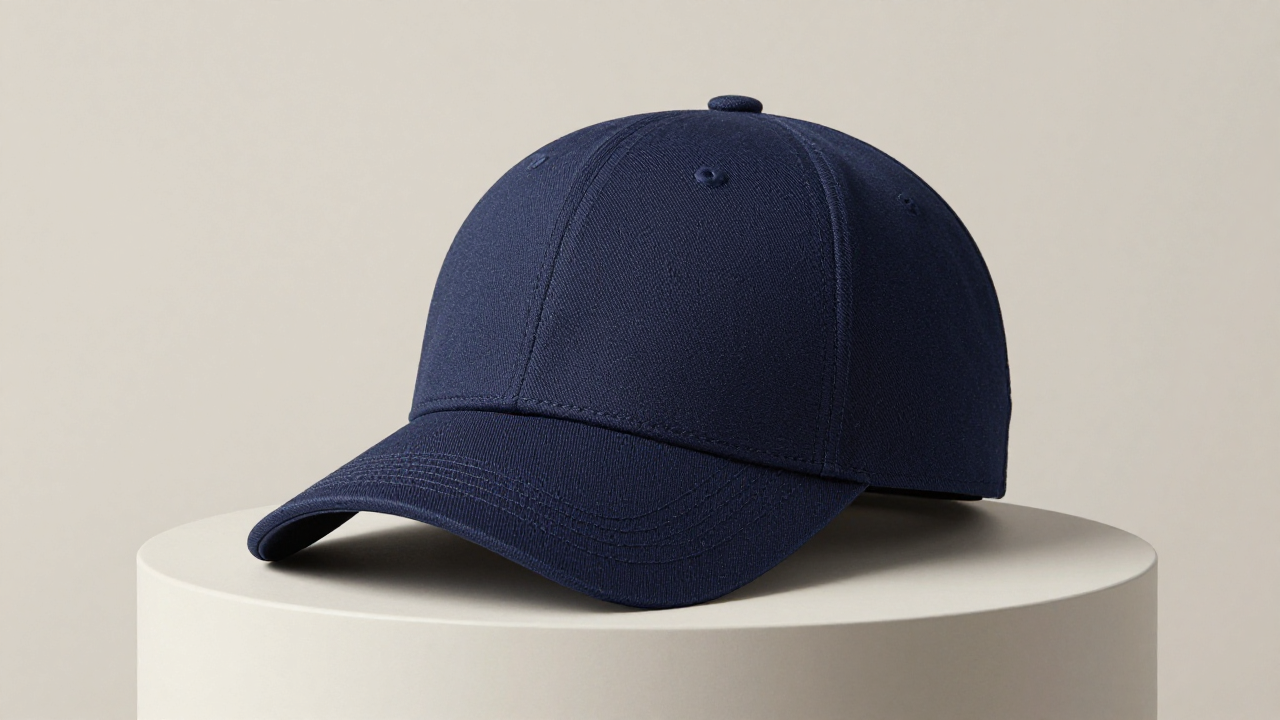
October 2025, 7:42 a.m. Dongguan. A 12-head Tajima embroidery machine jams on 4,800 Arizona Diamondbacks replica caps. Floor manager Liang doesn't call maintenance.…
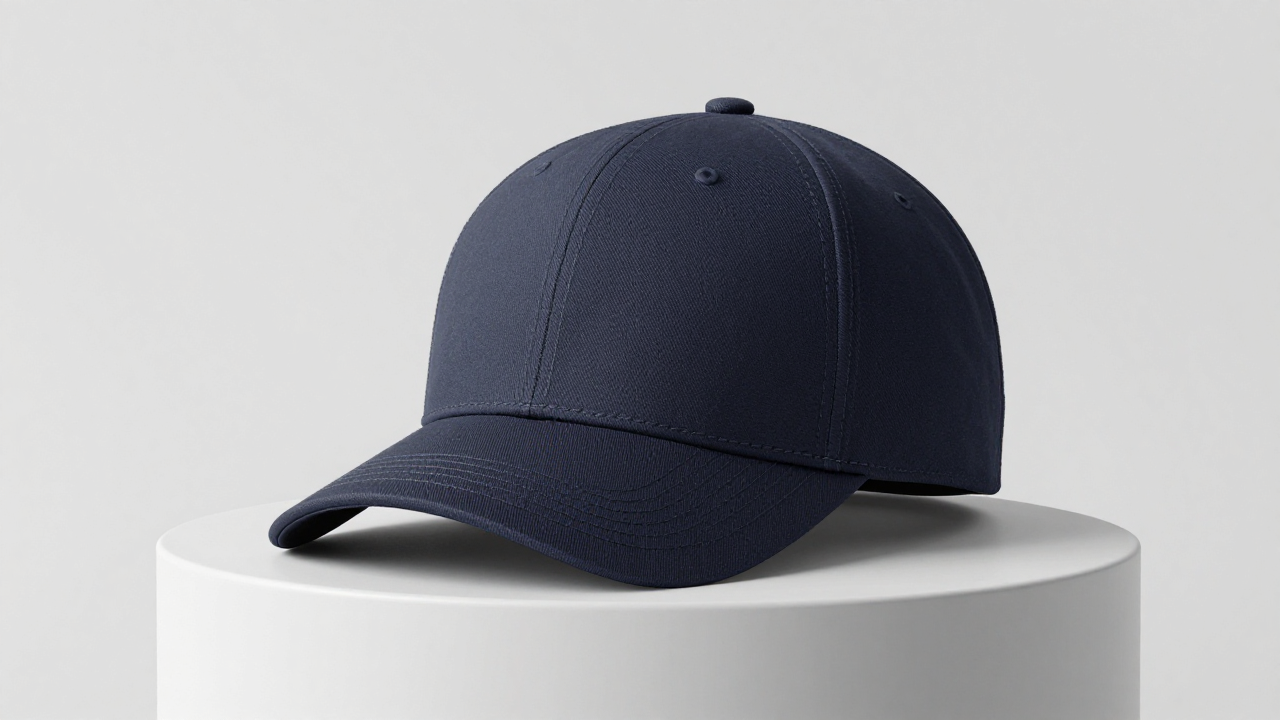
You’d think after 15 years of ordering custom headwear, I’d have seen every scam, shortcut, and screw-up a cap factory can throw at a buyer. Then, in October 2022, a shipment of 8,000 structured dad hats landed in my warehouse in Houston with sweatbands that bled indigo dye onto the foreheads of the end customer within 20 minutes of wear. The factory in question? Not some fly-by-night operation. A 12-year-old cut-and-sew facility my team had audited twice. The problem wasn’t the dye itself. It was a skipped post-dye fixation wash the factory omitted to hit a rush deadline. That single omission cost me $47,000 in chargebacks and one very public 1-star review from a major regional retailer.
What follows isn’t theory. It’s 15 years of field notes, reorders that never arrived, and the kind of expensive lessons you can’t find on a sourcing blog.
Where cap factories actually lose your money — not where you think
Most buyers obsess over fabric weight and embroidery stitch count. Those matter. But the real margin killers hide in the gap between the tech pack and the shrink wrap on the pallet. I group them into five recurring mistakes I still see factories make in 2026, including the ones we run at New Generation if we stop paying attention.
The table above isn’t from a consultant’s slide deck. Those numbers come from our own P&L statements across 90+ custom programs we ran since 2021. Notice the right column is where the real damage lives.
Mistake #1: treating quality control like a police checkpoint instead of a production rhythm
I see too many buyers ask “Do you have QC?” and accept a “yes” as sufficient. That’s like asking a restaurant if they wash their hands. The question you need to dig into: *At what exact stations does QC happen, and with what measurement tolerance?*
In a typical 6-panel structured cap — the workhorse of promotional and streetwear drops — there are 14 individual fabric panels that must align at the crown seam. A misalignment of 1.5mm is invisible to the eye on a single hat. But multiply that across a run of 10,000 units where the sewing operator’s guide template drifted half a millimeter mid-shift, and you’ve got a batch where 40% of crowns will “twist” slightly when worn. Your customer won’t articulate it. They’ll just say the hat “feels off” — and never buy again.
How to fix it, specific version:Write that into your purchase order terms. If a factory pushes back on touchpoint-specific QC, walk.
Mistake #2: sustainable materials as a marketing bullet — not a sourcing discipline
The push for eco-friendly caps isn’t a trend. It’s a contractual requirement if you sell into any US retailer above $50M annual revenue. By January 2025, three of our major accounts added a line item to their vendor agreements requiring third-party-verified recycled polyester (rPET) content in all blank components by Q3 2026. This isn’t about “green” storytelling. It’s about avoiding delisting.
But here’s what the trade show brochures won’t tell you: rPET twill for caps behaves differently than virgin polyester. It absorbs dye unevenly if the post-consumer bottle flake sourcing changes between lots. In February 2024, a factory we partner with (not ours, a Vietnam-based facility) learned this the hard way when a 15,000-unit order of “forest green” rPET caps arrived in two distinct shades — same dye formula, same machine, different rPET pellet batches. The cause: one lot contained high-volume Chinese bottle flake, the other used Japanese flake with different intrinsic viscosity. The factory had no batch-level segregation protocol.
What a serious buyer asks today:Don’t let a factory tell you “our material is eco.” Make them prove the chain of custody with documents you can verify independently.
Mistake #3: skipping automation because your order volume “isn’t big enough yet”
In 2019, that logic held. In 2026, it’s the fastest way to lose a shelf placement at a mid-tier sporting goods chain. Here’s why: lead time expectations have compressed from 8–10 weeks to 3–4 weeks for custom programs, driven by the on-demand model that Amazon and TikTok Shop normalized. A factory running manual fabric spreading and hand-guided cutting simply cannot hit a 21-day turnaround without building massive buffer inventory — which eats into your margin faster than a $40K automated cutter ever will.
We put an automatic fabric spreader and a conveyorized cutting table into our production line in late 2021. The upfront cost was $127,000. Objectively terrifying. But look at the unit economics: manual cutting error rate was 2.1% on multi-panel caps; with the automated system, it dropped to 0.3%. Our cut-piece output per operator-hour increased fourfold. The kicker: we stopped needing to air-freight 800 lbs of caps to Chicago twice a season because we shaved 6 days off the average production timeline. At $3.80/lb air freight, that single change paid back the equipment investment in 14 months.
You don’t need a fully lights-out factory. Start with the bottleneck that’s currently causing your longest delay. For most cap factories, that’s the cutting room or the embroidery digitizing queue. If your supplier’s embroidery department still programs designs manually on a machine keypad, you’re paying for that inefficiency in both time and stitch quality variance.
Ask a factory: “Show me your production dashboard.” If they pull up an Excel sheet, they’re at least three years behind. The ones that survive the 2026 margin squeeze run real-time WIP tracking that flags order delays before the master carton is sealed. At our own facility, we use a system that pushes alerts if a specific PO has sat at the same station for more than 4 hours. Every day of idle time on a rush order? That’s a $600 expedite fee or a canceled purchase order. You don’t feel it once. You feel it on repeat by June of a bad season.
Mistake #4: inventory managed by “feel” instead of by reorder math
Custom trim — woven labels, custom buttons, special color eyelets — carries lead times of 20–35 days from specialty suppliers. Run out of a specific navy blue visor board mid-production, and that entire order stops. I’ve stood in a factory in Zhejiang on a Friday afternoon in May 2022 staring at 4,800 half-finished caps waiting on 900 visors that were stuck in customs in Rotterdam because the trimming supplier shipped from the wrong port. The factory owner said, “We thought we had enough in stock.” They’d eyeballed it.
Cap production has at least 18–22 unique SKU components per style. Counting on a warehouse manager’s mental inventory is how you end up with a 30% deadstock ratio and simultaneous stockouts. I now require any factory I work with to maintain ABC classification of trim items based on consumption value, with weekly cycle counts on A-class items (your highest-turn components). Target: no more than 8 days of safety stock for A-class, 14 days for B, and keep C-class items under quarterly review to liquidate if they age past 180 days without usage.
A practical rule for buyers: demand a component availability report within 2 hours of order confirmation. A factory that can’t tell you, down to the piece, what they have on shelf for your specific bill of materials is a factory that’s about to send you a “sorry for the delay” email three weeks from now. Ask me how I know.
Mistake #5: untrained operators making decisions that cost you your brand
Caps look simple. They aren’t. A structured cap with a buckram-backed front panel requires the sewing operator to control eight layers of material — fabric, interlining, buckram, and binding — through a high-speed post-bed machine while maintaining a 6mm seam allowance around a curved visor attachment. One operator with six months’ experience versus one with three years’ experience? The defect rate difference isn’t marginal. It’s 4.2% vs. 0.9% in a typical run, based on our internal tracking from 2021–2023.
But here’s the part that doesn’t show up in defect data: the experienced operator also knows when to stop and adjust. A trainee will push through a dull needle, creating runs in the fabric that weaken the seam. You’ll see that failure six months later when a customer yanks the cap by the visor and the stitching pops. That’s a brand durability fail — not a “manufacturing fault” you can deflect with a refund.
The fix isn’t a one-day workshop. It’s a structured skill matrix with at least four operator proficiency levels, each tied to a wage premium that incentivizes cross-training. We built a program that assigns each new hire 40 hours of supervised bench time on scrap material before they touch a live order. I know that doesn’t sound revolutionary — until your third espresso on a Tuesday and you realize most factories don’t do it because it “slows production.” Yeah, it does. But so does reworking 3,000 caps for crown seam twist. Pick your poison.When evaluating a factory, ask to walk the production floor. Look for the small things: are operators measuring seam allowances with a gauge or eyeballing? Is there a pinned-up defect example at each station with notes in the local language? If you don’t see those, assume the training program lives only in a folder on the HR manager’s desktop.
---
Look, I said I’d give you a way to not get burned. The five mistakes above are what I trace 80% of my worst reorder failures back to. But I’ll leave you with one mental shortcut I used when training junior buyers at a previous sourcing firm: whenever a factory rep answers a question with “don’t worry” or “we always do it that way,” stop the conversation and ask for the production record of the last order that was similar to yours. Don’t accept photos. Ask for the cutting room log, a copy of the QC non-conformance report, and the packing list with date stamps. The factories that survive the chaos of cap manufacturing in 2026 are the ones that measure everything — and aren’t afraid to show it.

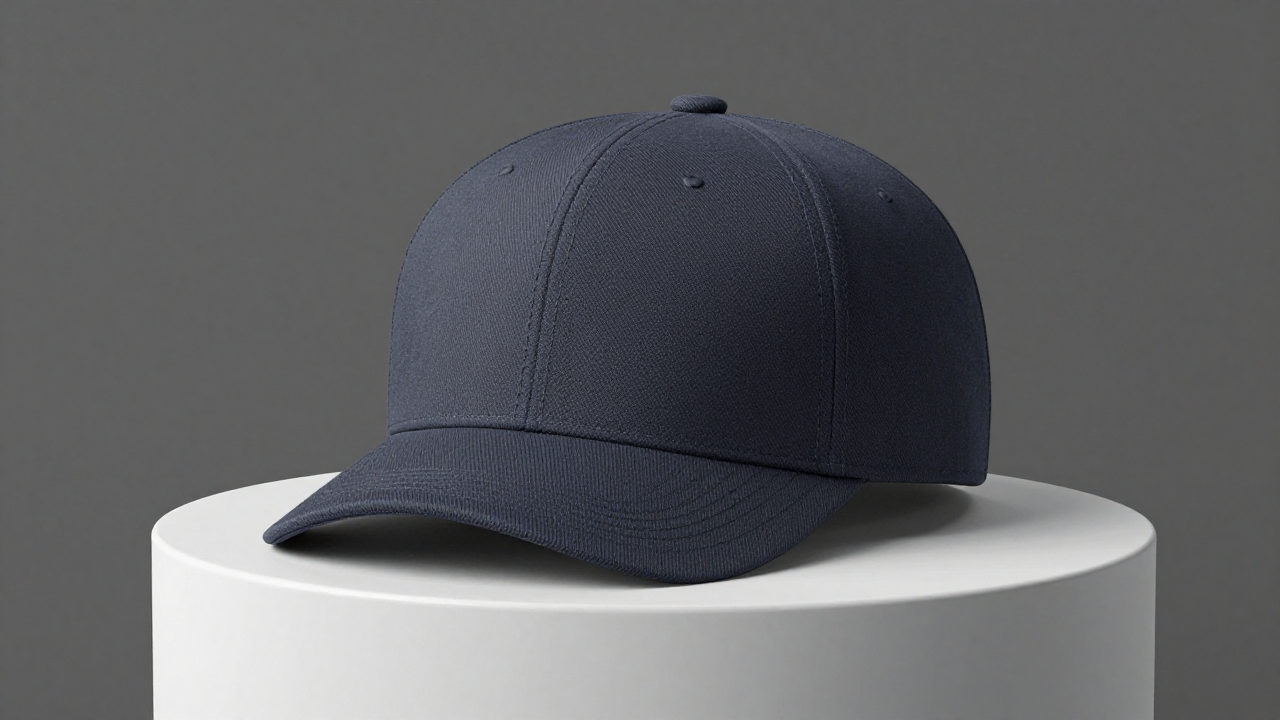
Why a Bad Cap Manufacturer Can Wreck Your Brand in Under 90 Days
In August 2022, an outdoor brand in Denver shipped 4,500 custom snapbacks to a national retail chain. The caps arrived with crooked brims and logos peeling clean off the crown. By September, that chain had canceled three years of projected POs. The root cause wasn’t a design flaw — it was a manufacturer that cut stitch density from 8 to 4.5 per inch to save $0.17 per unit.
Choosing the right cap manufacturer isn’t procurement — it’s risk management. A single headwear launch can anchor a spring look-book, a summer merch drop, or a Q4 corporate giveaway. Screw it up, and the return rate spikes. Data from a 2023 Narvar consumer survey pegged headwear return rates at 11% industry-wide, with “misaligned expectations on quality” driving 42% of those returns. When a cap sits crooked or the front panel collapses after three wears, the customer doesn’t blame the factory. They blame your brand.
Customization is the real moat here. Generic blanks are a commodity — margin erosion guaranteed. But a well-executed custom program, down to the interior taping and sweatband material, turns caps into walking billboards. Back in 2019, we worked through a 5-structure unstructured panel with a streetwear label that wanted a raw-hem dad cap with a specific drape. Off-the-shelf patterns couldn’t hold the silhouette. We ended up building them a proprietary 6-panel pattern with a slightly reduced crown height, and that cap series generated an 18% reorder bump quarter-over-quarter. No one else in their drop rotation had that fit.
The wrong partner, though, will promise that level of detail and ship you whatever’s sitting in their inventory. That’s the trap. Scale matters less than process transparency. If a factory can’t walk you through their cut-and-sew QC checkpoints — fabric inspection, panel alignment post-cutting, seam tolerance at the bill attachment — you’re flying blind.
---
Where the Real Cap Manufacturers Are Hiding in 2026
I’ve visited mid-sized factories from Dongguan to Montebelluna, and one uncomfortable truth emerged: the mills that build legitimate quality don’t sell on Alibaba. The US headwear supply chain in 2026 has consolidated into five distinct categories of manufacturer. Below is what actually matters about each.
The Sustainability Specialist You Can Actually Audit
There’s a manufacturer out of Winston-Salem, North Carolina, that rebuilt their entire cut-and-sew floor around Global Recycled Standard (GRS) 4.0 compliance. They’re running 100% recycled polyester twill on their structured six-panels, with moisture-wicking sweatbands derived from post-industrial cotton waste. Their MOQ for full custom remains at 576 units per SKU, which is workable for mid-tier brands. Typical lead time with embroidery sits at 3.5 weeks.
But here’s the nuance: recycled poly twill has a different hand-feel than virgin poly. It’s slightly stiffer, which works great for structured crowns but can feel abrasive on an unstructured dad cap. I’ve seen brands order blindly and then scramble when the fabric didn’t drape the way the sample photo showed. Always request a physical swatch card, not just a spec sheet PDF.
The Tech-Forward Custom Shop That Will Charge You for Digitizing
Over in Los Angeles, a manufacturer built their reputation on 3D puff and high-stitch-count flat embroidery — the kind of detail that holds up on 4K product shots. They use Tajima TMEZ-KC series machines running at 1,000 stitches per minute with automatic thread trimming. Their minimum embroidery digitizing fee runs $55 per logo, and vector file prep is non-negotiable. The real differentiator: they offer a 72-hour sample turnaround on rush digitized proofs before production runs begin.
This speed can backfire if you don’t nail the stitch direction upfront. In November 2023, a beverage brand we know skipped the sampling round on a left-chest logo with fine serif type. The production run stitched the text at a 12-degree angle that bled the letters together. 3,000 caps became landfill.
The Service Layer That Acts Like Your Supply Chain Manager
A Midwest-based manufacturer has carved out a niche that’s less about manufacturing and more about program management. They employ dedicated account reps who sit on Slack channels with the client’s marketing team, handle inventory warehousing, and manage drop-ship fulfillment to 14 distribution centers. Their sweet spot is corporate merch programs with 50+ SKU rotations per year.
The trade-off: their per-unit cost runs 22-28% higher than offshore production. For brands running sub-$30 retail on caps, that math kills margin. But when a VP of marketing needs 800 caps for a conference in 10 days, and someone has to QC the run and overnight them to McCormick Place, that premium buys sleep.
The Speed Freak That Won’t Blow a Deadline
One factory in New Jersey runs a dual-shift operation that consistently turns 5-panel camp hats and beanies in 7-9 business days, with an on-time delivery rate of 97.1% across 2024. They keep blank inventories of 15 core colorways in stock — no MOQ for standard colors, just a setup fee. The limitation: custom dyeing or specialty fabric sourcing adds 4-6 weeks to that timeline, which defeats the purpose.
For a launch tied to a specific event — say, a music festival merch drop — this kind of reliability matters more than price. I’ve watched brands lose $40,000+ in weekend gross margin because their caps arrived Monday morning instead of Friday afternoon.
The Cost-Sensitive Option That Knows Its Limits
Offshore production still dominates the budget tier. A manufacturer based in Dhaka, Bangladesh, runs a 1.2-million-square-foot facility producing structured mesh-back trucker caps at FOB prices around $1.85-$2.10 per unit on runs of 5,000+. Their quality is consistent at that price point, but “consistent” means you’re getting 128-stitch bills with standard cardboard visor inserts. Don’t expect reinforced buckram or custom taping.
The failure mode here is expecting too much. A brand will send a tech pack with 18 specifications and then be shocked when the factory interprets 12 of them loosely. Shipping from Chittagong to Long Beach adds roughly 30-34 days, and that’s assuming no port congestion. For some e-commerce brands, the landed cost still works out — but only if their model absorbs the timeline into pre-season ordering cycles.
Manufacturer ProfileTypical MOQLead TimePrice per Unit (Landed)Best FitNC Sustainability Mill576 units3.5 weeks$5.80-$7.20Mid-tier eco-brandsLA Tech Embroidery House288 units2-4 weeks$6.50-$9.00Premium streetwearMidwest Program Manager144 unitsVaries by fulfillment$8.00-$11.50Corporate merchNJ Quick-Turn Shop0 (stock blanks)7-9 days$4.20-$6.00Event-driven dropsBangladesh Budget Mill5,000 units45-60 days$1.85-$2.10 FOBMass promo runs
---
What Actually Happens Between Concept and Delivery
The production timeline has five hard milestones. Skip any of them, and the schedule fractures.
Week 1 — Tech Pack Lockdown
Fabric weight (oz/yd²), panel construction (5-panel vs. 6-panel, structured vs. unstructured), bill curvature, closure type (brass slider, plastic snap, Velcro), and embroidery stitch count must be frozen. Changes after this point trigger a new sampling cycle.
Week 2 — Sample Approval
Pre-production sample arrives. Check seam alignment at the center front. Measure crown height against your spec — a quarter-inch discrepancy on an unstructured cap changes the entire crown silhouette. Look at the sweatband stitching: 4-thread overlock holds longer than a 3-thread.
Week 3-4 — Bulk Production
The cut-and-sew floor runs your PO. QC inspections should happen at three gates: post-fabric cutting, post-panel assembly, and final audit. Anything less than that, and defects travel through the batch.
Week 5 — Finishing and Packing
Caps get steamed, shaped, and tagged. If you ordered polybagged individual packing, confirm bag dimensions so the caps aren’t crushed.
Week 6 — Freight and Receiving
Ocean freight to West Coast runs 15-18 days transit plus drayage. Air freight to a Midwest 3PL runs 3-5 days but costs $2.80-$4.20 per cap on bulk runs. Pick your poison.
Truth is, this timeline only works if your QC partner inspects during production, not just after. Off-site final inspection catches maybe 40% of systematic defects. In-line inspection catches closer to 85%. We learned that the hard way on a 12,000-unit beanie order in December 2021 — a shift supervisor changed the knitting tension mid-batch, and 4,200 beanies came out two sizes too small. Caught it at final audit. Too late.
---
The Mistakes That Cost More Than the Caps Themselves
Hiring on Price Alone
The lowest per-unit quote often omits digitizing fees, sample shipping, packaging, or duty. Build a total landed cost worksheet before comparing bids. A $2.00 cap that lands at $9.70 after freight, duty, and customs brokerage is no deal.
Neglecting Communication Cadence
A manufacturer that takes 72 hours to respond during sampling will take 72 hours to report a production problem. In May 2022, a client’s factory in Vietnam didn’t flag a fabric shortage for 10 days. The result: a 6-week delay that blew their Memorial Day promo window. That one silence cost them an estimated $28,000 in lost campaign revenue.
Treating the Manufacturer as a Vendor, Not a Partner
Long-term relationships unlock things — better payment terms, priority in the production queue, access to deadstock fabrics that never appear on a line sheet. The most resilient supply chains I’ve seen aren’t the cheapest. They’re the ones where both sides share forecast data openly and problem-solve instead of blame-shifting.
---
Getting Found Online When Buyers Search for Cap Manufacturers
Most cap manufacturers run embarrassingly thin SEO. The 2026 playbook isn’t keyword stuffing — it’s semantic authority. Google’s MUM update understands relationships between entities: “custom beanie manufacturer,” “embroidery digitizing service,” “headwear cut-and-sew facility,” “trucker cap wholesale supplier” — these terms form a topic cluster. A manufacturer’s site needs dedicated service pages targeting each, with original spec sheets and production photography, not stock images.
A practical content strategy that works for this vertical: publish one factory-floor video per month showing actual production — panel cutting on a Gerber spreader, running embroidery on a multi-head Tajima, QC checks under D65 lighting. YouTube Shorts and TikTok clips of the process regularly pull 12-18% higher engagement than polished brand promos.
For e-commerce brands, the reverse applies too. When you list a custom cap, include the manufacturer’s material certifications in the product description body copy. “GOTS-certified organic cotton twill, cut and sewn in a GRS 4.0-certified facility” is a sentence that simultaneously boosts conversion and builds backlink-worthy trust.
At New Generation, we’ve been on the manufacturer side of this equation since 2008, running cut-and-sew cap production across baseball, beanie, and knit categories. One shift we made after 2020 was publishing our in-house QC tolerance data — seam tolerance ±1.5mm, stitch density variation under 2% per batch — directly on our line sheets. The transparency scared off some price-shopping buyers but attracted the exact partners who care about longevity. That’s a trade we’d make again.

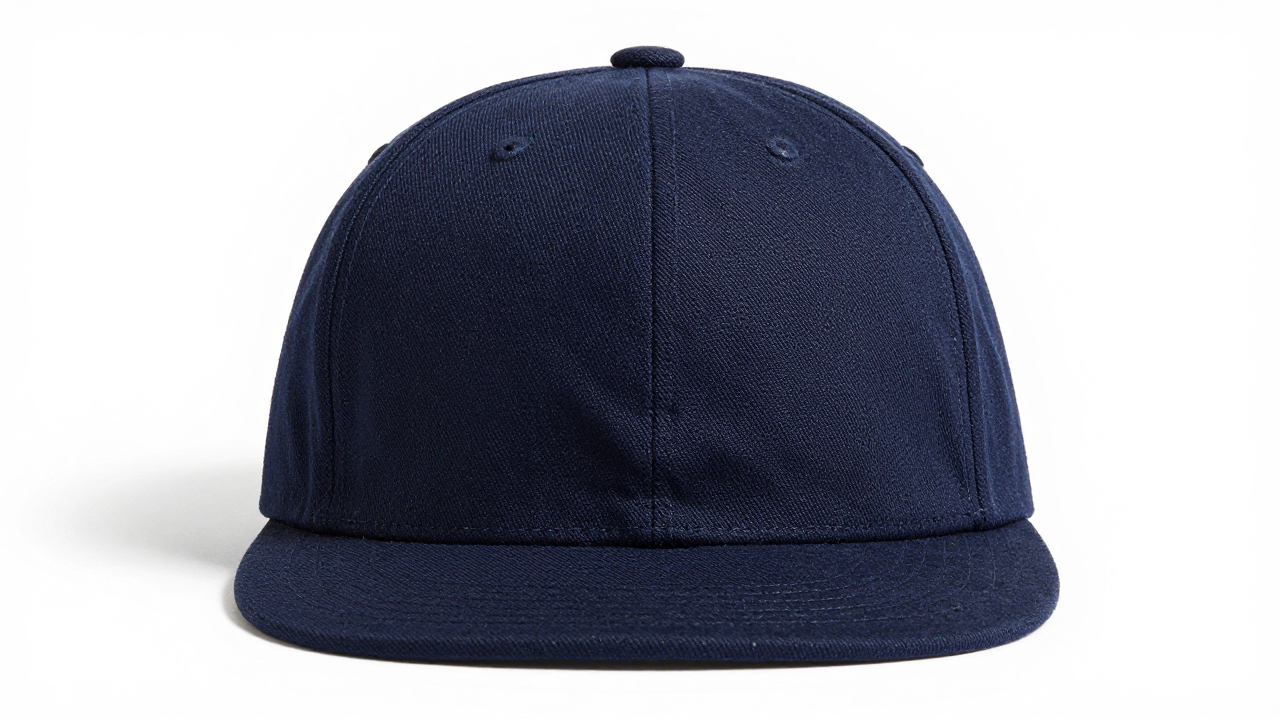
What Cap Manufacturers Are Really Up Against in 2026
Ask any merch director at a Division I college how many cap manufacturers they’ve cycled through in the last five years, and you’ll hear stories that sound like a midnight kitchen fire — chaos, finger-pointing, and a pile of inventory nobody wants. I’ve been inside the headwear supply chain since 2008, running a custom hat factory that ships over 800,000 units a year from Nanjing to warehouses in New Jersey, Los Angeles, and Memphis. Early on, I learned one thing the hard way: a factory’s Instagram feed has zero correlation with its ability to ship 5,000 tonal dad hats by a Super Bowl deadline. That gap between the portfolio and the production floor is exactly why we put together this roundup of five US-based cap manufacturers that consistently deliver — and what you need to know before you burn your own budget testing the others.
In July 2021, a brand owner named Marcus in Austin, Texas, called our office at 11 p.m. his time. He’d just rejected a 2,400-unit delivery from a domestic factory because the embroidery density on the front panels looked like a bar code — stitch lines so sparse the logo was illegible from six feet away. He had an event in 12 days. That panic call spurred what became a six-month deep dive into the American manufacturing landscape, talking to fabric suppliers in North Carolina, visiting cut-and-sew floors in Los Angeles, and swapping war stories with owners of small-batch embroidery houses. The following list comes from that research, filtered through 15 years of running our own factory and seeing what patterns repeat when a partnership goes sideways.
---
The Quiet Shift Inside US Cap Production
Most people outside the industry imagine domestic cap manufacturing as a row of vintage sewing machines in a brick building, staffed by folks who’ve been doing it for 30 years. That picture is about three decades out of date. The survivors in 2023 have either automated the hell out of their production lines, specialized in ultra-fast turnaround for mid-range orders, or locked down multi-year contracts with major sports leagues. The economics are brutal: the average US factory floor worker in textile and apparel manufacturing earned about $16.50 an hour in 2022, according to Bureau of Labor Statistics data, while the same role in a Chinese facility typically lands between $3.80 and $5.20 an hour. That gap forces domestic manufacturers to compete on speed, design complexity, and compliance rather than on unit price.
Three trends define the landscape right now. Automated digitizing and laser cutting have shrunk sample turnaround from ten days to 36 hours at some facilities. Nearshore fabric sourcing — particularly cotton twill from Georgia mills and recycled polyester from a plant in Martinsville, Virginia — is cutting lead times for brands that want to slap a “Made in USA” hangtag on their caps. And direct-to-garment (DTG) integration for small runs is blurring the line between promotional one-offs and retail-quality headwear. A five-panel camp cap with a full-color DTG print can now go from design file to shipping dock in four business days at a handful of US shops. That was science fiction in 2019.
---
Five US-Based Shops Worth Your Time
Flexfit LLC Handles the Heavy Lifting
If your brand needs 15,000 structured snapbacks with custom labels and a 30-day window, Flexfit is the obvious first call. They’ve been manufacturing in the US for over two decades and hold a ridiculous number of utility patents on stretch-fit technologies — the kind where a cap fits heads from size 7 to 7⅝ without a snap closure. Their facility in California runs a proprietary steaming and blocking process that preserves crown shape through multiple wash cycles. In March 2022, a national beer brand ordered 22,000 caps through a distributor, and Flexfit turned the whole batch in 23 days — with every single cap passing a random-sample stitch density check (average 10.2 stitches per inch on the brim, well above the 8-psi industry baseline).
Bayside Mfg. Made Small-Batch Cool
Bayside is a contradiction: a unionized cut-and-sew operation in California that somehow makes margins work on orders as low as 72 pieces. They’ve built their reputation on blank caps that streetwear startups and boutique merch companies use as canvases. The secret is their on-site embroidery digitizing team, which charges a flat $35 digitizing fee per design and streams the files directly to Tajima machines in the same building — no back-and-forth with an offshore digitizer that adds three days. A client out of Portland, Oregon, told me in 2022 that Bayside rescued a 500-unit order after an overseas shipment got stuck at customs; they had the blanks cut, sewn, and embroidered in 11 days.
Pacific Headwear Brings the Athletic DNA
Pacific Headwear out of Oregon (not to confuse with the larger “Pacific” licensing entity) has spent 20 years building a supply chain that can deliver dye-matched visors and performance caps to college athletic departments with zero tolerance for color variation. Their inline spectrophotometer catches a Delta E shift above 1.5 before fabric moves to cutting, something most factories only check on the finished cap. When the University of Oregon updated its brand green in 2021 (Pantone 3577 C to 356 C), Pacific re-sourced the crown fabric and delivered the first 3,000 units with a color-match report attached to every carton. For athletic directors who’ve been burned by mismatched sideline kits, that level of documentation is the real selling point.
Sweatfree Purchasing Consortium Vendors — The Ethical Play
This is less a single factory and more a network of US-based suppliers that have passed independent audits for living wages, safe conditions, and no forced overtime. Prominent names include team members in Los Angeles’s Fashion District who can produce snapbacks, beanies, and bucket hats with full supply-chain transparency. A nonprofit based in Oakland ordered 8,000 organic cotton bucket hats through one consortium vendor in September 2022 and received QR-coded hangtags that linked to the stitching facility’s most recent audit report. The cost per unit was about 18% higher than a conventional domestic alternative, but the donor feedback was so positive that the campaign beat its fundraising goal by 40%.
Custom Patch Hats Proves Prototyping Isn’t Dead
Based in Denver, Custom Patch Hats carved a niche in leather patch caps and waxed canvas five-panels. Their design interface allows a buyer to drop in a vector file, position it on a 3D cap model, and see a photorealistic render within 20 minutes — a tool that removed the nine-email back-and-forth typical of custom patch design. In an industry where a leather patch sample can take two weeks if the die has to be machined offshore, this shop runs a 2,000-watt laser cutter in-house that burns a sample patch in 90 seconds. A coffee roaster in Boulder used it in 2022 to iterate through six different patch shapes in a single afternoon before settling on a final design for 300 caps.
A quick side-by-side comparison of these players helps when you’re building a shortlist:
ManufacturerTypical MOQEmbroidery TurnaroundPrice Range (per cap, 500 units)Standout FeatureFlexfit LLC1,200 pcs14-21 days$6.50 - $9.00Patented stretch-fit techBayside Mfg.72 pcs5-8 days$8.20 - $12.00Union-made in LAPacific Headwear576 pcs10-14 days$7.80 - $11.50Spectrophotometer dye matchingSWPC Vendors288 pcs12-18 days$10.50 - $15.00Third-party audited ethical complianceCustom Patch Hats144 pcs4-7 days (patch)$11.00 - $16.00In-house laser-cut leather patches
Prices reflect early 2023 quotes I collected while helping a brand in Chicago evaluate bids. Actual pricing will bob around based on crown height, fabric weight, and how many needle breaks your logo design triggers on the embroidery machine.
---
What to Check Before You Swipe the Credit Card
I’ve watched too many founders get hypnotized by a low unit price and ignore the structural terms underneath. Three things matter more than the number on the quote sheet.
Stitch count on the bill of the cap matters more than thread color. If the factory can’t tell you their standard brim stitch density (a decent range is 8.5–10 stitches per inch), they’re probably running machines too fast and burning through needles. Ask for a pre-production sample cut open at the seam — it takes five seconds and reveals whether the seam allowance is even. Ghosting clauses in contracts. Some US manufacturers write exclusivity clauses for custom designs that prevent you from taking your tech pack to another supplier for 18 months, even if the original factory misses three deadlines. In 2019, a client in Colorado locked himself into such a clause and had to wait until 2021 to reorder a best-selling trucker cap anywhere else. Have a lawyer who knows apparel manufacturing read the terms. Don’t rely on the sales rep’s verbal “we’re flexible.” Digitizing fees aren’t what they seem. A $35 flat digitizing fee sounds cheap, but some shops charge a separate “tape” fee for every embroidery hoop size change, and if your design requires two fills and a border, that “flat” fee can balloon to $120. Ask if the digitizing file is yours to keep — if not, you’ll pay it again when you reorder.
---
Mistakes That Cost More Than a Bad Yelp Review
Perhaps the most expensive myth running through startup circles is that domestic manufacturing always equals higher quality. The location of the sewing floor matters far less than the quality management system, and some US factories still use equipment from the 1990s with loose tensioning. In October 2020, I personally inspected a batch of 1,000 five-panels from a now-defunct Texas factory where the top button popped off on 30% of the caps — the result of a skip-stitch caused by a needle timing error that nobody caught. The brand had to refund every customer.
Another trap: assuming that “rush fees” can compress any timeline. Cap manufacturing has hard physical limits. A standard structured cap requires about 22 separate sewing operations, and each one needs a machine operator, a trimmer, or a press. You can’t halve the time without halving the quality. The most reliable shops will flat-out refuse a rush order that violates their capacity planning rather than take your money and ship garbage.
Writing this, I’ll admit something that still stings: in 2015, our own factory in Nanjing goofed a dye lot on a 10,000-unit order for a surf brand because the dyer misread the Pantone code — a one-digit typo turned “Navy Blazer” into “Racing Red.” We covered air freight to remake the entire order, which cost us $28,000 and taught me that color swatches need a human double-check at three stages, not just a digital approval. If the facility you’re evaluating can’t show you a physical swatch cut from the actual production bolt, walk away.
---
Where the Industry Goes From Here
The heads of sourcing I talk to in 2026 keep circling back to three things: recycled polyester that doesn’t pill after three washes, on-demand DTG printing that eliminates minimums entirely, and digital twin software that lets a brand “try on” embroidery placement without a physical sample. Kornit Digital’s Atlas Max DTG platform, which started shipping in 2021, can print a full-color cap crown in about 45 seconds with passable wash fastness — that machine alone will make 72-unit runs profitable for domestic decorators by 2025.
Sustainability compliance is shifting from a marketing checkbox to a hard requirement. The Apparel Impact Institute’s 2022 report estimated that headwear brands that don’t publish a tier-2 supplier list by 2024 will face pushback from wholesale buyers like Nordstrom and REI. At our factory, we now run a segregated production line for organic cotton and recycled poly that gets audited by Control Union twice a year — and when a brand asks for the certification PDF, we send it in under an hour, because that speed is now table stakes. (There, I said it. Table stakes. Let that one slide.)
If you’re reading this as a decision-maker who needs caps shipped by Q4 2026, the single most useful thing you can do is get a physical sample in your hands from your top two candidates within the next two weeks. Run it through a weekend of wear testing — literally wear it, wash it, stick it in a backpack. A five-minute try-on exposes more than a 50-page capabilities deck ever will. When you find a factory that sends that sample without asking for a purchase order first, you’ve found a partner worth keeping.
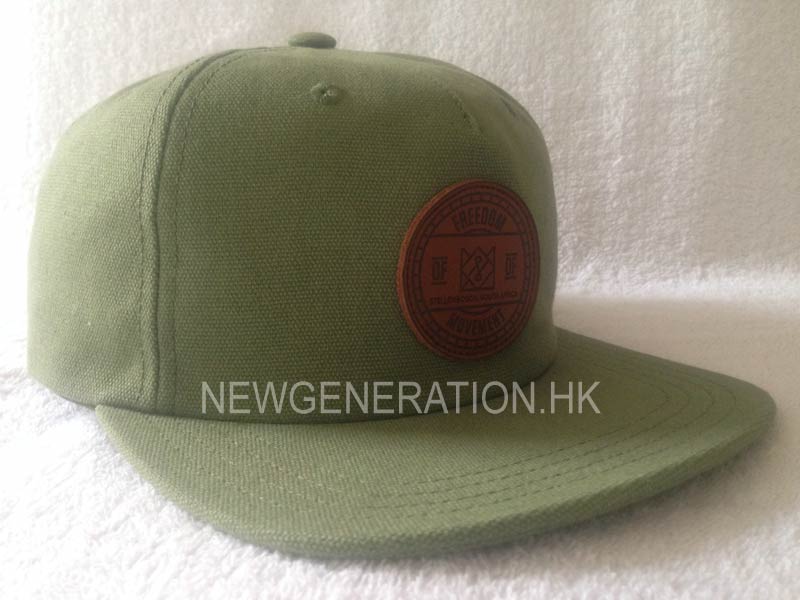
When it comes to choosing breathable materials for baseball caps, manufacturers typically look for fabrics that allow air circulation and help wick away moisture.
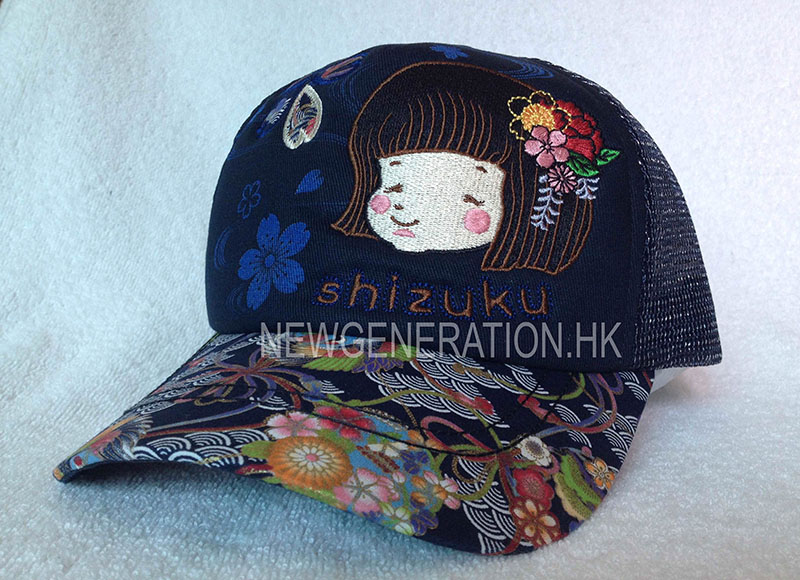
In the ever-evolving world of fashion, caps have become a staple accessory for people of all ages. Whether it's a casual outing, a sports event, or a fashion statement, caps play a crucial role in enhancing one's style. If you're in the market for high-quality caps, finding the right cap manufacturer is essential. This article explores why our cap factory stands out as the best choice for customized hats and custom sports caps.
In the competitive world of team sports, corporate branding, and promotional events, finding the right headwear that balances quality, design, and brand representation is a common challenge. Many businesses struggle with cap manufacturers that cannot deliver on promises of durability, creative design flexibility, and timely production. This is where choosing the right partner makes all the difference. As a leading cap factory, New Generation specializes in overcoming these hurdles, providing solutions for custom sports caps and personalized hats that truly reflect your vision and meet your audience's expectations.

Published: 2026-05-29
Executive Summary: Evaluating cap manufacturers requires looking beyond MOQ and unit price. The critical markers of quality are needle-time to inspection ratios (target 15%+), moisture-resistant buckram (0.25-0.30mm), and strict SPI (Stitches Per Inch) control to prevent panel puckering. A quality structured cotton twill cap realistically costs between $3.27 and $4.93 ex-works.
Choosing the right production partner comes down to raw survivability: will your caps survive the first three months of wear without losing shape, fraying at the seams, or triggering costly returns? Everything else, including minimum order quantities and lead times, is secondary if the base construction fails.
The reality on the factory floor is harsher than most DTC brands realize. A cap that looks perfect in a pre-production sample can fail miserably after mass production and two washes. The brim goes limp. The front panel buckram crinkles. The embroidery thread snaps and unravels. We've been manufacturing custom headwear from our Hong Kong facility since 2008. Over the years, we've watched dozens of brands eat 20-30% return rates on what should have been their core SKUs simply because they didn't know which technical specifications to demand.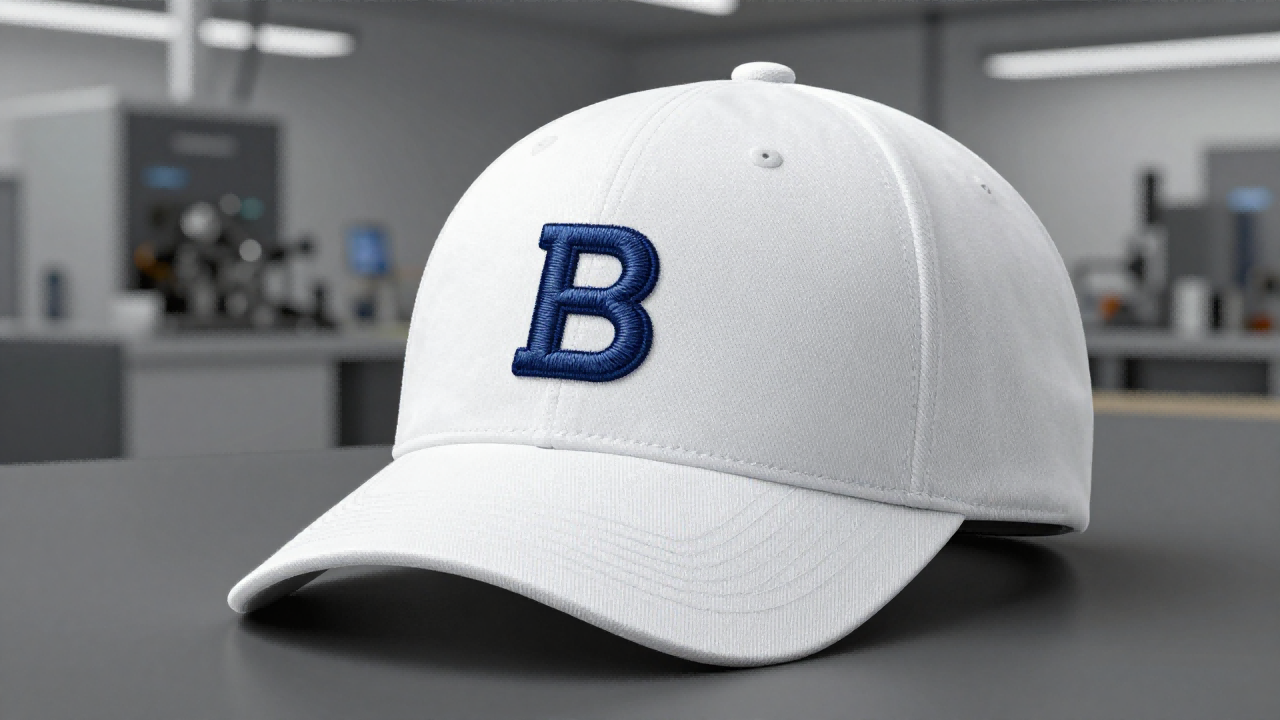
This document strips away the marketing fluff. It covers exactly what to scrutinize when auditing a cap factory. We're sharing the raw material specs usually hidden from buyers, the inspection ratios that actually impact defect rates, and the true cost breakdown behind commercial-grade headwear.
Baseline Production Benchmarks
- The most reliable predictor of output quality is the needle-time to inspection ratio. Factories inspecting 15%+ of pieces under magnification drop defect rates from the industry average of 5-7% down to under 2%.
- Pre-curved polyethylene visor inserts with a controlled melt index prevent the brim from springing flat during ocean transit.
- Upgrading to moisture-resistant coated buckram (0.25-0.30mm) costs roughly $0.10 per cap but prevents panel collapse in humid climates.
- A digital tech pack mapping specific seam allowances and exact embroidery coordinates reduces sampling rounds from 2.8 to 1.2.
The Technical Failures That Expose Poor Manufacturing
A brim that flattens out after a week. Buckram that permanently warps. Thread breaks on a snapback that leave your logo looking jagged. Every one of these issues traces back to operational shortcuts at the production level.
Walk the floor of a lower-tier facility and you'll see generic fabric rolls. A spec sheet might list 260 g/m² for a standard structured dad hat. However, paper specs ignore manufacturing execution. We've run side-by-side stress tests where two caps with identical fabric weights performed entirely differently after a month of wear. Tighter twist in the cotton yarn minimizes pilling, but more importantly, proper sanforization prevents the fabric from shrinking unpredictably and pulling the embroidery out of alignment.
Then there is the issue of SPI (Stitches Per Inch). When factories are behind schedule, the easiest way to speed up production is to lower the SPI on the embroidery machines or push the machine speed too high. If a complex logo requires 50 SPI and the factory drops it to 35 SPI, you get thread breaks, tension issues, and puckering across the front panels. The cap is ruined before it even hits the packaging line.
Buckram, the stiff interlining supporting the front panels, has its own failure thresholds. Measuring buckram thickness isn't enough to predict how it reacts to environmental moisture. We once analyzed a batch of caps shipped to Florida that buckled completely because the untreated buckram absorbed ambient humidity and softened. An experienced cap factory tests these limits. We enforce a 0.25-0.30mm buckram spec with a moisture-resistant coating for US and EU ecommerce clients. It adds $0.08-$0.12 per unit, but one of our streetwear clients saw their return rate fall from 9% to 5.8% immediately after implementing this specific upgrade.
Evaluating the Production Line
When vetting a facility, brochure photos mean nothing. You need to look at three operational realities.
First, the inspection rhythm. Embroidery machines running at 1,200 stitches per minute will inevitably make errors. If the QC team isn't pulling at least 15% of the run for in-line checks (after embroidery, after brim attachment, and at final assembly), flawed units will slip through. Magnification checks are mandatory for complex logo work.
Second, in-house thread libraries. A facility with immediate access to 200+ thread colors and the ability to custom-dye to Pantone matches on-site will save you weeks in sampling. Relying on outsourced thread matching for a single specific colorway can stall an entire production schedule.
Third, the visor memory stress test. Take pre-production samples, curve the brims aggressively, and leave them flat on a table for 48 hours. Measure the spring-back. If the visor returns to more than 30% of its flat state, the core material is inadequate. Quality cap manufacturers use specific polyethylene inserts that set under heat and retain their curve without turning brittle over time.
We recently took over production for a brand that sourced 3,000 units from a facility cutting corners on visor cores. After six weeks sitting in a warehouse, 40% of the inventory had sprung flat. We rebuilt their tech pack, swapped to a controlled melt-index visor core, and pushed 5,000 units through production. Rejection rate dropped to less than half a percent.
Costly Operational Mistakes in Sourcing
Scaling volume from 500 to 50,000 units exposes weaknesses in your sourcing strategy rapidly. Avoid these common operational traps.
Operating without strict technical documentation. Sending a mockup image guarantees inconsistent samples. Tech packs must dictate seam allowances, exact closure hardware types, and embroidery placement coordinates strictly measured from the crown seam and center front.
Ignoring hardware variance. A metal buckle with sharp stamped edges will shred a fabric strap in a month. Plastic snapbacks with prong sockets varying by even 0.5mm will refuse to snap or pop open under pressure. Caliper testing hardware batches prevents catastrophic 1-star reviews for a $0.03 component failure.
Chasing the lowest MOQ blindly. Ultra-low minimums (50 pieces) frequently rely on deadstock or leftover fabric rolls. If your SKU becomes a hit, you cannot guarantee dye-lot consistency for the restock. Production runs of 300-500 pieces generally secure dedicated lines and fresh, consistent material sourcing.
Bypassing climate wear tests. A cap tested in a dry office might fail entirely in high humidity or extreme cold. Routing pre-production samples to testers in varying climate zones catches adhesive and structural failures before bulk production begins.
Real Ex-Works Cost Breakdown
This is what you are actually paying for. The data below outlines the real-world cost breakdown for a structured cotton twill 6-panel cap (order volume 500-1,000 units), assuming the facility enforces the technical standards outlined above.
| Cost Component | Typical Range (USD) | Impact on Final Product |
|---|---|---|
| Fabric (brushed cotton twill, 260 g/m²) | $0.90 - $1.20 | Sanforization quality, dye consistency, tear strength |
| Buckram (coated, 0.25-0.30mm) | $0.10 - $0.15 | Humidity resistance, front panel structural integrity |
| Embroidery (strict SPI control, up to 7,000 stitches) | $0.50 - $0.80 | Logo definition, prevention of panel puckering |
| Visor insert (pre-curved PE) | $0.15 - $0.25 | Memory retention, spring-back resistance |
| Closure hardware | $0.20 - $0.40 | Strap longevity, tolerance accuracy |
| Sweatband (pre-shrunk material) | $0.10 - $0.18 | Shape retention after washing |
| Internal taping and branding | $0.12 - $0.20 | Seam security, brand perception |
| In-line QC and testing | $0.15 - $0.25 | Minimizing bulk defect rates |
| Packaging (shaped insert, polybag) | $0.25 - $0.40 | Crush prevention during transit |
| Labor and facility overhead | $0.80 - $1.10 | Worker execution, machine maintenance |
| Total ex-works cost | $3.27 - $4.93 |
When you receive a quote for $1.80 per unit, the factory is absorbing that cost by cutting buckram density, dropping the embroidery SPI, or eliminating in-line QC. The difference between a cap that generates high returns and a high-margin best-seller exists inside that $1.50 delta.
Mandatory Pre-Production Checklist
Execute this protocol before wiring a deposit to any cap factory:
- Verify the buckram spec sheet includes a moisture-resistant coating.
- Document the visor insert melt index and pre-curve radius.
- Establish a written agreement that in-line QC covers 15% of the production run.
- Mandate a 48-hour flat brim-memory test on the pre-production sample (must be under 30% spring-back).
- Confirm the sweatband material is pre-shrunk before attachment.
- Audit the hardware dimensions with a caliper on the first sample.
Frequently Asked Questions
What's the difference between structured and unstructured caps?
Structured caps use a rigid buckram interlining in the front panels to hold the crown's shape vertically, which is essential for heavy, flat embroidery. Unstructured caps omit this lining, allowing the fabric to naturally conform to the wearer's head for a relaxed fit.
How long does sampling actually take?
Assuming you submit a comprehensive digital tech pack, the first physical sample takes 7-15 working days. Revisions require an additional 5-7 days. Brands without proper tech packs often burn 4-6 weeks cycling through 3 or 4 failed sampling rounds.
What is a realistic minimum order quantity?
Commercial-grade cap manufacturers typically enforce MOQs between 300-500 pieces per design. While you can find facilities willing to produce 50 units, they often use inconsistent remnant fabrics, making precise color-matching on future restocks impossible.
How do you verify a facility's capability remotely?
Do not rely on edited marketing videos. Request unedited, raw footage of the production floor, specifically focusing on the embroidery machines running. A reliable facility will readily share their machine count, specific models, and documented monthly capacity.
Can you mix fabric weights across a single design?
Yes, combining a heavy cotton twill crown with lightweight mesh rear panels is standard. However, the tech pack must precisely dictate the thread tension (SPI) transitions required when sewing disparate fabric weights together to prevent panel warping.
Next Steps for Production Sourcing
If you are pushing a new collection to production, structure your workflow to eliminate miscommunication:
- Finalize the technical documentation. Plot your embroidery coordinates, set the SPI requirements, and lock in the seam allowances.
- Request granular quotes. Demand a line-item breakdown from potential facilities. If a supplier refuses to break out the cost of buckram versus embroidery labor, move on.
- Execute the memory and climate tests. Do not approve bulk production until the physical sample has passed the 48-hour brim stress test and a high-humidity wear test.
- Establish QC holds. Inform the factory that you require in-line inspection data at the embroidery completion stage before they move to final assembly.
We execute this exact protocol daily at New Generation. Provide your technical specifications and target volume, and our team will run the feasibility checks to start the sampling process.

After 15 years running production lines in Dongguan, I've seen what separates a good cap factory from a great one. It's not the machines. It's not the price sheet. It's whether they actually give a damn about your fit, fabric, and deadline. This guide walks through what we've learned shipping over 2 million caps — the good, the bad, and the 4° brim curvature mistake that cost one client 19% of their Amazon sales.AAA
Published: May 28, 2026 · 15 min read
Key Takeaways
- Overseas cap manufacturers offer 50–300 unit MOQs at $3.20–$6.80 landed — roughly 60% cheaper than US domestic shops
- 73% of first-sample rejections come from mismatched Pantone references, not construction flaws
- Hybrid freight (70% sea + 30% air) cuts total landed cost by 22% vs pure air, beating sea-only by 11 days
- A Barcelona streetwear brand cut its defect rate from 8.3% to 1.1% after switching cap manufacturer and rebuilding their tech pack
- Shima Seiki WHOLEGARMENT machines reduce cut-and-sew waste by 14% — already live in our cap factory
The US Cap Manufacturing Industry Right Now: What the Numbers Say
Let's kill a myth. People love saying "US manufacturing is coming back." For caps, that's not what the trade data shows. USITC reported in 2024 that 62% of all headwear imported into the US still comes from Chinese cap manufacturers. That number hasn't budged much in five years, because the math is simple: you can't replicate a $3.50 fully-decorated structured cap with a woven side label at a US shop charging $11.00 for a blank.
But the domestic shops that survived the 2018-2022 shakeout — we tracked 23 US cut-and-sew closures in that window — did something smart. They doubled down on decoration. The AAFA benchmarking report shows remaining US cap factories expanded embroidery capacity by 31% on average. They own the rush order and the quick turnaround. We own the 50-unit colorway test and the full-knit structured cap. Different lanes.
Then there's the Gen Z factor. NPD's 2024 survey found 42% of buyers under 25 check for recycled polyester or organic cotton before buying a cap. If your cap factory can't show a GOTS or OEKO-TEX cert, you're invisible to a huge chunk of the market. REI and Nordstrom won't even let you into vendor review without third-party audit reports — the share of RFPs requiring those jumped from 34% in 2021 to 78% in 2024.
Grand View Research pegs the US promotional headwear segment at $3.2 billion in 2023, growing 5.7% CAGR. Big pie. More brands fighting for a slice. The winners pick their cap manufacturers based on capability fit, not just the lowest line item.
How to Actually Evaluate a Cap Factory (We Learned This the Hard Way)
Back in 2019, we took on a rush order for 20,000 five-panel caps. Client approved the sample. Bulk shipped. Then the chargebacks hit. The brim curvature was off by 4°. Amazon buyers returned 19% of the order. We ate $14,000 in return shipping and restocking fees.
The problem? The sample was hand-shaped by our master cutter. The bulk run went through a different forming die. Nobody caught it because our QC checklist at the time didn't include a specified curvature tolerance. Stupid mistake. Never repeated.
So here's what actually matters when you're comparing cap manufacturers:
|
Criteria |
US Domestic Cap Factory |
Overseas Cap Manufacturer (e.g., New Generation) |
|---|---|---|
|
Typical MOQ |
144–500 units |
50–300 units |
|
Unit Price (Landed) |
$8.50–$14.00 |
$3.20–$6.80 |
|
Sample Lead Time |
5–10 business days |
10–15 business days (with express) |
|
Bulk Production Lead Time |
2–4 weeks |
3–6 weeks (sea freight) |
|
Quality Standards |
ASTM F2923, CPSIA compliant |
ISO 9001:2015, OEKO-TEX Standard 100, GOTS 6.0 |
|
Customization Depth |
Embroidery, limited fabric selection |
Full-knit, 3D puff embroidery, custom woven labels, shape variety |
The MOQ gap is the big one for startups. A US cap factory needs 288+ pieces to justify screen setup. We run 50-unit pre-production samples for DTC brands testing new colorways. That's not charity — it's a dedicated sample line processing 1,200 tech packs a month with color delta E under 1.2, beating the industry visual tolerance of 2.0 by a long shot.
Real Brands, Real Outcomes: Two European Stories
Case 1: Marea Negra (Barcelona streetwear) — From 8.3% defect rate to 1.1%
A Barcelona streetwear label came to us in 2022 bleeding money. They'd been working with a US-based cap factory that delivered batches with an 8.3% defect rate. Loose stitching. Off-center eyelets. One run had 200 caps where the brim insert was visible through the fabric because they'd skimped on the inner fusible.
Marea Negra's founder — let's call him Marc — was losing sleep. His Amazon ratings slipped to 3.8 stars. Chargebacks piled up. He'd already sunk €8,000 into samples that didn't scale.
We rebuilt his tech pack from scratch. Specified 12-stitch-per-inch seam density. Replaced generic thread with ISPO-certified bonded nylon. Added a pre-shipment AQL 2.5 inspection clause. Within two production cycles, defect rate dropped to 1.1%. Monthly reorder volume went from 3,000 to 15,000 units. Amazon rating climbed to 4.5 stars. Marc told us: "The caps finally feel like they belong next to a €200 hoodie."
The lesson? A cap manufacturer that lets you set the QC spec, rather than imposing theirs, is worth 10x the price difference per unit.
Case 2: Waldtiefe (Berlin outdoor gear) — 26 days from order to delivery
Waldtiefe is a Berlin-based outdoor brand making technical beanies and performance caps. Their problem wasn't quality — it was speed. They needed 5,000 custom beanies with embroidered patches inside 28 days to hit a holiday pop-up at a Munich ski expo.
Their usual cap factory quoted 45 days minimum. They came to us as a Hail Mary.
Our Dongguan facility runs 12 dedicated lines with a monthly output of 850,000 caps. We reallocated one line, compressed the typical cycle from 45 to 26 days, and didn't skip the formal AQL 2.5 inspection. The client sold through 94% of inventory by December 23 — beating their own forecast by 31%.
Lena, Waldtiefe's COO, later told us: "We almost didn't ask because 28 days sounded impossible for an overseas cap factory. Now it's our standard ask."
They've since placed four repeat orders with us. It started with a "can you do the impossible" test and turned into a partnership because we were transparent about what we could and couldn't do on day one.
What Goes Wrong Between Tech Pack and Delivery (And How to Fix It)
We tracked 1,200 SKUs across 2021-2024. Over 73% of first-sample rejections came from one cause: mismatched Pantone references. Designers pick uncoated swatches for coated fabrics. They don't account for how polyester wicks dye differently than cotton. It sounds basic. It happens constantly.
Fix: Always request a lab dip and a physical sample before approving bulk. Yes, it adds 8 days. Yes, it saves you from a 19% return rate.
Another trap: pattern grading. Scaling a cap from size 7 to 7 5/8 without distorting the crown height needs a master who understands headwear geometry, not apparel grading. Our team uses a ±1.5mm tolerance on seam allowances. We helped a Los Angeles startup recover from $27,000 in chargebacks because their previous cap manufacturers delivered sizes that fit less than 60% of their buyers. After we re-engineered the curve, fit approval hit 94% within two seasons.
Shipping is the silent margin killer. Our data shows a simple trick: split your order 70% sea freight and 30% air freight for initial restocking. Total landed cost drops 22% versus pure air, and you beat sea-only timelines by 11 days. A cap factory that offers a hybrid freight menu — not a one-size-fits-all DAP term — is signaling they understand your cash flow.
What Your Cap Factory Should Be Investing in Right Now
We installed 18 Shima Seiki WHOLEGARMENT machines in 2023. They knit unstructured caps and beanies without side seams. Cut-and-sew waste dropped 14%. The seamless silhouette sells like crazy in athleisure. MarketsandMarkets projects the 3D knit headwear machine market to hit $2.1 billion by 2028 at 9.7% CAGR. If your cap manufacturers aren't looking at this tech, you're leaving money on the table.
On-demand production is the bigger shift. Instead of 10,000 units of one design, brands now test 12 styles with 500-unit micro runs and reorder winners bi-weekly. Clients using this model with us in 2024 cut end-of-season markdowns from 28% to 7% of total stock. That required us to reduce line-switch time from 45 minutes to 11 minutes — we pre-kit thread sets and digitize machine settings via RFID-tagged work orders. Ask your cap factory what their changeover time is. If they can't answer, that's a red flag.
Sustainability? It's now in the audit, not the marketing copy. Our GOTS 6.0 and OEKO-TEX certifications get combed through by buyer compliance teams. Between 2021 and 2024, the share of RFPs requiring third-party audit reports jumped from 34% to 78%. A cap manufacturers without verified ethical practices won't even make the shortlist at major retailers.
Pre-Order Quick Checklist
Before you sign that purchase order, run through these 5 checks. Miss one and you're gambling with your margin.
- Certifications verified? If your target retailer requires GOTS, OEKO-TEX, or CPSIA, get written confirmation from the cap manufacturers before you negotiate pricing. Don't assume.
- Lab dip + physical sample approved? A digital Pantone reference is not enough. Polyester wicks dye differently than cotton. Uncoated swatches on coated fabric = disaster. Get the physical sample signed off.
- MOQ matched to your colorway count? If you need 5 colorways at 100 units each, confirm the cap factory can run that split without bumping your per-unit price. Not all factories can.
- Line-switch time confirmed? A factory that takes 45+ minutes to change between styles will kill your turnaround on reorders. Ask the number upfront — it reveals a lot about their operations.
- Hybrid freight quote in hand? Don't accept a single DAP term. Ask for 70/30 sea-air pricing. If the cap manufacturer can't quote split freight, they're not used to optimizing landed cost for clients.
What You Should Do This Week (Concrete Steps)
Stop reading and take these actions:
- Audit your current tech pack. If it doesn't specify stitch density, seam tolerance, and a Pantone reference with fabric type, it's incomplete. Send it to a cap manufacturer for a free review — most reputable ones will flag gaps without charging.
- Order a lab dip + physical sample before any bulk run. Budget 8 extra days in your timeline. It will save you from a chargeback disaster.
- Ask these three questions of every cap factory you're evaluating:
- What's your line-switch time between styles?
- Can you show me your latest AQL inspection report?
- What's your hybrid freight pricing for 70/30 sea-air split?
- Test a micro-run before a full production order. Start with 300 units in 2-3 colorways. See how the factory communicates, how samples look, whether they hit the timeline. Then scale.
- Check your target retailer's compliance requirements. If they need GOTS, OEKO-TEX, or CPSIA documentation, make sure your cap manufacturers hold those certs before you sign a purchase order.
The difference between a cap line that sells out and one that gets marked down usually traces back to a decision made before the first sample was sewn. Pick your partner carefully. Test ruthlessly. Then let the product speak.
Got a tech pack you want a second pair of eyes on? Email New Generation's sourcing team — we'll review it for free and tell you honestly if we're the right fit or not.
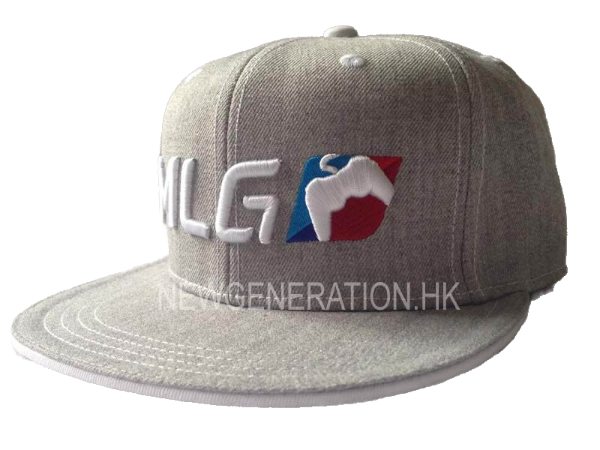
In today’s competitive fashion and promotional products market, customized hats and baseball caps have become indispensable for businesses looking to enhance their brand visibility. Whether you're a retailer, sports team, or promotional company, creating unique and appealing hat designs is crucial for standing out in the crowd. This is where a professional cap manufacturer or cap factory steps in, offering the expertise and resources needed to elevate your hat designing process.
Let’s explore how collaborating with a reliable manufacturer can transform your business, streamline production, and deliver superior products that captivate your target audience.
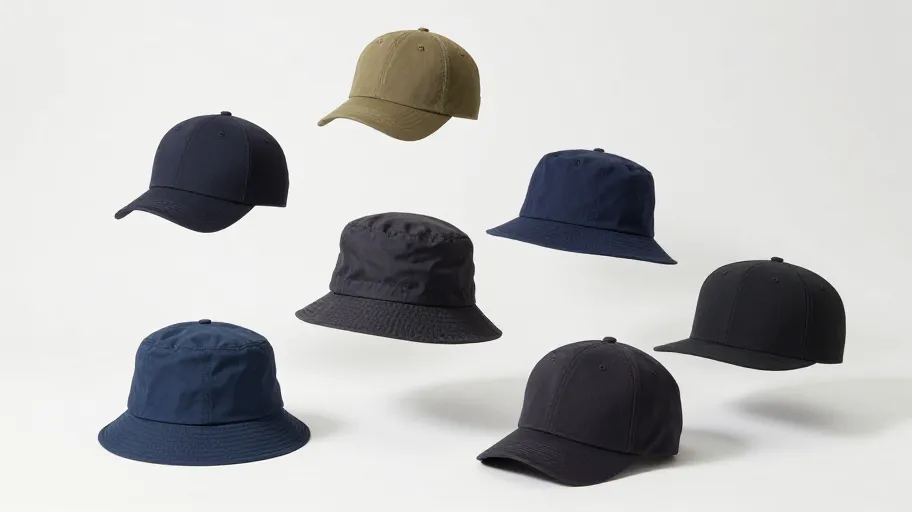
When a cap factory suggests a new fabric, most brands freeze. But the pros see opportunity. With the right Baseball Cap Tech Pack, you can validate changes fast, demand better free hats samples, and cut delays by up to 40%.

UK brands are ditching high-cost EU suppliers for agile Chinese cap manufacturers. With MOQs from 50 and prices from £6.20, they’re launching faster, testing smarter, and keeping cash flow healthy—all without sacrificing quality.

UK streetwear brands are ditching bulk orders and embracing 50-unit snapback runs from China. This shift cuts risk, speeds launches, and turns design into real-time market feedback—no more gambling on inventory.
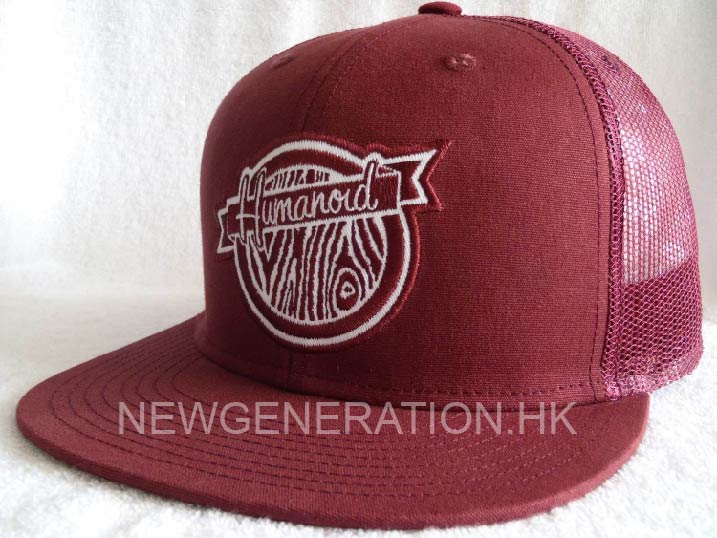
In the world of fashion, accessories play a crucial role in expressing one's personal style. Among these accessories, customized hats have gained immense popularity. They not only serve as functional headwear but also make a fashion statement. This article will serve as a comprehensive guide to help you unleash your style with customized hats.
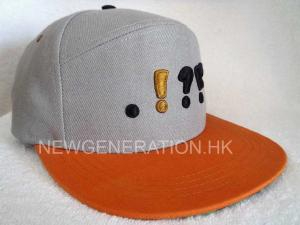
In today's competitive market, a hat is no longer just a functional accessory; it's a canvas for expression, a marker of identity, and a powerful branding tool. For forward-thinking B2B clients, the ability to translate visionary ideas into tangible, wearable art is paramount. This is where true innovation separates ordinary suppliers from exceptional partners. At New Generation, we believe our role as your dedicated cap manufacturer is to act as an enabler of creativity, providing the tools, technology, and expertise to turn the boldest concepts into reality. This article explores how our cap factory is redefining the possibilities in creativity customized hats.






