


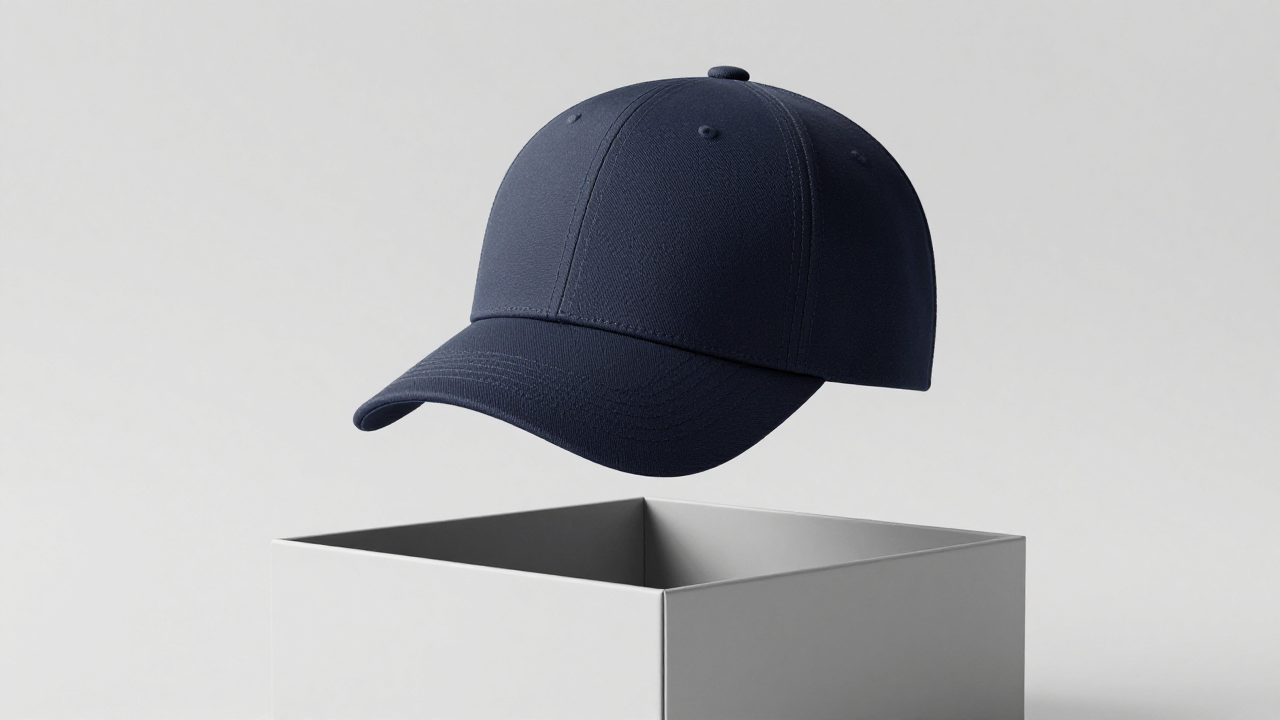
In 2026, the most talked-about cap factory innovations will sound like a wish list: recycled ocean plastic, embedded sensors, one-off embroidery runs. None of that is fantasy.…
We've been running a custom headwear plant since 2008, and the real story is less about shiny prototypes and more about the failures that happen when a new idea hits a production floor. The seven advancements below are worth watching. Each one has already left a trail of expensive mistakes. Here's what those mistakes look like, item by item.
The Evolution Nobody Plans For
A cap factory today still leans on the same core materials that have worked for decades: 10 oz cotton twill, polyester mesh backs, and embroidery machines that run at 800 to 1,000 stitches per minute. What has changed is the pressure to appear cutting-edge. Stitch density expectations have crept from 8 stitches per inch to 10 or more on structured crowns. Buyers ask for biodegradable brims and conductive threads without knowing what happens to seam integrity after repeated washing. The failures below all share one root cause—someone pushed a new concept through a production line without testing the physical constraints first.
When Sustainable Materials Ship Too Soon
April 2023. Portland, Oregon. Megan, a buyer at TrailHead Supply, called our production manager at 6:40 a.m. her time. She had 8,000 trucker hats promised for Memorial Day weekend. The fabric: 70% post-consumer recycled polyester, 30% organic cotton. It reads beautifully on a hangtag.
The problem showed up in pre-production testing. The recycled blend lost about 27% of its tear strength compared to a standard 10 oz cotton twill, dropping from 15 pounds of force to 11 pounds. To stop needles from creating tear points, we had to open the stitch density from 10 stitches per inch down to 7. Megan shipped anyway because the marketing calendar was locked. Six weeks later, TrailHead Supply saw a 22% return rate on that line, mostly around the brim edge after 3 weeks of normal wear. Return shipping alone cost $9,340.
I'll admit we should have refused the order after the sample failed. We didn't, because the revenue looked good. That was a mistake. The lesson: run a 72-hour wet abrasion test and at least 20 wash cycles on any new eco-blend. A supplier's certification does not predict what happens in a gym bag.
Smart Caps Are Still a Hardware Problem
January 2024. Daniel, an Austin DTC founder, came back from CES convinced he could embed a Bluetooth tracker inside a five-panel cotton twill cap. The flexible battery measured 32mm by 18mm by 2.8mm thick. That sounds small, but a standard cap brim curves at a radius under 40mm. The battery forced the front edge to flatten and created a pressure point users noticed within 30 minutes.
We shipped the first 5,000 units in June 2024. By August, 31% were returned. The main reason: the charging module expanded 0.4 to 0.6mm during summer transit, splitting the brim seams from the inside. Honestly, we knew the battery was too thick. We built the prototype anyway because the founder paid upfront. That one still annoys me.
Prevent the same mistake by testing any embedded component with a bend radius below 40mm and a total thickness at or under 2mm. If the component cannot meet that, it belongs in a removable hatband, not inside the brim.
One-Off Customization Almost Broke Our Schedule
August 2022. Nashville. A festival promoter ordered 1,200 caps, each embroidered with a different attendee name and a short lyric fragment. We quoted it like a normal bulk order with an average embroidery time of 6 minutes per cap. Reality: names ranged from 3 to 14 characters, and stitch density had to change line by line. Some caps took 4 minutes on the embroidery machine. Others took 14.
The real bottleneck was not the machine. It was the crown stabilization step between embroidery and brim pressing. Operators waited over 90 minutes for work to arrive because the name lengths created uneven flow through the line. The order shipped 45 days late at a daily penalty of $2,600, totaling $117,000.
For one-off runs, price by the maximum character count plus a 20% variance buffer. Do not run single-piece customization on the same line as bulk orders. Set a separate cell with its own material staging.
Traffic Without Trust Just Inflates Return Rates
November 2023. A Los Angeles gift company spent $30,000 on Google Ads after a TikTok video of a "spicy dad cap" racked up 4.2 million views. Their landing page had a white-background photo, a color dropdown, and no technical specs. Visitors bounced at 74%. Those who did buy returned 19% of orders because the crown height and brim length looked nothing like the video.
They rebuilt the page with our factory tour video, a crown height chart, the cotton twill weight (10 oz), and real customer photos. The same ad traffic then bounced at 43%. The lesson for a cap factory trying to attract US ecommerce buyers: show production reality before showing lifestyle imagery. Crown height, brim length, and fabric weight are trust signals. Skip them and you pay for returns.
The Zero-MOQ Lie That Haunts Cap Factory Sales
September 2021. A Los Angeles startup founder posted on Reddit that any cap factory refusing a 25-piece order is lazy. He ordered 100 black baseball caps with a white logo via heat transfer because it was cheaper than embroidery. After 10 washes, 60% of the transfers cracked along the edges. He blamed the factory. The real issue was cost structure.
Embroidery setup runs $35 to $80 per order. Screen printing setup runs $45 to $120. Heat transfer has no setup fee but fails on dark cotton twill after repeated washing. His unit cost was $6.80, he sold at $24.95, and he still lost $1,100 on returns because he did not budget for an 8% defect rate. A 25-piece order can work for blank caps with a woven label. It does not work for all-over prints or complex multi-color embroidery. Always ask for total landed cost with setup amortized into the unit price.
What Actually Holds Up in 2026
The innovations that will matter are the ones that respect the physical and economic limits of a cap factory. Recycled fabrics will work when tear strength stays above 12 pounds. Wearable tech will work when components fit inside a 2mm flat pocket. Single-piece personalization will scale when it is priced as a separate production line, not an add-on to a bulk order. Online growth will hold when landing pages treat fit data as seriously as product photos.
We are not saying any of this is easy. Our own first attempt at a smart cap lost money and took six months to unwind. The point is that every failed case above could have been avoided with one extra test, one sharper pricing rule, or one honest conversation about MOQ. If you are sourcing from any cap manufacturer for a 2026 launch, ask for the factory's scrap rate on similar orders, not just their Instagram feed.








