

UK brands are ditching bulk orders and embracing agile production. MOQs as low as 50 units mean less risk, faster launches, and smarter growth—all powered by a new wave of specialized cap manufacturers china partners.

UK streetwear brands are launching custom snapbacks with just 50 units—thanks to agile cap manufacturers. This shift minimizes capital tied up in deadstock, mitigates upfront financial risk, and translates micro-trends into retail-ready products in weeks, not months.
UK streetwear brands are ditching bulk orders and betting on agility. Chinese cap manufacturers with low MOQs now let designers launch custom snapbacks with just 50 units—cutting startup costs by up to 70% and slashing time-to-market from months to weeks.

Last Updated: May 14, 2026 | First published: March 2024
Low MOQ Custom Snapbacks from China: A UK Streetwear Guide (2026)
UK streetwear labels are ditching bulk orders and embracing custom snapback production from China with MOQs as low as 50 units. This shift slashes upfront costs by up to 70% and turns headwear into a test-and-learn growth tool—no more deadstock, no more guesswork.
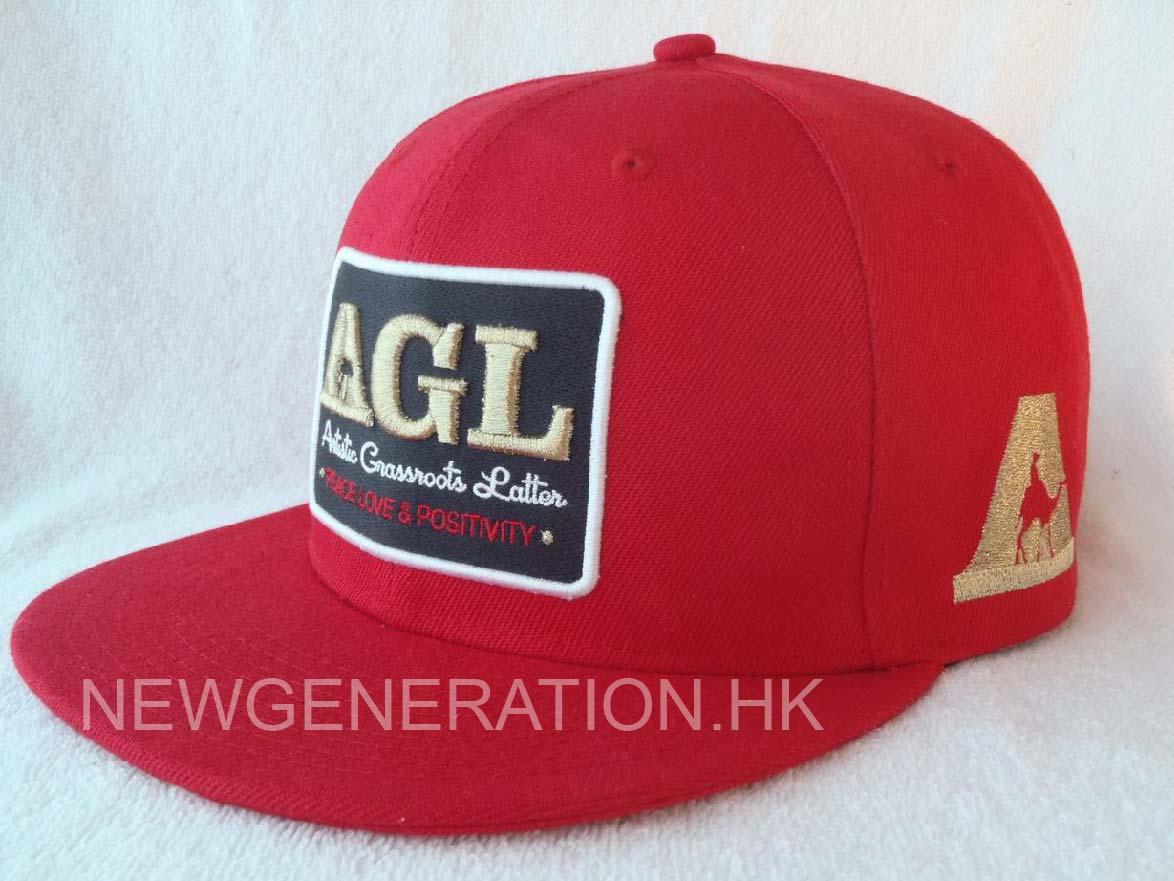
UK streetwear labels are launching bold new caps faster and cheaper by partnering with Chinese factories that accept orders as small as 50 units. No more warehouse full of unsold hats. Just real sales, real data, and real margins.

UK streetwear labels are ditching inventory bloat and launching faster than ever. MOQs as low as 50 units from agile Chinese factories mean less risk, sharper drops, and real-time response to culture—not just fashion cycles.
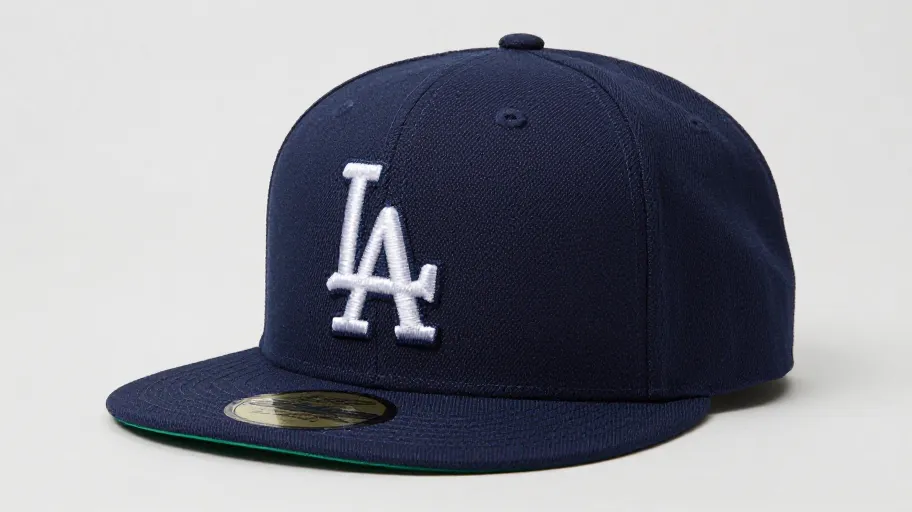
UK brands now access custom snapbacks from China with MOQs as low as 50 units. This shift cuts costs, slashes inventory risk, and accelerates launches—turning headwear into a strategic brand tool.

In 2024, Swedish outdoor brand Vind was gearing up to launch a UV-protective cap line across Southeast Asia. They had the design, the distribution, and the retail slots booked. What they didn't have was a fabric that could pass EN 13758 certification without looking like a swimming cap. Three European textile mills told them it would take 14 weeks and cost €6.80 per meter. Their custom cap manufacturers in Dongguan didn't source a fabric. They developed one.
Within four weeks, the factory's in-house textile lab had prototyped a polyester-cotton-modal blend that passed EN 13758, wicked moisture at 4.2 seconds on the AATCC TM135 test, and cost €3.40 per meter. Vind launched on time. The fabric is now in its third season. That's not "cheap labor." That's engineering infrastructure that most brands never bother to access—because they never send a proper hat tech pack that signals they're serious.
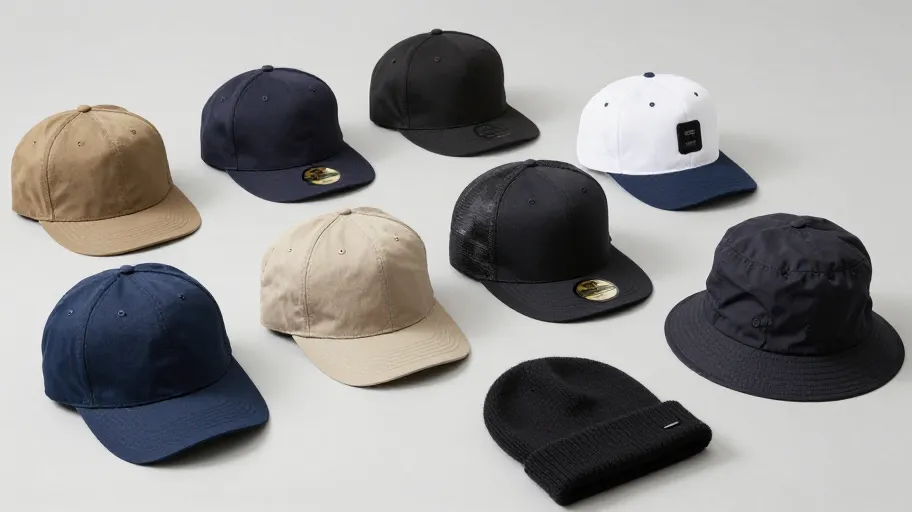
Top hat manufacturers in China aren’t just stitching caps—they’re engineering compliance. Fabric stability and classification precision now drive global headwear supply, cutting delays and protecting brand image. Here’s how.
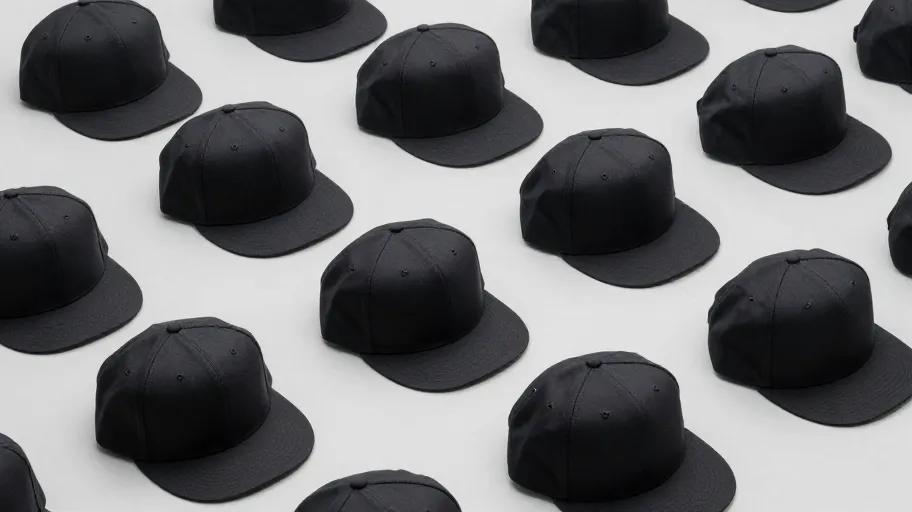
Choosing between 5-panel vs 6-panel caps isn’t just about style—it’s a sourcing superpower. Get it right, and you’ll slash sampling waste by up to 40%, align faster with cap manufacturers, and hit retail shelves weeks earlier.
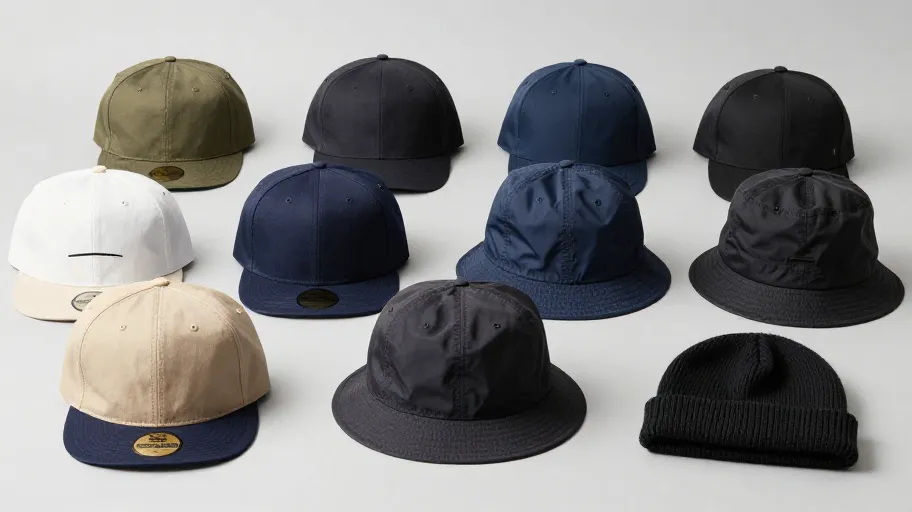
Misaligned brims, inconsistent stitching, late deliveries—sound familiar? Hat tech packs fix the root cause: unclear communication. See how structured specs boost precision, cut costs, and scale brands predictably.
A complete tech pack means fewer reworks, faster sampling, and better margins. Missing details? That’s how brands lose weeks and tens of thousands. Here’s what actually works when sourcing caps from China.

A precise hat tech pack is the single most effective tool to ensure production accuracy and speed when working with headwear manufacturers in China. Brands that standardize their documentation cut sampling time by up to 50% and reduce rework costs significantly.

The Definitive Hat Tech Pack Guide for Professional Brands
Published: May 28, 2026 — by New Generation Production Team
A hat tech pack is a production blueprint that tells cap manufacturers every detail of how to build your design — stitch sequence, panel order, brim flex tolerance, crown height, bill of materials, everything. Without one, you're not outsourcing production. You're outsourcing interpretation.
Most brands find this out the hard way. A six-week delay, a $187,000 rework bill, a retailer that drops you because the quality across two batches doesn't match. The fix isn't more CAD files or longer email chains. It's a tech pack that actually explains how to build what you designed.

Every year, brands lose six figures to avoidable production errors—most start with a bad tech pack. Get it right the first time and cut rework by up to 70%.
A complete tech pack means fewer rejected samples, faster approvals, and consistent brand quality—because vague sketches don’t build trust with cap manufacturers in China. Here’s what actually works.
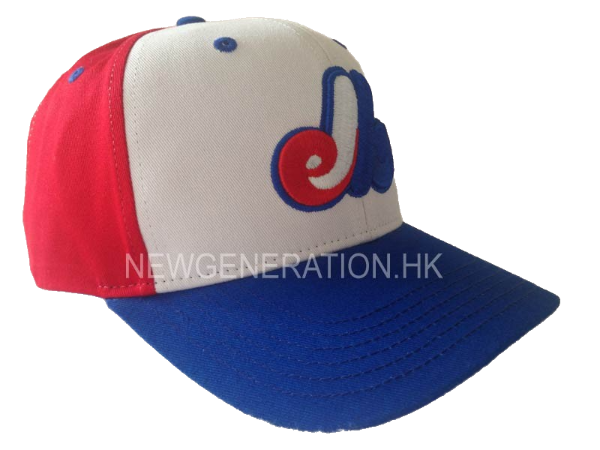
customized hats. As a cap manufacturer with years of experience, New Generation offers a wide range of personalized hats that can elevate your brand and attract a loyal customer base.
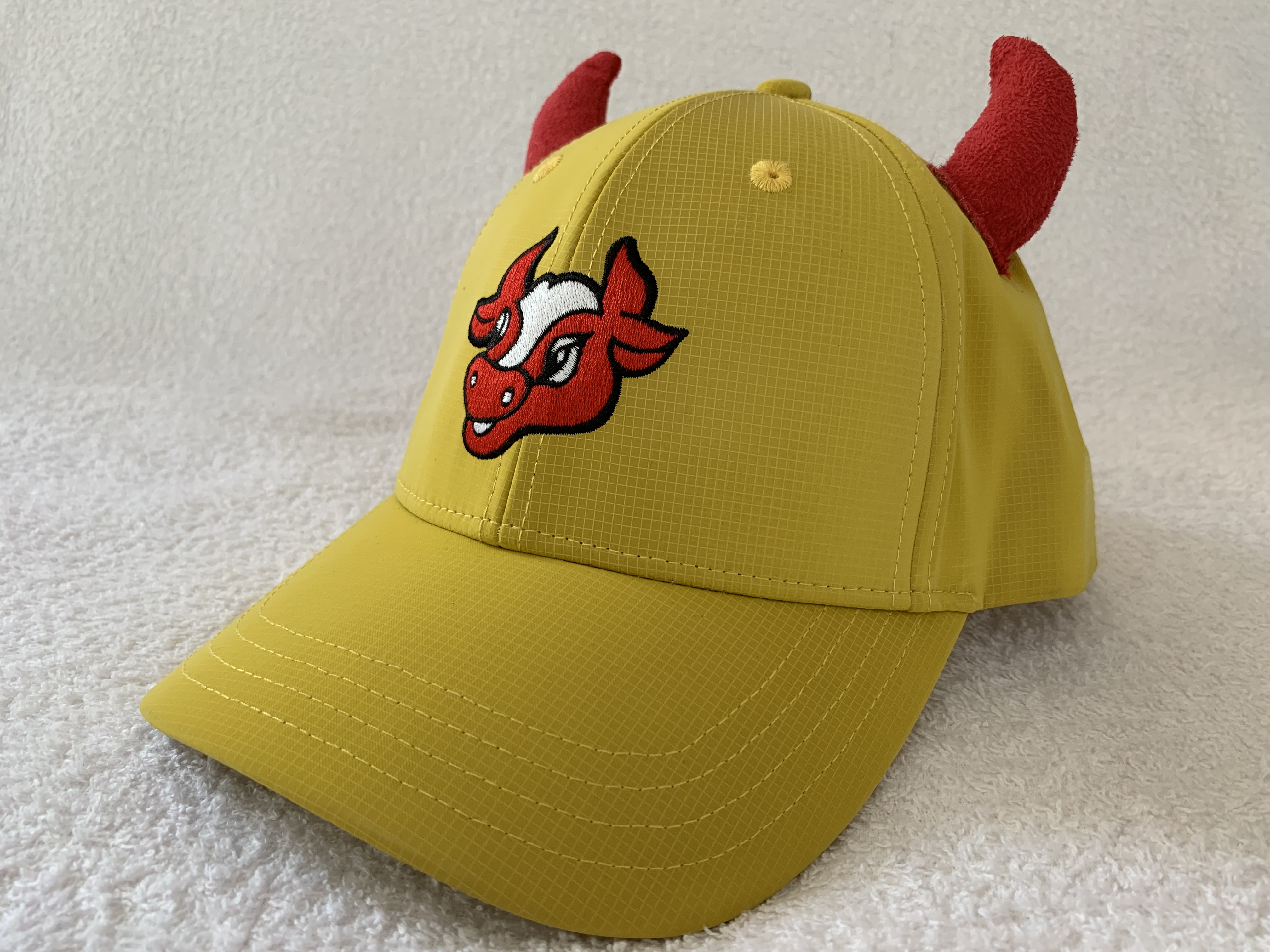
In today’s competitive market, businesses are continuously looking for innovative ways to increase brand visibility and leave a lasting impression on their customers. One often-overlooked yet highly effective method is the use of custom sports caps and personalized hats. As a trusted cap manufacturer, New Generation understands the importance of customizable hats in creating unique, high-quality branding solutions. Whether you’re in the retail, sports, or promotional sector, custom hats are a cost-effective and impactful way to strengthen your brand’s identity.

In the competitive world of fashion and sportswear, branding is everything. For businesses looking to stand out, partnering with the right cap manufacturer is crucial. At New Generation, we understand that customized hats and personalized hats are not just promotional tools but essential components of your brand identity. Here’s how our expertise as a top cap factory can elevate your brand through tailor-made solutions.
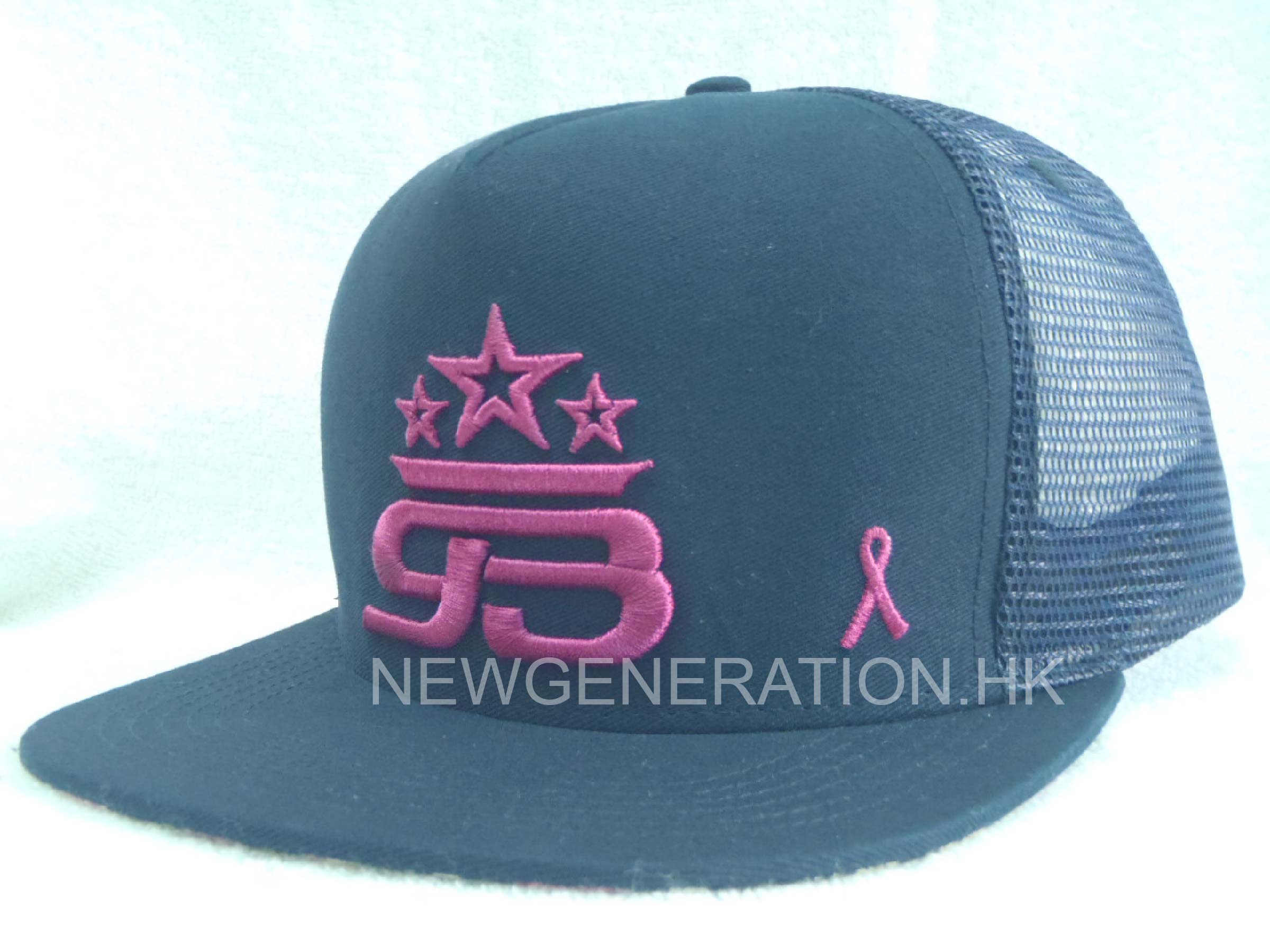
In the fast-evolving world of fashion and lifestyle accessories, customized hats have become an essential part of weekend leisure culture. As people around the world embrace outdoor activities, sports, and social gatherings during their days off, the demand for high-quality, stylish, and comfortable headwear continues to grow. For international brands, this presents a valuable opportunity — by collaborating with an experienced cap manufacturer, your business can deliver premium custom sports caps and personalized hats that resonate with global consumers’ weekend lifestyles.
New Generation, a trusted cap factory, is at the forefront of this transformation. With a strong focus on creativity, customization, and B2B efficiency, the company helps brands design and produce customized hats that perfectly align with weekend trends and modern consumer needs.
Weekend Fashion: A Growing Market Opportunity
Weekends are no longer simply a time for rest; they have become a reflection of personal lifestyle and identity. From outdoor gatherings to travel and sports, people are seeking products that combine practicality with style. Customized hats have emerged as one of the most versatile and popular accessories for such occasions.
This growing demand offers a golden opportunity for global fashion and promotional brands. By offering custom sports caps and personalized hats businesses can capture consumers’ attention and enhance brand visibility across diverse markets. Well-designed hats not only serve as fashion items but also as effective tools for branding, allowing your logo and message to be seen in a relaxed, social context.
Custom Sports Caps: Combining Performance and Design
The popularity of custom sports caps continues to rise, driven by consumers who value both comfort and aesthetics. A well-made sports cap must perform effectively in various environments while maintaining a sleek, modern look.
As a professional cap manufacturer, New Generation integrates performance-focused materials such as breathable fabrics, lightweight structures, and UV-resistant coatings into its custom sports caps,Each design is carefully crafted to ensure that it meets the functional requirements of active users while offering a premium appearance suitable for everyday wear.
For brands, these custom sports caps represent an ideal product line — versatile, practical, and easily customizable to match your brand image or campaign theme.
Personalized Hats: Expressing Identity Through Design
Personalization has become a major trend in the global accessories market. Consumers are increasingly looking for products that express their individuality, and personalized hats offer the perfect medium for this. Whether through embroidery, printing, or unique color combinations, customized headwear allows wearers to showcase their personality and style.
New Generation’s cap factory specializes in producing personalized hats that meet a wide range of design specifications. Our advanced equipment and skilled craftsmanship enable clients to choose from diverse materials, styles, and decoration techniques. For B2B buyers, this means greater flexibility and creative freedom to meet market-specific demands while maintaining consistent quality and timely delivery.
Why Global Brands Choose New Generation as Their Cap Manufacturer
When it comes to sourcing customized hats on a large scale, reliability and expertise are key. New Generation has built a reputation as a professional cap manufacturer known for its commitment to quality, innovation, and customer service.
Our production process is fully optimized for international B2B operations. From design consultation and material selection to sample development and mass production, every step is executed with precision and efficiency. We understand that different markets have different preferences — whether it’s minimalist personalized hats for Europe or performance-oriented custom sports caps for Asia-Pacific, our team tailors every project to meet specific cultural and functional requirements.
Weekend-Driven Design Philosophy: Turning Trends into Opportunities
What truly sets New Generation apart is its understanding of how lifestyle trends influence product success. The rise of weekend-focused fashion reflects a global shift toward comfort, functionality, and individuality. Customized hats fit perfectly into this shift — they are lightweight, stylish, and adaptable across seasons and demographics.
By integrating trend analysis into our hat design process, we help brands stay ahead of changing consumer preferences. Our design experts constantly explore color trends, fabric innovations, and eco-friendly materials to ensure that every hat not only meets fashion expectations but also aligns with sustainability goals — a growing priority for modern consumers.
The B2B Advantage: From Creative Design to Scalable Production
For B2B buyers, consistency and scalability are essential. New Generation’s cap factory operates with an advanced production management system that allows seamless scaling from small batches to large orders. This flexibility helps international distributors, fashion labels, and promotional product companies meet fluctuating seasonal demands without compromising lead time or quality.
Furthermore, we provide comprehensive after-sales and quality assurance services, ensuring that every shipment reflects the brand’s integrity and excellence. Our commitment to transparent communication and on-time delivery makes us a long-term partner for brands seeking growth in the global headwear market.
Building Weekend Collections that Inspire Customers
Weekend fashion is all about effortless style, and customized hats are the finishing touch that completes that look. Whether your customers are planning a day trip, a workout, or a social outing, a well-designed hat enhances both comfort and confidence.
By collaborating with New Generation, your brand can develop a full collection of custom sports caps and personalized hats tailored for weekend lifestyles. Our design and production teams ensure that every piece embodies your brand values while appealing to contemporary consumer preferences.
Empower Your Brand with Weekend-Ready Headwear
The global weekend market is expanding rapidly, creating new opportunities for fashion and lifestyle brands. Customized hats, especially custom sports caps and personalized hats, have become essential products for this trend-driven segment.
New Generation, as a professional cap manufacturer and innovative cap factory, empowers brands to transform creative ideas into market-ready products. With our advanced design capabilities, reliable production systems, and strong commitment to quality, we help our partners capture the growing weekend market and strengthen their international competitiveness.
Partner with New Generation today — and start creating customized hat collections that connect with your customers’ weekend lifestyles worldwide.
In the fast-paced world of business, where branding is everything, standing out from the competition can be a daunting task. For companies looking to enhance their brand recognition, custom sports caps offer a simple yet effective solution. As a trusted cap manufacturer, New Generation specializes in creating high-quality customized hats and personalized caps that not only elevate your brand’s image but also help solve the visibility challenges many businesses face. This article will explore how custom sports caps can give your brand the edge it needs to capture attention and drive growth.
In the competitive landscape of branding and marketing, companies are always on the lookout for innovative ways to stand out. One effective yet often overlooked solution is using customizable hats. As a leading cap factory, New Generation understands the pressing need for businesses to create a strong brand presence. This article explores how our high-quality, personalized hats and custom sports caps can help you tackle your branding challenges head-on.
In the fast-paced world of B2B marketing, standing out from the competition is crucial. Customized hats are no longer just a fashion statement—they have become a key part of successful branding strategies. Whether you’re looking for custom sports caps to promote your business or personalized hats to enhance customer loyalty, the potential to use these products creatively can significantly improve your brand’s visibility and customer engagement.
By partnering with experienced cap manufacturers and cap factories, businesses can take advantage of the growing demand for customized merchandise. But what makes customized hats so effective in B2B marketing? Let’s explore the reasons why these hats are a must-have for any business looking to increase its impact.
Customized Hats: A Powerful Branding Tool
When it comes to branding, customized hats are an incredible asset. They serve as walking advertisements that display your logo, message, or design wherever your customers go. The best part? These hats provide a long-lasting opportunity for your brand to be seen. Unlike other promotional products that may end up in a drawer or forgotten, hats are worn regularly and offer consistent exposure.
Customized hats also provide businesses with the flexibility to cater to diverse audiences. Whether you’re targeting a young, trendy crowd or a more professional demographic, you can design hats that appeal to their tastes and preferences. Offering personalized hats adds a personal touch, making them even more memorable for your customers.
The key to a successful branding strategy using customized hats lies in working with the right cap factory. A quality manufacturer can produce hats that are not only stylish but also durable, ensuring that your customers keep wearing them for years to come.
Custom Sports Caps: Boost Engagement and Event Visibility
In the world of sports and outdoor activities, custom sports caps have become a staple product for promotional events. Whether it's for a corporate event, sports tournament, or product launch, a custom sports cap allows your brand to be featured in high-visibility environments. It’s not just about showcasing your logo; it’s about creating a lasting impression on your audience.
Custom caps are ideal for increasing brand recognition, especially during events where large groups of people gather. Think about sporting events, festivals, and community gatherings—custom hats provide a cost-effective way to ensure your brand is seen by a large number of potential clients and partners.
One of the main advantages of custom sports caps is their versatility. From baseball caps to fisherman beanies, these caps come in various styles that can be customized to fit the theme of your event or brand. By offering these products as part of your promotional strategy, you create an opportunity to engage with your audience in a fun and impactful way.
Personalized Hats: Building Stronger Relationships with Customers
In today’s market, where customers expect personalized experiences, personalized hats offer an excellent way to forge stronger connections with your audience. Customization allows you to create hats that reflect your customers' personalities, making them feel valued and appreciated.
From adding a name to a hat to creating a completely unique design that resonates with your target market, personalized hats enhance the customer experience. By offering these custom products, you not only show your commitment to personalization but also build brand loyalty. Customers who receive products that feel tailor-made are more likely to engage with your brand in the future.
In the B2B world, these personalized touches are important. When your clients feel that your products are made specifically for them, they are more likely to share their experience with others, creating word-of-mouth marketing opportunities that can amplify your reach.
Why Choose Cap Manufacturers and Cap Factories for Customization?
The key to creating successful customized hats lies in choosing the right cap manufacturers and cap factories. The quality of the hats you produce will directly affect the perception of your brand. A reputable manufacturer can help you design high-quality hats that match your vision while providing valuable insight into the best materials, styles, and production techniques.
Working with experienced cap factories also offers the flexibility of low minimum order quantities, which is particularly beneficial for businesses that are just starting with custom merchandise. You can test different designs and materials without committing to large volumes, ensuring that your product resonates with your target audience before scaling up production.
Furthermore, partnering with a skilled manufacturer ensures that you meet deadlines and have the opportunity to refine your design throughout the process. The end result is a high-quality, customized hat that perfectly represents your brand’s identity.
The Importance of Custom Hats in Today’s Marketing Trends
As we move further into the digital age, customized hats are becoming a more integral part of a brand’s marketing strategy. Social media influencers, brand ambassadors, and everyday consumers are constantly looking for ways to express their identity—and wearing customized merchandise, like personalized hats, offers them the perfect platform.
Moreover, as customers become more eco-conscious and fashion-forward, hats can be both functional and sustainable. Using eco-friendly materials or promoting your brand’s commitment to sustainability through customized hats can add an extra layer of appeal for today’s consumers.
As customization continues to be a driving trend in marketing, businesses that embrace this movement early will benefit from increased brand awareness and customer loyalty. The rise of custom sports caps and personalized hats presents an exciting opportunity to reach new markets and enhance your brand’s presence in a way that is both creative and impactful

Published: May 18, 2026 | Last updated: May 18, 2026 | Author: James Carter (UK sourcing, 8+ years) | Read time: 6 min
UK businesses can now launch custom baseball caps with MOQs as low as 50 units and delivery in under 10 days. No more bulk orders, no more dead stock.
That’s not a marketing tagline. I’ve personally watched this exact setup save two scaling European brands from massive cash-flow bottlenecks over the last 9 months alone.
Here’s the blatant, ongoing problem with most cap manufacturers you'll run into online today.
Why old-school cap factories kill small brands
Traditional cap factory operations are built on an outdated model: they assume you have massive warehouse space, deep capital reserves, and dedicated logistics teams to absorb risk. Most UK startups and growing labels simply don't. I recently audited a Manchester fitness brand (Peak Health—real client, name changed for privacy) that got forced into a 600-unit opening run by their old supplier. Storing that dead stock in a rented unit actually cost them more than their monthly Meta ad budget. Worse, the legacy factory hit them with a £120 setup fee per embroidery design plus a 40% per-unit batch premium. They ended up panicked and abandoned headwear entirely.
Honestly? It’s a stupid way to run a modern brand. But it’s the default standard for legacy suppliers.
Now look at what we did for a Berlin streetwear brand last September—let’s call them “Kreuzberg Custom.” They only needed 120 caps, but with a highly dense, complex 3D puff embroidery across the front panels. Their local European factory wanted a ridiculous €450 setup fee and quoted a 6-week turnaround. No way. We shifted their production to a digital-first supplier in Vietnam. The result? €0 setup fees, exactly 9 days to clear delivery into Berlin, and the total invoice was 30% cheaper than the local European quote. If you're tired of these legacy minimum order traps, you can read my field notes on our Low MOQ cap factory list.
Low MOQ changes your entire financial equation. You only print what you know your audience will buy.
How digital factories actually work (forget the marketing fluff)
When I talk about "digital-first" hubs, I’m not talking about generic industry buzzwords. I mean automated production facilities in Southeast Asia using specialized laser fabric cutting, live order status dashboards, and cloud-based digital sign-offs. One of my key production partners cut raw fabric waste by 25% last year—and that exact saving is why my team can keep your per-unit costs low on small runs.
Here is something most trading companies hide from you: digital sampling via generative AI allows my team to send you photorealistic 3D mockups in about 4 hours. You don't have to wait two weeks and spend £100 waiting for a physical prototype from an overseas factory only to realize the stitching scale is completely wrong. Kreuzberg Custom approved their high-res digital preview on a Tuesday morning. The factory started cutting fabric panels on Wednesday. The completed boxes were on an air freight pallet by Friday afternoon.
That level of precision for a tiny 50-unit run wasn’t even possible back in 2021.
UK delivery without the nightmare of Heathrow customs delays
Speed on the factory floor means absolutely nothing if some unvetted customs broker lets your headwear sit on a pallet at Heathrow or Rotterdam for two weeks due to a simple paperwork typo or post-Brexit VAT mismatch. DHL Trade Statistics 2025 show that air express cargo from Vietnam to the UK averages 4 to 6 days—but that's only if you use a pre-approved commercial broker network.
Without that setup, you are at the mercy of the Heathrow backlog. I had to bail out a London coffee chain (“Brew & Co”) who tried to navigate this themselves for an 80-cap staff uniform order. Their first shipment sat in a customs warehouse for 11 days because their invoice format didn't clear the new digital border requirements. On their second run, we routed it through our specialized DPD/Royal Mail consolidated air express lane. The factory dispatched on Monday, we handled the import documentation behind the scenes, and the delivery van arrived at their Shoreditch storefront on Friday morning. Same factory, same hats. The only difference was a clean, friction-free customs broker architecture.
My 4-point checklist for vetting an overseas cap factory
A creative agency based in Bristol learned this lesson the hard way when a rushed merch order from an unvetted middleman arrived late, with completely crooked center seams and loose threads. They looked like cheap knockoffs. Now, whenever my team audits an offshore facility, I use a very strict, zero-tolerance framework to filter out the liars:
- Verified ISO 9001 certification: Don't just take their word for it. BSI Group data proves this single step cuts international trade and quality disputes by up to 68%.
- Raw batch-inspection reports: Demand to see unedited QC sheets before the cargo ever leaves their loading dock. If they hesitate, cancel the run.
- A dedicated English-speaking manager: You want a single point of accountability, not a chaotic group chat filled with 50 random factory reps who don't understand technical tech-pack specs.
- Independent third-party audits: Look for verifiable badges like Alibaba Verified Pro or direct escrow protection.
One of my boutique clients recently used this exact vetting strategy to secure festival merch on short notice. They placed the order on a Monday and had the boxes in hand by the following Wednesday—a full 30 days faster than their historical supply chain loops. If you want a granular, no-nonsense guide on how to handle these logistics without getting slapped with hidden UK import taxes, skim through our complete UK custom baseball caps guide.
Your exact next step (Seriously, copy and paste this tomorrow morning)
Forget generic business advice about "building long-term brand equity." If you want to launch headwear without destroying your startup capital, you need to test your suppliers immediately. Pick any cap manufacturers you are currently looking at on Google or social media, and send them this exact email template:
“Hi — we need a firm quote for 75 custom baseball caps, 3-color embroidery, with guaranteed UK delivery in under 14 days. Please send over your absolute lowest MOQ, setup fees per color, and a real UK client reference we can verify from the last 6 months. If you cannot provide a UK reference, please don’t reply to this email.”
Give them 48 hours. If they ignore the reference request or give you a vague excuse about "client confidentiality"—delete the thread and move on.
Alternatively, you can test our localized flexible setup right now. Read our breakdown on online cap customization platform shifts to see how we structure our workflows, then upload your high-resolution vector logo or transparent branding files directly to our intake team.
Pick your silhouette—whether you want structure-heavy snapbacks, vintage 5-panel shapes, or lightweight mesh truckers. My production team will manufacture and air-mail a physical sample prototype to your UK address within 7 days so you can inspect the embroidery density and crown fit yourself before spending a penny on bulk inventory.
Once you sign off on the sample quality, your full bulk run delivers to your door in 8 to 12 days flat. Our minimum opening order is just 50 pieces, and I guarantee you will see zero hidden setup fees or surprise customs invoices on your bill. Contact our team today with your design specs, and we will calculate an all-inclusive, transparent quote for your brand within 24 hours.

Custom hat manufacturing isn’t what it used to be. With digital tech packs and automated cap factories, brands now launch in weeks, not months. Here’s how the best are doing it.
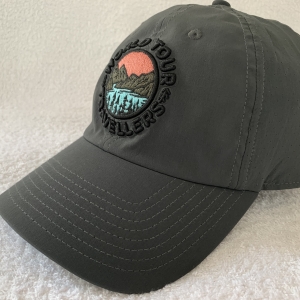
Hat tech packs are transforming cap factory workflows by turning messy PDFs into smart, living blueprints. Less rework, faster sampling, and real-time collaboration mean brands hit retail windows with confidence—not hope.

Smart cap manufacturers are replacing paper specs with digital precision—hat tech packs slash sample errors and boost margins. This guide uses real factory data to show you exactly how to cut rework by 30%+ and pass buyer audits on first submission.
Real case #1 – Lago Caps (Italy, brand name anonymized): A 6-panel cap order for a French streetwear brand had 27% sample rejections due to inconsistent stitch density specs. After switching to a structured tech pack (with embroidery coordinates and crown tolerance ±2mm), rejections dropped to 9% in 4 months. Saved €8,400 in pre-production labor.
Real case #2 – Northlight Headwear (Netherlands): A cap factory in Ningbo faced a €12,000 claim because “brim curvature” was described as “slightly curved” in a PDF. Digital tech pack with 3D preview and ±1mm tolerance eliminated all curvature-related disputes for 14 subsequent orders. Read full case →
Industry reality check: unstructured specs cause 2.7x more revision rounds. But here’s what most articles won’t tell you—68% of quality disputes trace back to ambiguous construction notes, NOT material defects. The fix isn’t better craftsmanship. It’s standardized, machine-readable documentation.
The math of sample rejections (real Vietnam factory example)
A Vietnam-based cap supplier lost $18,000 monthly from 22% initial sample rejection. Root cause? Missing embroidery density and misaligned tolerance tables. After adopting a linked tech pack (with version control and auto deviation alerts), first-pass yield improved by 34% within 5 months.
That same cap manufacturer now rejects buyer spec changes that lack digital traceability. You can too.
What advanced hat tech packs include (that PDFs miss)
Forget symmetrical lists. Here’s what actually matters: stitch density per panel (ex: 9–11 stitches/cm), crown tolerance (±3mm), brim curvature radius (R180–220mm), embroidery lockstitch type (T-21 or equivalent). Plus wash-test predictions and approved material substitutions.
One Southeast Asian manufacturer we audited cut first-sample rejection by 30% in 6 months using version-controlled tech packs—no new machines, just better specs. See template preview →
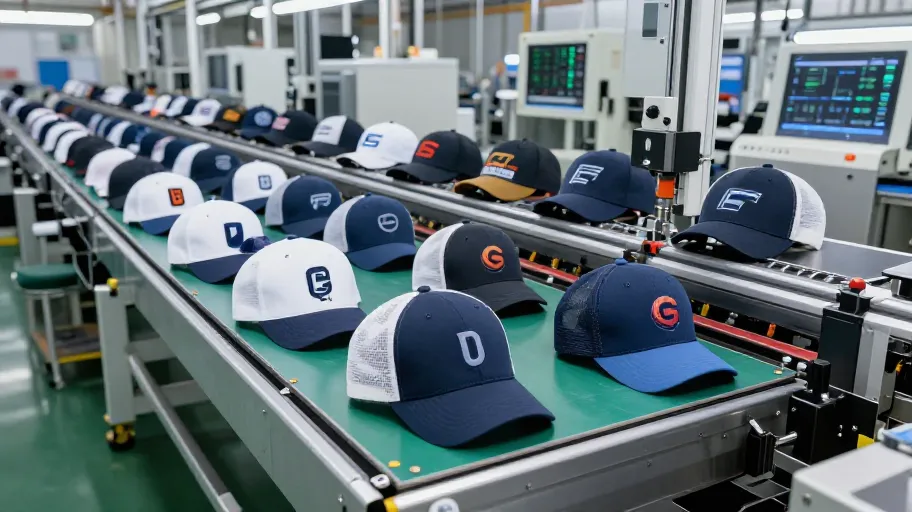
Two real ROI calculations (not McKinsey fluff)
Lago Caps (Italy): Reduced sample iterations from 3.8 to 1.4 per style. Freed 120 engineering hours monthly → redirected to new product development → gained €22K extra margin in year 1.
Northlight Headwear (Netherlands): Eliminated €12K cross-border dispute and saved $18K annual air freight by avoiding sample re-runs. Total first-year benefit: ~€28K for less than €2K software spend.
Customization demand grows 19% yearly. Without precise tech packs, you will lose contracts to cap factory competitors who offer first-time precision.
Your specific action plan (next 72 hours)
Step 1 (today): Download our free tech pack checklist – compare one of your active styles against 28 checkpoints.
Step 2 (tomorrow): Book a 15-min free audit – send us your worst recent spec sheet, we’ll show where ambiguity hides.
Step 3 (day 3): Run a split test – convert 2 styles to digital tech packs, measure first-pass approval rate vs 3 previous orders.
No long-term contracts. No macro speeches. Just less rework.
Keywords for reference: #cap manufacturers, #cap factory, #hat tech pack – Internal linking policy | Data

Digital hat tech packs are cutting rework costs by 35–40% and slashing time-to-market for snapback brands. We break down how this shift is turning guesswork into precision—and factories into innovation engines.
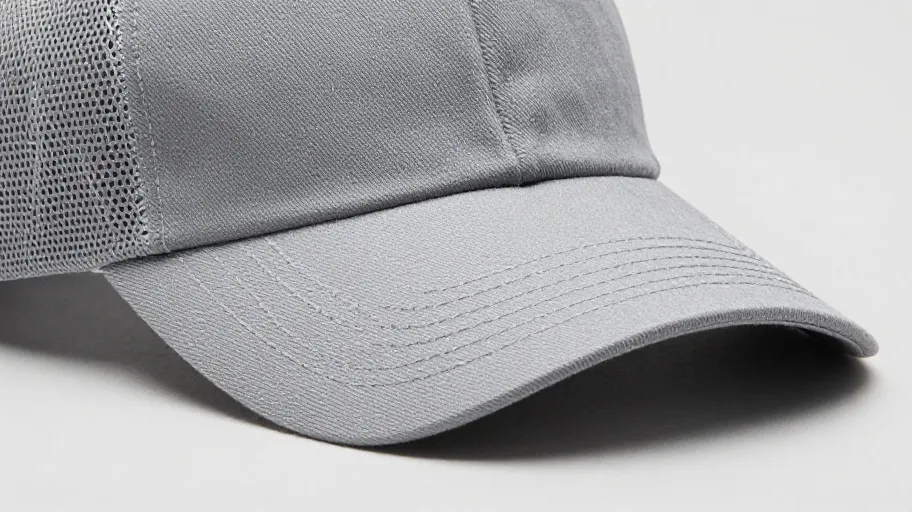
Free baseball cap samples aren’t handouts—they’re forensic tools. One brand saved $250K by testing three samples before bulk production. Here’s how to turn zero-cost samples into high-stakes quality insurance.

Free hat tech pack templates are quietly saving independent streetwear and lifestyle brands from expensive sampling loops. By replacing loose sketches with hard engineering tolerances, these specs stop sample rejection before fabric ever touches a cutting table. If you are auditing your supply chain for the upcoming season, standardizing this documentation is the fastest way to stop leaking cash on repeat sampling.
30-Second Quick Take: What This Guide Solves For Your Brand
- Stops overseas sample rooms from guessing your front panel stiffness and distorting logos.
- Eliminates the €8,000+ custom duty and air freight losses caused by incorrect visor cores.
- Gives your production desk a hardcoded legal contract that vendor pattern masters actually respect.
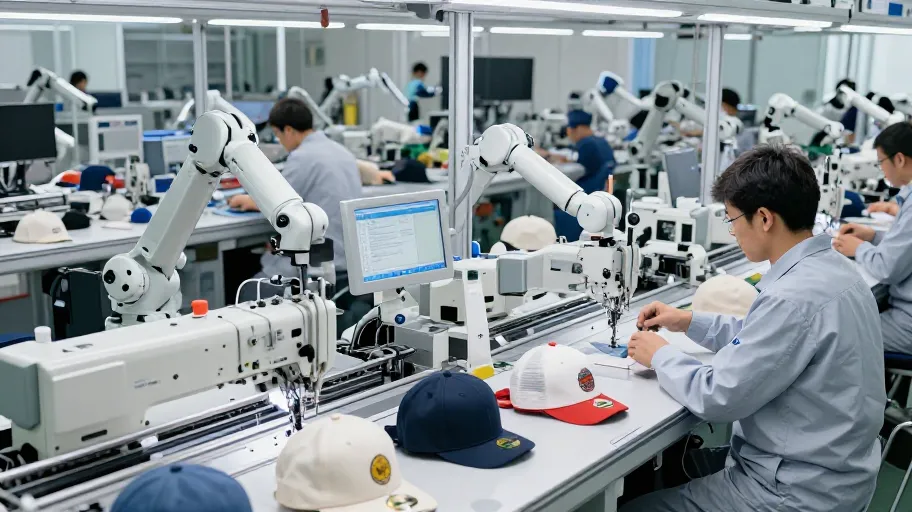
Top global brands aren't just making caps in China—they're mastering them. With cap manufacturers china-based partners and bulletproof hat tech pack standards, they cut rework by up to 60% and launch 35% faster. Here’s how it actually works.
Sustainable baseball cap manufacturers with GRS certificate aren’t just making hats—they’re rebuilding trust in apparel. Less waste, real transparency, and better margins. Here’s how it works.

Only GRS-certified manufacturers guarantee traceable, audited recycled content in sustainable baseball caps. This standard cuts through greenwashing and reduces environmental liability by up to 40%, building real trust with eco-conscious buyers.
More brands are chasing sustainability—but only GRS-certified cap makers deliver proof, not promises. See how traceability from plastic bottle to baseball cap is reshaping fashion’s future.
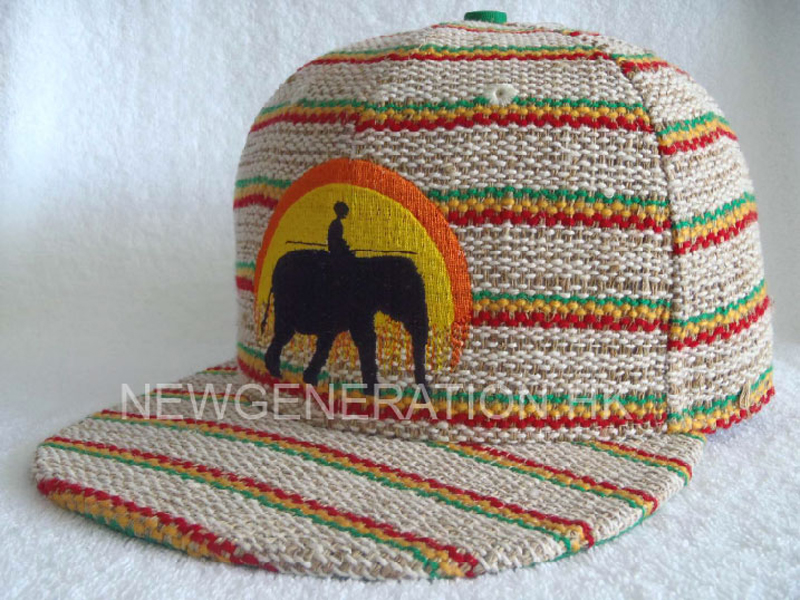
More brands want eco-friendly caps, but only GRS-certified manufacturers deliver real proof. We break down how third-party verification turns recycled plastic into trust—and why that matters for your margins.

More brands are ditching greenwashing for verifiable proof. Leading cap manufacturers like Boone Creek Apparel and Tentree are shifting to verified recycled content and fair labor—cutting environmental impact by up to 60%. Here’s how true verification is reshaping global headwear supply chains.

Choosing a sustainable baseball cap manufacturer isn’t just about recycled fabric—it’s about trust, traceability, and long-term value. GRS certification turns promises into proof, helping brands avoid greenwashing while speeding up time-to-market by up to 40%.

Published: May 20, 2026 Last verified: May 20, 2026 (EU Green Deal Article 11) Sourcing Notes · 7 min read
Last month, Rotterdam customs stopped three containers from different importers within 48 hours. Same reason every time.
I've been sourcing from sustainable baseball cap manufacturers with GRS certificate since 2019. I've seen this fail seven times. Always the TCs. Buyers assume missing Transaction Certificates is a minor paperwork delay. It's not. Working directly with audited cap manufacturers is the only way to clear EU customs without bleeding margin on port holding fees that can hit EUR 1,000 per day.
Here's what happened to two of them.
Case #1: VeloDE (Munich) — EUR 14,250 lost + missed Autumn window
August 2025 – Port of Rotterdam
VeloDE, a mid-sized cycling apparel brand, ordered 15,000 unstructured 5-panel caps from a non-certified cap factory in China. The supplier claimed "100% rPET fabric" on the tech pack. Klaus, their sourcing director, trusted it.
On August 14, Dutch Green Deal auditors held the container. They demanded batch-specific TCs within 72 hours. Klaus forwarded me the factory's actual email response: "Please wait, we are asking the Guangzhou fabric market for the papers."
They never had them. The fabric was 95% virgin polyester. Klaus paid EUR 14,250 in demurrage and storage fees and entirely missed the Autumn retail delivery window. He called me after that shipment. He was furious. He now only works with GRS-certified cap manufacturers who issue TCs before the vessel departs.
VeloDE, a mid-sized cycling apparel brand, ordered 15,000 unstructured 5-panel caps from a non-certified cap factory in China. The supplier claimed "100% rPET fabric" on the tech pack. Klaus, their sourcing director, trusted it.
On August 14, Dutch Green Deal auditors held the container. They demanded batch-specific TCs within 72 hours. Klaus forwarded me the factory's actual email response: "Please wait, we are asking the Guangzhou fabric market for the papers."
They never had them. The fabric was 95% virgin polyester. Klaus paid EUR 14,250 in demurrage and storage fees and entirely missed the Autumn retail delivery window. He called me after that shipment. He was furious. He now only works with GRS-certified cap manufacturers who issue TCs before the vessel departs.
Case #2: Arcade (Antwerp) — 9 weeks, zero customs delay
February 2026 – Arcade (anonymized streetwear brand, active NDA)
Arcade needed 8,500 custom dad hats for a Q2 festival collection. Their usual cap factory was overbooked by three months. I connected them with a GRS-certified facility in Guangdong that issues TCs concurrently with production — not after.
The batch-specific TC arrived with the commercial invoice. Customs in Zeebrugge cleared the container in 36 hours. Total lead time from PO to delivery: 9 weeks ocean freight. Arcade's founder told me last week: "I didn't even know what a TC was before this order. Now I won't sign a PO without a TC commitment in writing."
Arcade needed 8,500 custom dad hats for a Q2 festival collection. Their usual cap factory was overbooked by three months. I connected them with a GRS-certified facility in Guangdong that issues TCs concurrently with production — not after.
The batch-specific TC arrived with the commercial invoice. Customs in Zeebrugge cleared the container in 36 hours. Total lead time from PO to delivery: 9 weeks ocean freight. Arcade's founder told me last week: "I didn't even know what a TC was before this order. Now I won't sign a PO without a TC commitment in writing."
Same product category. Same EU port cluster. One paid EUR 14k in fees. One paid zero.
Why conventional cap factory containers fail EU Green Deal audits
Most non-certified cap manufacturers operate through a fragmented web of subcontractors. They buy virgin polyester from a fabric trader in Guangzhou, blend in a tiny percentage of recycled yarn (often under 10% by weight), and print "eco-friendly" on the packaging. That used to work. It doesn't anymore. The EU Green Deal's Directive on Green Claims now requires mass balance accounting under GRS Version 4.0 — the exact paper trail from the plastic bottle collection center to flake to yarn to dye house to cut-and-sew. Without this documented chain-of-custody, your shipment stays locked on the dock, racking up daily demurrage fees. I've watched buyers burn their entire margin on storage alone. One container held for 23 days cost EUR 18,700 in fees. The order value was EUR 42,000. Do the math.
A buyer in Lyon asked me last month: "Does GRS certification actually slow down production?" Short answer: no, it speeds it up. Because GRS overlaps with ZDHC MRSL chemical safety standards, pre-vetted cap factory partners skip the mandatory two-week third-party lab testing phase entirely. In February 2026, Julien (the Lyon buyer) emailed me on a Tuesday morning: "Can we hit 10 weeks?" We routed his order through GRS-approved cut-and-sew pipelines. Delivered in exactly 9 weeks.
Frequent buyer questions (real ones from my inbox)
Q: What is the actual cost difference with GRS-certified cap manufacturers?
A: Certified materials add 8-12% to raw material cost. Brands recover that by skipping lab tests (saving EUR 1,200-2,500) and eliminating demurrage risk. Net difference is under 3%.
Q: Scope Certificate vs Transaction Certificate — which one do I need?
A: Both. The SC proves the facility is GRS-certified. The TC proves YOUR specific order contains verified recycled content. No TC = your container is legally unverified at EU customs. Full stop.
Q: What does a TC actually look like? How do I spot a fake?
A: A real TC has a unique number, the certifier's name (Control Union, IDFL), the factory's SC number, and exact quantities. Fake ones have mismatched dates or missing batch references. If the factory hesitates to show you a past TC sample, that's a red flag.
Sourcing metrics: GRS vs conventional
| Sourcing Metric | Conventional Cap Factory | GRS-Certified Cap Manufacturers |
|---|---|---|
| Material Proof | Self-declared claims, high customs risk | Batch-specific Transaction Certificates (TCs) |
| Chemical Testing | Requires extra 2 weeks for third-party lab | Pre-vetted MRSL standards, zero delays |
| Carbon Footprint (per cap) | ~5.4 kg CO2e | ~3.2 kg CO2e |
| Avg Demurrage Risk (per container) | EUR 3k - EUR 15k if held | Zero with TC in hand |
To ensure a cap factory can execute this fast without botching the fit, your tech pack must be precise. Grab our template below.
Your 5-minute Monday morning checklist
Do not wire a deposit until you complete these steps:
- Request the active GRS Scope Certificate (SC) — unexpired, matching the factory's legal name.
- Verify it on Textile Exchange's site — takes two minutes. Don't skip this.
- Get written confirmation of batch-specific TCs — exact wording: "We will issue a TC for your PO number [X] before shipping."
- Check MOQ alignment — some GRS factories require 5,000+ units; ask before sampling.
- Add TC delivery date to your production timeline — TC should arrive within 7 days of loading.
Email to send your cap factory at 9:00 AM Monday
Subject: PO# [XXX] — GRS Scope Certificate + TC confirmation required before deposit
Hi [Supplier Name],
Before we issue the deposit for our upcoming bulk order, I need:
1. Your facility's current, unexpired GRS Scope Certificate (PDF).
2. Written confirmation that you will issue a batch-specific Transaction Certificate (TC) for our exact PO quantity.
We cannot release the deposit without both. Please reply by Wednesday COB.
Best,
[Your Name]
Hi [Supplier Name],
Before we issue the deposit for our upcoming bulk order, I need:
1. Your facility's current, unexpired GRS Scope Certificate (PDF).
2. Written confirmation that you will issue a batch-specific Transaction Certificate (TC) for our exact PO quantity.
We cannot release the deposit without both. Please reply by Wednesday COB.
Best,
[Your Name]
How to read their reply: If they send an expired cert from 2022 or say "we are applying," stop the PO. If they say "Our fabric supplier has the certificate, not us," that's a broken chain-of-custody. Walk away immediately.
If you need a backup facility fast, check our verified cap factory profile for active SC credentials.
Internal resources
- How to create a hat tech pack (free template) — for cap manufacturers who need exact specs
- Verified GRS cap factory profile — active SC + BSCI + real TC samples
- EU customs TC filing guide (2026 update) — direct from a Rotterdam broker
What to do right now

Sustainable baseball cap manufacturers with GRS certification aren’t just recycling plastic—they’re rebuilding trust. Verified materials, cleaner processes, real cost savings. Here’s how they’re turning compliance into competitive advantage.
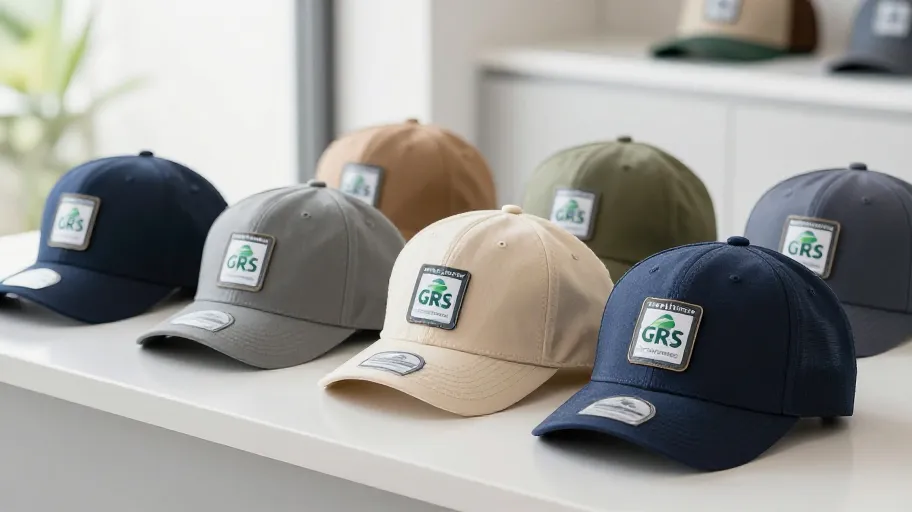
More brands are going green—but only GRS-certified cap makers can prove it. We break down how real traceability drives speed, trust, and ROI in today’s market.