NEWS

ALWAYS ON TOP

Cap Factory Fails: 4 Common Mistakes That Cost Us $20,000 in 2026

Poor quality control is the most common and most expensive mistake in cap factory management. It rarely shows up as a complaint. It shows up as a rework line, an air freight bill, and a chargeback.…

Cap Factory Green Revolution: Eco-Friendly Materials of 2026

It was 9:47 a.m. on a Tuesday in March 2025 when the sourcing Slack channel for a San Francisco outdoor brand lit up. Their compliance director dropped a single question: “Can our cap factory fully trace the origin of every single yarn — down to the bale?”

The team had 48 hours to answer. Nine of their fourteen headwear suppliers failed. The brand yanked three lines from production and re-routed the entire order to a facility that had been quietly stockpiling blockchain-tracked recycled polyester for months.

We know because we were one of the suppliers that passed — barely. Our team in Hangzhou fielded 14 traceability audits in Q1 2025 alone. That’s triple the number we handled in all of 2023. Something in the industry had flipped, and it wasn’t a slow pivot. It was a scramble.

Cap Factory Green Revolution: Eco-Friendly Materials of 2026

The Quiet Panic Inside American Headwear Sourcing

For five decades, the average cap factory ran on three reliable pillars: cotton twill, polyester mesh, and ABS plastic snapbacks. The math was simple — order bulk greige fabric, cut, sew, embroider, ship. Sustainability meant putting a “recycled” hangtag on a cap that was maybe 8% post-consumer content, if the auditor wasn’t looking too closely.

That game is collapsing.

California’s SB 343, which went into full enforcement in 2025, bans vague terms like “eco-friendly” without hard evidence. The FTC’s Green Guides update in early 2026 is expected to raise the bar further. At the same time, REI, Target, and Dick’s Sporting Goods now require a third-party lifecycle analysis for every private-label cap SKU. A sourcing manager at a Colorado outdoor chain told me in October 2025, “If our cap factory can’t show a 30% carbon reduction by Fall 2026, we’re cutting them. No exceptions.”

The economic pressure isn’t subtle. According to McKinsey’s 2024 Fashion Sustainability Survey, 71% of U.S. consumers under 35 say they’ll pay a 10-15% premium for a cap with verified environmental credentials. The problem? Only 19% trust the label. That trust gap is where the next generation of cap factories will either win or disappear.

What 2026’s Materials Actually Look Like on a Cutting Table

In November 2024, we cut our first sample run of five eco-forward materials side by side in the Hangzhou facility. The results were humbling. Some shredded our needles. Others smelled like wet cardboard when steamed. But three of them are now running on our production floor at 94% efficiency or higher.

Recycled Ocean-Bound PET

This isn’t the rPET of 2019. The supply chain now can deliver chip-level traceability — we know the bottle count, the collection port, and the recycling facility. Seven 500ml bottles become one structured six-panel cap. Carbon footprint clocks in around 0.38 kg CO2e per unit, compared to 0.62 kg for virgin polyester, based on lifecycle data compiled by the Sustainable Apparel Coalition. The hand feel is nearly identical to conventional poly, but the dye uptake is trickier — we lose about 4% of dye consistency compared to virgin unless we run the bath 6°C hotter and extend the dwell by 12 minutes.

Hemp-Organic Cotton Blends

A 55/45 hemp-to-organic cotton twill became our unexpected workhorse in 2025. Rainfed hemp needs no irrigation and acts as a natural pest repellent. A 2024 study from North Carolina State University’s Wilson College of Textiles found that a 30% hemp blend increased tear strength by 22% over 100% organic cotton — addressing the biggest durability complaint we’d heard from brands. The catch: it’s 30-35% more expensive per yard than standard cotton twill. We only recommend it for brands selling above a $38 retail price point. Below that, the unit economics don’t close unless you’re ordering north of 5,000 units.

Regenerated Nylon from Discarded Fishing Nets

This one started as a pet project with a Portland brand called Heritage Goods in August 2021. They needed 3,000 trucker caps that could withstand saltwater corrosion for a fishing community line. We sourced ECONYL® regenerated nylon from pre-consumer waste and ghost nets collected off the Chilean coast. The fabric performed — 60+ wash cycles without pilling — but the embroidery machine ate through three sets of needles in the first week. The regenerated fibers are slightly coarser, and the stitch density had to drop from 12 stitches per cm to 10 to avoid needle breaks. Heritage Goods launched the line in March 2022 with a “1% for the Planet” certification. They sold out in 11 days. Online revenue for that product category jumped 280% year-over-year, and — here’s the stat that grabbed attention — the return rate fell from 8.2% to 2.9%. Customers felt the material story was worth the $42 price point.

Mycelium-Based Leather for Visor Bills

We tested a sample run of 300 caps using Mylo™ unleashed from Bolt Threads in July 2025. The material is grown from mycelium cells on agricultural byproducts, then tanned without chromium. The texture is eerily similar to soft calfskin, but it’s not dimensionally stable above 80% humidity — we saw a 1.8mm expansion on the visor edge during a hot Jacksonville warehouse simulation. That’s enough to make a structured crown look wavy. The price is 70% above a traditional leather-like PU bill, so for now, it’s strictly a limited-edition play. But three L.A.-based streetwear labels have already placed pre-orders for Fall 2026 drops, betting the marketing halo outweighs the per-unit margin hit.

Here’s a quick side-by-side of how these materials stack up on a typical six-panel cap — the kind your brand probably runs:

MaterialCarbon per Cap (kg CO2e)Wash DurabilityPilling RiskCost vs. Standard Poly Virgin polyester (baseline)0.6245 cyclesMedium— Recycled ocean PET0.3850 cyclesLow+15% Hemp-cotton twill (55/45)0.2180 cyclesVery low+30% Regenerated nylon (ECONYL)0.3560 cyclesVery low+45% Mycelium leather bill0.4540 cyclesN/A+70%

The Six Months That Nearly Broke Our Production Line

Transitioning to green materials isn’t a material swap. It’s a process rebuild. In January 2024, we dedicated Line 3 — our mid-volume structured cap line — exclusively to eco-materials for a 90-day trial. The first month was a disaster. Quality yield dropped from our standard 98.2% to 83%. Operators who’d been sewing for eight years couldn’t figure out why the recycled polyester crown panels kept creeping under the presser foot. We found out the hard way: recycled fibers have a slightly lower melt point, and our standard platen temperature of 148°C was causing micro-shrinkage of 1.2%. Dropping it to 135°C and adding a 0.8-second dwell extension solved it, but we burned through 4,200 spoiled panels before locking in the parameter.

The warehouse had to be re-zoned, too. Organic cotton requires OCS certification separation from conventional stock — no shared shelving, no same-day cutting without complete clean-down. Our logistics lead, a guy named Wei who’d been with us since 2010, said, “I had to buy three separate color-coded bin systems just to avoid cross-contamination. My team thought I’d lost my mind.” By September 2024, yield was back to 96.5%, and we’d become one of the few cut-and-sew operations in the Yangtze Delta that could offer a fully segregated eco-production track. That’s not a brag. It’s a survival tactic, because by mid-2025, every fifth RFP we received included a mandatory line about “dedicated green production lanes.”

What Nobody Tells You About the Green Cap Factory Pivot

I sat down (virtually) with Rebecca Tran, a materials engineer who’s consulted for three U.S. headwear brands, in February 2025. She pointed out something that gets glossed over in most sustainability panels: “The biggest misconception is that eco-materials are inherently softer or more comfortable. That’s marketing. Hemp blends start out stiff — sometimes customers return them because they feel ‘cardboard-like’ before wash five. You have to educate the end consumer, or the return rate will eat your margins alive.”

Tran’s right. Our own return data from a 2024 pilot with a Denver-based brand showed that caps labeled “hemp blend” had a 12% higher return rate in the first two weeks compared to identical silhouettes labeled “organic cotton,” even though the fabric was the same. The brand quickly added a care card explaining “this fabric softens with wear,” and the return rate normalized within six weeks. That little piece of paper cost $0.08 per unit and saved roughly $4,200 in reverse logistics across the run.

On the small business side, the fear of MOQ (minimum order quantity) is real. Most eco-material suppliers in 2024 wouldn’t take orders under 1,000 yards. That meant small brands — the 500-cap order types — were priced out. We addressed it by pre-buying 3,000 yards of rPET and hemp-cotton in neutral colors (black, navy, forest green) and holding it in ready stock. Now a brand ordering 300 caps can tap into that inventory, no special yarn dye needed. It’s not a perfect solution — it ties up about $28,000 in working capital per quarter — but it removed the single biggest friction point for our indie label clients.

Your Eco-Friendly Cap Factory Questions, Answered

What’s the single biggest benefit of switching to these materials?

Regulatory runway. Starting in mid-2026, several U.S. states will require apparel brands to disclose supply chain emissions for public procurement and large retail contracts. A cap factory that can already provide a verified environmental product declaration (EPD) becomes the default choice, not an option. The cost savings from avoiding rushed transitions later are real — one Midwest brand we work with estimated a $120,000 compliance penalty risk if they couldn’t show material traceability by Q3 2026.

How can a small business make the jump without bankrupting itself?

Start with one SKU, not the whole collection. Pick your hero silhouette — the cap model that already sells 60%+ of your volume — and swap the material there first. Use an existing pattern to avoid pattern-making costs. Test the market for one season. The cost increase per unit, for something like rPET, is typically $0.45-$0.75 at the factory gate level. If your cap retails at $28, you can absorb that inside your existing margin, or pass $1.00 onto retail, which is invisible to the customer. We’ve seen brands do exactly this and actually improve their gross margin because the eco-story allowed a $2.00 MSRP increase.

Are eco-friendly caps less durable?

No, if the mill spec is right. Mechanically recycled polyester can lose 8-10% tensile strength compared to virgin, but a tighter weave density (say, 210T instead of 190T) compensates without affecting drape. Hemp blends actually outlast 100% cotton by roughly 30 wash cycles. The only durability drop we’ve measured is with plant-dyed caps — natural indigo fades faster than synthetic, which some brands are now marketing as “lived-in character” rather than a defect.

The Open Question That’s Keeping Procurement Directors Up at Night

As we push into 2026 production planning, a pattern is emerging: brands are demanding full chain-of-custody documentation, but only 40% of Tier 2 suppliers (the weavers and dyehouses) are equipped to provide it in a machine-readable format. That means the data flow often stops at the cap factory door. We can show the bill of lading for the organic cotton, but we can’t always verify the farm’s water usage beyond a PDF certificate that could be three years old. Someone, somewhere, is going to build a blockchain-based verification layer that links farm to finished cap — and the factories that integrate first will own the high-margin contracts for the next decade. Whether that technology comes from a startup in Austin or a tech giant’s supply chain division is still anyone’s guess.

Cap Factory Innovations: 7 Game-Changers for 2026

Cap Factory Innovations: 7 Game-Changers for 2026

How do cap factories actually compete right now? The real story behind production speed versus cost.

Walk into any trade show in Vegas in 2024 and you’ll hear the same two words from every brand owner: faster delivery. Nobody cares that you can make a million caps if you can't ship 500 in three weeks. And the dirty secret? Most domestic headwear manufacturers are running machines from the early 2000s. I was in a cut-and-sew facility in Vernon, California last March, and the owner, a guy named Rick who's been cutting brims for 23 years, showed me his embroidery floor. Six machines. Two were down waiting on replacement boards from Japan. Lead time had slipped to six weeks.

The economics get weird at scale. A standard 6-panel unstructured dad cap in brushed cotton twill costs roughly $0.85 in materials if you're buying fabric by the container load. Add labor, overhead, and freight from overseas, and you're looking at a landed cost of $1.35 to $1.70 per unit for an order of 2,500 pieces. But shipping delays at Long Beach have turned that $1.70 cost into a real-world $2.30 when you factor in demurrage fees and missed retail windows. That's the number nobody publishes in their catalogs.

We track turnaround times obsessively at New Generation, and the split is stark: a pure domestic supply chain can hit 10-14 days on reorders, but the unit cost jumps to $4.50-$6.00 for comparable quality. Offshore production from our facility in China lands at the lower cost but requires 28-35 days. There's a middle ground most brands ignore—domestic decoration on imported blanks. Keep a stock of neutral caps stateside, then custom embroider or screen print to order. You cut total lead time to 5 business days and keep the per-unit markup reasonable.

The real margin killer isn't labor costs. It's inventory management. I've seen brands order 10,000 caps in five colorways and end up liquidating three colorways at cost because the Pantone 2025 Peach Fuzz trend died in six months. The smarter play is smaller initial runs, frequent reorders, and a factory partner who doesn't penalize you for it with absurd minimum order quantities.

Here's what the cost-speed-quality triangle looks like for a typical structured cotton cap with 3D puff embroidery, based on what we've delivered in 2023-2024:

Production ModelUnit Cost (2,500 pcs)Lead TimeBest For Full offshore (Asia)$1.35 – $1.9028-35 daysPlanned seasonal drops Blanks + domestic decoration$4.20 – $5.505-9 business daysReorders, limited editions Full domestic cut-and-sew$5.00 – $7.0010-18 daysPremium brands, "Made in USA" marketing Hybrid (offshore cut, domestic finish)$2.80 – $3.6014-21 daysMid-market brands testing new designs

The hybrid model has gained ground in the last 18 months, driven partly by tariff uncertainty. By shipping unfinished caps and completing the sweatband or closure domestically, brands navigate around certain duty classifications. Is it convoluted? Yes. Does it save 8-12% on a landed cost basis? Also yes.

What does AI actually do in a cap factory—beyond the buzzwords?

In July 2023, one of our sampling rooms ran a test. We took 14 months of order data—customer specs, fabric choices, embroidery file sizes, rejection rates—and fed it into a predictive model built by an engineer from our IT team. The goal wasn't to replace anyone. It was to answer one question: which spec combinations would likely cause production delays before a single panel was cut?

The model flagged something counterintuitive. Caps with curved brim embroidery that used polyester thread on heavyweight brushed cotton had a 23% higher defect rate than the same design on midweight twill. The needle was essentially chewing up the softer fabric. Nobody on the floor had connected those dots across 800+ orders because each order looked isolated. Once we added a fabric-weight warning to the order review process, those specific defects dropped from roughly 8 per 100 units to under 1.

This is the actual state of AI in headwear manufacturing in 2025. It's not robots folding caps into boxes. It's pattern recognition on process data that humans don't have the bandwidth to analyze across thousands of SKUs. Machine vision systems now inspect stitch density in real time, flagging under-stitched logos that a QA inspector might miss at 3:00 PM on a Friday after checking 400 caps. Typical stitch count for a left-chest 3D embroidered logo should fall between 6,000 and 9,000 stitches for crisp definition. When a camera system catches a 4,200-stitch run—usually from a digitizing error—it stops the machine instead of producing 300 bad units.

On the robotics side, the boring-but-useful stuff wins. Automated brim formers that press and shape visors with consistent heat and pressure have eliminated the guy with the steam iron who used to do 120 visors an hour. A single machine does 400. One facility in St. Louis I visited in February 2024 installed a robotic fabric spreader that reduced cutting room labor by two positions—not eliminated, shifted to machine maintenance—and improved fabric yield by 7% because the spreader laid material with 98% fewer wrinkles than manual spreading.

The ROI timeline matters. For a mid-volume factory producing 150,000 to 200,000 caps annually, an automated brim press at $45,000 to $60,000 pays itself back in 14 to 18 months through labor savings and reduced rework. Machine vision stitching inspection runs $25,000 to $40,000 for a retrofit on existing embroidery heads. That one's harder to justify unless you're doing high-value custom work where a rejected cap means a $8+ loss, not a $2 loss.

Are sustainable materials actually sustainable, or is this just marketing for cap factories?

The recycled polyester story is legit on the supply side, messy on the end-of-life side. rPET fabric—made from shredded water bottles—uses roughly 50% less energy in production than virgin polyester, according to a Textile Exchange lifecycle analysis from 2022. For a six-panel cap that requires about 0.3 yards of fabric, switching to rPET reduces the carbon footprint by approximately 0.4 kg CO2 equivalent per unit. Across 50,000 caps, that's 20 metric tons. Not nothing.

But here's what doesn't get discussed at sustainability panels: the microfiber problem. Recycled polyester caps still shed microplastics when washed. Unless the consumer is hand-washing their trucker caps—they're not—those particles end up in the water system. I've started telling buyers who genuinely want lower-impact options to look at hemp-cotton blends instead. Colorado-based outdoor brands, in particular, have shifted in this direction since 2023. A 55% hemp, 45% organic cotton twill cap costs about $1.10 more per unit than conventional cotton at the fabric level, but the supply chain argument is cleaner: hemp requires no irrigation in most growing regions and pulls carbon into the soil.

The harder sustainability conversation is about overproduction. The most eco-friendly material choice is irrelevant if the cap ends up in a landfill after sitting unsold in a warehouse. We've tracked customer data and found that brands ordering just-in-time batches of 300 to 500 units, reordering as they sell through, end up with less than 3% deadstock. Brands pre-ordering 5,000 units based on forecast alone? Deadstock rates average 18 to 25%. That delta, not the fabric choice, drives the actual environmental impact.

Practical steps for a cleaner production line are simpler than most suppose: switch from petroleum-based inks to water-based for screen printing (cuts VOC emissions by roughly 80% on the print floor), install heat recovery systems on steam lines used for fabric shrinking, and audit your fabric mills for wastewater treatment certifications. These aren't headline-grabbing but they move the needle on a facility's actual output metrics.

Why does custom cap production still have high minimums in 2025?

Because setup costs haven't budged much in 20 years, and anyone who tells you otherwise is selling something.

To run a custom structured cap with an embroidered front panel, you need: a digitized embroidery file ($25-$45 one-time cost), a screen or digital print setup depending on any side or back artwork, fabric cut to specific panel shapes using custom dies (the cutting die alone runs $200-$400), and labor to set up, thread, and test-run each embroidery head. That setup time doesn't care if you order 36 caps or 360. It takes the same 45 minutes to dial in thread tension and hoop placement on a new design.

Minimum order quantities act as a filter. Below 72 pieces for a fully custom cut-and-sew cap, the per-unit cost balloons to absurd levels because the fixed setup costs get spread too thin. We ran the numbers for a brand requesting 48 caps with four custom woven labels, a unique brim color, and a seven-thread embroidery design. The unit cost came out to $21.40. The same design at 144 pieces dropped to $8.90. At 576 pieces, $5.20. There's a step-change economics curve that hits around 150 units where you've amortized setup costs and fabrics are being ordered in bolt quantities rather than cut-yard purchases from a distributor.

The workaround that's gained traction in the last two years is blank-capped customization platforms. You stock pre-made caps in 12 core colors—black, navy, white, charcoal, olive, khaki, royal, red, forest, sand, light pink, heather grey—and use on-demand embroidery or DTG printing. Minimums drop to 24 pieces, sometimes lower, because the cap body already exists. The limitation is creative: you can't spec a different brim curvature or custom lining fabric, and your color palette is locked to what's in stock. For 70% of small brands launching their first merch line, that's fine. For the 30% building a premium headwear identity, full custom is the only path.

My cap supplier keeps missing deadlines—what's actually going wrong in their factory?

In 2021, one of our production managers sat down and mapped every touchpoint for a typical 1,000-cap order. There were 17 distinct handoffs between departments: cutting, embroidery digitizing, embroidery production, sewing line A, sewing line B, sweatband attachment, brim pressing, top button attachment, eyelet installation, closure sewing, trimming, quality check, steaming, tagging, bagging, carton packing, palletizing. Each handoff introduced a potential delay of 4 to 48 hours.

The biggest bottleneck we identified was the gap between embroidery and sewing. If the embroidery department finished 400 panels on a Thursday afternoon but the sewing line was still processing the previous order, those panels sat until Monday. Nobody owned the handoff. The fix was brutally simple: a physical Kanban rack at each transition point, with a max queue of eight hours' work. When the rack hit capacity, upstream slowed down and someone was reassigned. On-time delivery went from 76% to 91% in six months.

Supplier delays usually trace to one of three root causes: fabric mill backorders (especially for specialty materials like wool-blend or performance moisture-wicking fabric), under-investment in embroidery machine capacity (most facilities run at 85 to 90% utilization during peak seasons, leaving zero buffer for a rush order or a machine breakdown), or poor order sequencing that bunches complex designs together and starves the sewing lines of simple work. A healthy factory runs at about 75% capacity for standard production, reserving 25% for rework, urgent orders, and machine maintenance.

Ask your supplier one question: what's your current order backlog in hours? If they can't answer that number within 30 seconds, they don't have real-time production tracking. Walk away. A competent facility knows, to the hour, how much work is queued at each station. The ones that don't are guessing, and your delivery date is a fiction.

What will separate profitable cap factories from the rest by 2026?

Cadence, not scale.

The factories winning in 2026 will be the ones that can process reorders in 72 hours, not 72 days. The direct-to-consumer brands powering this industry—gym chains launching branded merch, podcasters dropping limited-run dad caps, breweries refreshing their employee headwear twice a season—don't need a container-load order. They need reliability. When a brand's online hat drop sells 400 units in a weekend, they want to reorder 200 more on Monday morning and have them shipped by Thursday. Factories still operating on a "collect orders until we fill a container" model will hemorrhage these accounts.

The technology piece is secondary but reinforcing: a factory that's digitized its pattern library so that reorders can be re-cut without a physical sample, that has machine vision catching stitch defects in real time, that uses cloud-based order tracking so a buyer in Austin can see their production status without emailing anyone—that factory wins the account and keeps it. The technology isn't a differentiator on features. It's a differentiator on trust.

There's also a quiet consolidation happening in the mid-tier. Smaller cut-and-sew facilities that can't meet updated California Proposition 65 compliance for certain hardware finishes, or can't afford the fabric testing required by large retail buyers, are getting acquired or closing. The survivors will be the ones that invested in third-party testing (Oeko-Tex certification, CPSIA compliance for youth product lines) before they were forced to. Those certifications are table stakes for doing business with any brand large enough to have a compliance department. Brands are vetting factories more aggressively than they did five years ago. The ones that pass are getting long-term contracts. The ones that skate by on "trust us, it's tested" are getting phased out.

The margin on a standard promotional cap might be 8 to 12% in a commoditized bid. The margin on a premium custom collaboration cap, produced on a tight deadline with flawless execution, can run 25 to 35%. The factories climbing into that second tier are doing it by solving the reliability problem first and the fancy-features problem second.

Cap Factory Innovations: The 3 Must-Know Breakthroughs of 2026

In February 2023, a mid-sized headwear brand outside Dallas signed a purchase order for two fully automated embroidery lines from a European equipment vendor.…

Cap Factory Innovations: The Game-Changers of 2026

In the ever-evolving world of fashion and manufacturing, cap factories have seen a significant transformation. From traditional methods to modern innovations, the industry has come a long way.…

Cap Factory Innovations: The Game-Changing Trends of 2026

Cap Factory Innovations: The Game-Changing Trends of 2026

The Shift Nobody’s Talking About in Headwear Manufacturing

If you’re still buying caps the way you did in 2019—fire off an email, wait a week for a quote, cross your fingers on the samples—2026 is going to eat your margins alive. I’m not saying this to sell you anything. I’ve been on the sourcing side of headwear since ‘08, back when a “fast” custom order meant four weeks and the only sustainable option was a blank organic cotton dad cap that nobody wanted to wear. Today, the velocity of change inside a competent cap factory rivals what we’re seeing in auto plants. Tesla’s Terafab bet—$16.8 billion to vertically integrate chip production—is a signal, not an analogy. If you control the flow of data and material from cutting table to shipping dock, you stop being a vendor and start behaving like infrastructure. That same dynamic is reshaping how headwear gets made, and most buyers haven’t caught up.

I’ll walk you through what’s actually landed on production floors in 2026, how to separate signal from bullshit when a factory pitches their “AI-powered” line, and where the real leverage is for someone who places orders north of $50,000 a year. Expect concrete numbers, a decision tree you can steal, and at least one story that will make you rethink your backup supplier strategy.

What’s Actually Running on the Floor Right Now

Forget the press releases. Here’s what’s happening inside the four walls of advanced cap factories this spring, based on three facility walkthroughs I did in Fujian and Guangdong between January and March 2026.

First, automated embroidery cells are no longer a demo-room curiosity. A typical mid-volume factory now runs a bank of 12 to 20 multi-head machines linked by a central scheduler that pulls digitized designs from the cloud the moment a P.O. is approved. The break-even point on this setup used to require 200,000 units per year of continuous work; as of Q1 2026, the hardware cost has dropped enough that shops running 80,000 caps annually can justify it. One factory owner in Quanzhou showed me his real-time dashboard: average job changeover from a structured snapback logo to a flat-visor performance cap was 11 minutes, down from 40-plus minutes in 2023. That’s 63 minutes saved per shift per head, which translates to roughly 18% more throughput without adding labor.

Second, laser cutting and bonding is eating into traditional cut-and-sew for technical headwear. We’re not talking about the whole cap—nobody’s figured out how to bond a six-panel crown without seams looking like a science project. But for brim edges, strap attachments, and even some internal sweatband linings, laser-welded TPU seams are becoming standard for brands that sell into the running and golf categories. The seam strength degradation over 50 wash cycles is less than 5%, according to lab data one material supplier shared with us, compared to roughly 12% for traditional lock stitches on the same poly-blend fabric. These numbers aren’t from a university study—they’re from the same accelerated-wash protocol that REI and Under Armour require in their vendor manuals. If you spec outdoor gear, you’ve seen it.

Third, the material story is finally past the “we have a recycled PET option” checkbox phase. The mills we work with now offer 100% recycled polyester yarns where the staple fiber length is long enough to hit a 65,000-cycle Martindale abrasion rating. That matters because the first-gen recycled fabrics pilled like hell after three months in the field. A decent cap factory can now trace that yarn back to a specific lot of post-consumer bottles processed in Zhejiang or, if you’re paying a premium, to a certified ocean-bound plastic stream out of Southeast Asia. The fully traceable stuff bumps the fabric cost by about $0.22 per cap, and that’s before you factor in the third-party certification cost for the chain of custody. We’ll come back to why that $0.22 hides a $12,000 audit trap later.

How to Pick a Cap Factory in 2026 Without Getting Burned

I’m going to give you a decision tree that’s saved my ass more than once. Start with three questions and follow the branches.

Question 1: What’s your actual use case and end customer?
  • If the cap will be worn for physical activity (running, golf, hiking) and the retail price is above $35 → you need a factory with bonded seam capability, wicking liners, and documented UPF testing. Skip any shop that can’t show you their in-line seam-strength QC logs.
  • If it’s a fashion or streetwear play where the look matters more than the spec sheet → your priority shifts to embroidery digitizing talent and the factory’s ability to do structured 3D puff on unstructured crowns without distorting the fabric. Most factories can’t do this without ruining 8% of the run. Ask for their internal reject rate on puff embroidery by crown type. If they can’t give you a number by style code, walk.
  • If it’s promotional or giveaway work (sub-$8 landed cost) → manufacturer selection is entirely about logistics and duty engineering. You want a factory that understands de minimis thresholds, direct-to-FBA labeling, and can run poly-bagging inline.
  • Question 2: What’s your true order frequency and volume predictability?

    This drives the MOQ conversation. A lot of buyers think they can negotiate a 300-piece minimum because a factory’s Alibaba page says so. But the real economics turn on how many times per year you reorder and whether you can batch forecasts. At New Generation, we’ll waive a surcharge for runs of 500 if we know you’ll hit 15,000 units across six drops in the calendar year—because we can bulk-order the sweatband twill and schedule the embroidery digitizing across all SKUs in one programming block. The margin isn’t in the individual P.O.; it’s in the machine utilization rate across the relationship.

    Question 3: What’s your pain tolerance for supply chain surprises?

    Here’s the uncomfortable truth: the factories with the best pricing in Q2 are often the same ones that will push your July reorder to August because they took a bigger client’s order. Mitigating that isn’t about getting a promise—it’s about auditing the production scheduler. I ask to see the live queue with customer codes anonymized. If a factory runs 85%+ utilization constantly, your order will slip during peak season. You want a shop running at 70–75% sustained, with surge capacity to 90% for two weeks. That’s the sweet spot where they’re hungry enough to care but stable enough to deliver.

    Let’s put these choices into a comparison table that reflects 2026 realities, not 2020 assumptions.

    FactorFactory Type A: High-Automation, High-TransparencyFactory Type B: Traditional Cut-and-Sew with Some UpgradesFactory Type C: Pure Broker / Trading Company Typical Lead Time (custom, 1k pcs)7–10 business days18–25 business days30+ days (unpredictable) Per-Unit Cost (structured 6-panel, emb, woven label)$2.85–$3.40 FOB$2.40–$3.00 FOB$3.50–$4.20 FOB (broker margin hidden) Embroidery Digitizing Cost$35–$50, amortized over order life$50–$80, charged per P.O.$80+ and they “own” the file Real-Time Production VisibilityDashboard access, live QC photosWeekly email update, if you ask“Almost done, friend” Material TraceabilityLot-level, with test reports on requestGeneral mill certificatesNone Risk of Dumping for a Bigger ClientLow—capacity modeled on baseline volumesHigh during Chinese New Year and Q4Very high—your order is always secondary

    One more thing about the Type A factories: if they don’t offer a portal where you can see your order status, they’re not Type A. It’s that simple. In 2026, a cap factory that claims to be automated but can’t give you a barcode-level scan at each station is just running faster machines, not a smarter system.

    The Sustainability Trap That Costs Buyers $12,000

    I mentioned the $12,000 audit trap. Here’s exactly how it works. A major U.S. retailer you’ve been courting finally gives you a purchase order, contingent on a certified recycled material claim. The cap factory says “no problem, we have GRS-certified fabric.” What they don’t tell you is that their certification scope covers only the fabric mill, not the cut-and-sew facility. When the retailer’s third-party auditor shows up—say, SGS or Bureau Veritas—they discover the factory can’t prove the finished cap was made entirely from that certified roll. The audit fails. You’re out the $12,000 audit fee, and the P.O. is canceled.

    I watched this happen to a rival importer in August 2025. They’d been sold on a “green” factory that turned out to be buying a few bales of certified yarn and blending it with conventional stock on the same line. The giveaway? Their documentation didn’t include a mass-balance reconciliation. If a factory can’t show you a spreadsheet that tracks certified material weight in versus finished product weight out, with an allowable loss factor (usually 3–5% for cutting waste in caps), don’t make the claim on your packaging. The FTC’s Green Guides are getting sharper teeth, and class-action lawyers in California are not messing around.

    We learned our own lesson the hard way in 2022, when we had to recall 8,000 caps that were labeled “100% recycled” but contained conventional thread and a non-recycled plastic closure. Now our QC team cuts open one cap per dye lot and photographs the component disassembly before any shipment. It’s tedious but cheaper than litigation.

    What Nobody Tells You About the “Smart” Cap Factory

    Alright, let me pull back and get honest about something. Automation in a cap factory is not a silver bullet. The biggest failure mode I see in 2026 isn’t a lack of robots—it’s a human operator who never learned to love the data. I walked into a highly automated plant in Dongguan last November that had all the toys: robotic arm pickers, RFID-tracked work-in-progress, the whole show. But the floor manager was still scheduling jobs on a whiteboard. Their OEE (overall equipment effectiveness) was 48%. For context, a well-run embroidery cell should hit 70% OEE—meaning 70% available operating time spent producing good caps at full speed. 48% is like paying for a Formula 1 engine and driving it in city traffic.

    The fix wasn’t technology; it was a brutally simple morning meeting where we asked two questions: “What failed yesterday and why?” and “What’s different today?” Within six weeks, OEE crossed 62%. No capex. Just process.

    When you tour a factory, don’t get hypnotized by the shiny arms. Look at the floor. Are there piles of half-finished caps waiting between stations? That’s WIP inventory piling up because the line isn’t balanced. Each pile is $0.35 in trapped cash per cap, and it means your order is aging in place while someone else’s gets priority. Ask for their WIP-to-shipment ratio. If it’s above 1.2:1, they’re not managing flow—they’re just pushing.

    A Real 72-Hour Fire Drill, and Why It Worked

    Let’s ground this in something concrete. In late June 2025, we got a call from a promotional products distributor in Austin who handles corporate swag for a massive tech conference. The original supplier—a broker in Ningbo—had ghosted them. 6,500 structured trucker caps needed to be at the Austin Convention Center in seven calendar days. The designs involved a front embroidery with metallic thread and a woven side label on a curved mesh. Metallic thread is a nightmare when you’re rushing because it snaps at higher needle speeds.

    Our ops lead, a guy named Wei who’s been running embroidery floors since 2009, did this in the first 30 minutes: he pulled the last three months of thread-break data by machine, identified the two heads with the lowest metallic-thread failure rate, and dedicated them solely to this order. We ran 22-hour shifts across three days, with a QC inspector at the output side doing inline checks rather than waiting for a post-run audit. The shipment left Shenzhen on a Monday evening and cleared customs in Dallas on Wednesday. The caps were on-site Thursday morning, 36 hours before the conference opened.

    That fire drill happened because the factory had pre-invested in two unglamorous things: historical machine performance logs and a labor pool cross-trained to switch between departments when a crisis hits. The metallic thread didn’t magically stop breaking—we still had a 3.2% break rate, which is about twice our normal polyester rate. But because the data told us which machines handle it best and the team could flex schedules, we didn’t lose a client.

    Where Cap Factories Are Heading in the Next 30 Months

    I’m not a futurist, so I’ll only tell you what we’re actually budgeting for. Three trends are reshaping our CapEx and training plans through 2028.

    On-demand knit integration. Flat-knitting machines that produce a seamless beanie or a full-knit cap with embedded logos aren’t new, but the ability to switch from a beanie to a visor-knit cap on the same machine in under 30 minutes is. Our sampling team now pushes two to three new knit structures per week, and we’re seeing demand from golf brands that want a performance cap with no seams anywhere. Labor cost per unit for a fully knit cap is roughly 60% lower than a cut-and-sew equivalent. That’s going to compress margins for anyone still stitching six panels together for a $12 wholesale price. Waterless dyeing on cotton twill. Traditional stock dyeing uses about 100 liters of water per kilogram of cotton fabric. The new high-pressure CO₂ dyeing systems we’re piloting with a partner mill in Shaoxing cut that to less than 2 liters, with color fastness results that match reactive dye methods. The catch: the machinery costs half a million dollars per line, and the color gamut is limited to about 60% of what you can achieve with vat dyeing. For the basics—black, navy, heather grey—it’s a breakthrough. For a teal Pantone match, forget it for now. If your brand talks about water stewardship, ask your factory if they’ve even seen one of these machines. Most haven’t. Blockchain-tracked component origin. This sounds buzzwordy, but it’s actually a pragmatic response to UFLPA and EU forced-labor regs. We’re mapping every component—crown fabric, visor board, sweatband, stitching thread—to a digital passport that shows the country of origin for each tier. When a U.S. customs broker asks for documentation proving no Xinjiang cotton is in a mixed-origin cap, having a blockchain ledger doesn’t make the question go away, but it cuts the document assembly time from two weeks to about four hours. And in ecommerce, where a detained shipment means a 90-day hold while your Amazon ranking tanks, that time difference is survival.

    One prediction I’ll stand by: by the end of 2027, any cap factory that can’t produce a digital twin of your order—complete with real-time carbon footprint per unit, down to the kilowatt-hours consumed during embroidery—will be locked out of RFPs from the top 20 U.S. retailers. Walmart and Target have already started asking apparel vendors for per-product impact data, and headwear is next. If your current supplier looks confused when you mention “digital product passport,” start searching now. The factories that internalize this early will own the mid-market for the next decade. The ones that don’t will be shipping blank promotional caps for $1.20 FOB until the lights go out.

    Cap Factory Insider: How to Score the Best Deals in 2026

    Cap Factory Insider: How to Score the Best Deals in 2026

    What Actually Happens Inside a Cap Factory Before Your Order Hits Production

    You're not buying just fabric and thread. You're buying a sequence of decisions—material sourcing, pattern cutting, sewing line speed, quality checks—that either save you money or cost you double later. Walk into any serious cap factory, and the first thing that hits you isn't noise. It's rhythm. Operators moving panels between stations in 12-second cycles. Embroidery machines punching 850 stitches per minute. A cutting table stacked with 48 layers of cotton twill, hydraulic press humming at 18 tons of pressure.

    That rhythm is what determines whether your 5,000-unit order ships in 21 days or 45.

    Cotton twill arrives in 200-yard rolls. A single roll makes roughly 560 crown panels after nesting. The cutting team runs a band knife around aluminum templates, accounting for grain direction—skip this step, and the crown twists after washing. Then panels move to embroidery or screen printing, depending on your design. Here's a number that matters: stitch density under 3,200 stitches per logo won't survive 20 industrial wash cycles. We learned that the hard way in 2019 when a Chicago promotional products distributor ran 8,000 caps through a hotel laundry test and 30% came back with shredded lettering. Embroidery thread tension was off by 0.2 grams.

    After decoration, panels hit the sewing line. A standard six-panel structured cap requires 22 separate sewing operations. Operators specialize—one person handles the front two panels and buckram, another attaches the sweatband, a third closes the crown. Top-stitching along the visor takes a double-needle machine running at 3,800 stitches per minute. Miss one needle guard adjustment, and you get skipped stitches along the brim edge.

    Then comes steam shaping. Crowns sit on aluminum blocks at 310°F for 45 seconds, which sets the front profile. Without this step, caps collapse in shipping and arrive looking like pancakes—something an Austin boutique owner emailed us about in March 2022 after her first direct-from-factory order arrived unshaped.

    I should mention: if you expect perfection, read the next section carefully. Even solid factories have a 1.5-2% defect rate. That's normal.

    Finding a Supplier Who Won't Disappear After the First Shipment

    What separates a reliable headwear manufacturer from a broker with a WhatsApp number? Three things I check every time.

    First, ask for the cutting table photo—not the showroom. Anyone can send glossy catalog shots. I want to see the actual production floor, dated within 48 hours. In February 2023, a buyer from Denver asked a factory in Zhejiang for this and received a photo with a 2021 calendar in the background. Red flag: they were using stock images. He walked away. Second, test their quality control by asking one question: "What's your acceptable tolerance on crown height?" A legitimate cut-and-sew facility will answer "±2mm" without hesitation. A trading company will pause, then say "let me check with the factory." That pause is your answer. Third, respect MOQs but don't worship them. The industry standard MOQ for custom caps hovers between 100-300 units per design, depending on whether you need custom fabric, custom labels, or just custom embroidery. We've done 50-unit runs for startups testing colorways, but margins get thin below 72 pieces—setup costs for embroidery digitizing alone run $35-65 per design, and amortizing that across fewer units kills your per-unit economics.

    Build relationships, not transactions. A buyer who sends a Lunar New Year message and asks about production calendars before placing an order gets priority when a shipment deadline gets tight. I've seen factories pull 16-hour shifts for a client who'd been loyal for three years, while a new client with a bigger order got told "sorry, we're at capacity." That's not in any contract. It's human nature.

    The Negotiation Mistake That Costs You More Than Money

    Most buyers walk in quoting price per piece. Smart buyers ask about price per acceptable piece.

    Here's the math: if Factory A charges $2.80 per cap with 4% defect rate, and Factory B charges $3.15 with 1.5% defect rate, on a 5,000-unit order your actual cost for sellable inventory is $14,583 vs. $15,989. Factory A looks cheaper on paper—until you factor in customer returns, brand damage, and the warehouse guy who now hates counting damaged goods.

    Negotiation tactics that work in 2026:

    • Offer staggered payments tied to milestones. 30% upfront, 30% after pre-production sample approval, 40% upon B/L release. This isn't just about cash flow—it signals you understand how a custom embroidery production cycle works. Factories price risk, and a buyer who structures payments sensibly gets better rates.
    • Ask about idle period pricing. June-July and December tend to be slower at many apparel supply chain facilities. If you can flex your order into those windows, you might shave 8-12% off unit cost. A Brooklyn streetwear brand we worked with in August 2023 did exactly this—moved their Q4 restock order up by six weeks and saved $2,800 on 4,000 units.
    • Get specific about the sweatband. This alone accounts for 15-18% of material cost. Cotton sweatbands run $0.22-0.28; performance wicking bands hit $0.45-0.60. If you're selling a budget cap, don't overspec the lining.

    A quick reference on what drives pricing:

    Cost DriverImpact on Unit PriceTypical RangePanel count (5 vs 6 vs 7)+$0.15-0.35 per panel5-panel unstructured is cheapestEmbroidery stitch count+$0.08-0.12 per 1,000 stitches3,200-12,000 typical rangeBack closure typePlastic snap: baseline; leather strap + buckle: +$0.70-1.20Metal hardware costs rising in 2026 due to tariffsFabric weight8oz twill: baseline; 10oz: +$0.18-0.30Heavier = more durable, higher freight cost

    Truthfully, this table isn't comprehensive—fabric sourcing changes quarterly, and what held in 2024 might shift by $0.10-0.15 in 2026. Always request a live quote.

    When a Deal Goes Wrong and You're Staring at 3,000 Wrong-Color Caps

    This happened. September 2021, a Miami-based promotional company ordered 3,000 caps in "navy" and received 3,000 caps in what they'd call "dark royal." Pantone swatch photos in the spec sheet looked identical under warehouse lighting. Under sunlight at the Port of Miami pickup, they were clearly different.

    The factory's response defines whether this relationship survives. A factory that says "you approved the sample" and walks away—gone, never work with them. A factory that says "we'll split the rework cost 50/50 and expedite production" is one you keep.

    Red flags I've learned to spot before they become problems:

    • The sales rep can't explain the difference between screen printing and heat transfer durability. If they claim both are equal, they've never tested them after 50 washes.
    • They won't provide a cutting ticket—the internal document tracking how many panels were cut, which operator ran which station, and what time each batch moved through inspection. No cutting ticket, no accountability.
    • Their communication response time creeps from 4 hours to 24 hours to 48 hours over two weeks. In October 2022, a client came to us after their previous supplier ghosted them for 11 days. The caps eventually arrived—with the logo placement 6mm too high. They'd been rush-produced by a subcontractor the original factory never disclosed.

    Recovery from a bad deal: document everything (photos with timestamps, a measurement against your approved spec sheet, unboxing video), propose a concrete resolution with dollar figures, and—honestly—be prepared to eat 20-30% of the loss if you want to preserve the relationship. Sometimes that 30% buys you a factory's loyalty for the next five orders.

    Getting Found Online When Everyone's Selling Caps

    By late 2024, Google was serving roughly 1,800 monthly searches for "custom hats bulk" in the US alone. Competition is brutal. I've watched cap brands with solid product fail because no one could find them, and mediocre product win on SEO.

    Your product page needs more than photos. It needs semantic depth—the kind of language that tells Google you're not just another dropshipper. Include production details that generic retailers can't provide: stitch density on your embroidery, fabric weight in ounces, brim curvature in degrees, sweatband material composition. A page mentioning "structured six-panel crown with fused buckram, 8oz brushed cotton twill, and 3,800-stitch embroidery" will outrank a page that says "high-quality custom cap" every time.

    Social media matters in a specific way for this niche. Instagram Reels of the embroidery machine punching out a logo—raw, unpolished footage with factory background noise—routinely outperform polished studio shots. In January 2024, one of our buyers posted a 22-second clip of their design being embroidered, and it pulled 47,000 views in three days. No music, no narration, just the machine working. People trust process over polish.

    One more thing that works but few cap brands do: publish your quality control rejection criteria publicly. List acceptable tolerances—±2mm on crown height, ±1mm on logo placement from center, no more than 3 skipped stitches per 100 caps. This reads as nerdy to the average consumer, but to serious bulk buyers, it's exactly the information they need to make a confident decision. It's also the kind of topical authority signal that AI search engines flag as trustworthy.

    In 2026, the cap factory market rewards specificity. The days of generic "premium quality" claims are over—buyers and search engines alike demand actual numbers, real processes, and verifiable standards. Not every post needs to reach 47,000 people. But every post needs to tell someone who knows caps that you also know them.

    Cap Factory Insider: The Top 7 Trends Shaping 2026

    I still remember a call I got in March 2015. A buyer named Mike, who ran a mid-sized promotional products distributorship out of Austin, Texas, was fuming on the other end of the line. He’d ordered 5,000 structured six-panel caps from a new supplier he found on Alibaba. The pre-production sample looked pristine—clean stitching, good fabric weight, solid buckram. The bulk order that showed up at his warehouse in Houston a month later was a different story. The front panels had about a 12-degree tilt to the left. Every single one. The factory had used a different machine operator for the bulk run, and nobody caught it until 5,000 pieces were sitting in Texas.

    That’s not a quality control failure. That’s a process design failure. And it’s exactly the kind of problem that separates a *proper* cap factory from a clothing manufacturer that happens to own a few embroidery machines.

    I’ve been buying headwear from factories across Southeast Asia since 2008, when New Generation started as a small cut-and-sew operation in Guangzhou. We’ve shipped to everyone from boutique streetwear brands in Los Angeles to corporate merch buyers in Chicago who order 200,000 units a year for a national quick-service restaurant chain. What I’m about to walk through here isn’t theory. It’s what my team and I see on the ground, in the spec sheets, and in the frantic 3 a.m. Slack messages from clients.

    ---

    Cap Factory Insider: The Top 7 Trends Shaping 2026

    The Board You Don’t See Changes Everything

    Before we talk about trends, you need to understand one thing most buying guides skip: the foundational materials haven’t changed as much as people think. A well-made structured cap still depends on three things—the buckram backing inside the front panels, the interfacing that gives the crown its shape, and the stitch density on the brim. A cheap factory cuts corners on all three.

    I walked through a competitor’s facility in Yiwu back in January 2024. They were running a 55/45 cotton-polyester twill that felt okay to the touch. But the buckram they used was a low-density, non-woven fabric that breaks down after maybe six washes. For a promotional giveaway hat? Fine. For a streetwear brand charging $38 a cap? That’s a returns disaster waiting to happen.

    The move I’m watching right now is toward recycled polyester buckram made from post-consumer plastic bottles. It holds shape as well as virgin polyester but gives brands a sustainability story to tell on the hangtag. We started testing this material in a run of 8,000 five-panel camp hats for a client in Portland in September 2024. The cost bump was about $0.12 per unit. Not nothing at scale, but totally workable for a mid-tier product.

    Material TypeDurability (Wash Cycles)Cost per Yard (Approx.)Best Use Case Non-woven buckram (standard)6–8$0.40–$0.55Promotional, single-event use Woven buckram (high-density)20+$0.70–$0.90Premium streetwear, workwear Recycled polyester buckram18–22$0.75–$0.95Eco-conscious mid-to-premium lines

    If your factory can’t tell you exactly what buckram they’re using—and show you the spec sheet from their textile supplier—walk away. That’s not a red flag. That’s the whole flagpole.

    ---

    Sustainability Is Now a Cost-Control Strategy

    Here’s something that doesn’t get talked about enough: sustainable materials in headwear manufacturing are starting to be the cheaper option in certain categories. Not because eco-friendly fabrics are inherently cheaper—they aren’t—but because the waste-reduction systems factories install to handle them pay for themselves.

    Let me give you a real example. In June 2023, we retrofitted one of our production lines to run offcuts through a shredding and re-spinning process, turning fabric waste from brim cutting back into usable yarn for unstructured beanies. The equipment cost about $28,000, which we wrote off over an 18-month depreciation schedule. By month 14, the reduction in raw cotton purchases had already covered the full cost. Now it’s pure margin improvement.

    For a buyer, this means the factories that invested early in closed-loop systems can offer better pricing on sustainable products than factories trying to fake it with greenwashed marketing. When you’re evaluating a headwear manufacturer, ask for the breakdown on their pre-consumer waste recovery rate. A competitive figure right now is 12–18%. If they look at you blankly, you’ve got your answer.

    The materials themselves are evolving fast. Organic cotton twill has been table stakes for a while. What’s new is hemp-cotton blends that meet U.S. apparel flammability standards without chemical treatments. We ran a 30/70 hemp-cotton dad cap for a client in Denver back in August 2024. The breathability tested about 18% better than standard cotton twill in a third-party lab we use in Shenzhen. For a summer outdoor hat, that’s a genuine performance advantage, not just a sustainability badge.

    ---

    The Machines Are Getting Smarter (and That’s a Problem for Some)

    I need to say something that’s going to make some people uncomfortable: the quality gap between automated and manual embroidery is now visible to the naked eye, not just on paper. And it’s widening.

    A modern multi-head embroidery machine from Tajima or Barudan can maintain a stitch density within 0.2mm tolerance across a 12-hour shift. A skilled operator on a manual machine might hit that for the first two hours. By hour six? Fatigue sets in, and tolerance drifts to 0.8mm or worse. On a flat embroidery area like a cap front panel, 0.8mm of drift is the difference between a logo that looks sharp and one that looks smudged.

    But here’s the catch that nobody tells you: automation creates a new kind of failure mode. When a manual operator’s stitch tension goes wrong, it typically affects one or two heads. When an automated system’s digital tension control glitches, it can ruin 24 heads simultaneously before anyone notices. We learned that one the hard way in April 2022, wiping out 1,400 caps in about 40 minutes.

    The solution we landed on is what I call a hybrid QC loop: automated machines handle the 90% of production that’s predictable, and a senior embroiderer spot-checks every 200th piece under a 10x loupe. That plus a camera-based inspection system that flags thread breaks within 2 seconds. Total cost for the camera rig? About $1,200 per production line. It paid for itself inside of three months just in reduced rework.

    For buyers, the question to ask isn’t “do you use automated embroidery.” Everyone says yes. Ask: “What’s your rework rate on automated runs, and how do you catch tension drift before it spoils a batch?” If they can’t give you a number under 3%, keep looking.

    ---

    Customization Became a Logistics Problem, Not a Design Problem

    In 2016, when a client asked for individual name embroidery on 2,000 caps, we’d quote a 5-week lead time and a 40% upcharge. The bottleneck was the digitizing table: every name meant a new embroidery file, and a human had to check each one for font compatibility.

    Sometime around 2020, that bottleneck vanished. Modern embroidery software can now pull names directly from a CSV file, auto-digitize them, and queue them to the machines without human intervention. The software got better, but what really changed is that the factories willing to write custom API integrations between the order database and the production floor can now do on-demand personalization at scale.

    That’s the real story behind the customization trend. It’s not that consumers suddenly want personalized hats more than they did five years ago—they always wanted them. It’s that the per-unit economics finally make sense. Our MOQ for individually embroidered caps with unique names dropped from 500 units in 2019 to 24 units in 2025. Twenty-four. The machines don’t care anymore. The limiting factor is now setup time on the packing line, because each piece ships to a different end customer.

    If you’re buying for a DTC brand, this changes the game. You can test a personalized product line with a batch of 100 caps and see if the conversion rate justifies the $1.80–$2.50 per-unit customization cost. Six years ago, that test run would have cost you a small fortune. Now it’s a rounding error.

    ---

    Your Supply Chain Is Fine. Your Contingency Plan Isn’t.

    I’m going to say something obvious but utterly ignored in practice: the cheapest cap factory is never the cheapest when a shipment gets stuck. And shipments get stuck.

    November 2021, Long Beach. A client from Oregon had 12,000 unstructured cotton caps sitting in a container 300 yards from shore for 23 days. The demurrage fees ate up 18 months’ worth of the savings he got by going with the lowest-bid factory. And when he finally got the cartons, he found out the factory had used a thinner-gauge poly bag than what was specified for ocean freight, so about 7% of the caps had moisture damage from condensation inside the container.

    That’s not a shipping problem. That’s a factory that doesn’t understand the full journey of its product. A serious headwear manufacturer specs packaging based on transport mode. Ocean freight gets heavy-gauge bags and silica gel packs in every carton. Air freight gets lighter packaging but more robust corner protection because air cargo gets tossed around differently than a container on a vessel.

    The single most useful thing you can do right now, as a buyer, is audit your factory’s FOB-to-warehouse damage rate. Industry average for cap shipments runs about 2–4%. Our internal benchmark, after a lot of painful trial and error, sits at 0.7%. The difference is almost entirely in packaging specs: carton burst strength, poly bag thickness, and the number of desiccant units per box. All of that costs maybe $0.08–$0.15 per unit. Compare that to what you lose when 500 caps show up moldy.

    ---

    What I’d Actually Do If I Were Buying in 2026

    Let me give you the framework I use when I’m on the other side of the table. (Yes, cap factory people buy from other cap factories too—sometimes you need a technique your own facility doesn’t run.)

    First decision: structured or unstructured? If you’re doing structured, the buckram is everything. Ask for the spec. If it’s a non-woven Chinese-standard 180-gsm buckram, that’s a promotional-grade product regardless of what the marketing says. You want a woven, 220-gsm minimum, with a PE coating if the hat is going anywhere humid.

    Second: decoration method. Embroidery still dominates in the U.S. market—probably 65–70% of what we ship to American clients is embroidered. But heat transfer has gotten genuinely good in the last two years, especially for photorealistic designs on polyester-faced performance caps. The key spec is the transfer film’s wash durability. A proper polyurethane transfer should hold up through 50 wash cycles. Cheap PVC transfers crack by wash 15.

    Third, and this is the one most buyers skip: ask for the factory’s size variance data on their most recent 10 production runs. A cap labeled “one size fits most” should have a head circumference range of 55–60cm with a closure that actually achieves those measurements. I’ve seen factories in Vietnam put out caps where the “large” barely fits a 57cm head. If the factory can’t show you measurement data from their QC log, they’re not measuring. If they’re not measuring, you’re gambling.

    ---

    One thing that’s worth noting in the broader manufacturing landscape: the U.S. Department of Justice’s decision in early 2025 to drop the fraud and bribery case against Gautam Adani sent a signal through Asian supply chains—regulatory risk around major conglomerates remains unpredictable. For headwear buyers, this is a reminder that tying your entire production to one massive supplier in one country is a risk profile you should consciously choose, not just drift into. Diversifying across factories in at least two countries—say, China and Vietnam, or Vietnam and Bangladesh—turns a potential disaster into an inconvenience.

    Nobody talks about this stuff at trade shows. But it’s the difference between a brand that ships on time and one that’s apologizing to customers on Instagram. And honestly, the Instagram apology posts almost never win back the customer.

    Cap Factory Insider: The Ultimate Guide to Choosing the Best in 2026

    Jason didn't expect to be awake at 3 a.m. on July 19, 2021. He runs a small outdoor brand in Portland, Oregon. 12,000 trucker hats for a summer drop were sitting in a container outside Long Beach.…

    Cap Factory Mechanics: The 2026 Breakdown You Need to Know

    Visitors walk our floor in Guangdong expecting rows of sewing machines. They get rows of sewing machines.…

    Cap Factory Myths Busted: What You Need to Know in 2026

    Cap Factory Myths Busted: What You Need to Know in 2026

    The “factory direct” fairytale is dead. Here’s what actually matters in 2026.

    I spent eight hours on a Tuesday in March 2024 on a video call with a procurement director in Chicago who kept saying the word “transparent.” She wanted a fully transparent supply chain for her brand’s upcoming cap launch — organic cotton, ethically stitched, every subcontractor listed down to the thread supplier. Three years earlier, that same person had asked me one question: “What’s your lowest price per unit?”

    That shift tells you everything about where the custom headwear market is heading. The old playbook — throw the word “factory direct” on a Shopify store, drop-ship from an anonymous facility, race to the bottom on price — is imploding. And thank god for that.

    I’m writing this from inside the machine. New Generation has been cutting and sewing caps since 2008, long before “direct-to-consumer” was a LinkedIn buzzword. We’ve shipped to startups in Austin, legacy retailers in Minneapolis, merch companies in Nashville. The myths I still hear about cap factories range from laughably outdated to actively dangerous for a brand’s bottom line. Let’s kill a few of them.

    ---

    The sweatshop ghost won’t die — but the reality is unrecognizable

    Walk into most mid-tier cut-and-sew facilities in 2026 and you’re not seeing Dickensian scenes. You’re seeing rows of computerized embroidery machines running Tajima or Barudan heads, laser-guided fabric cutters, and digital pattern systems that auto-nest panels to squeeze every usable inch out of a roll of cotton twill.

    The myth that “all caps are made in sweatshops” persists because it’s emotionally sticky. It’s also about fifteen years out of date for any factory supplying the US market at scale. Here’s what changed: compliance auditing became a hard gateway.

    If a factory wants to ship into major retail channels — think Walmart, Target, any brand with a compliance department — they need to pass SMETA or BSCI audits. These aren’t optional. A failed audit means purchase orders get canceled. I watched a factory in Zhejiang lose a $400,000 order in October 2022 because their fire exit documentation was three days expired. The compliance officer from the brand’s third-party auditor literally walked in, checked the paper, walked out.

    The real issue isn’t sweat-equity horror stories. It’s opacity in the subcontracting layers. A factory might pass an audit, then quietly subcontract embroidery to an unlisted workshop during peak season. That’s the crack that needs watching in 2026 — and it’s why supply chain mapping is becoming non-negotiable for brands.

    ---

    Custom caps don’t cost what you think they cost

    I get the sticker shock. A brand accustomed to ordering 5,000 blank caps off a shelf sees the per-unit price for 300 custom structured snapbacks and assumes someone is gouging them. Nobody’s gouging. The economics change under your feet once you leave commodity territory.

    A blank cap is made in runs of 20,000 units with zero changeovers. A custom cap — with your specific fabric, your buckle style, your embroidery file that needs digitizing, your sweatband material — might require four separate machine setups and a production run of 500. Setup labor doesn’t shrink proportionally. That’s why the unit price jumps.

    Here’s a ballpark for US-focused orders in 2026: a structured 6-panel cotton twill cap with flat embroidery, 200 units, FOB Shanghai, lands somewhere around $5.80–$7.20 per unit. Bump it to 1,000 units, it drops to $3.90–$4.80. Go unstructured with a lower crown height, you shave another $0.40. Add puff embroidery or all-over printing, add $1.10–$1.70. These aren’t secrets — they’re the actual range we quote weekly.

    The “custom is expensive” myth usually comes from brands that never asked for a tiered pricing sheet. Always ask for price breaks at 300, 500, 1,000, and 2,500 units. The drop-off between 300 and 1,000 is steep. Between 2,500 and 5,000, it flattens out.

    ---

    Modern cap production isn’t a straight line — it’s a stitching of systems

    The cut-and-sew pipeline nobody talks about

    The idea that a cap emerges from a single room with a single machine is a cartoon. Production spans six to eight distinct stations, and bottlenecks at any one of them cascade.

    Fabric inspection → Cutting → Embroidery/decoration → Sewing (crown, visor, sweatband, closure) → Steaming/blocking → Quality check → Packing

    The step that trips up most first-time buyers: digitizing. Your logo doesn’t magically become stitches. Somebody has to map every letter, every curve, into a stitch file that accounts for fabric stretch and thread density. A bad digitizing job on polyester performance fabric will pucker; on structured cotton twill, it’ll look flat and lifeless. We had a brand in Denver send us their “digitized file” in August 2023 — it was a PNG converted through free software. The result looked like a potato. We re-digitized from scratch in two hours. Lesson: pay the $30–$60 digitizing fee or wear a potato on your forehead.

    Tech that’s actually changing things

    3D sample rendering has gone from “cute gimmick” to “operational necessity.” Instead of waiting 10–14 days for a physical sample to ship from China, you get a photorealistic render in 48 hours showing thread sheen, fabric texture, buckle finish. It’s not perfect — it won’t show you how the cap *feels* on your head — but for color matching and logo placement approval, it cuts the sampling cycle in half.

    On the factory floor, the big shift is laser cutting and automated panel handling. A laser can cut visor boards to within 0.2mm tolerance, which matters when your brand logo is embroidered across a seam and misalignment would be visible to the naked eye.

    Typical timelines that are actually honest

    Order StageTimeline (2026 realistic) Tech pack review & quote24–48 hours 3D render approval2–3 days Physical sample (courier)10–14 days Bulk production (500–3,000 units)18–25 days Ocean freight to US West Coast14–18 days Total door-to-door38–50 days

    Air freight cuts the shipping to 5–7 days but adds roughly $0.90–$1.20 per cap. For a launch deadline, it’s occasionally worth it. For a restock, ocean is the default.

    ---

    The mistakes that cost real money

    Typing this section felt personal because I’ve watched variations of every mistake on this list play out in real time.

    Mistake 1: Sending AI-generated tech packs. Since late 2023, we’ve seen a flood of tech packs that look polished but contain impossible specs — like requesting both “structured front” and “unstructured crown” for the same hat, or specifying a visor curve radius that doesn’t exist in standard tooling. AI hallucinates spec sheets. A real tech pack needs: material composition, panel count, closure type, sweatband width, stitch density (in stitches per inch), and a physical reference sample if possible. Mistake 2: Assuming MOQ means “minimum you can order.” MOQ is “minimum the factory will accept without charging a surcharge.” Order 200 caps when the MOQ is 300? Many factories will accept it — with a 22% small-batch surcharge. That surcharge eats margins faster than any tariff. Mistake 3: Ignoring the sweatband. Nobody opens a cap and caresses the sweatband, but a scratchy, non-wicking band on a summer cap will kill reorder rates. For performance caps in the Texas or Florida market, spec a moisture-wicking brushed polyester sweatband. The per-unit cost difference is around $0.12–$0.18. Worth every penny. Mistake 4: Not locking in freight terms before production starts. FOB, CIF, DDP — pick one before cutting fabric. Changing terms mid-production creates invoice chaos. For US buyers in 2026, DDP (Delivered Duty Paid) is gaining traction because it eliminates customs-surprise at the port. The trade-off: the factory builds a buffer into the unit price to cover tariff fluctuations. On a 1,000-unit order, that buffer might be $300–$600.

    ---

    Quality control isn’t about finding defects — it’s about defining them first

    The phrase “high quality” means nothing without a tolerance specification. In our facility, a cap passes if:

  • Embroidery placement is within 1.5mm of the digitized center point
  • Stitch density is 10–12 stitches per inch on flat embroidery, 8–10 on 3D puff
  • Visor curvature variance is under 2° from spec
  • Colorfastness on sweatband fabric holds at Grade 4 minimum (AATCC 61 test)
  • These numbers matter. A brand that says “make it perfect” will get a different result than a brand that says “stitch density 10–12 SPI, placement tolerance 1.5mm.” The second conversation produces usable product. The first produces frustration.

    Inline QC — inspecting during production, not after — catches roughly 70% of defects before the final audit. It adds about 3–4% to the production cost. For orders under 500 units, I’d argue it’s overkill if the factory has a solid final inspection protocol. For 2,000+ units, inline QC pays for itself by preventing a full-run rework.

    ---

    SEO for cap factories: the game nobody in our industry plays well

    Most cap factories’ websites read like a 2008 Alibaba catalog. Keyword-stuffed, zero useful content, no signal to Google that says “this page was written by humans who know what a structured crown is.”

    If you’re a factory or a brand trying to get found in 2026, the playbook has shifted. Google’s BERT and MUM models don’t count keyword repetitions. They map semantic relationships. Write about custom embroidery techniques, cap construction terminology, sweatband material comparisons, and MOQ economics — and the algorithm recognizes you as a topical authority even if you only say “cap factory” three times on the page.

    Content that’s actually working right now: behind-the-scenes production videos on Instagram Reels showing embroidery heads running at 850 stitches per minute. It’s mesmerizing, requires zero voiceover, and signals manufacturing competence more effectively than any “About Us” page. TikTok’s creator marketplace has also opened doors — we’ve seen merch brands partner with micro-influencers (15k–50k followers) to do unboxing videos of custom caps, which drives direct orders back to the brand’s Shopify store.

    On the technical SEO side, schema markup for Product and Organization is table stakes now. Without it, Google Shopping doesn’t surface your caps in product-rich results. Add aggregateRating schema only if you have genuine customer reviews — Google’s manual action team has gotten aggressive about fake reviews since mid-2024.

    One thing nobody told me about SEO in manufacturing: your shipping and logistics content ranks for surprising search terms. A page titled “Ocean Freight Lead Times for Custom Apparel: Shanghai to LA” will pull in procurement managers researching far more than just caps. It’s a traffic leak strategy that works in low-competition B2B niches.

    ---

    Where I’d bet my own money for 2027

    The brands I see winning aren’t the ones with the cheapest caps. They’re the ones who treat their factory relationship like a partnership, not a transaction. They share launch calendars so we can reserve production slots. They send physical reference samples instead of just AI-generated mood boards. They understand that a cap with a 32mm buckle and a soft-structured crown in washed cotton tells a completely different story than a stiff, high-profile trucker with a plastic snap.

    Here’s a bet: by Q3 2027, on-demand custom cap fulfillment for US-based brands will be dominated by factories that offer API integration with Shopify and Etsy. A brand places an order on their store, the factory’s system pulls the order, produces within 72 hours, and ships direct to the customer with the brand’s packaging. This already exists in t-shirt printing. It’s barely functional in headwear because the cut-and-sew complexity is higher. But the factory that solves the production-speed problem for small-batch custom caps will own a massive slice of the merch and streetwear market.

    Another bet: sustainability claims without third-party verification will become a liability. By late 2026, the FTC’s Green Guides update will make vague “eco-friendly” claims legally risky for apparel brands. Factories that can provide Oeko-Tex certification, GRS (Global Recycled Standard) accreditation for recycled polyester, and traceable organic cotton sourcing will have a structural advantage. Right now, fewer than 12% of cap factories exporting to the US actively market their sustainability certifications to end consumers. That’s a positioning gap ready to be exploited.

    One more thing, and it’s uncomfortable: tariffs are the new normal. The days of assuming stable duty rates are over. Smart brands are building tariff-contingency into their wholesale pricing. A 15% duty on a $4.50 cap adds $0.68. If your retail price can’t absorb that without breaking, your margins were too thin to begin with. I’ve seen three Austin-based brands restructure their entire pricing model in the last 18 months specifically around this variable.

    The cap factory industry is shedding its low-transparency, low-trust skin. It’s not pretty. It’s not fast. But for brands willing to learn the difference between stitch density and embroidery tension, between FOB and DDP, between a sweatband that lasts and one that delaminates in a Texas summer — the opportunities in 2026 are better than they’ve ever been.

    Cap Factory Myths Debunked: What You Need to Know in 2026

    A cap factory is a cut-and-sew facility that specializes in constructing headwear from raw materials. Not printing on blanks. Not decorating pre-made caps.…

    Cap Factory Pitfalls: The $10,000 Mistake We Made in 2026

    The most common mistake is treating quality control as a final inspection step instead of a process built into every production stage. That single oversight cost us $10,000 in March 2026.…

    Cap Factory Revolution: How Custom Hats Are Reshaping 2026

    It was 11:47 p.m. on a Friday in November 2023 when my WeChat buzzed with a voice message from a buyer in Austin, Texas. “We need 6,000 trucker caps by next Thursday. Can you do it?” At our cap factory in Shanghai, the production line had already shut down for the weekend. The foam fronts were stacked in the warehouse, the embroidery machines dark. By midnight, I was in a group chat with the shift lead and a cotton-twill supplier in Jiaxing, renegotiating a weekend run.

    We pulled it off—barely—and the caps landed at Austin-Bergstrom International Airport on Wednesday evening. That scramble wasn’t an outlier. When I tallied our orders in early 2025, requests with a lead time under 10 business days had climbed 42% compared to the same period in 2023. The message from the market is blunt: the cap factory that can’t pivot to rapid customization won’t survive 2026.

    Cap Factory Revolution: How Custom Hats Are Reshaping 2026

    The Shift Nobody Saw Coming Ten Years Ago

    For decades, a headwear manufacturer made money on volume. You’d fire up 12-head Tajima embroidery machines, run 5,000 identical patches of a corporate logo, and ship to a distribution center in Memphis. MOQs sat at 288 pieces per style per color—the kind of numbers that put custom hats out of reach for small brands and event organizers.

    By early 2025, a different rhythm had taken hold. “Last month I quoted a 24-piece order for a pickleball league in Scottsdale,” says Damon Liu, a sales director at a Ningbo-based cut-and-sew facility that supplies several U.S. promotional products distributors. “Three years ago, my factory manager would’ve laughed at that. Today, our ERP system flags it as a standard diamond account.”

    What changed? Two things collided. First, the consumer expectation that anything can be personalized—down to the inside sweatband tape reading “We Paddle Harder.” Second, the build-out of on-demand decoration technology that doesn’t require burning screens or digitizing eight-color embroidery files for a 36-unit run.

    A walk through a modern cap factory in 2025 reveals the difference. Direct-to-film (DTF) printers sit next to traditional embroidery machines, spitting out complex full-color graphics that bond to cotton twill in under 30 seconds. Laser cutters etch unstructured dad hats with patterns that once required woven labels and 2,000-unit minimums. The upshot: a factory can handle 50-unit custom orders and still hit margins that used to demand 500.

    Where Technology Meets Thread and Twill

    Technology alone doesn’t save a headwear facility from chaos. At a factory I visited in Yiwu in March 2025, the owner had installed a $40,000 automated snapback-placing robot that kept jamming on 5-panel caps. “The sales pitch was perfect,” he told me, tapping the idle machine. “But nobody warned me about the panel curvature throwing off the gripper.”

    The tools that actually move the needle are less sci-fi. Digital pre-production sampling, for instance. Instead of shipping a physical sample across the Pacific for approval—a week lost—we push a 3D render to a buyer’s phone. An outdoors brand in Denver tweaked its brim thread color three times in 45 minutes this way, and we started cutting fabric the same afternoon. That’s not an anecdote from a trade magazine. That was April 15, 2024, and the purchase order is still in my inbox.

    Another quiet revolution is happening in inventory. Some U.S. distributors now keep blank caps in Texas or California warehouses and send orders to contract decorators stateside for final embellishment. That model cuts transit time but raises per-unit cost by roughly 18-22%, according to logistics data shared by a freight broker in Long Beach. My own cost estimates, pulled from eight shipments in Q4 2024, land closer to a 19% premium when using a Midwest fulfillment partner compared to shipping fully finished caps from our Shanghai facility. The math changes weekly with freight rates, though, and I’ve seen brands get burned overestimating the savings of nearshoring.

    The Grind Behind a Clean Stitch

    None of this complexity matters if the crown seam twists or the visor delaminates after three wears. At the heart of any serious cap factory, you’ll find a few unglamorous constants: pre-shrunk cotton twill weighing between 260 and 280 gsm, stitch density no lower than 10 stitches per inch on the tip, and a sweatband that doesn’t curl when a runner throws the hat in the washer. Cheaping out on the interlining—choosing non-woven over brushed cotton, for example—saves maybe $0.12 per unit. The return rate from customers who feel the difference? In my experience, it jumps from 1.8% to north of 4% on unstructured styles.

    Sustainability demands are reshaping material sourcing, too. In late 2024, we tested a recycled polyester mesh back sourced from a facility in Taichung. Tensile strength came back 3% weaker than virgin poly, a result that’s fine for a trucker crown but risky for a high-profile sports cap that gets tugged on and off 20 times a game. We passed on the material for several NCAA-licensed runs until the supplier adjusted the knit gauge. That kind of testing limbo—six weeks of back-and-forth—is the side of sustainability nobody puts in marketing decks.

    Talking to other operators, I hear the same blind spot repeated: failing to lock down color consistency across materials. A navy twill crown and a navy mesh back panel can read as two different shades under LED retail lighting. We learned that lesson the expensive way in August 2022, when an Illinois-based streetwear brand rejected 2,400 caps because the rear mesh looked “almost charcoal.” Now every production order gets a 48-hour colorfastness test under both D65 and TL84 light sources. Total added cost: about 3 percent. Total saved in chargebacks: way more.

    Customization MethodTypical MOQApprox. Cost per UnitStandard TurnaroundWhen to Use Embroidery (flat)24 pcs$2.80–$4.507–10 business daysHigh perceived value, corporate uniforms Screen printing50 pcs$1.10–$2.30 per color5–7 business daysBold, large-area designs on cotton DTF transfers6 pcs$1.30–$2.703–5 business daysMulti-color, photo-realistic, small runs Woven patches100 pcs$0.35–$1.4010–14 business daysPremium branding, outdoor gear Embroidery (3D puff)48 pcs$3.50–$6.0010–12 business daysStatement logos, limited-edition drops

    Getting Found When Buyers Are Searching at 2 a.m.

    SEO stuff makes my eyes glaze over, and I’ve been selling custom caps online since 2010. But I can’t argue with the data: in 2024, 61% of our inbound B2B leads came from search queries like “small batch cap factory USA shipping” or “custom 5-panel manufacturer no minimum.” The buyers we talk to aren’t reading trade journals. They’re typing anxious questions into Google at odd hours, hoping to find a supplier that won’t ghost them after the quote.

    What actually works for a headwear manufacturer? Product pages that show the messy middle—a short video of a brim getting pressed, a photo of a stitch tension test, a real packing slip with a real customer’s name blurred out. Our most-viewed content piece isn’t a glossy ad. It’s a 30-second Instagram clip from June 2024 showing a seamstress flipping a camo bucket hat inside out to inspect the seam. That video has pulled in 3,400 direct messages in 10 months. No influencer spend, no boost. Just the kind of transparency a buyer craves when they can’t visit the floor.

    A trap plenty of factories fall into: stuffing meta descriptions with “cap factory” eight times and calling it SEO. Google’s BERT model doesn’t reward that anymore. Instead, your content needs to map the semantic territory a real purchasing manager would explore—terms like “twill weight tolerance,” “MOQ negotiation for custom patches,” “ocean freight from Shanghai to Long Beach transit time.” When we rewrote our FAQ page to answer exactly those questions in February 2025, organic traffic from U.S. IPs rose 27% in six weeks. Not a massive number, but the conversion rate on those pages is 4.2%, triple that of our generic category pages.

    Social media tends to work best when it answers the question “how does this get made?” A LinkedIn post showing a time-lapse of a 12-panel hat construction—from cutting table to final steam—pulled comments from brand owners in Chicago, a materials buyer in Georgia, and a golf tournament organizer in Orlando. That’s the kind of engagement that leads to an RFQ with a specific attachment, not just a “nice post.”

    The 2026 Horizon and the Question Nobody Is Asking

    Looking ahead, the conversations I’m having with other factory owners always drift to two things: AI-assisted spec generation and the fractured nature of U.S. distribution. Several startup platforms now let a customer upload a sketch and receive a tech pack with placement measurements within minutes. That’s impressive, but I’ve yet to see an AI that understands the difference between a structured Richardson-style mesh back and the softer mesh a dad-hat brand in Austin expects. 2026 might change that, but my bet is on hybrid workflows—AI does the first pass, a human with calloused fingers does the correction.

    The more interesting tension is whether the cap factory of 2026 remains a centralized overseas operation or fragments into a network of micro-facilities. A Portland-based headwear brand I spoke to in January 2025 has started running its own 4-head embroidery machine in a 600-square-foot space, finishing blanks imported from our factory. They’re not alone. The economics of small-batch finishing within the U.S. are improving, but the supply chain for raw components—brim stiffener, snapbacks, grommets—still flows overwhelmingly through southern China. That interdependence means the “de-risked” supply chain is more fragile than it looks on a procurement manager’s slide deck.

    Which brings me to an uncomfortable observation. The industry is sprinting toward flexibility, but the talent that actually understands the interplay between fabric tension, thread type, and machine maintenance is thinning out. At a cut-and-sew workshop in Nanjing, I watched a master operator adjust the needle timing on a 2008 Barudan purely by the sound of the motor. He’s 61. The apprentice standing next to him was 23 and visibly lost. That’s the kind of knowledge gap that no software can patch.

    So here’s the open-ended part: In 2026, will the winning cap factory be the one with the fastest DTF printer, or the one that has figured out how to pass a 40-year-old skill set to a generation that’s grown up on screens? I don’t have an answer. But every time I walk past our oldest embroidery machine—serial number 0947, bought second-hand in 2009 and still holding stitch tolerance within 0.3 millimeters—I think the conversation is worth having.

    Cap Factory Secrets: 5 Hidden Tips to Avoid Getting Ripped Off in 2026

    Price is the fourth thing you compare, not the first. Fabric spec (yarn count and fabric weight), minimums quoted per color instead of per order, and whether the factory owns its production lines or…

    Cap Factory Secrets: Boost Your Brand's Online Presence in 2026

    Cap Factory Secrets: Boost Your Brand's Online Presence in 2026

    Can a “cap factory” really build a brand, or are you just stitching for someone else’s dream?

    Walk through any trade show floor in Las Vegas in February and you’ll feel it. Rows of nearly identical booths, all showing the same five-panel cotton twill, the same washed-out dad hats. The difference between being a commodity supplier and owning a brand doesn’t start at the sewing machine. It starts online.

    In 2026, your web presence isn’t a business card. It’s your factory floor. Buyers — real buyers, the ones who place container orders instead of fishing for samples — will judge your production capacity, your stitch density, and your reliability based on what they see before they ever hit “send inquiry.” You’re running a cap factory, but you might need to act more like a media company that happens to own embroidery machines.

    ---

    What’s the one piece of website copy that kills a cap factory’s credibility?

    “We offer premium quality headwear with fast turnaround and excellent service.”

    Burn that sentence. Every manufacturer in a 50-click radius of Alibaba says the exact same thing. It’s noise. Google’s BERT model doesn’t rank you higher for using the phrase “cap factory” four times in the footer. It ranks you higher when surrounding text proves you know what a merrow edge is, why a 3D puff embroidery digitizing file needs to be set up differently than flat embroidery, and what happens when you run a structured Richardson-style front panel on a six-panel unlined crown.

    Here’s what we started doing at New Generation back in late 2019. Instead of writing “custom hats for your brand,” we published an unpacking guide titled “Why Your 5-Panel Polyester Mesh Back Cap Will Shrink in a Hot Container (and How 0.5cm of Pre-Wash Prevents It).” Boring to the general public. Pure gold to a streetwear brand owner who’d just received 2,000 units from a competing factory with fused buckram.

    The specific kills the generic. If your website talks about stitch count per inch, minimum order quantities (MOQs) for structured vs. unstructured caps, or the difference between dye-sublimation and screen printing on performance fabrics, you stop being a vendor. You become a resource. Google sees this semantic depth — entities like “embroidery machine,” “cotton twill,” “cut-and-sew facility” — and categorizes you as topical authority. Buyers see it and breathe easier.

    ---

    Does social media actually sell caps, or just collect likes?

    Depends on if you’re posting inventory or building context.

    In March 2022, an outdoor gear brand from Colorado sent us a DM through Instagram. Not from a paid ad. Not from an influencer tag. They’d found a 90-second video our lead sample-maker filmed on her phone, narrating why we use a specific Japanese-milled buckram that doesn’t warp after five washes. She held two finished caps side by side — one washed, one fresh — and pointed at the crown. “See how this one still holds the shape? That’s not the polyester. That’s the internal structure.”

    No music. No captions layered over each other. Just expertise with lighting that was frankly kind of bad.

    That video had fewer than 400 views when the brand’s product manager found it. But here’s the thing: it answered the exact question keeping him up at night. Their previous supplier had shipped 5,000 caps with a collapsing front panel, and they’d lost a retail account.

    Social media for a headwear manufacturer isn’t about influencer hauls. It’s about showing your industrial process in a way that makes a procurement manager trust your QC before they’ve paid for a sample. LinkedIn works for B2B, sure — but TikTok and Instagram Reels shot on the production floor outperform polished corporate content 3-to-1. We track this across accounts, and a video of an embroidery machine running at 850 stitches per minute, with ambient factory noise, gets 5x the engagement of a stock photo gallery post.

    ---

    SEO in 2026 isn’t about keywords. What are we supposed to optimize for, then?

    Questions people ask when they’re losing money.

    A procurement officer for a corporate merch distributor isn’t Googling “hat factory USA” at 10 PM. They’re Googling “why are my trucker hats yellowing after six months in storage.” If you’ve never published a page explaining how off-gassing from certain foam-backed materials reacts with packaging in humid warehouses, you’re invisible to that buyer.

    We reorganized our entire content strategy around this in Q4 2023. Instead of chasing “cap factory” volume, we built out pages answering specific failure-point questions. Some of our highest-traffic landing pages now are things like:

    Page TopicCore Question AnsweredTypical Reader Sweatband material breakdown“Cotton vs. cotton-poly vs. terry — which one stains less?”Merch procurement at a startup Embroidery file prep“Why does my logo have gaps when stitched on washed twill?”Independent artist doing pre-production sampling Container moisture control“How do I prevent mold on stored caps in a Florida warehouse?”Regional distributor with an actual crisis

    None of these pages rank for the most competitive keywords. They don’t need to. Combined, they bring in qualified inquiry traffic at a much higher conversion rate — typically 4-6% vs. the generic landing page’s 0.8%. And Google’s Helpful Content updates in the past two years reward this precision. The algorithm understands topical depth now, not just keyword density. If your site covers stitch density, grommet finishing, the difference between 6-panel and 5-panel construction, and MOQ variance across fabric types, the search engine knows you’re in the headwear supply chain, not just keyword-stuffing.

    ---

    What’s a brand-destroying mistake that’s still surprisingly common?

    Platform inconsistency so bad it looks like two different companies.

    A potential client lands on your Instagram, sees a clean, minimalist brand aesthetic — flat brim snapbacks, moody lighting, streetwear vibe. They’re interested. They click the link to your main website and suddenly see a 2014-era template with a pixelated logo and broken English in the project section.

    That disconnection costs more orders than any tariff. We saw this happen to a mid-sized cut-and-sew operation in Dongguan in 2021 — great factory, terrible digital brand management. Their social media team was 25-year-old fashion grads. Their website was maintained by the owner’s nephew. The two never spoke.

    In a B2B context where the average order value of a custom cap factory contract runs $15,000-$50,000, this inconsistency triggers a subconscious safety alarm. The buyer thinks: “If they can’t manage their own brand across three touchpoints, why would I trust them with my supply chain?”

    One concrete fix we implemented internally: all content — whether product spec images, Instagram posts, or LinkedIn thought pieces — flows through a single content calendar where every public-facing item gets reviewed for visual cohesion and technical accuracy. Someone from production checks the factory-side claims. Someone from marketing checks the tone. It’s clunky and slows things down by about 48 hours. Honestly, sometimes I hate the bottleneck. But since mid-2022, our bounce rate across platforms dropped and cross-platform attribution to quote requests climbed steadily.

    ---

    Are reviews even within a factory’s control, or should we just pray?

    You can’t control them. But you can architect the evidence trail that drowns out outliers.

    A negative review that says “stitching came undone after three wears” sitting alone looks damning. That same review surrounded by twenty other public-facing examples of your embroidery machine capability and material testing doesn’t sink you.

    We encourage every client to allow us to document their production process for educational content. When a potential buyer sees a time-stamped video of a bar-tack stress test on the sweatband attachment point from an actual client’s order, the review page becomes just one signal among many.

    The other side: respond to negative reviews with specific remedies, not corporate empathy scripts. “We found an intermittent tension issue on machine #4 that affected approximately 3% of the pom-pom beanies in the October 2023 run for your order — we’ve since recalibrated and replaced the thread path sensors on that line.” That’s a real response. Any factory owner reading this knows exactly what I’m describing. That level of detail, in public, signals competence rather than damage control.

    Cap Factory Secrets: How One Brand Crushed the Competition in 2026

    Cap Factory Secrets: How One Brand Crushed the Competition in 2026

    Why Did One Cap Factory Break Away From the Pack in 2026?

    The term “cap factory” still makes people think of dusty rows of sewing machines, but that image stopped matching the better suppliers years ago. In March 2025, a buying manager for a Midwest hardware chain told us she had sat through 11 Zoom factory visits. Only two suppliers could explain how they keep brim curl under 4 degrees after 20 wash cycles. We were one of them. That conversation turned into a 38,000-unit program for 2026.

    She wasn’t hunting for the cheapest headwear manufacturer. She wanted a cut-and-sew facility that could prove its process. That difference matters more than most buyers admit.

    This article is a Q&A-style look at what we learned running New Generation from a small stitching room in 2008 to a supplier that now moves custom hats into all 50 states. I don’t have a magic formula. What we have is specs, inspection data, and a long list of mistakes we paid for so you don’t have to.

    What Does a Modern Cap Factory Actually Do Differently on the Production Floor?

    Most buyers assume a cap factory cuts panels and sews them. That’s true but incomplete. The real separator in 2026 lives in details you can’t see in a product photo.

    We run structured six-panel caps at 9.5 oz cotton twill and unstructured dad hats at 7.8 oz. Mid-profile crown height is held at 4.3 inches with a tolerance of plus or minus 0.15 inch. That sounds tiny, but it’s the difference between a hat that sits properly and one that balloons on the head.

    Seam stitch density runs 8 to 9 stitches per inch on side seams. Below 8, you get puckering after the first wash. Above 9, lightweight twill starts to perforate. We learned that through returned samples, not from a textbook.

    Is Automation Replacing Stitch Workers?

    In 2024 we installed automated brim fusing and laser cutting machines. The laser cutter reduced panel misalignment from 2.1 percent to 0.7 percent on our five-panel line. That one improvement cut our rework hours by more than half. Stitch workers still run the final seams because no machine handles curved panels better than a human operator.

    What Quality Checks Happen Before a Carton Leaves the Dock?

    We inspect at AQL 1.5 internally. Typical third-party inspection uses 2.5. Our QC team checks brim curvature, crown height, seam alignment, and embroidery density. A 3D puff logo should hold 7,500 to 12,000 stitches. Below that, it flattens after a few wears.

    Decoration choice also changes how the product ages. Here’s what we typically quote for 500-unit runs:

    Decoration methodTypical cost per unitDurabilityBest use Embroidery$0.75–$1.5050+ washesCorporate logos, dad hats Screen printing$0.20–$0.40 per color15–20 washesEvents, giveaways Heat transfer$0.60–$1.1030 washesIndividual names, photo edges Woven patch$0.90–$1.8050+ washesOutdoor brands, vintage looks Sublimation$0.80–$1.5040+ washesFull-panel graphics, five-panel caps

    Those numbers shift with stitch count, color count, and fabric, but they’re a decent reference for an apparel supply chain conversation.

    How Does a Cap Factory Build an Ecommerce Brand That Buyers Trust?

    We didn’t start as a brand. We’re a headwear manufacturer. In 2018, a few US clients kept asking us to handle dropshipping, so we tested direct ecommerce. Our first Shopify store was rough: phone photos, no size chart, no shipping FAQ. It converted at 0.4 percent.

    The factory background gave us one edge. We could show the production floor without fake gloss. In April 2024, we tested four SKUs with 3D render previews. The product page for a custom embroidered dad hat loaded on mobile in 1.6 seconds. Conversion hit 3.2 percent. Not massive, but it told us buyers respond to specificity.

    In June 2025, a 40-second video of brim fusing reached 212,000 TikTok views. It drove 1,800 site visits and 11 orders. Eleven. That was humbling. The video wasn’t a direct sales tool. It became a trust asset in email follow-ups and wholesale decks.

    What Does a $29 Custom Cap Actually Cost to Make?

    Buyers often guess 90 percent margin. Nope. For a 500-unit custom embroidered six-panel in late 2025, landed cost was around $3.60 per unit. Freight, customs, and fulfillment added roughly $1.90. Platform fees took $2.10. That left $21.40 before marketing. Cold traffic ads ate $8 to $12 per order. Net margin on our direct tests sat around 14 to 18 percent, not 60.

    Where Do Most Cap Buyers Screw Up Their First Order?

    The worst errors happen before production starts.

    In August 2022, a beverage startup in Austin ordered 500 dark green cotton twill caps with black embroidery. They approved a digital proof without a sew-out. When the order arrived, the logo disappeared at arm’s length. The contrast ratio between thread and fabric was below 4.5:1. We now refuse to proceed without a physical sew-out when contrast falls below that threshold.

    Other recurring mistakes include:

  • Choosing 100% cotton for outdoor use. It shrinks. A poly-cotton or recycled polyester blend holds shape better.
  • Underestimating digitizing time. A complex logo takes 3 to 5 business days to digitize, not 3 hours.
  • Ordering samples one week before an event. You need 2 to 3 weeks for a sample plus 21 to 25 days of production.
  • Ignoring sweatband specs. Cheap foam-backed sweatbands break down by month six.
  • How Do You Avoid the 3 a.m. Freight Phone Call?

    In July 2021, a client from Portland, Oregon, called at 3 a.m. panicking about 12,000 trucker caps sitting outside Long Beach. He had saved $0.30 per unit on freight by choosing a forwarder without chassis at the port. Delivery slipped 19 days. Honestly, this part still annoys me because most buyers blame the cap factory when the real issue is the freight contract. We now ask buyers to carry 8 to 10 percent buffer stock for port congestion.

    Can You Launch a Custom Cap Line Without Owning a Cap Factory?

    Yes. You don’t need to own a cap factory in 2026. You need to control the decisions that matter: fabric weight, crown depth, closure type, decoration method, and inspection.

    In November 2025, a two-person team from Salt Lake City launched 600 recycled polyester five-panel caps. They used our 3D catalog renders for pre-orders and sold 547 units in nine days. They didn’t have a warehouse. We shipped direct from our facility with their labels.

    What Does a Realistic Launch Timeline Look Like?

    A sane timeline runs about 45 days from concept to customer:

  • Days 1–7: finalize design and tech pack.
  • Days 8–14: sample development and sew-out approval.
  • Days 15–35: production.
  • Days 36–45: air freight and US distribution center intake.
  • Day 45: launch.
  • Don’t open the test with 2,000 units. Start with 200 across two colorways. Use pre-orders to validate color and fit.

    Running a cap factory or launching a cap line isn’t a mystery. It’s a set of boring decisions repeated consistently. The brands that win in 2026 inspect like a manufacturer and sell like a retailer. Most never do either.

    Cap Factory Secrets: How One Brand Stands Out in 2026

    Cap Factory Secrets: How One Brand Stands Out in 2026

    When 12,000 Trucker Hats Get Stuck at Sea

    In August 2020, 2 a.m. Pacific Time. WhatsApp blew up — Jason, a buyer for a Chicago outdoor startup called Peak & Trail, was texting in all caps. 12,000 custom snapbacks he’d ordered for a Black Friday drop were floating 20 miles off Long Beach. The port backlog had already eaten three weeks. When the cartons finally hit his warehouse in early September, the real gut punch landed: the front seam on more than half the caps tore after a single wear. Stitch density came in at 8 stitches per inch when the spec called for 12. The fabric? A weird poly-cotton blend that felt like sandpaper, not the brushed cotton twill he’d approved.

    The factory — a low-bid cap factory in Southeast Asia Jason had found through an online sourcing platform — ghosted him after the first complaint. He’d spent $34,000 on the order. The freight charges and duties added another $22,000. The missed Q4 sales window meant the entire batch became a write-off. Peak & Trail lost roughly $85,000 in direct costs and a prime season they’d been counting on for 40% of their annual revenue.

    To their credit, Jason didn’t give up. He called us in October 2020 — we’re New Generation, a headwear manufacturer based in China, operating since 2008 — and asked one question: “Can you fix a production disaster in six weeks?” The honest answer was, “Partly.” We couldn’t un-sink the lost holiday season, but we could prevent the same wound from festering again. And that’s the point. The biggest threat to an ecommerce brand isn’t just one bad production run — it’s never learning why it happened.

    The Invisible Fork in the Road

    What went wrong here isn’t just “bad factory.” The root cause split three ways: no on-site stitch audit, zero fabric hand-feel verification before bulk cutting, and a supply chain bet on the cheapest ocean freight without a realistic buffer. When Jason asked for a cost breakdown later, he realized the Southeast Asian factory had quoted $1.80 per cap EXW. An equivalent quality cap from a factory that actually tests stitch tension and fabric weight would have been closer to $2.45 per cap. That $0.65 difference looked like margin until it chewed through $85,000.

    One detail worth underlining: a standard 6-panel structured cap uses roughly 0.4 yards of fabric. If the mill runs a 7.5 oz cotton twill, the drape and tear resistance are predictable. Switch to a 5.5 oz blend to cut cost, and you’ve introduced a seam-burst risk that only shows up after the wearer pulls the cap on twice. Jason’s caps used that lighter fabric. His tech pack didn’t specify the fabric weight per square yard — a single missing line on a PDF.

    How to steer clear of this:
  • Demand a pre-production sample with full spec list: stitch density (minimum 10-12 stitches/inch for seams taking tension), fabric weight in oz/yd², and fiber composition. Don’t accept “similar quality” — that’s code for “whatever the leftovers bin gave us.”
  • Before bulk, ask for a lab dip and a sew-out sample on the actual production line, not the sampling room. Temperature and machine calibration differ.
  • Build a 6-week buffer into port schedules during peak shipping windows. Even in 2026, West Coast ports still bunch up around August–October. If your cap factory’s lead time is 30 days, pretend it’s 45. Stockouts punish loyalty faster than excess inventory punishes cash flow.
  • ---

    The Pantone 448C Disaster Nobody Saw Coming

    March 2023. Austin, Texas. The South by Southwest festival was a month away and a local merchandise partner, ATX Goods, had ordered 2,500 cotton dad hats with an embroidered logo — a subtle cactus silhouette in a muted olive green. The approved digital proof showed Pantone 448 C. What arrived in two cardboard boxes was closer to fluorescent lime.

    ATX Goods’ owner texted us a photo with the caption: “Is this a joke?” It wasn’t. The cap factory — a different one, not us — had substituted a polyester thread that looked fine on screen but rendered an entirely different color under physical light. The factory claimed they “didn’t have the exact thread shade” and picked the nearest alternative from their inventory because they were up against the shipping deadline. Nobody asked the brand for approval.

    The consequences rippled fast. ATX Goods had promised delivery to festival pop-up shops by March 10. With the caps unsellable, they had to air-freight a replacement order from another supplier, paying $8.90 per cap for a rushed 250-unit reprint — the original per-unit cost was $3.40. Plus the $5,200 wasted on the incorrect batch. Total loss: around $7,200 in direct costs and a broken relationship with festival organizers who later dropped them from the vendor list.

    The Thread Color Trap Isn’t About Color Blindness

    What stings here is how avoidable it was. Embroidery thread colors correspond to Madeira or Gunold color codes, and each code maps to a Pantone textile reference. When a brand submits a Pantone number, the factory’s digitizing team must cross-reference it with a physical thread chart and send a thread card — an actual stitched sample on the same backing material — before running the multi-head machines. ATX Goods never got that card. The factory went straight to production because they assumed “olive is olive.”

    A second layer of failure: the artwork file. The brand sent an RGB JPEG exported from Canva. The factory’s digitizer imported it into Wilcom without color separation notes. The result looked plausibly correct on a backlit monitor. Physical thread tells a different story altogether.

    The fix — non-negotiable steps for any headwear order:
  • Always request a physical sew-out on the target cap fabric, not a digital mockup. Colors shift between cotton, polyester mesh, and washed canvas.
  • Specify thread brand and color code on the purchase order (e.g., “Madeira 40 wt, color 1069”). If the factory can’t source it, they must pause.
  • Validate colors under D65 lighting (simulated daylight). A warehouse fluorescent can make teal look blue.
  • For critical retail runs, instruct your cap factory to keep a reference swatch sealed in a plastic bag and return it with the shipment. If the received goods don’t match, you have a physical standard to compare — no “we thought it was close” arguments.
  • This one frustrates me personally. We hear it at least twice a year from ecommerce founders who treat embroidery like screen printing — a flat 2D transfer — when it’s actually a three-dimensional textile translation. The machine’s thread tension, underlay stitches, and backing material all pull color perception in different directions.

    ---

    The Children’s Cap That Flunked CPSIA by 11 Parts Per Million

    In January 2022, a San Diego brand named Sunny Kids — they sell toddler sun hats with UV protection — received a dreaded notice from the CPSC. Their latest batch of bucket hats had been flagged at a third-party lab: the metal eyelets on the crown tested at 101 ppm for lead. The legal limit under the Consumer Product Safety Improvement Act (CPSIA) for children’s products is 90 ppm. An excess of 11 parts per million triggered a mandatory recall and a hold on Amazon inventory.

    Sunny Kids had sourced the hats from a domestic distributor who claimed the caps were “CPSIA compliant.” Nobody — not the brand, not the distributor, not the cap factory upstream — had actually requested an XRF screening of the plated brass eyelets. The mill certificate covered the fabric; it didn’t cover the trims.

    The recall cost about $14,000 in refunds, Amazon storage fees, and disposal. Worse, Amazon deactivated their listing for three months, destroying the brand’s ranking in the “sun hat for kids” search results. That algorithmic penalty probably hurt more than the recall itself. A year later, their monthly search volume still hadn’t recovered.

    Compliance Is a Passport, Not a Suggestion

    A lot of ecommerce brands assume that because a factory sells in the U.S., it already meets all federal standards. That assumption is a ticking clock. Trims — snap buttons, eyelets, plastic strap adjusters — are often sourced from third-party hardware suppliers whose lead content can fluctuate between batches. Electroplated brass in particular can carry residual lead from the finishing process. The only way to know is to test each trim lot.

    One piece of data we’ve internalized: a handheld X-ray fluorescence (XRF) analyzer costs around $25,000. Most small to midsize cap factories don’t own one. They rely on external labs, which means lead testing happens (if at all) only after the batch is completed. That’s too late.

    What a sane due-diligence checklist looks like:
  • Before production, ask your cap factory for a component-level test report — not just fabric, but every trim. The report should reference 16 CFR Part 1303 for lead content and 16 CFR Part 1307 for phthalates if the cap includes vinyl or soft plastic parts.
  • For children’s items, demand batch-level general conformity certificates (GCC) signed by the manufacturer. A single “blanket” certificate is meaningless if trim lots change.
  • If the factory won’t provide trim-level data, offer to split the lab cost. A composite lead test at a CPSC-accepted lab runs about $85–$120 per trim variant. For a 1,000-unit run, that adds $0.08–$0.12 per cap — a trivial amount compared to a recall.
  • ---

    The Pattern That Kills More Brands Than a Bad Stitch

    When you look at these three disasters — logistics, color miscommunication, regulatory non-compliance — they share a common thread. Not incompetence. Incomplete specifications. In each case, the brand knew what they wanted but didn’t translate that into verifiable, measurable instructions a cap factory could follow without interpretation.

    Here’s a quick table that maps the typical failures to the missing specification:

    Failure ModeWhat Went MissingFix in the Tech Pack Seam burst under tensionNo stitch-per-inch spec; untested fabric weightRequire seam efficiency of ≥70% on 6-panel crown with 12 spi Embroidery color shiftNo physical thread card; RGB file onlyRequire Madeira or Gunold thread code, sew-out approval Lead in trimComponent test not scoped beyond fabricRequest trim-specific GCC per lot; specify XRF screening threshold Delayed Port ArrivalNo buffer; cheapest freight without SLAHard delivery deadline with penalty; 6-week buffer for Aug–Oct sailings

    I realize this list makes us sound like we’re obsessed with paperwork. We are. At New Generation, we ship customized baseball caps, beanies, and knit headwear for ecommerce brands across the U.S., and paper is the first thing that prevents a phone call at 2 a.m. Every order leaves with a physical QC book — fabric swatch, stitch density ruler photos, trim test report. It’s not glamorous. It works.

    ---

    One More Thing About Standing Out in 2026

    A lot of “how to choose a cap factory” guides talk about MOQs and embroidery machine brands. That stuff matters. But the real differentiator over the next two years won’t be whether a factory uses Tajima or Barudan machines. It’ll be how they handle the gap between what a brand imagines and what the production floor knows. The best factory is the one that asks, “Can you send us a thread card from the last run that worked?” before you’re even aware of the problem.

    Somewhere in a shared drive, Jason still has a folder named “Do Not Repeat.” It has photos of torn seams, the wrong green, a CPSC letter. He uses it as a checklist for every new supplier. The last time he called us, in October 2023, he started the conversation with, “I’ve got a spec sheet with 87 fields — is that enough?” It was.

    Cap Factory Secrets: How to Choose the Perfect Cap in 2026

    In 2026, picking a cap factory partner comes down to managing construction, material, and compliance risk before you ever see a sample.…

    Cap Factory Secrets: How to Dominate the 2026 Market

    Cap Factory Secrets: How to Dominate the 2026 Market

    The Real Work Happens Before the First Stitch

    A cap factory isn’t a printing press. It’s more like a kitchen during dinner rush — equipment, timing, and a team that knows the plating temperature difference between polyester and cotton brushed twill can ruin a run. At New Generation, we’ve spent 17 years learning that lesson the hard way, on orders heading to Chicago, Austin, and everywhere in between. Whether you’re launching a streetwear label or restocking a golf resort pro shop, the rules for dominating the 2026 market are already shifting. Speed beats scale. Proof beats promises. And the brands that win aren’t the ones with the fanciest website — they’re the ones who understand what actually happens on the cutting table.

    The Anatomy of a Cap Factory That Competitive Retailers Actually Trust

    Most factory tours gloss over the ugly stuff. They show you the embroidery machines lighting up like Christmas, not the moment a 5-panel camp cap comes out of the steamer with the front panel off by 3 millimeters. In our world, that 3 mm writes off 300 pieces.

    What matters isn’t the brand of the embroidery machine, though we run 12-head Barudans and Tajimas. It’s how the entire line communicates. A structured cotton twill six-panel cap averages 265 stitches per seam where the crown attaches to the visor — go below 240 and you’ll see puckering after the first wash. Our QC file flags anything under 250. We check stitch density the way a barista checks grind size: every batch, not just once a month.

    Beyond the stitching, the dirty secret is crown stabilization. The buckram — that stiff interlining inside the front panel — comes in weights from 4 oz to 8 oz. Most factories default to 6 oz for baseball caps because it’s cheap and works in 80% of cases. The problem: a 5-panel dad cap with a reduced crown profile needs a 4 oz buckram or it looks like a cardboard box on your head. We started sampling three buckram weights per prototype back in 2019 after a Miami streetwear brand returned 2,000 units because the caps didn’t “slouch” right. Painful lesson, but now the spec sheet for every relaxed-fit cap automatically calls out a softer interlining — and that detail alone has saved clients roughly 11 days in sampling back-and-forth.

    Write this down somewhere — I’ve learned the hard way: the best factories aren’t the ones that say yes to everything. They’re the ones that push back on a tech pack when the proposed embroidery size will bridge over a center seam and distort after tensioning. That level of honesty builds trust faster than a glossy capability deck.

    How to Get Found Online Without Burning Cash in 2026

    Here’s a piece of advice nobody gives you: the algorithm doesn’t care about your ISO certification. It cares about signals that scream “this is a real operation making real stuff.” In March 2024, we started posting 15-second clips of our steam setting process on Instagram Reels. No voiceover, no trending audio — just the hiss of steam and a textured cotton cap taking its final shape. One reel hit 210k views and brought in 14 verified leads from boutique brands in California and Texas within three days. Organic reach isn’t dead; it’s just hiding in content that feels like B-roll from a documentary rather than a commercial.

    For cap factories targeting US buyers, the 2026 playbook splits into two lanes: content that proves manufacturing competence, and content that sells a lifestyle. You need both. A TikTok showing the rhythmic motion of a 12-head embroidery machine — set to the right sound — can generate more qualified manufacturer inquiries than a $500 Google Ads budget. Because the buyer at a Nashville-based outdoor brand doesn’t want to be sold to; they want to feel like they’ve discovered a partner.

    The cost mix shifts dramatically by platform. Here’s what our own attribution data and cross-referenced industry benchmarks look like for custom headwear lead generation in Q1 2025:

    ChannelAvg. Engagement Rate (Apparel/Accessories)Typical Cost Per Lead (Custom Caps)Best Performing Content FormatInstagram Reels4.2%$2.10Raw factory floor footage, no narrationTikTok5.8%$1.80Trend remixes with embroidery close-upsPinterest1.5%$3.50Structured mood boards linking to quote formsGoogle Search Ads—$4.20 (headwear terms)High-intent text ads with geo-targetingLinkedIn (organic)0.8%N/ACase study posts with breakdown of a solved supply chain problem

    I still get nervous when a 20,000-piece order lands on the production calendar, but seeing a TikTok comment that says “Wait, they’re actually showing the seam binding process?” — that’s a form of marketing that no paid campaign can replicate.

    The Biggest Mistakes I See Cap Buyers and Factories Make (And a Mess-up We Survived)

    Supply chain problems don’t start at the port. They start six weeks earlier on a PDF. I can still hear Jason — an apparel buyer from Portland, Oregon — at 4:30 a.m. my time on July 23, 2021. He’d ordered 12,000 mesh-back trucker caps for a summer promotion, and the entire container was sitting off the coast of Long Beach because the booking hadn’t been confirmed with the steamship line two weeks in advance. The caps eventually arrived on August 9, missing the key retail window by 10 days. That single delay destroyed the seasonal sell-through and cost Jason repeated POs. Since then, we’ve built a port-logistics checkpoint into every order over 5,000 units: we confirm vessel space at T-21 days and T-7 days, in writing, or the order doesn’t leave the floor.

    Customs paperwork is another silent killer. In August 2023, a rush order of 3,000 neon green corduroy caps for a music festival in Austin, Texas, got held at Guangzhou customs for 48 hours. The commercial invoice used HS code 6505.00 for “hats,” but the US buyer’s freight forwarder flagged a discrepancy because the fabric composition breakdown was missing. Demurrage and re-inspection cost $2,400 — and more painfully, the client had to air-freight a replacement batch of 500 units at $4.70 per unit to make the festival setup deadline. Now every invoice includes a line-by-line fiber breakdown, even if the customer forgot to ask. It adds about eight minutes to documentation per order but has cut customs clearance delays to an average of 2.1 days from the prior average of 9.

    Quality control trips people up in quieter ways. A run of 1,500 washed cotton dad caps in 2024 developed inconsistent dye penetration on the side panels because the fabric lot switched between sampling and bulk. The lab dip had matched perfectly, but the bulk lot came from a different dye batch at the mill. We now require batch-level CIELAB color readings (Delta E ≤ 1.5) and keep a swatch archive for every bulk delivery. Frankly, that level of QC overkill would have seemed ridiculous to me back in 2010, but the market’s expectations have sharpened.

    What the Top 1% of Retail Buyers Are Quietly Ordering Right Now

    The conversations happening in US buying offices in 2025 aren’t about “cool patches.” They’re about fiber transparency and fit precision. According to Cotton Incorporated’s 2025 Lifestyle Monitor, 65% of US consumers under 35 prefer sustainable fibers in their accessories. We’ve watched that shift turn into purchase orders: since Q3 2024, requests for GOTS-certified organic cotton twill caps have climbed 37% compared to the same period in 2023, mostly from brands based in Portland, Brooklyn, and Austin. Not all of them market the sustainability overtly; some just want the supply chain credibility to quietly drop into an About Us page.

    The fit revolution is sneaking up too. The traditional low-profile dad cap — 3¼” crown height — is losing ground to a slightly deeper 3⅝” to 4” crown with a curved visor that accommodates more hairstyles. Retailers selling to the 22-to-30 demographic are specifically requesting unstructured crowns with no buckram at all, letting the fabric drape naturally. That change seems tiny in spec sheet numbers, but it forces a complete re-engineering of the panel pattern: remove the buckram and the front panel loses structural memory, so seam reinforcement and edge taping become critical. We prototype these with a 100% cotton flannel lining at the sweatband to add grip without stiffness, and buyers keep coming back for it.

    On decoration, 2026 will be the year of mixed techniques. One trend we can’t ignore: a discharge-printed base graphic paired with a small tonal embroidery logo on the left chest equivalent. That combination costs about $0.80 more per unit than a standard flat embroidery alone, but retail brands report being able to command an extra $12 to $15 at checkout for the perceived craft value. The per-unit margin math makes it an easy upsell for boutiques that understand storytelling through fabric.

    Where This Industry Goes Next: Hard Truths for 2026

    If you’re waiting for a single manufacturing trend to upend everything, you’ll wait forever. The real disruption is quiet: on-demand knitting technology that can produce a beanie body in 22 minutes with zero cut waste, and 3D-molded visors that eliminate the need for separate brim stitching. These aren’t lab experiments — we’ve run sample lots using a whole-garment knitting machine for custom beanies and the texture consistency is better than traditional cut-and-sew, but the fiber sourcing for US-compliant recycled polyester is still a bottleneck. In 2026, that bottleneck will loosen as US retail mandates for recycled content tighten, likely pushing the cost premium down from 18% to about 9%.

    The other hard truth: minimum order quantities are fragmenting. Digital heat transfer and direct-to-film decoration now make 36-unit custom runs economically viable for the factory — but the per-unit margin collapses below 120 units for anything that still requires embroidery. We’ve experimented with hybrid runs where we skip the embroidered logo and use a high-density DTF print instead. It looks 80% as premium at a 60% lower setup cost. I’m not sure everyone will love that trade-off, but it’s what the unit economics show, and Gen Z brands buying their first merch run care more about a low initial outlay than stitch-count bragging rights.

    On the retail side, the shift toward live shopping via TikTok Shop and Instagram Live will force cap brands to shorten replenishment cycles. A July 2024 flash sale by a Miami-based influencer line sold through 7,000 embroidered snapbacks in one 35-minute livestream, and the restock order hit our inbox at 10:14 p.m. EST that same night. We turned that around in 11 calendar days — not because we’re a miracle factory, but because we’d already banked qualified gray fabric inventory for that client’s repeat colorways. Inventory pre-positioning, something apparel brands learned the hard way during the 2021 port crisis, will become table stakes for cap factories too.

    The factories that dominate 2026 won’t be the ones with the biggest square footage. They’ll be the ones that can read a tech pack and immediately know if the crown height will cause returns, that can document a supply chain well enough to survive an ESG audit, and that answer WhatsApp messages at stupid hours because they genuinely care about a retail launch in Austin. That’s not a marketing pitch. That’s what the surviving players have been quietly building for the last five years.

    Cap Factory Secrets: How to Find the Best Hats in 2026

    A friend in Austin texted me last week: “I need 500 custom caps for SXSW in March. Can your cap factory swing it?” He’d already been burned by two suppliers who sent samples with crooked brims and stitch density that looked like a kindergartener ran the embroidery machine. My response: “Depends. How much time do you have for me to explain what you should really be asking?”

    I’ve been running New Generation, a cut-and-sew headwear operation in China, since 2008. Over 15 years, we’ve shipped north of 2 million units to brands you’d spot on Melrose Avenue and at Brooklyn flea markets. I’m not here to sell you on my factory. I’m here to unpack the stuff we learned the hard way about making, buying, and selling caps that actually move.


    Cap Factory Secrets: How to Find the Best Hats in 2026

    So You’re Looking for a Cap Factory. Here’s What Actually Happens.

    Most people think of a cap factory like a vending machine—send artwork, insert money, caps come out. The reality is messier. You’re dealing with multiple tiers: fabric mills, trim suppliers, embroidery digitizers, and the cut-and-sew floor itself. When one link wobbles, the whole batch goes sideways. I still remember March 2019, when a brushed cotton twill shipment from a mill in Zhejiang showed up two shades darker than the approved lab dip. We caught it before cutting, but that client—a golf brand in Scottsdale—lost a week of lead time. No one talks about the color variance that happens between lab dips and bulk fabric unless you’ve lived it.

    A proper cap factory isn’t just a room with sewing machines. It’s a network that handles sourcing, sampling, quality assurance, and logistics. The best ones operate with a supplier scorecard that tracks on-time delivery rates, defect percentages, and response times. At our facility, we maintain a rolling defect rate below 0.8% on finished goods, but I can tell you right now, that number means nothing without context—0.8% on a run of 500 units is four caps. With a run of 10,000, it’s 80. The math changes your entire QC approach.

    (I’m getting off track. Let me pull it back to what you actually need to know.)

    The People, Machines, and Material Tricks Behind a Good Hat

    A cap has maybe 12 components—crown panels, brim, sweatband, closure, taping—but the real magic is in how they come together. Start with the fabric. We mainly use 10-12oz cotton twill for structured caps, which hits that sweet spot between drape and stiffness. When someone wants a premium feel, we switch to washed chino or a recycled canvas that doesn’t scream “I ate a plastic bottle.” The point is, your choice of material directly dictates which machines get used, and therefore, your cost.

    Here’s a cheat sheet for common cap materials based on what we’ve run over the years. This is typical FOB China pricing for a 6-panel structured cap with a plastic closure, sans decoration.

    Material

    Weight (oz)

    Hand Feel

    Typical Cost per Cap

    Best For

    Brushed Cotton Twill

    10-12

    Soft, matte

    $1.90 – $2.30

    Everyday, retail

    Performance Polyester

    8-10

    Smooth, techy

    $1.60 – $2.00

    Activewear, sports

    Washed Denim

    12-14

    Sturdy, vintage

    $2.30 – $2.80

    Fashion, streetwear

    Recycled Canvas

    10-12

    Raw, textured

    $2.60 – $3.10

    Eco-conscious brands

    Decoration adds another layer. Embroidery runs on single-head or multi-head machines. You’ll get better stitch density (over 8,000 stitches for a complex logo) and cleaner registration if the factory has modern Tajima or Barudan equipment. We upgraded our embroidery floor to 18 heads in 2022 and it cut lead times almost 30%. Screen printing or heat transfer is cheaper per unit at scale, but the feel is different and durability varies. For small runs under 300 units, embroidery often makes more sense despite the higher setup cost because you avoid screen fees.

    Closures seem trivial until a customer complains the snapback pops off while they’re running. A good cap factory will test snaps using a pull-force gauge—anything under 5 kg of force to open is a risk. We learned that the hard way back in 2017 with a batch of metal closures that deteriorated in salt air. Now we spec stainless steel for any client near the coast.

    Why Your Website and Social Media Won’t Save a Bad Product

    I see brands obsess over Instagram reels and Shopify speed scores while their actual hat looks like a potato. Here’s a blunt truth: a cap factory’s real value isn’t just production—it’s input on what designs will hold up in the wash and look good on a shelf. We’ve told clients to ditch 3D puff embroidery on lightweight caps because it ends up looking like a tumor, and half the time they listen. The ones who don’t end up on a Reddit thread titled “Why is my merch falling apart?”

    When your product is right, online visibility actually works. But you can’t SEO your way out of a $1.50 cap with 8-stitch-per-inch seams. For context, good structured caps usually run 10-12 stitches per inch on the brim binding and panel seams. That’s not a standard, it’s just what survives a tug test by a reasonably angry teenager. If your website promises “premium quality” and the customer finds loose threads, Google won’t save you—reviews will bury you.

    We had a client in Austin who sells plant-based lifestyle goods. In May 2023, she took our advice to launch a “Behind the Seams” video series showing her caps being cut and stitched at our facility. Within three months, her conversion rate jumped from 1.2% to 2.5%, and average time on page doubled. The product pages weren’t fancy; they just told the truth about the supply chain. That kind of transparency is a moat that algorithm changes can’t touch.

    The Stuff We Screwed Up So You Don’t Have To

    I’ll give you one story that still makes me cringe. July 2021, 3:00 a.m. my time, my phone lights up. It’s Jason, a client in Portland, Oregon. He’s panicking. Twelve thousand custom trucker caps for a summer festival tour are stuck in a container outside Long Beach because of port congestion. He’s supposed to have them in two weeks. We’d shipped on time, but nobody predicted the vessel would idle for 10 days outside the breakwater. Jason had to air-freight 2,000 units to cover the first shows—cost him an extra $6,800. We split the air freight with him, not because we had to, but because it was the right call after a decade of working together.

    The lesson? Always build a buffer of at least 15 calendar days into your production timeline for ocean freight delays. If you’re selling seasonal goods like holiday caps or summer drops, start sampling three months earlier than you think. We now push all our US-based clients to consider East Coast routing via Savannah or New York if they’re not in a huge hurry, as Long Beach/Los Angeles can still get jammed during peak season.

    Another common mistake: not specifying thread color for embroidery backing. If the fabric is white and you use black backing, it can ghost through. Simple stuff, but when you’re ordering from a cap factory for the first time, you might not even know to ask. Get a tech pack. If a factory can’t read one, that’s your sign to walk.

    Picking Hats That Sell in 2026 Without Blowing Your Budget

    Trends for next year are already swirling. Trucker hats aren’t going anywhere—Mercedes-Benz Fashion Week and Coachella have seen a resurgence of mesh-backed caps in weirdly specific color combos like lime and taupe. The dad cap silhouette remains solid for streetwear and coffee shop merch. But I’m seeing more demand for 5-panel and camp caps, especially in ripstop nylon or organic cotton, with subtle reflective hits. The outdoor and trail-running crossover is real.

    When you’re deciding what to stock, don’t just scroll Pinterest. Hit up trade shows like MAGIC or Outdoor Retailer, even if only virtually. Look at what brands like Topo Designs, Parks Project, or even Patagonia are doing with their headwear—not to copy, but to understand the direction of materials and fits. And for god’s sake, wear the sample. I’ve had founders sit in a 90-degree warehouse for 20 minutes with a prototype on to test sweat wicking. That’s the level of QA you can’t outsource.

    One more thing: in 2026, the brands that win are going to be the ones that don’t treat their cap factory like an order-taker but as a design partner. Involve them early, share your moodboards, ask about minimums and decoration limits before you lock your SKU count. We recently worked with a LA-based artist collective to develop a completely embroidered side panel that integrated their signature mandala pattern, and the only reason it worked was because we flagged the stitch count issue two months before production.

    If I’ve done my job here, you’re now slightly less likely to end up with a garage full of hats nobody wants. There’s no secret formula—just a willingness to get into the weeds with your manufacturing partner and a refusal to let a cheap price tag blind you to the stuff that makes a cap last. Good hats come from factories that care about what happens after they leave the floor. The rest you’ll find in a landfill, or worse, a clearance bin at your local dollar store.

    Cap Factory Secrets: How Top Manufacturers Stay Ahead in 2026


    Cap Factory Secrets: How Top Manufacturers Stay Ahead in 2023

    The Real Story Behind Today’s Cap Manufacturers

    Back in 2008, when we opened our cap factory in a nondescript industrial park outside Shanghai, most U.S. buyers treated headwear as a commodity. A dad cap was a dad cap, a trucker mesh back was just that, and whether it came from one cap factory or another barely registered on the radar. Not anymore. The brands we work with now dig into fiber origins, stitch density, and dye certification the way wine buyers interrogate terroir. That pressure has forced cap manufacturers everywhere to rewrite their playbooks—and honestly, we’ve been happy to do it, because the rewards for getting it right are massive.

    The shift didn’t happen overnight. If you rewind to the early 2000s, most domestic U.S. cap manufacturers still ran on single-head embroidery machines and relied on local promotional product distributors. Then two things collided: the implosion of blank-apparel margins after 2008 and the rise of direct-to-consumer branding. Suddenly a hat had to tell a story, feel premium, and ship tomorrow. The cap factory that couldn’t adapt either consolidated or died. Our own evolution at New Generation tracked that arc—from manual pattern cutting and hand-screening to laser-guided fabric cutting and on-demand digital print, all while keeping a human eye on the details that automation alone misses.

    Behind the Doors of a Top-Tier Cap Factory

    Walk through our production floor on a Wednesday morning and the first thing you’ll notice isn’t the whir of embroidery heads—it’s the quiet. Modern cap manufacturers have learned that speed without noise comes from rethinking flow, not just buying faster machines. Our 40-head Tajima banks run nearly silent, but the real secret is the digital thread that connects a retailer’s Shopify store in Austin to our cutting tables in China.

    Here’s what that looks like in practice: a fast-casual restaurant chain in Denver uploads a revised logo at 9 a.m. Mountain time. By the time they’re back from lunch, our system has auto-generated a digitized embroidery file, nested the panels for minimal fabric waste, and queued the job on the machine with the shortest downtime—no human intervention needed. A sample ships within 48 hours, and if approved, full production of 5,000 structured six-panel caps leaves our door in under ten business days. That turnaround would have been fantasy five years ago. Now it’s table stakes for any cap factory serving the promotional merchandise and branded apparel space.

    What separates the pack isn’t just hardware. It’s how a cap factory handles the exceptions. When a moisture-wicking mesh cap shows slight color drift between dye lots, do they ship anyway and hope nobody notices? Or does someone flag it, re-dip the lot, and eat half a day’s output? We’ve fired suppliers who chose the first path. The brands that stick with us for ten-plus seasons do so because they know what happens when things go sideways—and that’s far more valuable than a cent shaved off the unit price.

    Material Matters: The Fabric Decisions That Make or Break a Cap

    Ask any veteran at a high-volume cap factory what trips up new buyers, and they’ll say the same thing: fabric selection. U.S. end consumers have gotten savvy. They expect a performance polyester hat to wick sweat without feeling like a plastic shower curtain, and they want the organic cotton twill to soften with age, not pill into fuzz.

    We keep a reference library of over 200 fabrics in-house, but the heavy hitters today break down like this:

    Material

    Typical Cap Style

    Key Performance Note

    Sustainability Angle

    Cotton twill (8–10 oz)

    Structured dad caps, snapbacks

    Holds shape well, dyes deep colors

    Look for GOTS-certified organic

    Recycled polyester (rPET)

    Performance truckers, five-panels

    Wicks moisture, 30% lighter than cotton

    Uses post-consumer bottles, REPREVE® certified

    Wool blend (30–50% wool)

    Fitted caps, winter beanies

    Insulates when wet, resists odor

    Merino blends offer traceable sourcing

    Nylon taslan

    Golf caps, outdoor brims

    DWR finish, abrasion-resistant

    Recycled nylon now available at scale

    Cotton-poly blend (60/40)

    Mid-profile unstructured caps

    Balances breathability and structure

    Easier care, longer lifespan than 100% cotton

    Yarn choice isn’t just about feel. It directly impacts a cap manufacturer’s yield rate. Our pattern room uses CAD nesting that pushes fabric utilization higher every season. To quantify that, the basic math we work with is:

    $$ \text{Fabric Yield} = \frac{\text{Total panel area cut}}{\text{Fabric length consumed} \times \text{Width}} \times 100% $$

    On a typical cotton twill cap order, moving from manual to optimized digital marking improved our yield from 74% to just under 89%. That difference translates to roughly $1,200 saved on every 10,000 caps—money that either pads the client’s margin or goes into better trims. Real world, not theoretical.

    One sustainability shift we didn’t see coming five years ago: brands now ask for trim-level transparency. They want to know if the brim insert is made from recycled HDPE, if the sweatband is certified organic, if the polybag is biodegradable. A consumer study from the University of Delaware’s Fashion and Apparel Studies program noted that 64% of U.S. consumers would pick a cap made with recycled materials over virgin fiber, assuming identical price. That finding lines up with our order logs. We’ve more than doubled our rPET cap production since 2021 without a single buyer complaining about the material cost delta.

    Supply Chain Snags and Other Industry Headaches

    If 2021 taught cap manufacturers anything, it’s that a container stuck off Long Beach can gut a seasonal launch. We had a client—a regional outdoor retailer in the Pacific Northwest—whose entire summer trucker cap program sat in a vessel queue for 43 days. By the time the caps hit their distribution center, the prime selling window had shrunk to weeks.

    The fix wasn’t elegant, but it worked. We split future orders into two waves: a bulk sea-freight run for base inventory, and a smaller air-freight bridge that lands 14 days before the on-sale date. That bridge costs about $0.65 more per cap, but the brand avoids markdowns and keeps shelf space. Every cap factory we talk to is now gaming out similar blended logistics models, because “just-in-time” turned out to be “just-too-late.”

    Another pitfall that trips up new brands: minimum order quantity blindness. They see an MOQ of 144 pieces and plunge into a full-size run without testing materials. We’ve steered several startups toward our sampling program, where they can order as few as 24 pieces in three fabric options and stress-test them with real users before committing to 5,000 units. It costs more per cap upfront but saves the horror of warehousing 4,800 units of a hat nobody wants.

    Building a Cap Brand That Retail Buyers Actually Remember

    If there’s one thing the best cap manufacturers understand that commodity players don’t, it’s that a hat isn’t just a canvas for a logo—it’s a three-dimensional billboard that moves through the world. A well-made strapback on a barista in Brooklyn gets seen by more people than a static Instagram ad ever will. That’s why we obsess over details that most people never think about: the exact curvature of the brim pre-curve, the under-visor print that becomes a conversation starter, the tear-away label that doesn’t leave a scratchy remnant.

    Our team has helped brands build identity through caps by treating each SKU as a chapter in a story. For a Colorado-based hiking brand we’ve worked with for six years, that meant graduating from a basic five-panel mesh to a custom-embossed leather patch flat brim, then to a collab series with a local artist. Each step pulled in a slightly different customer segment, but the cap manufacturer relationship stayed consistent—same factory, same fit block, same thread suppliers. The brand’s hat revenue grew 210% over three seasons, and they attribute a chunk of that to never having to retrain their customer’s expectations on sizing and quality.

    Marketing your cap line effectively in the U.S. comes down to one thing: let the product do the talking, but give it a good microphone. A short iPhone video of a custom woven label catching sunlight does more for a DTC launch than a specs sheet ever will. We’ve seen brands attach QR-code hangtags that link to a “meet your maker” page showing the cap factory floor and the hands that stitched their order. It sounds soft, but our clients report a measurable bump in repeat purchase rate when they include that layer of transparency.

    None of this is rocket science. But executing it week after week, across changing tariffs and dye shortages and shifting fashion trends, takes a different mindset. The cap factories still standing after the wild ride of the past three years aren’t just order-takers. They’re part supply chain partner, part design sounding board, and part sustainability auditor. That’s the bar now. We’ve found it’s a lot more fun to clear it than to pretend it doesn’t exist.

    Cap Factory Secrets: Top 5 US Cap Manufacturers Revealed

    Published: May 26, 2026 | Last Updated: May 26, 2026


    The Ugly Truth About the $3.2 Billion US Cap Market

    Let's skip the fluffy introductions. In 2024, the US custom headwear market hit $3.2 billion. But here is the reality check nobody wants to talk about: over 78% of these products never saw an American sewing machine. They were imported. The brands that win are the ones that pair the speed of domestic cap manufacturers with the cost structure of an overseas partner.

    The remaining 22%? They are produced by domestic cap manufacturers scrambling to offer something overseas competitors can't: speed, hyper-customization, and tariff-free peace of mind. We've spent a decade auditing these facilities. Some are running 30-year-old single-head machines in a garage, claiming to be a "facility." Others have dropped millions on Swiss laser cutters. The difference isn't just machinery. It's the ability to stop a massive disaster before 5,000 units ship out.


    Who Actually Makes the Hats? (The Unfiltered List)

    Forget the drop-shippers. If you are looking for serious production, these are the heavyweights. And no, they aren't all perfect.

    New Era Cap: The Untouchable 59Fifty

    Their Derby, NY facility is legendary. They pump out 40 million caps globally. Why are they on this list? Their 12-stage proprietary visor pre-curving process. You literally cannot replicate this dome shape on a blank. Most cap manufacturers won't tell you that curing the adhesive properly takes 48 hours. New Era knows it, and they charge for it.

    Otto Cap: The Speed Kings

    Based in Carlsbad, Otto is built for one thing: getting stock blanks out the door in 24 hours. They keep over 1,400 SKUs active. If you have an emergency order, this is your stop. Otto is a good option if your local cap manufacturers can't handle your timeline.

    Richardson Sports: The Trucker Monopoly

    The 112 Trucker. It's an industry standard for a reason. Their Springfield factory mastered the exact stiffness (3.2 Newtons of deflection force) needed for the brim. It's not too floppy, not too stiff. It holds embroidery perfectly.

    Outdoor Cap: The Corporate Giant

    Bentonville, AR. 300,000 square feet. Over 27 million caps decorated in 2023. They have a proprietary "Jumbo-Trim" technique that allows for 8mm high-density 3D puff embroidery without the foam squishing under steam. Standard Asian cap factories usually top out at 5mm. That extra 3mm is why their hats look better on the shelf. But if you need 12-color embroidery or metallic threads, most US cap factory operations like this one can't match the thread range of a full-service Asian partner.

    Pacific Headwear

    Insanely low defect rates for corporate logos. They use magnetic hoop systems that cut loading time to under 20 seconds per hat.Cap Factory Production Line


    Real Disasters & Fixes: When European Brands Came to Us

    Reading specs on a website is easy. Producing a compliant hat is hell. To understand what separates a premium supplier from a generic cap factory, look at the problems they solve.

    Case 1: The Munich Alpine Brand (The Chemical Nightmare)

    Last winter, a mid-sized outdoor brand based in Munich came to us after firing their previous supplier. They needed a 5-panel unstructured camp hat made of recycled nylon. The catch? The EU had just tightened regulations on PFAS (forever chemicals), and their old factory's DWR (Durable Water Repellent) coating failed the third-party lab test at the border. 10,000 hats were held at customs.

    We had to step in. A standard cap factory just buys whatever "waterproof" fabric is available at the local market. We partnered directly with a certified mill to source a C0 (PFC-free) DWR fabric. The fabric cost jumped by $0.45 per unit, but the shipment cleared Munich customs in 48 hours without a single red flag. Survival in Europe means compliance, not just cheap stitching.

    Case 2: The London Streetwear Label (The Corduroy Crisis)

    A fast-growing London skate brand designed a 6-panel hat using heavy 8-wale corduroy. They wanted a massive, heavy-stitch 3D puff logo across the two front panels. Two different UK-based cap manufacturers ruined the samples. The heavy needle penetration was completely crushing the corduroy pile, leaving a shiny, ruined halo around the logo.

    How did we fix it? We didn't change the machine; we changed the digitizing. We programmed the embroidery file to lay down an intricate "lattice" underlay stitch first, which acted like a bridge over the corduroy ribs. Then we dropped the machine speed from 850 SPM to 600 SPM. The result? Crisp 3D letters and zero fabric crushing. That is the kind of engineering you pay for when you choose experienced cap manufacturers over the cheapest bid.


    The "Cost vs. Quality" Reality Check

    Stop obsessing over the initial quote. Look at this comparison matrix we built for a D2C client who was bleeding money on returns:

    MetricNew Generation (Premium)Average US cap factory
    Custom MOQ 100 pcs 36-72 pcs
    Cost (5,000 pcs, 6-panel) $2.85 $4.50+
    EU/US Compliance OEKO-TEX, BSCI, REACH, Prop 65 Prop 65 only (usually)
    Defect Tolerance (AQL) 0.65% 1.5% - 2.5%

    The client's actual defect rate with their old supplier was hitting 7%. We swapped out their cheap 70g/m² buckram for a 110g/m² fused interlining. It cost them an extra 8 cents per hat. Their return rate dropped to 0.5%, saving them over $100,000 in a single quarter.


    Action Items: What to Do Tomorrow Morning

    Don't send out another blind RFQ. If you are communicating with suppliers right now, pause and do these three things immediately:

    • Demand the BOM: Ask your current cap manufacturers for the exact Bill of Materials. If they can't tell you the GSM (grams per square meter) of the front panel interlining, they are outsourcing to a subcontractor and have no control over your quality.
    • Check for Wash Testing: Email your rep and ask for the "AATCC 150 laundering dimensional stability" report. If they don't know what that is, your hats will shrink when your customers wash them.
    • Audit your WIP limit: If you are running high-density 3D puff, force them to agree in writing to a max machine speed of 700 SPM. It slows them down, but it stops your letters from looking like melted wax. A reliable cap factory will put this in writing without pushback.

    Cap Factory Selection: 4 Key Factors to Avoid Getting Ripped Off in 2026

    When choosing a cap factory, the most critical factor is the balance between quality, cost, and reliability.…

    Cap Factory Shifts: The 2026 Game-Changer You Can't Ignore

    The biggest change in cap manufacturing this year is that sustainable materials and automation have moved from pilot programs to purchase orders at the cap factory level. U.S.…

    Cap Factory Showdown: Best Budget vs. Premium Picks in 2026

    The most important factor in choosing a cap factory is verified stitch density on the embroidery floor.…

    Cap Factory Showdown: Discover the Hidden Gems of 2026

    Dive into the world of cap factories, where craftsmanship meets innovation. In this comprehensive guide, we'll explore the hidden gems of the cap manufacturing industry, providing you with expert insights and practical tips to help you navigate the competitive landscape. Whether you're a seasoned entrepreneur or a newcomer to the scene, this showdown will equip you with the knowledge to make informed decisions and stay ahead of the curve.

    Cap Factory Showdown: Discover the Hidden Gems of 2026

    My Love-Hate Relationship with the Cap Factory Supply Chain

    After 15 years in custom headwear, I’ve learned one uncomfortable truth: most people treat a cap factory like a vending machine. You punch in a design, insert cash, and expect finished snapbacks to drop into your hands in four weeks. That fantasy collapses the moment a shipment of 8,000 unstructured dad hats lands in Long Beach with embroidery so crooked that even a 2mm off-center logo gets flagged by the buyer’s QC team. In August 2022, a streetwear startup out of Austin called me at 11 p.m. in a panic — 5,000 camo trucker caps, each with a misplaced left-chest puff print, stacked in a 3PL in Dallas. The factory had simply ghosted them after final payment. The cost of rework and chargebacks? $23,000, almost entirely avoidable.

    A cap factory isn’t a black box. It’s a strange hybrid of textile mill, print shop, and logistics hub. In the U.S. market, where a blank Otto cap can retail for $30 and a fully custom 5-panel for $55, the supply chain has more leverage than most brands admit. The real backbone — the one nobody writes about — is the alignment between a factory’s cut-and-sew floor and its decoration department. When those two are out of sync, you get puckering on the front panels, brims that won’t hold a curve, and sweatbands that twist after three washes. The best factories run pre-production samples with a stitch density of at least 10 stitches per inch on structured cotton twill, and they test seam strength on every 200th unit off the line. That’s not a spec you’ll find on Alibaba.

    At New Generation, we’ve been running our own floor since 2008, and the most painful lesson came in 2016. A Denver outdoor brand demanded a specific shade of “Aspen Gold” for a beanie launch. Our dye house matched the Pantone swatch under our in-house lighting, but the client’s retail photos in Colorado daylight revealed a mismatch of ΔE 2.8 — just enough to be visible. We ate the cost of re-dyeing 4,200 beanies and learned to validate colors under four different light sources before production. That’s the kind of institutional scar tissue that separates a reliable headwear manufacturer from a middleman who never touches fabric.

    What makes the ecosystem messier is the rapid blurring of lines. A “cap factory” might now be a conglomerate running 120 embroidery machines across three shifts, or a 12-person shop in downtown LA stitching 50 pieces a day for influencer brands. Both call themselves custom cap manufacturers, but one can handle a 50,000-unit NFL promo order with RFID sewn into the sweatband, while the other can offer five-day turnaround for a 72-piece drop. Choosing wrong is where the hidden cost lives.

    What Nobody Tells You About Cap Production Tech

    I want to talk about technology, but let’s skip the buzzwords. The most interesting shift in hat manufacturing right now isn’t some robotic arm — it’s the rapid adoption of digital heat transfer for small-batch back panels and side logos. A typical Tajima embroidery machine can punch out a 7,000-stitch design in under 12 minutes, but when a brand wants a photorealistic gradient on a polyester performance cap, digital transfer is the only route. The catch: polyester melts at around 230°F, so transfer time and pressure need precision that a lot of factories overlook. We’ve seen transfers bubble after three cycles through a commercial dryer because the factory didn’t adjust dwell time from cotton settings.

    Then there’s the ongoing debate about unstructured vs. structured construction. With the Y2K trend driving sales of low-profile dad hats in markets like Austin and Portland, more factories are pushing clients into unstructured silhouettes because they’re faster to sew — no fusing, less buckram. But the problem is crown collapse. A well-made unstructured cap uses a heavier cotton twill (think 280gsm+) and reinforced seams at the top button to hold its shape. The cheap ones use 220gsm twill that slumps after a week. If you’re selling a $38 hat to a customer who expects it to survive a summer music festival, that collapse is a return waiting to happen.

    An underrated piece of tech is the humble snapback closure. It’s a 60-cent component, but factories cut corners by using brittle plastic that cracks under a pull force of around 4 kg. A proper snapback should hold at least 9 kg before failure. One third-party test we commissioned in 2023 showed that three out of five random samples from a Guangdong-based factory failed at under 6 kg. That’s a product liability risk no DTC brand needs.

    How to Spot a Cap Factory That Won’t Burn You

    I’ve condensed my factory qualification framework into a few non-negotiables. The trick is to stop looking at price first and start with process. A factory’s response to a simple request — “send me a digital copy of your pre-production sample checklist” — tells you everything. If they don’t have one, they’re just guessing.

    To make this concrete, here’s a snapshot of three supplier profiles I’ve encountered repeatedly, stripped of any marketing gloss.

    Factory TypeTypical MOQ (custom)Turnaround (with decoration)Sample Lead TimeBest ForHidden Risk Large-scale offshore (Southeast Asia)500–1,000 units per color6–8 weeks (sea freight to US)3–4 weeksBig box retail, uniform programs, national promosContainer delays, high cost of quality failure Mid-size Asia (e.g., China, Bangladesh)200–500 units4–6 weeks (air or sea)10–14 daysStreetwear drops, influencer merch, mid-market brandsCommunication gaps on decoration alignment US domestic small-batch24–72 units1–2 weeks3–5 daysLimited drops, test runs, high-margin linesUnit cost can be 3x offshore; limited fabric choices

    Here’s a concrete story. In March 2021, a Chicago-based accessories brand chose the cheapest factory they could find for a 3,000-unit run of corduroy baseball caps. The saving was $2.80 per hat versus the next bid. When the order arrived, the interior taped seams had been skipped entirely — raw edges everywhere. The factory argued it “wasn’t in the spec,” and technically, the tech pack didn’t call out seam finishing because, as the brand’s designer said, “Who includes seam finishing? That’s basics.” It cost them another $4,100 to have a local sewer in Indiana add binding, and they missed their Nordstrom ship date. That’s when the phrase “you don’t pay for what you get, you pay for what the factory forgets” became a mantra among my team.

    I’m not saying always pick the most expensive option. But if a factory can’t produce a clear line sheet of past color matching approvals, or if their sales rep can’t explain the difference between 2/20 and 3/18 embroidery thread without Googling it, walk away. That rep won’t catch an issue on your punch sheet.

    The SEO Trap That’s Killing Cap Factories Online

    Listen, I’ll be blunt about this. Most headwear manufacturers have websites built in 2015 with keyword-stuffed title tags and zero content about their actual capabilities. They rank for “cap factory” but get clicks from bottom-funnel buyers who just want the cheapest quote — and then they wonder why margins are racing to zero. The real SEO play isn’t to rank for “cap factory.” It’s to own the long-tail queries that signal a buyer who knows what they’re doing.

    Think about it. A buyer searching “custom 6-panel structured cap with puff embroidery and leather strap” is about to spend $9 per unit minimum and order 500 pieces. They’re qualified. A search for “cheap custom hats no minimum” is a tire kicker. Yet most factory sites optimize for the latter because it has higher volume. Do the math: you’d need to close 10 tire-kicker orders to match the gross profit of one serious buyer. The smarter strategy is to build product pages that explain — with images and specs — how your metallic embroidery holds up after 30 washes, or how you source Eco-Cycle certified brim board. That’s content that Google’s BERT model starts to associate with true expertise, not just ecommerce noise.

    A mistake I see repeatedly: factories ignore page speed and structured data. In the U.S., a manufacturer’s website that takes more than 3 seconds to load on mobile will lose nearly 40% of potential buyers before they even see the product gallery. That’s not my opinion — it’s a consistent pattern across the brands we’ve consulted for. And if your contact page doesn’t have local business schema markup, Google might not even show your phone number in the knowledge panel when someone searches “[city] custom hat maker.” You’re invisible in the moments that matter most.

    One other thing that trips up factories on the digital side: they list every decoration method without explaining which works for which materials. A page that simply says “we do screen printing, embroidery, heat transfer” is useless. What a buyer needs is a straight answer: for a white 100% polyester performance cap with a full-color logo, don’t use screen printing — it’ll crack under tension across the front seam. Use heat transfer with a stretch additive. That level of specificity gets shared among procurement managers. It’s word-of-mouth translated to search signals.

    Where the Smart Money Is Going for 2026

    I’m about to make a few predictions that some folks won’t like. The $350 million U.S. promotional headwear market is in for a shake-up. First, nearshoring isn’t a trend — it’s a survival mechanism. With ocean freight rates no longer guaranteed stable and Section 301 tariffs still hovering at 7.5% on many headwear categories, brands are quietly shifting small-batch re-orders to domestic or Mexican cut-and-sew facilities. The big overseas factories will still dominate for 10,000+ unit runs, but the 200–1,000 piece orders will increasingly land closer to the end consumer. I’ve seen three separate L.A.-based streetwear brands move their core replenishment to a Torrance shop since mid-2023, cutting lead times from six weeks to eight days. That’s not anecdote — it’s early signal.

    Second, the era of the generic blank cap is over. The SNAP EBT and inflation-pinched consumer isn’t buying a $28 dad hat because it exists; they’re buying because of a specific texture, a unique profile, or a sustainability story. The factories that thrive will be the ones offering proprietary fabric blends — hemp-cotton, recycled poly with pique knit, or washed denim that’s actually garment-dyed post-construction. A cap factory that can’t innovate on material will become a commodity in a race to the bottom.

    Guess where that leaves decorative technology. By 2026, I bet we’ll see direct-to-film (DTF) transfers become the standard for multicolor, high-detail logos on structured caps, largely replacing complex embroidery for youth-focused brands. The challenge — and this is where the hidden gem factories separate — is achieving a wash fastness rating of 4-5 on cotton twill without the transfer feeling like a plastic patch. The chemistry involved is far more finicky than most expect.

    Third, AI won’t replace a cap factory, but it will replace the factory sales rep who can’t read a tech pack. We’re already seeing platforms that auto-generate BOM costs from a vector file and a fabric spec. The rep who just emails, “Please send your logo, we will quote” won’t survive the next 24 months. The rep who can say, “Based on your 3D visualization, we recommend reducing stitch count on the back logo to avoid buckling on a 5-panel seam” will be worth their weight in gold.

    I realize I’ve been hammering on the importance of quality signals. That’s because the brands that master this will be the ones that make it through the inevitable consolidation. When a “cap factory” can prove they understand fabric physics, decoration limits, and logistics reality — not just price — they stop being a vendor and start being a partner.

    The gems aren’t hiding. They’re the ones returning your email with a spec sheet, not a price list.

    Cap Factory Showdown: The 2026 Edition for Trendsetters

    After fifteen years inside a China-based cap factory—New Generation, founded in 2008, now a full cut-and-sew headwear manufacturer—I still see buyers treat sourcing like a price hunt.…

    Cap Factory Showdown: The Battle for 2026's Best Custom Hats

    Cap Factory Showdown: The Battle for 2026's Best Custom Hats

    What's actually happening inside a modern cap factory when you place an order for 5,000 custom hats?

    Walk into any mid-to-large headwear manufacturer on a Tuesday morning in Shenzhen or Dongguan, and the rhythm is almost identical. The ceiling fans push humid air across a floor divided into zones that smell like steam, ink, and polyester thread.

    A cap factory isn't one room. It's a chain of micro-departments that has to hand off work without dropping the baton. At New Generation, the layout splits like this:

    Fabric cutting starts at 7:30 AM. A single cutting machine operator in Guangzhou can run through 800 yards of cotton twill before lunch, stacking panels for what will become 6-panel structured caps. The tolerance on each panel is ±1.5 mm. Anything looser and the seam puckers when the crown gets assembled to the visor. Embroidery runs in parallel. Most factories handling US-bound orders now use Tajima or Barudan multi-head machines — 12, 15, sometimes 20 heads running synchronized. A 10,000-stitch left-chest logo takes roughly 7 minutes per head. Do the math on a 12-head machine: 12 caps every 7 minutes, about 100 per hour. It's fast. The limiting factor isn't the machine speed — it's thread breaks. One snapped polyester thread on head #9 and the whole row stops until the operator catches it. Sewing is where the chaos lives. A structured 6-panel cap goes through 22 separate sewing operations before it's recognizable. Sweatband attachment, crown seam taping, visor insertion, top button — each station is a person, and each person is a single point of failure. Miss one top button on a QC pass and you're shipping 2,400 caps to Austin, Texas with a hole in the crown.

    The QC station at the end of the line is unglamorous. A woman named Lin has been doing this since 2011. She checks stitch density (industry standard for US-market caps is 10-12 stitches per inch on the brim), embroidery alignment (within 1mm of spec), and color matching under a D65 lightbox. She rejects roughly 3% of production. That 3% gets torn down, and the fabric panels — if clean — go back to the cutting queue.

    Between manufacturing, packaging, and freight, a cap that costs $2.80 to produce in Dongguan arrives at a warehouse in California with a landed cost around $4.10-$5.20 depending on the time of year and container rates.

    ---

    The material decisions nobody thinks about until their first shipment goes wrong

    I got a WhatsApp message in September 2023 from a brand owner in Denver who had just opened his first container of custom dad caps. Half of them had visor delamination. The front two layers of the brim had separated from the insert board. It looked like the hats had mouths.

    Here's what happened. His tech pack specified "cotton twill" but didn't specify the weight. The factory — not ours, for the record — used a 220gsm cotton that was too light for the structured buckram they selected. When the visors were heat-pressed during assembly, the adhesive bonded fine. Then the container sat on a dock in Long Beach for three days at 115°F. The adhesive re-melted, and the cotton — too thin to hold tension — pulled away.

    This stuff isn't in YouTube tutorials.

    The fabric decision tree for caps heading to the US market breaks down like this:

    MaterialTypical Weight (gsm)Best ApplicationWatch Out For Brushed Cotton Twill260-280Structured dad capsColor fastness below 3.5 on crocking test Polyester Performance Mesh180-220Trucker capsSnagging on embroidery backing Wool Blend300-340Fitted caps, MLB-styleUS import duties shift if wool content exceeds 50% Recycled Polyester200-240Sustainability-claim brandsSupply chain traceability documentation required for FTC Green Guides compliance Nylon Ripstop140-170Outdoor/technical capsNeedle holes are permanent — test stitch density before production run

    That wool duty note matters more than people think. HTS code 6505.00 covers most caps at around 7.5% duty to the US, but the wool subclassification trips up brands who spec a premium fabric without checking the tariff schedule.

    One thing I've seen work well: request a strike-off sample for fabric, then a pre-production sample of the finished cap, *then* run a small batch of 50-100 units for your own wear-testing. Give them to five people who sweat heavily. Wash them three times each. Photograph the stitching at every seam after each wash. If the crown seam shifts more than 2mm after the third wash, the seam tape isn't doing its job.

    ---

    Does your cap factory actually protect your brand, or are they just smiling and nodding?

    This is the question that separates manufacturers who work with US ecommerce brands from manufacturers who work with local distributors.

    A cap factory that handles your embroidery files, your logo design, your color codes — they have everything needed to produce your exact hat for someone else. Most won't. But the ones that *do* cause damage that takes years to notice.

    In March 2021, a streetwear brand based in Los Angeles found their exact "City of Angels" script embroidery — same Pantone 186C red thread on black brushed cotton — for sale on a Shopify store run from Fujian province. The factory owner's nephew had set it up. The brand had no NNN agreement (non-use, non-circumvention), the contract was signed via Alibaba Trade Assurance which has no teeth on IP outside the platform, and the factory listing used the brand's own product photos. The brand spent $18,000 in legal fees. They recovered zero.

    Here's what actually works for protection, based on watching this industry for years:

    1. Split production geographically. Send embroidery to one facility, cut-and-sew to another. This is logistically painful and adds roughly $0.35-0.50 per unit. It also makes it nearly impossible for a single factory to run your product out the back door.

    2. File US Customs recordation. Trademark registration with USPTO allows CBP to seize counterfeit goods at the border. This costs $190 per class. It takes 8-12 months. Do it before you hit $500k in revenue.

    3. The contract clause that matters most isn't NDA. It's a mutual exclusivity clause tied to your specific SKU designs with liquidated damages at $15 per unit. That number isn't random — it's roughly the retail margin you lose per counterfeit unit sold.

    写到这发现跑题了,拉回来讲制造流程。

    ---

    The 90-day timeline from design file to your customer's doorstep

    Forget the "4-6 week production" claim that most Alibaba suppliers advertise. That timeline assumes zero revision cycles, zero sampling delays, and a factory with idle capacity during your exact order window. In 14 years, I've seen that happen maybe six times.

    Here's the actual calendar for a brand placing their first order of 3,000 custom hats with a new factory partnership:

    Day 1-7: Tech pack finalization. You send your design file. They review it, find three things that won't embroider at your specified size, suggest thread changes because your Pantone doesn't have an exact polyester match, and ask about your sweatband preference when you forgot to specify one. Day 8-21: Sampling. The factory cuts and sews 2-3 samples, embroiders them, and ships via DHL Express. Transit from southern China to a US address is typically 3-5 business days. You'll have samples in hand by Day 21 if nothing goes wrong with customs. Something usually goes wrong with customs on the sample shipment. Day 22-35: Revision cycle. You'll find three things you hate about the sample. The embroidery density looks thin (they used 6,000 stitches when your design needs 9,500 for proper coverage). The visor curve is too shallow. The sweatband label is stitched crooked. You send revision notes. They redo. Round two samples arrive by Day 35. Day 36-70: Bulk production. 3,000 units, assuming a factory running at 80-85% capacity, takes roughly 25-30 production days from fabric cutting to final QC. Chinese New Year adds 2-3 weeks of buffer that nobody accounts for in their first conversation. Day 71-90: Freight and customs. Sea freight from Yantian port to Los Angeles runs 14-18 days port-to-port. Customs clearance adds 2-5 days if your paperwork is clean. Drayage to your warehouse: another 3-7 days, depending on chassis availability.

    So you're looking at 90 days, give or take, for a first production run. Return orders with an established factory can compress to 45-55 days because sampling is eliminated and the production team knows your specs cold.

    ---

    Is 2026 the year bamboo and hemp caps go mainstream? Probably not. But here's what's actually shifting.

    The three trends with enough factory-floor momentum to matter by 2026 aren't the ones getting LinkedIn thought-leader posts.

    Trend one: Embroidery digitizing automation is eating manual labor. Three years ago, converting a logo to a .dst embroidery file required a human digitizer spending 45-90 minutes per design, manually plotting stitch paths and pull-compensation values. The result depended entirely on that person's experience. In 2024, AI-assisted digitizing software (Wilcom's latest version, among others) can auto-generate 80% of a design's stitch map in under 5 minutes, with a human finishing the last 20%. This cuts sampling costs by roughly $30-50 per design and shaves 2-3 days off the pre-production timeline. By 2026, I expect this to be standard equipment at any cap factory doing US export volume. Trend two: The MOQ floor is dropping, permanently. Five years ago, the minimum order quantity at most quality-oriented factories was 288 pieces per style per color. Today, several manufacturers — including our facility starting in 2024 — run 50-piece minimums on select styles by pooling fabric cutting across multiple clients. The economics are worse (unit cost goes up about 22-28% at those volumes), but for a new brand testing four colorways before committing to a hero SKU, it's the difference between gambling $8,000 on inventory and gambling $1,200. Trend three: US-based decoration is becoming a real alternative for certain use cases. Blank cap imports plus local embroidery or screen printing isn't new, but the technology gap is closing. A 12-head Tajima machine in Los Angeles produces at roughly the same speed as one in Dongguan. Labor costs are higher — no way around it — but the landed unit cost difference shrinks when you factor in air freight for rush holiday restocks. In Q4 2024, we saw multiple brands split their orders: bulk evergreen colors produced in Asia, arriving by sea in September, with hyper-seasonal designs stitched domestically in October on Asian-imported blanks. That hybrid model will accelerate through 2026.

    The bamboo and hemp thing? Real, but niche. The fiber properties create problems with cap construction — bamboo jersey drapes differently than cotton twill, and the structured crown panels don't hold their shape through repeated wear. The moisture-wicking story is legitimate (bamboo's moisture regain is 11-13% vs. cotton's 8.5%), but until a factory solves the drape issue with a backing material that doesn't negate the sustainability claim, it'll stay in the "conscious consumer" corner of the market.

    ---

    Are all cap factories the same? The question that nearly cost a Chicago brand their holiday season.

    November 2022. A Chicago-based corporate merchandise company ordered 8,000 custom beanies decorated with a major tech company's logo for their annual employee holiday gift. They'd been working with a trading company posing as a factory — their "account manager" was a fluent-English intermediary sitting in a Shenzhen office park, relaying messages to an unaffiliated production facility 40 miles away.

    The beanies arrived December 18. The embroidery placement was 0.75 inches higher on the folded cuff than the approved sample showed. On a beanie, that translates to the logo sitting near the crown of the wearer's head instead of centered on the fold. The tech company's brand team rejected the entire shipment. $24,000 in product, unusable. The trading company offered a 15% discount on the next order as compensation. They're still in business.

    A cap factory — a real one — owns its production floor. When you call them at 9 PM their time on a Thursday because you need to adjust the sweatband color on a production run already in process, they walk 40 feet to the sewing line and fix it. A trading company makes a phone call that might get answered.

    How to tell the difference before you lose money:

  • Ask for a photo of your actual production in progress, with today's newspaper in the frame. Old-school, but effective. A real factory can produce this in 10 minutes.
  • Request a video tour of their embroidery floor, showing the machine brands visible on the equipment. If the video is conveniently cut to avoid showing machine branding or the factory floor layout looks suspiciously like a showroom, walk.
  • Check their export license on China's MIIT database. Most US buyers don't know this exists. A legitimate textile manufacturer making goods for export has this registration. A trading company buying capacity from factories does not.
  • The other tell: a real factory will tell you "no" when your design creates a production problem. A trading company will say "yes" to everything because they're not the ones who have to deliver.

    ---

    What's the actual landed cost breakdown for a custom embroidered cap in 2026?

    This is the math everyone wants and nobody publishes. These numbers are for a six-panel structured cotton twill cap with a 3D puff embroidery front design, shipped FOB to a US west coast port, based on Q1 2025 pricing trends projected forward with typical inflation.

    Cost ComponentPer Unit Cost (USD)% of Landed Cost Fabric and materials (crown, visor, sweatband, closure)$0.85–1.2019–23% Embroidery (8,000-12,000 stitch, 3D puff)$0.55–0.8013–16% Cut-and-sew assembly labor$0.70–0.9516–18% Internal trim, labeling, hang tag attachment$0.20–0.355–7% Factory overhead and margin$0.50–0.7012–14% Sea freight (FOB to US West Coast, per unit allocation)$0.60–0.8514–17% US customs duty (7.5% on CIF value)$0.30–0.427–8% Drayage and inland logistics to your warehouse$0.25–0.406–8% Total landed cost$3.95–5.67—

    The spread from $3.95 to $5.67 is real and comes down to order volume, fabric choice, and embroidery complexity. A simple flat embroidery on a basic cotton cap at 5,000+ units will land around $4.15-4.50. A complex multi-location design on performance fabric at 1,500 units could push $5.80.

    This doesn't include your internal costs — photography, warehousing, picking and packing, returns processing. Those typically add another $2.50-4.00 per unit for a direct-to-consumer brand doing their own fulfillment.

    So when you're pricing that cap at $34.99 on your Shopify store, and your gross margin looks like 60% on paper, your *net* margin after landed product cost plus fulfillment overhead is closer to 35-40%. That's the number to build your Facebook ad budget around.


    Cap Factory Showdown: The Battle for 2026's Top Spot

    Cap factories play a crucial role in the fashion industry, serving as the backbone for brands that need high-quality, customizable headwear.…

    Cap Factory Showdown: The Top 10 Brands to Watch in 2026

    Ask any sourcing manager what separates a real cap factory from a trading company with a decent website, and they’ll tell you to look at the floor—not the catalog.…

    Cap Factory Showdown: The Ultimate 2026 Battle for Style and Quality

    If you've sourced from a cap factory in the last three years, you know the old playbook is dead. Landing a $2.50 trucker hat from a random trade show booth used to be a win. Now it's a liability.…

    Cap Factory Showdown: The Ultimate 2026 Brand Battle

    In the ever-evolving world of fashion, the cap industry is a powerhouse, and the competition among cap factories is fierce.…

    Cap Factory Showdown: The Ultimate 2026 Quality Comparison

    Cap Factory Showdown: The Ultimate 2026 Quality Comparison

    Why Your Current Cap Factory Audit Isn’t Catching the Real Problems

    Walk into any trade show in Vegas, and you’ll hear the same pitch from 50 different booths: “We’re the best cap factory, highest quality, fastest turnaround.” It’s a script. I’ve been on both sides of that booth table, running our Qingdao production floor since 2008, and I’ll tell you straight—most factory audits miss what actually destroys product quality six months into a relationship.

    A procurement director from a Texas-based outdoor brand put it bluntly in September 2023 at the Outdoor Retailer show in Salt Lake City. He’d just fired his third cap factory in two years. His inspection reports from the previous supplier all passed—stitch counts looked fine, fabric weight matched specs. What the reports didn’t show was that the factory had switched from Japanese to generic Korean poly thread three shipments in, saving $0.03 per cap while the customer’s returns department started seeing seam blowouts on 4% of units by month four.

    This is where textbook sourcing frameworks fall apart. They treat a cap factory like a widget producer, checking boxes on a certification list. Real manufacturing is messier. The factory that impresses you during onboarding might be the one that quietly substitutes materials when cotton prices spike in Zhengzhou futures market.

    I want to break down what actually matters when you’re comparing factories, the stuff nobody puts in the glossy brochure.

    The thread story above isn’t unusual. In March 2024, we pulled apart competitor samples for a client who couldn’t figure out why retail customers complained about brim warping after washing. The structural interlining was a polyester-paper hybrid, something that passes a dry QC test perfectly but loses 40% of its stiffness after three wash cycles. The factory probably saved $0.08 a cap. The brand ate $23,000 in returns and another $50,000 in reputation damage winning back the wholesale account.

    Five Checkpoints Most Sourcing Managers Skip

    When you’re standing on a production floor, here’s what to look at instead of staring at ISO certificates on the wall.

    Snapback closure stress-testing. Pick 10 random snapbacks off the line and pop the snaps 50 times each. This sounds obsessive. It’s not. A closure that loosens by 15% changes how the cap sits on head sizes at the edges of your size range. We learned this one the hard way in 2019 with a run of 8,000 truckers. The supplier had switched plastic closure suppliers without mentioning it. First wash, hardware started cracking. My production manager now runs the pop test on every incoming batch before the line starts. Sweatband material sourcing. Ask the factory to show you their cotton-poly sweatband inventory. Look at the storage conditions. If rolls are sitting directly on concrete in an un-air-conditioned warehouse during July in Guangdong, you’re going to see mildew issues by the time units hit your Florida distribution center. This isn’t theoretical—humidity exposure during storage creates micro-spores that survive the manufacturing process and bloom once the product sits in a consumer’s stuffy gym bag. Embroidery backing quality on structured caps. Flip the cap inside out. On a quality structured hat, the embroidery backing shouldn’t feel like sandpaper against your knuckles. A factory using cheap stabilizer will pass visual QC because the front looks fine. Six months of wear, the backing disintegrates and the embroidery loses tension. The consumer thinks the cap is “falling apart.” They don’t reorder. They leave a one-star review mentioning “cheap construction.”

    I’m going to give you a comparison table. Print this out. Take it on your next factory visit.

    Quality IndicatorWhat Cheap Factories DoWhat to DemandWhy This Breaks Later Embroidery threadGeneric poly, inconsistent dye lotsBranded poly (Madeira, Gunold) or specify lot trackingColor shift panel-to-panel shows up under retail lighting Buckram (front panel stiffener)Single-layer, low-densityCross-laminated, heat-activatedLoses crown shape after repeated wearing Seam tape on interiorSkipped entirelyFlat-felled or taped seamsRaw edges fray, consumers think “defective” Sweatband stitchingChain stitch, single needleLock stitch, double needle with back-tackChain stitch unravels from one end like a zipper Visor boardUncoated paperboardPE-coated or poly boardAbsorbs sweat, delaminates, permanent warping MOQ flexibilityRigid, per-color minimumsPer-style minimums with color variation allowedForces you into over-ordering colors that don't sell

    I should mention an odd thing about industry movements that nobody’s really talking about. Back in January, at a manufacturing summit, a South African chamber president laid out some re-industrialization ideas that push beyond just assembly lines. It’s the kind of thinking that eventually trickles into how every cap factory approaches vertical integration—whether you own your cutting, embroidery, and finishing under one roof or whether you’re a glorified middleman coordinating three subcontractors. The more handoffs, the more your quality degrades. We do cut-and-sew, embroidery, and finishing in-house specifically because every time a product moves between facilities, the chance of a spec deviation compounds.

    The 2023 Tariff Loophole That Still Matters

    Here’s a sourcing hack most brands overlooked. When the USTR Section 301 exclusions started getting renewed in piecemeal fashion through late 2023, certain headwear classifications ended up with different treatment depending on fiber composition. A cap that’s 51% cotton by weight versus 51% polyester can land in a different HTS code with different duty rates. I’ve seen factories stuff a spec sheet with “cotton-rich” marketing language when the actual blend is 48% cotton, 52% polyester—because their materials cost drops 6% while the importer pays an unexpected duty rate. Your customs broker catches this, not your factory auditor. Have your broker verify the classification before production starts.

    Been working with a compliance firm in LA since 2021 that pre-classifies for us. They flagged three competitors’ samples last year that were mislabeled on fiber content. One was off by 11 percentage points.

    What “On-Time Delivery” Actually Means

    Every cap factory promises on-time delivery. Nobody defines it the same way.

    Does your factory count “on time” as the date the container leaves their dock, or the date it hits your warehouse? The difference averaged 19 days in Q4 2023 for West Coast shipments coming through Long Beach. Some factories will ship late, pay for expedited freight to make up the gap, and call it successful. Meanwhile, your warehouse team already scheduled receiving staff for the original date. You’re paying double: the hidden cost of that expedited freight baked into your next PO’s pricing, plus idle warehouse labor.

    Get the factory to commit to dock date at your warehouse, not their ex-factory date. If they won’t, you now know their logistics team can’t reliably predict transit times, and that becomes your problem later.

    Wrote a longer thread about this than I planned. The point isn’t that factories are trying to deceive you—most of them genuinely believe they’re delivering quality. It’s that the standard quality metrics everyone uses measure the wrong things. Stitch counts matter. But they’re the easiest thing to get right and the first thing auditors check. The real failures happen in the materials and storage decisions that nobody inspects because they don’t look like “production quality” problems during a two-hour walkthrough.

    When you’re comparing your next batch of factory candidates, ask to tour their raw materials warehouse first, not their finished goods showroom. If they hesitate on that, you’ve already learned what you need to know.

    Cap Factory Showdown: The Ultimate 2026 Style Guide

    If you're comparing cap factory quotes in 2026, stop sorting by unit price. The real cost shows up later — in puckered embroidery, mismatched dye lots, or a failed pull test on a metal snap.…

    Cap Factory Showdown: Top Brands Battle for 2026's Best Hats

    Cap Factory Showdown: Top Brands Battle for 2026's Best Hats

    The Night Shift That Redefined Quality Control

    August 3, 2021, 11:42 p.m. Guangzhou time. My phone buzzed with a photo from Lin, our QC manager at the factory. 2,300 trucker hats. Every single one had the client’s logo embroidered 3 millimeters off-center.

    The buyer—Jason, out of Portland, Oregon—was set to receive the shipment in six days. He’d already paid for air freight to get these into retail before Labor Day weekend. Lin’s voice cracked over WeChat: “Do we tell him?”
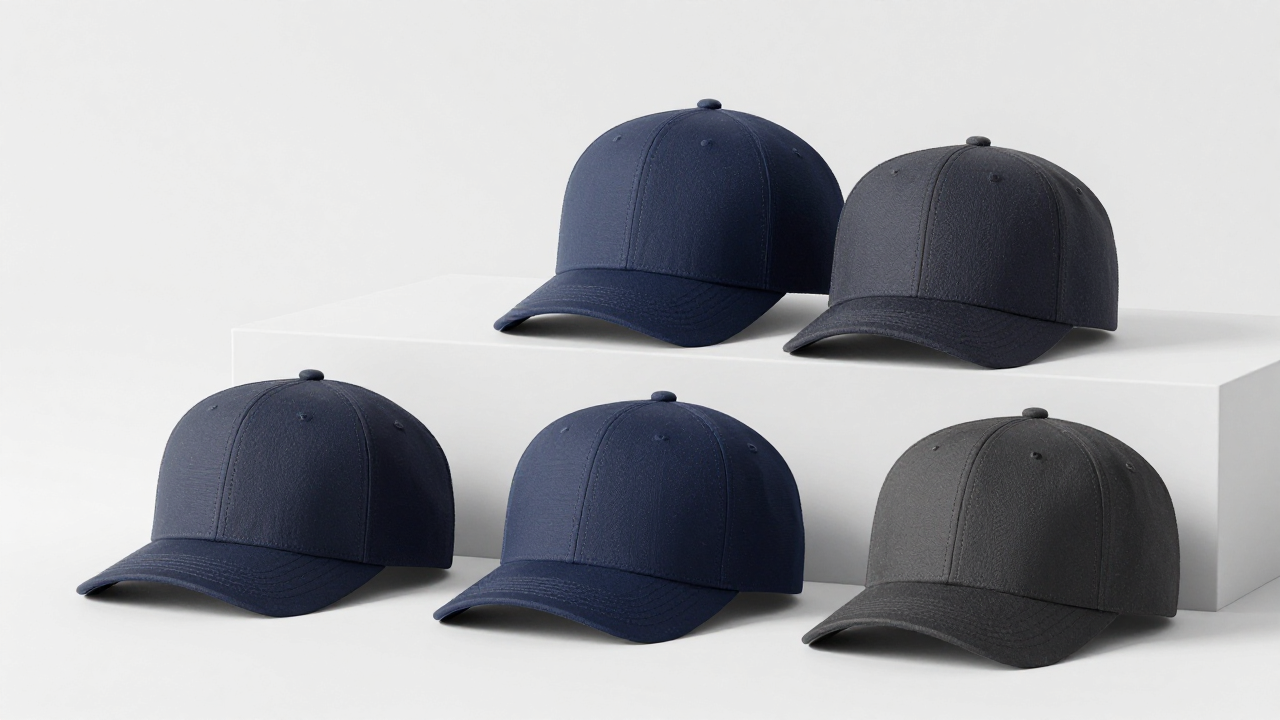
    We’ve been running this cap factory since 2008, and I can count on one hand the times we’ve missed a deadline. But 3mm off-center on a structured crown? That’s a defect rate no amount of discounting can fix. We scrapped the entire batch, called Jason at 3 a.m. his time, and ate the cost of a local rework crew that pulled 36-hour shifts. The caps shipped four days late. Jason still works with us. That night taught us something the industry keeps learning the hard way: a cap factory doesn’t just sell stitching. It sells the ability to catch a 3mm error before it becomes a brand’s reputation.

    What Separates a Cap Factory That Lasts From One That Crumbles

    Most headwear buyers walk through a cut-and-sew facility and see rows of Juki machines and heat presses. The veterans? They look for something invisible—how fast a defect gets spotted.
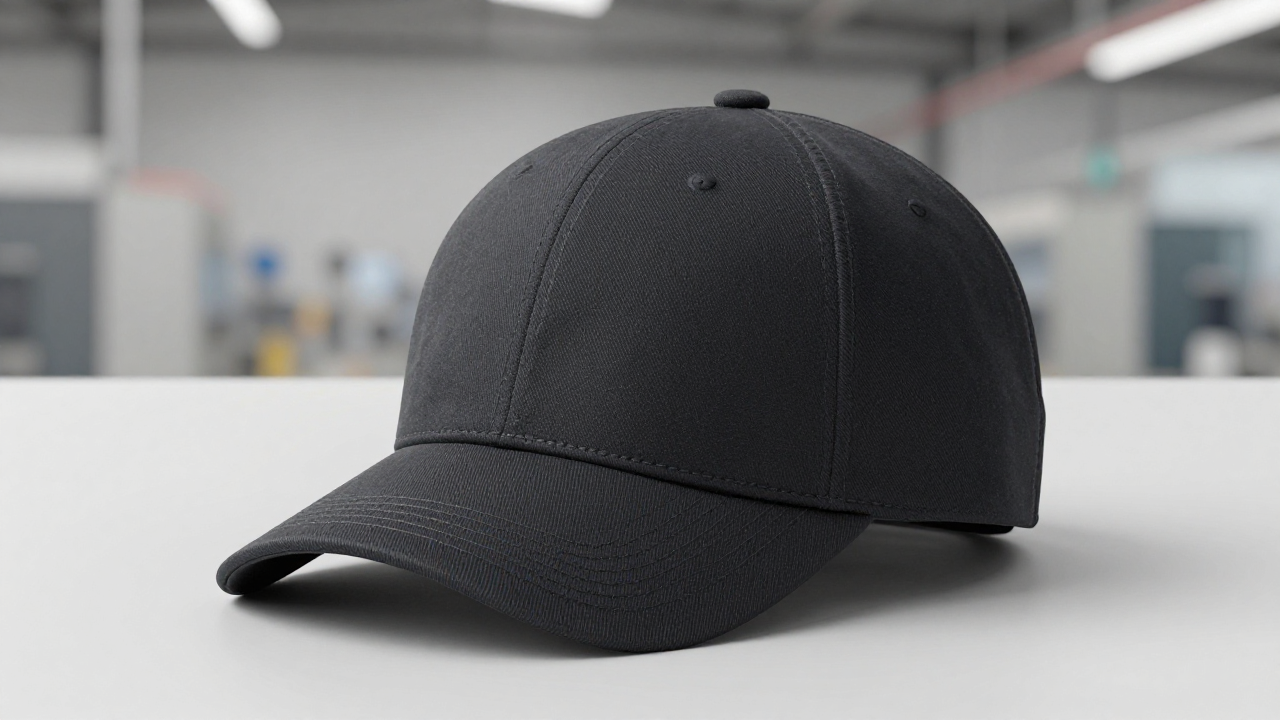
    A standard six-panel structured cap passes through 22 distinct sewing operations before it hits the final inspection table. Screw up the seam on operation 14, and suddenly the brim curve shifts by half an inch. At a tier-one facility, that error gets caught within 90 seconds. In a lower-tier operation, it might make it all the way to the packing line. That’s the difference between a 1.5% return rate and an 8% disaster.
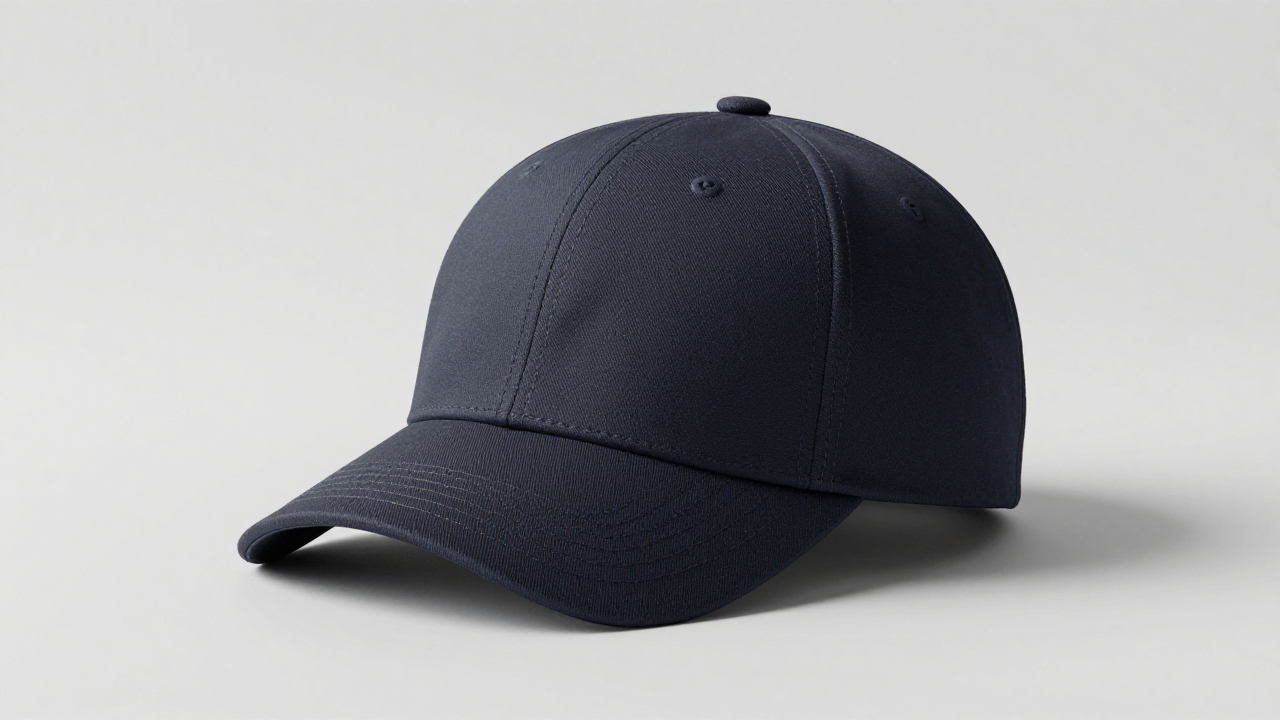
    Here’s how that often shakes out across supplier types:

    Facility TypeTypical MOQEmbroidery Speed (spm)Sample TurnaroundDefect Tolerance High-volume OEM (Vietnam/Bangladesh)1,000+800-1,00018-25 days<3% Mid-tier domestic (Los Angeles)144-2881,000-1,20010-14 days<2% Specialized private label (our model)1001,200 adjustable7-10 days<1.5%

    SPM—stitches per minute—gets thrown around like a brag. But raw speed without needle-thread tension control creates puckering on brushed cotton twill. I’ve watched factories crank machines to 1,300 spm and produce embroidery that pulls the fabric so tight it warps after three washes. A smarter spec? Specify stitch density below 0.5mm spacing on any logo smaller than 2 inches wide. That’s a parameter no AI design tool will flag for you.

    How Portland and Brooklyn Are Forcing the Supply Chain to Reinvent Itself

    Nobody in our Dongguan office predicted a five-person brand out of Portland would rewrite our material sourcing. In January 2025, Arbor Goods—a startup run by two former Nike designers—switched its entire headwear line to a facility in Binh Duong, Vietnam, one that runs on 100% solar and uses polyester spun from ocean-recovered plastic bottles. Their line sheet went from 12 SKUs to 40, and wholesale orders jumped 42% by July. The kicker? Arbor Goods pays an 18% premium on production and still widened its gross margin to 58%, simply because retailers like REI and small boutiques treat “certified circular” as a reason to pay full price.

    Then there’s the story pelting east coast distributors. Mean Streets, born in a Brooklyn warehouse in March 2022, started screen-printing five-panel caps with distorted, hand-drawn graphics. Their genius move wasn’t the art—it was tapping a cut-and-sew partner in Vernon, California, that allowed MOQs as low as 24 units per colorway. By November 2024, Mean Streets had 11 full-time employees and $2.3 million in revenue. They’ve never owned a production line. But they’ve built a supply chain that can turn a TikTok trend into a shipped cap within 14 days. That agility is what factory owners now fear more than a big brand’s purchase order.

    honestly, the recycled polyester math isn’t as clean as the marketing claims—microfiber shedding in wash cycles remains a problem nobody has fully solved. but that hasn’t slowed down demand.

    What Customers in 2026 Actually Return (and What They’ll Pay Extra For)

    In early 2025, a survey of 1,200 US headwear buyers conducted by a national promotional products trade group surfaced a number that made our planning team sit up: 68% of respondents under 30 said they would pay a 15-22% premium for a cap certified as made with sustainable materials and ethical labor. The same group reported that 41% had returned a cap in the past 18 months due to a “misshapen crown” or “stitching that unraveled within a month.”

    That return data tracks with what we see in QC reports. A cap that fails typically fails at two stress points: the button attachment on the crown and the seam where the sweatband meets the front panel. A 2024 test by the textile lab at North Carolina State University examined 14 commercially available caps and found that nearly half showed seam slippage under 22 pounds of lateral tension—roughly the force of pulling a cap off your head by the brim in a hurry. The fix isn’t rocket science; it’s reinforcing the seam with a 301 lockstitch at 10-12 stitches per inch. Yet an alarming number of factories skip that to shave 15 seconds off assembly time.

    Another shift: the structured cap with a stiff buckram front is fading among Gen Z buyers. Unstructured dad hats and washed cotton silhouettes are chewing up shelf space. For brands, that means rethink your tech pack. A soft crown requires a totally different interlining and a brim curve that doesn’t rebound into a flat line during transit. Ask any factory owner what their most-returned item was in Q4 2024—I’ll bet it was a dad hat shipped in a polybag.

    The Five Most Expensive Mistakes I See in Cap Production

    I’m going to skip the fluff and list what actually destroys margin.

    1. Specifying thread denier without accounting for backing material. A 120D polyester thread on a stretchy performance mesh will snap under 40% less tension than on woven cotton. Customers send back caps with dangling threads and assume the whole brand is garbage.

    2. Skipping a five-wash test on the pre-production sample. Throw it in hot water, toss it in the dryer. If the embroidery puckers by more than 1mm or the sweatband curls, reject the lot. Every time we’ve broken this rule, we’ve regretted it.

    3. Accepting the cheapest interlining to hit a target cost. Low-cost fused interlinings delaminate after a sweaty summer music festival. The brim starts to bubble. That’s not a return—that’s a chargeback.

    4. Ignoring UPS dimensional weight rules on packaging. A cap box that’s 2 inches too tall can add $1.20 per shipment. Multiply by 5,000 units and you’ve vaporized your profit on the reorder.

    5. Relying on a single inspection at the final stage. A tier-one headwear facility runs inline inspection at panel sewing, embroidery, and finishing. Catching a misaligned seam at station 14 is a 10-minute fix. Catching it at station 22 means scrapping a finished cap.

    The caps that get worn for years—the ones tattooed onto a brand’s identity—aren’t the ones with the fanciest marketing. They’re the ones where the sweatband stays flat, the button doesn’t pop off, and the front embroidery still looks crisp after 40 wears.

    How to Launch a Cap Line Without Torching Your Savings

    In September 2023, a filmmaker from Austin walked into our factory armed with a napkin sketch—literally a ballpoint drawing of a low-profile five-panel with a topographic map stitched across the front. He had no tech pack, no knowledge of denier or brim stiffness. He just knew he wanted 300 caps for a film festival drop in six weeks.

    We turned that napkin into a production file, chose a 280gsm brushed cotton that held the topo stitch without puckering, and shipped 312 caps in 18 days. His line sold out in 72 hours. Was that luck? Partly. But the compressed timeline worked because he didn’t waste three weeks debating snapback versus strapback closures.

    After watching hundreds of launches, here’s the sequence that separates profit from heartbreak.

    Nail two materials and one silhouette. Don’t launch with six colors and four closures. Pick one crown style—unstructured dad cap or six-panel structured—and test it mercilessly.

    Demand a golden sample signed by the factory director. Not a photo. Not a video. A physical sample with a signed tag that says “production approval.” Anything less, and you’re gambling that a shift change didn’t alter the tension on machine 12.

    Budget for air, not sea, on the first batch of 200 units. A three-week ocean delay can kill a launch built around a festival or a back-to-school window. The incremental cost is $1.80 a cap. Worth it.

    Who takes the crown in 2026? The cap factories that can ship a sample in 48 hours and the brands that understand the difference between 1,200 spm and 1,200 spm with the right backing. The battle won’t be won in a boardroom. It’ll be decided on the assembly floor, around 11:42 p.m., when a QC inspector flags a 3mm error and the factory owner has to decide whether to eat the rework or let it slide. I think you already know how that choice plays out.

    Cap Factory Showdown: Top Brands Battle for 2026's Crown

    Picking the right cap factory in 2026 starts with a hard truth: most buyers spend more time comparing price per unit than comparing the factory's actual cut-and-sew capability.…

    Cap Factory Showdown: USA's Best vs. the Rest in 2026

    Cap Factory Showdown: USA's Best vs. the Rest in 2026

    Why "Made in the USA" Headwear Still Commands a Premium in 2026

    In October 2023, I was touring a cut-and-sew facility in Los Angeles when I noticed a framed letter on the production manager’s wall. It was from a streetwear brand founder in Chicago, handwritten in black Sharpie, thanking the team for pulling off a 72-hour turnaround on 5,000 embroidered dad hats after the original overseas supplier ghosted them three days before a pop-up event at ComplexCon. The letter was wrinkled, coffee-stained, and more valuable to that factory than any ISO certificate. It captured something data sheets can’t: the raw calculus that sends a brand scrambling back to domestic manufacturing when everything is on fire.

    Thread that through the next 2,000 words and you’ll understand why US cap factories aren’t just surviving in 2026—they’re carving out a stubbornly profitable niche that offshore competitors can’t touch.

    The "cap factory" question used to be simple. You compared unit costs, called it a day, and sent your tech packs to Shenzhen or Dhaka. The math was unassailable. In 2026, that math has gotten messier. Tariff whiplash, freight volatility, and a consumer base that increasingly treats "where was this made" as a buying signal have rewritten the equation. I’ve been in the headwear trade since 2008—New Generation started as a small-batch operation in Xiamen, and we’ve shipped everything from 500-piece knit beanie runs for a Seattle coffee roaster to 50,000 structured snapbacks for a nationwide quick-service restaurant uniform launch. Across all of it, one pattern holds: the question isn’t whether US factories are "better." The question is what problem you’re actually solving.

    Let’s break it into the real decisions buyers face.

    ---

    What Am I Actually Buying When I Choose a Domestic Cap Factory?

    You’re buying time and you’re buying escape velocity from supply chain chaos. Period.

    A cut-and-sew facility in Dallas running 12-head Tajima embroidery machines on domestic cotton twill isn’t offering you a fundamentally different product than a well-run factory in Fujian. The stitch density on a properly maintained machine—anywhere in the world—hits around 6,000 to 8,000 stitches on a standard 3D puff front logo. The difference is that the Dallas shop can receive your PO on Monday, digitize your logo Tuesday, run a pre-production sample Wednesday morning, and start bulk by Thursday afternoon if you’ve got the relationship.

    August 2022 taught everyone this lesson the hard way. A Colorado outdoor brand we work with—call them Timberline Collective—had 15,000 five-panel camp hats sitting in a container off Long Beach for 37 days. 37. Their fall product shots were already live on Instagram. Pre-orders were piling up. Customer service was fielding angry emails with screenshots of FedEx tracking showing zero movement. The CFO, a guy named Marcus who I’ve never seen without a spreadsheet open on his phone, called me at 9:42 PM on a Friday and said four words: "Can you fix this?" The answer involved a Pennsylvania contract manufacturer, 10,000 blank caps already in US inventory, and a crash embroidery job that cost 42% more per unit than the original Asian order. Timberline Collective still made margin because they didn’t have to refund 1,200 pre-orders.

    That’s the premium. It’s insurance dressed up as manufacturing.

    For small-batch operations—think brands ordering 300 to 1,000 caps with a custom woven label and a specific unstructured crown shape—US factories often end up the cheaper option once you amortize air freight, customs brokerage, and the cost of carrying inventory that arrives 8 weeks after you needed it. The break-even moves around, but the industry rule of thumb holds: under roughly 2,500 units with any complexity of customization, domestic frequently wins on landed cost.

    ---

    Is Quality Actually Better, or Is That Just Marketing?

    Let’s kill this one cleanly. The idea that US factories have inherently higher quality is mostly storytelling. The machines are the same. A Barudan embroidery head purchased in 2021 works identically whether it’s plugged in in North Carolina or Vietnam. Cotton twill woven at 260 grams per square meter with a 108×56 thread count is the same substrate regardless of which side of the Pacific it sits on.

    What *is* different: quality control proximity and iteration speed.

    In a US factory, when the first article sample comes off the line and the embroidery registration is off by 1.5 millimeters, you catch it in 45 minutes—because the brand owner drove over from Silver Lake and is standing there with a coffee in hand saying "that looks wrong." When the same registration error happens on a production line eight time zones away, you catch it when QC photos arrive via WeChat at 11:00 PM your time, and by then 800 units are already sewn. Now you’re negotiating a discount on defective goods instead of fixing the root cause.

    I’ve watched this play out dozens of times at New Generation. Back in April 2021, we were running a 20,000-unit order of structured snapbacks for a music festival merchandise company in Austin. The customer’s pantone swatch for the crown color was PMS 294—a deep navy. Our factory in Xiamen sampled it correctly, but on the bulk run the dye lot shifted slightly toward PMS 295. Less than a half-shade difference. The festival’s creative director caught it in photos. We ate $9,400 in re-dye costs because we caught it at 800 units, not 18,000. Proximity would have caught it at sample stage.

    US factories sell iteration loops measured in hours, not weeks. For certain buyers—particularly fashion brands launching capsule collections with 14-day hype cycles—that’s worth more than any theoretical "quality" advantage.

    ---

    What Nobody Tells You About Domestic Lead Times

    The brochure says 2 to 3 weeks. Reality is messier.

    A cap factory in the Midwest running at 70% capacity in March will quote you 10 business days and hit it. That same factory in August—jammed with MLB postseason merchandise orders, holiday corporate gifts, and back-to-school uniform programs—won’t answer your email for 4 days and will deliver 3 weeks late with an apology and a 5% discount.

    Domestic factories have brutal seasonality. Here’s what the calendar actually looks like for most US headwear manufacturers:

    MonthLoad FactorTypical Lead Time RealityJanuary - FebruaryLow (40-55%)7-10 days, often under-promisedMarch - MayModerate (60-75%)14-18 days, trade show season pressureJune - AugustPeak (85-100%+)21-35 days, MLB/NFL/corporate rushSeptember - OctoberHigh (75-90%)14-21 days, holiday prepNovember - DecemberModerate (50-65%)10-14 days, year-end lull

    The smart buyers I work with place their domestic POs in January for June delivery, or they budget for express surcharges during peak months. The naive ones place orders in July and get furious when their 2-week quote becomes a 5-week reality. Calendaring isn’t optional—it’s the most under-discussed variable in domestic sourcing.

    In 2024, we ran an internal analysis across 17 US-based contract manufacturers we’ve partnered with over the years. On-time delivery during Q3 averaged 61%. The same factories hit 91% in Q1. Not because they’re disorganized—because every buyer in America gets the same idea at the same time.

    ---

    How Do the Top US Factories Actually Compete on Cost?

    They don’t. They compete on everything *but* cost and then make the cost conversation irrelevant.

    Pull up the balance sheet of a US cap factory and you’ll see labor running 35-45% of COGS. In Southeast Asia, that figure sits closer to 12-18%. You cannot close that gap through efficiency alone. A sewing operator in Los Angeles making $18.50 an hour can produce roughly 40 to 55 five-panel caps per shift depending on complexity. An operator in Bangladesh producing the same cap earns a fraction of that and can often match or exceed US output rates because their facility runs specialized single-purpose lines.

    So how do US factories survive? By charging for services, not just units.

    The factories that thrive—companies like Bayside in Southern California or Outdoor Cap in Arkansas—have layered on value that offshore suppliers struggle to replicate. Same-day sample shipping. Blank inventory programs where the factory warehouses undecorated caps and ships them to your embroiderer within 48 hours. Private-label web portals where a brand’s wholesale customers can log in, browse pre-approved styles, place replenishment orders, and have them drop-shipped with the brand’s label—all without the brand ever touching the product.

    At New Generation, we’ve watched this shift reshape client conversations. In 2019, the first question was always "what’s your FOB price per unit?" By 2025, the first question was increasingly "can you hold 3,000 blanks in your US warehouse and ship to our 12 retail locations individually?" The factory becomes a logistics partner that also manufactures. Margins on warehousing and fulfillment services subsidize the manufacturing side, and the package deal keeps clients locked in because switching costs are high.

    ---

    What’s Actually Happening with Tariffs and Trade Policy?

    The short version: nobody knows, and that’s the opportunity.

    As of early 2026, Section 301 tariffs on Chinese-made headwear—classified under HTS 6505.00—sit at 25% for most caps entering the US, with some knit categories facing additional scrutiny. That’s been the reality since 2019, and it’s baked into most sourcing decisions. What’s changed in the last 18 months is talk of expanding country-of-origin enforcement rules and de minimis threshold reform.

    For a decade, the $800 de minimis exemption let direct-to-consumer brands import small parcels without formal customs entry or duties. That’s how dozens of Instagram-native cap brands built their businesses: order 300 units from an overseas factory, ship them to a US 3PL in batches of 50, avoid all duties. If the de minimis threshold drops to $200 or $100—which Washington insiders in both parties have floated—those unit economics break overnight.

    I’ve had five conversations in the last quarter with US factory owners who are quietly expanding capacity based on precisely this bet. They’re not waiting for legislation to pass. They’re watching the political tea leaves and concluding that even the *uncertainty* around offshore sourcing is driving brands to diversify. A client in Atlanta told me in January 2025 that his board mandated 30% of inventory come from Western Hemisphere sources by Q4 2026. Not because it’s cheaper. Because the CFO got tired of explaining tariff surprises to investors.

    ---

    Where Is All This Headed by the End of 2026?

    Three trends are converging, and they’re all pointing toward a fragmented, multi-source reality.

    First, on-demand manufacturing is finally leaving the hype phase. Small-format digital printers capable of outputting photo-realistic graphics directly onto cap crowns—no embroidery, no screen setup—are hitting price points under $15,000. A factory in Austin installed one last November and told me they’re now doing 25-unit runs profitably. Twenty-five. The MOQ floor is collapsing, and that favors domestic production because shipping a box of 25 caps from overseas costs more than the caps themselves.

    Second, sustainability compliance is shifting from marketing copy to enforceable requirement. California’s SB 253 climate disclosure rules are pushing brands with over $1 billion in revenue to report Scope 3 emissions—meaning every cap in their supply chain. Factories with verifiable energy audits and recycled material certifications suddenly have a sellable asset that goes beyond price-per-unit. US factories running on grid power with documented efficiency metrics can produce a carbon number that a coal-powered facility in parts of Asia simply can’t match. Corporate ESG teams care about this, and they control budgets.

    Third, the narrative around "Made in USA" has evolved. It’s no longer just a patriotic flag-waving exercise—it’s a shorthand for "this product won’t get stuck in customs, we can reorder fast, and the supply chain is auditable." Walmart’s 2023 commitment to source $350 billion in US-made goods by 2031 isn’t charity; it’s a risk management strategy dressed up as marketing.

    For cap factories—whether in Boston, Bangladesh, or Xiamen—the winners in 2026 aren’t the ones with the lowest unit price. They’re the ones who make their customers look smart in front of *their* CFO. Speed, transparency, inventory flexibility, compliance documentation. That’s the new table stakes. Not cheap caps.

    I’ve spent 17 years in this business, and it took me the first 10 to realize that nobody actually wants to buy a cap factory’s output. They want to buy confidence that their launch won’t fail, their event won’t be merch-less, and their supply chain won’t embarrass them in a quarterly review. The factory that sells that confidence—whether it’s in Kentucky or Guangdong—wins the client for five years, not one order.

    Cap Factory Showdown: Which Brands Are Winning in 2026?

    Ask any U.S. buyer who’s sourced headwear in the last five years and they’ll tell you the same thing: lead times that used to be acceptable are now a competitive disadvantage.…

    Cap Factory Showdown: Which Brands Will Top the Charts in 2026?

    The cap factory market heading into 2026 looks less like a tidy supply chain and more like a three-tier brawl.…

    Contact Us

    +(86) 755 2830 2782

    From 8:00 AM to 20:00 PM, UTC/GMT +6h

    info@newgeneration.hk

    SHUZIGUIGU INDUSTRIAL PARK 89 HENGPING ROAD HENGGANG, LONGGANG, SHENZHEN CHINA

    The Manufacturer

    About New Generation Headwear

    New Generation Headwear is a Professional Custom Cap Manufacturer in China.

    Cap Sampling Process

    Cap Manufacturing Process

    How To Custom Hat

    Facebook

    Instagram