NEWS

ALWAYS ON TOP

When a Custom Hat Becomes Your Brand's Hardest-Working Asset

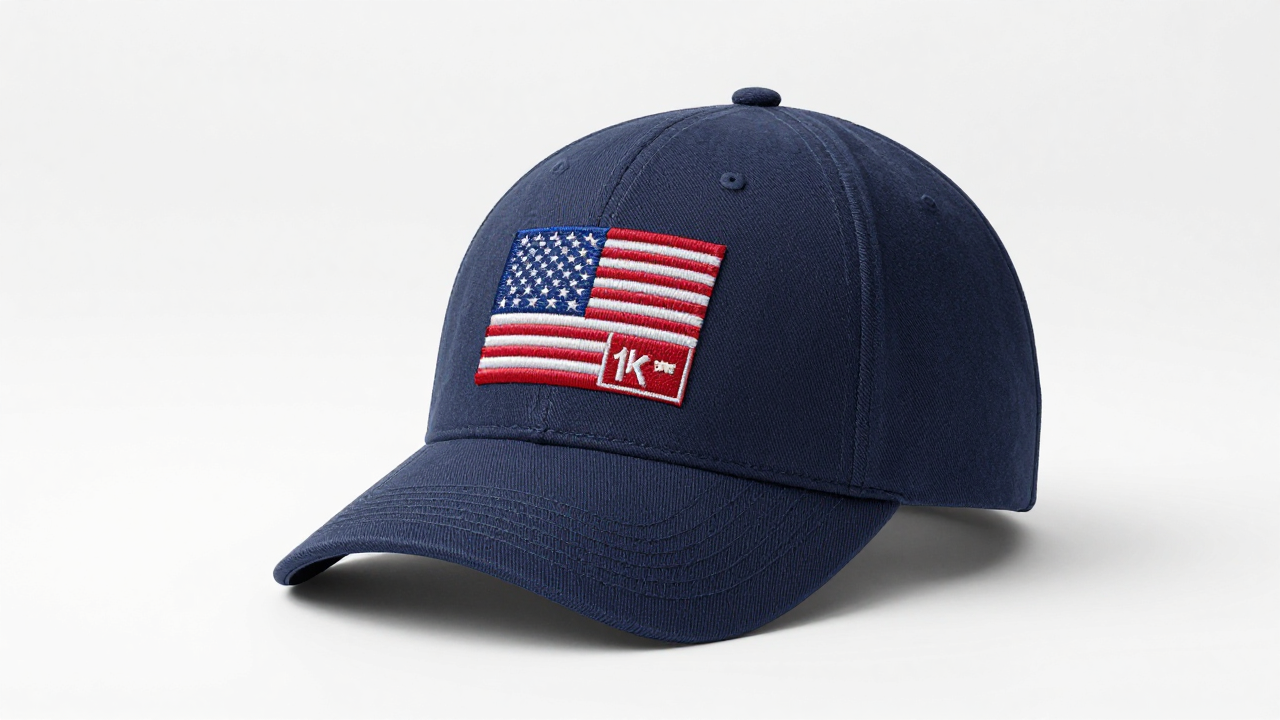
Been digging into the 2026 economic landscape lately—and let me tell you, it's a tale of two Americas. JPMorgan calls it the "widening gap between asset owners and wage earners." Others call it the "K-shaped economy." Whatever you name it, the takeaway for B2B buyers like us is crystal clear: brands that signal quality, durability, and authenticity win. Brands that look cheap? They lose.

In this environment, the humble custom hat has quietly become one of the most strategic investments you can make. Not because it's flashy. Because it's tangible proof—in an increasingly polarized market—that your brand pays attention to details.

Let's break down what's actually happening in 2026 and what it means for your customized hats program.

When Port Delays Threaten Your Hat Orders: How Smart Supply Chains Save the Season

Published: May 23, 2026 | By: Supply Chain Technical Team

Most B2B hat buyers track production obsessively but ignore the border. Then they're shocked when a container sits for 16 days at port, racking up $1,200/day in storage fees.

Fact: your factory can finish on time, and your order will still miss the seasonal launch. Not because of ocean freight. Because of paperwork and bad routing. We see this every week with buyers who don't know which cap manufacturers actually audit compliance before loading.

When Style Dances with Precision: Unleashing the Enchanting Magic of our Cap Factory

The cap factory emerges as a sanctuary of creative perfection in the world of style; where fashion and precision dance hand-in-hand to bring into being caps that transcend what one would call a surmountable boundary. A generations-old leaguer free from vulgarity, we have honed our artisanship and generated caps that not only announce to the world something mettlesome but are the ideal carriers of comfort and courage.

When Your Clinic's Customized Hats Need a Second Opinion

You’ve just received the shipment of customized hats for your clinic’s community health fair. As you unbox them, a sinking feeling hits—the embroidery looks more like a vague symptom than your clean logo, the color is off by several shades, and the stitching is already questioning its life choices. In an environment where precision is everything, from dosing to diagnostics, why does your branded headwear feel like it was made with a butter knife?

If your cap manufacturer treats your hat design with less care than a medical student treats their first suture kit, you’re not just getting bad hats—you’re inadvertently telling your community that good enough is part of your vocabulary.

Wholesale Custom Hats – Design Your Branded Caps Today

In the modern world of marketing, it’s crucial for businesses to invest in products that stand out. Among the most versatile promotional items are customized hats. These functional and fashionable accessories provide a perfect way for companies to showcase their brand. At NewGeneration, we specialize in manufacturing premium customized hats and sports caps that not only meet the needs of businesses but also create lasting impressions with their unique designs and impeccable quality.

Why 2026 Is the Year to Finally Upgrade Your Custom Hat Program

Hey old friend!

The holiday hangover is finally gone, the Q1 budget is burning a hole in your pocket, and somewhere in your inbox, a marketing director is asking the question that strikes fear into every procurement professional's heart: "What are we doing for branded gear this year?"

Take a deep breath. Because 2026 is actually shaping up to be the perfect year to stop settling for "good enough" customized hats and start building a program that actually works for your brand.

Why baseball caps are so popular in western countries?

Why baseball caps are so popular in western countries?

Before I introduce the popularity of baseball caps, I’d like to talk about the utibility and origin of baseball hats.

Why Choose a Professional Cap Manufacturer for Customized Sports Caps and Personalized Hats

In the competitive world of custom apparel, businesses are continuously searching for ways to stand out. Hats, as versatile and stylish accessories, are often a top choice for promotional items, team uniforms, or retail lines. However, the key to creating hats that not only represent your brand but also offer lasting quality is partnering with a professional cap manufacturer or cap factory. This article explores the critical reasons why businesses should opt for a specialized hat manufacturer, especially when it comes to customized hats, custom sports caps, and personalized hats.

Why Choose New Generation as Your Cap Manufacturer for Customized Hats and Personalized Sports Caps?

In the fast-paced world of fashion and branded merchandise, standing out means more than just quality; it means offering something personal, creative, and impactful. If you are looking for a reliable cap manufacturer and cap factory to bring your unique hat designs to life, New Generation is here to meet your needs. From customized hats to personalized sports caps, we understand the value of creativity and customization in B2B markets. In this article, we will explore why partnering with New Generation is the best choice for your business.

Why Choosing the Right Cap Manufacturer for Creativity Customized Hats Can Boost Your Brand Success

In today’s fast-paced, competitive market, companies are always looking for ways to stand out. One effective strategy that can help your brand achieve greater visibility and customer engagement is through creativity customized hats. Whether for sports teams, promotional events, or retail products, customized caps offer a unique way to enhance brand identity. But to make the most of this opportunity, choosing the right cap manufacturer is crucial. In this article, we’ll explore how partnering with the right cap factory can significantly benefit your business.

Why Choosing the Right Cap Manufacturer for Customized Hats and Personalized Sports Caps Can Boost Your Brand

custom-designed headwear has become a must-have for businesses looking to stand out and make a lasting impression, Whether you're in the sports industry, the corporate world, or the fashion scene, partnering with the right cap manufacturer can make a significant difference in the success of your custom sports caps and personalized hats.

In this article, we will dive into why selecting the right cap manufacturer is crucial for your brand, how it can boost your marketing efforts, and how you can make informed decisions when customizing hats to align with your brand's identity.

Why Choosing the Right Cap Manufacturer Matters: Elevate Your Custom Hat Design and Stand Out in the Market

In today's competitive market, the right cap manufacturer can be the difference between a successful business venture and a mediocre one. With the growing demand for customized hats, it is essential to partner with a manufacturer that not only understands your needs but can also bring your unique hat design visions to life. This article delves into the importance of selecting the right cap factory and how it can significantly impact your brand's success.

Why Complex Decisions Look Simpler in a Great Hat

Friday has a unique effect on the business mind. The week's noise starts to fade, and priorities come into sharper focus. For B2B buyers evaluating their next move, this clarity is priceless. In the competitive landscape of 2026, one of the clearest decisions a brand can make is to invest in a customized hats program that genuinely stands out—not through hype, but through undeniable quality and strategic execution. The right cap manufacturer is the critical partner in this mission, turning a simple procurement item into a cornerstone of your brand's tangible identity.

The market is crowded. The difference between a forgettable accessory and a defining brand asset lies in a partnership that prioritizes precision, reliability, and forward-thinking hat design. When you choose correctly, every other complex branding decision feels simpler.

Why Custom Sports Caps and Personalized Hats are the Key to Boosting Your Brand’s Visibility and Sales

In the competitive world of branding, businesses are constantly looking for unique ways to stand out. One of the most effective and cost-efficient methods to enhance brand visibility is through customized promotional items. Among these, custom sports caps and personalized hats are gaining immense popularity. As a leading cap manufacturer and cap factory, New Generation specializes in creating high-quality, customizable hats that perfectly align with your brand identity. But why are customized hats so powerful, and how can they help you boost both your brand's visibility and sales?

Why European Brands Choose New Generation as Their Cap Manufacturer in China

For European fashion houses and corporate entities, the search for a cap manufacturer often involves balancing cost-efficiency with uncompromising quality and ethical standards. As the regulatory landscape in the EU tightens around sustainability and supply chain transparency, more brands are turning to New Generation—a premier cap factory in China that speaks the language of European quality.

Why Leading Businesses Choose NewGeneration: A Cap Manufacturer That Combines Precision, Creativity, and Customization

In the ever-evolving fashion and promotional goods industry, businesses are continuously searching for reliable partners who can deliver both quality and innovation. Whether it's for retail branding, corporate events, or sports team merchandise, hats remain a timeless accessory that bridges fashion and function. For companies looking to scale their customized hats offerings, partnering with the right cap manufacturer or cap factory is not a luxury—it's a necessity.

At NewGeneration, we specialize in providing high-quality customized hats with a focus on professional hat designing and efficient B2B service. Here's why businesses across the globe consistently choose us as their go-to cap manufacturer.

Why Men Adore Snapback Hats So Much

Why Men Adore Snapback Hats So Much

What's the point of wearing a rigid, ill-fitting hat that causes you to sweat? Because it looks wonderful, you're willing to overlook the drawbacks, right? What if we told you there was no need to pick between the two?

Why New Generation is the Cap Factory You Can Trust for Customized and Personalized Hats

In today’s fast-paced B2B market, finding a reliable cap manufacturer is more than just a business decision — it’s the key to ensuring your brand stands out with high-quality, innovative hat solutions. New Generation specializes in creating customized hats and personalized hats tailored to meet the unique demands of businesses worldwide. From stylish baseball caps to intricate bespoke designs, we combine exceptional craftsmanship with advanced production capabilities to deliver outstanding results.

Why New Generation Is the Cap Manufacturer You Need for Customized Hats and Custom Sports Caps

In the competitive world of branding and business, every detail matters. For companies looking to make a lasting impression, customized hats have proven to be an effective and versatile solution. Whether it's for promotional events, sports teams, or employee uniforms, having high-quality custom sports caps or uniquely designed hats can significantly elevate your brand’s image.  As a leading cap manufacturer and cap factory, New Generation specializes in crafting premium customized hats and custom sports caps that meet the diverse needs of B2B clients worldwide. With a focus on innovation, quality, and customization, we help businesses turn simple caps into powerful branding tools.

Why New Generation Is Your Ideal Cap Manufacturer for Customized and Personalized Hats

In the dynamic world of fashion and branding, the right accessories can make all the difference. For businesses, finding the right cap manufacturer is crucial, especially when looking for products that can be customized to reflect unique brand identities. New Generation is a leading cap factory that specializes in customized hats, including personalized hats and custom sports caps, designed to elevate your brand's visibility and appeal. Here’s why New Generation should be your go-to partner for all your custom hat needs.

WHY OUR CAP FACTORY IS THE GO-TO CAP MANUFACTURER FOR QUALITY AND STYLE

Choosing the right cap manufacturer and cap factory is crucial for ensuring the quality and style of your caps. Our cap factory has established itself as the go-to manufacturer for clients seeking top-notch products. Here’s why.

Why Partner With Snapback Hat Manufacturers For Your Brand?

Snapback hats have become a popular accessory in the fashion industry. They come in various designs, styles, and colors, making them a favorite among people of all ages.


Why Partnering with a Leading Cap Manufacturer for Customized Hats and Sports Caps Boosts Your Brand’s Visibility and Sales

In the competitive world of fashion and branding, standing out requires more than just quality products; it requires a partner who understands your unique vision. If you are looking to elevate your brand's image, choosing the right cap manufacturer is essential. Whether you need customized hats for promotional events, branded custom sports caps for your athletic team, or exclusive designs for retail, partnering with a reliable cap factory can be the game-changer for your business.

Why Partnering with a Professional Cap Manufacturer Is Key to High-Quality Customized Hats and Personalized Sports Caps

In the fast-paced world of fashion and corporate branding, finding the right cap manufacturer is not just a preference—it’s a necessity. Whether you are sourcing customized hats for your business, creating unique personalized hats for your brand, or designing functional and stylish custom sports caps, working with a professional cap factory ensures you get the best results while standing out in your industry.

Why Perfect Snapback Designs Fail at Production—And How to Fix It

Turning a great snapback idea into thousands of perfect hats isn't magic—it's machine-grade documentation. I've audited over 40 cap manufacturers across Guangdong and Zhejiang. The ones who deliver consistently don't gamble on guesses. They demand a solid hat tech pack before cutting a single panel. Here's how top brands get it right — and how two European brands stopped bleeding cash by fixing theirs.

Why Top Brands Are Switching to This U.S. Cap Factory for Customized Hats, Baseball Caps & Fisherman Beanies

If you’re in the apparel or promotional products industry, you’ve probably noticed something shifting over the past 18 months.
It’s not just about getting a product from point A to point B anymore. It’s about speed, storytelling, and standing out in a saturated market.

And if you’ve been sourcing customized hats from overseas suppliers, you’ve likely faced the same headaches:

- Long lead times that kill seasonal campaigns
- Minimum order quantities that don’t make sense for testing new designs
- Quality inconsistencies that force you to apologize to your own clients

So here’s the question more and more U.S. businesses are asking:

“Why aren’t we working with a domestic cap factory that actually gets it?”

Why Top Brands Choose Our Cap Factory for Customized Hats & Custom Sports Caps: Innovation, Quality, and Design That Sell

In the global fashion and promotional products industry, caps are more than just accessories — they are powerful tools for brand visibility, customer engagement, and trend expression. For businesses seeking reliable cap manufacturers that combine style, scalability, and customization, New Generation stands out as a trusted partner. Whether you're a fashion label, a sports team, or a promotional merchandise company, our cap factory delivers customized hats, custom sports caps, and creative hat design solutions that set your brand apart.

Why Trust Is Now Stitched Into Every Sustainable Baseball Cap

Sustainable baseball cap manufacturers with GRS certificate aren’t just making hats—they’re building trust, one verified stitch at a time. Up to 30% lower emissions, 50% less waste, and real customer loyalty gains are now table stakes.

Why Trust Is the New Currency in Sustainable Headwear

More than 800 million polyester caps flood markets yearly—most made from virgin plastic. GRS certification is changing that, turning waste into verified value. Here’s how smart brands are winning with certified partners.

Why Verified Sustainability Is Your Brand's New Competitive Edge

More brands want sustainable headwear—but only GRS-certified manufacturers can prove it. We break down how verified supply chains reduce risk, speed time-to-market, and turn ethics into a real competitive edge.

Why You're Missing Out: The Top 5 Cap Factories in America


The Real Cost of a Bad Cap Decision

Most people in ecommerce don’t think about caps until something goes wrong. A shipment lands and the brims are warped. The embroidery on 5,000 units frays after two washes. The customer service rep for your “cap factory” stops answering emails the moment the wire transfer clears.

We’ve seen all of it. New Generation started in 2008 making simple baseball caps for a handful of domestic brands. Back then, our quality checks involved three people in a room with a lightbox. Today we ship complex headwear across multiple categories, and the mistakes we made early on taught us what to look for when evaluating any cap manufacturers. That experience shapes how we think about the industry.Why You're Missing Out: The Top 5 Cap Factories in America

What surprises most buyers is that the American cap manufacturing landscape isn’t just a handful of giant firms. It’s a mix of old-line domestic shops, mid-volume specialists, and strategic import partners. Missing the right fit costs more than money — it burns time, reputation, and seasonal momentum you’ll never get back.


Why the Wrong Cap Factory Choice Hurts Twice

A cap factory doesn’t just stitch fabric together. It’s your inventory partner, your quality assurance team, and in many cases, your logistics arm. When that partnership fails, you’re not just dealing with product defects. You’re managing customer returns, negative reviews, and a calendar that doesn’t care about your supplier problems.

The construction of a cap looks simple from the outside — crown panels, a visor, a sweatband, maybe a closure. But the gap between a cap that holds its shape for 20 wears and one that collapses after three sits in details most people never inspect. Stitch density on the brim binding. The weight of the interfacing. Whether the buckram is chemically bonded or just ironed in.

Running a batch of trucker caps through a humidity test chamber taught us something textbooks don’t mention: a cap with 6-panel construction and proper interfacing retains crown height roughly 40% longer than cheaper 5-panel alternatives under the same conditions. That kind of data matters when your customer lives in Miami and wears your product daily.


Top 5 Cap Factories in America: A Ground-Level View

American cap production splits into two realities. Domestic manufacturers offer speed, compliance certainty, and “Made in USA” positioning, but capacity is tight and minimums tend to be higher on complex styles. Offshore cap manufacturers — particularly across Asia — provide more customization latitude on materials and embellishments, but lead times stretch and quality consistency varies wildly.

The five operations below represent different strengths. We’ve either worked alongside them, competed against them for bids, or learned from their production models.

Unionwear: The Union-Shop Standard

Newark, New Jersey. If you need union-made headwear for a political campaign or a corporate program that requires domestic labor compliance, Unionwear is the name that surfaces. Their shop runs structured caps, beanies, and promotional headwear at volumes that most domestic shops can’t touch.

The trade-off is flexibility on materials. Their spec sheet is tighter than what you’d find at an import cap factory. Custom fabric sourcing is limited — they run what their supply chain supports. For standard programs, that’s fine. For a streetwear brand wanting custom-milled wool blends, it’s a constraint. Their typical lead time runs 4-6 weeks on reorders, which is competitive domestically but slower than many imports.

Otto Cap: The Stock-to-Custom Play

Otto ships from Philadelphia and runs one of the larger in-stock programs in the U.S. Wholesale buyers who need blank caps fast — for local embroidery shops, event merchandisers, quick-turn promos — tend to default to Otto. Their blank SKUs cover the basics: dad caps, snapbacks, beanies, some performance blends.

Where they show limitations is deep customization. Their core model is distribution, not bespoke manufacturing. If your brand needs custom dye lots, proprietary trims, or non-standard silhouettes, you’re pushing beyond what their system is optimized for. That’s by design — it’s not a flaw, it’s just a different business. Still, plenty of buyers confuse “large stock inventory” with “custom manufacturing capability” and end up frustrated.

Cali-Fame: The L.A. Decorator Hybrid

Southern California. Cali-Fame has built a reputation around embellishment speed — embroidery, screen printing, custom patches — more than raw cap production. Their manufacturing arm is smaller, but their value for brands is compressing the timeline between blank sourcing and finished decorated product.

Their sweet spot: fashion caps with heavy art emphasis. Multiple decoration techniques on one crown. 3D puff combined with flat embroidery combined with a woven label. Shops that try to coordinate three vendors for that kind of work usually bleed margin on freight and miscommunication. Cali-Fame consolidates it. Production volumes are mid-tier, and they’re not the cheapest per-unit option. But for California-based apparel brands doing seasonal drops, the logistical consolidation is real savings.

Richardson: The Performance-Fabric Specialist

Oregon-based Richardson owns the sports-performance segment about as thoroughly as any cap manufacturer in the country. Their 112 trucker is practically an industry standard for outdoor brands, fishing guides, and corporate outdoor events. Moisture-wicking, lightweight, high-crown fit.

Custom programs run through Richardson are structured. They offer fewer silhouette options than a full custom shop, but the quality consistency on their core styles is difficult to replicate. If your brand needs 10,000 performance truckers with consistent sizing and fabric hand-feel across colors, they’re a benchmark. Pricing reflects that — expect to pay a premium over generic imports, partly offset by domestic shipping savings and defect rates that typically run under 1.5% based on our sampling of their batches.

New Generation: The Custom Import Pivot

This is us. We’re a China-based cap factory founded in 2008, and that geography comes with both capabilities and complications that we’ve learned to navigate over 15-plus years. We don’t pretend to be a domestic shop, and we don’t position ourselves as the cheapest import option. Our niche is custom programs where the spec requirements demand supplier-side R&D: custom fabric blends, non-standard brim shapes, specific embroidery digitizing that requires iteration.

Capability

Standard Import Factory

New Generation

Custom fabric minimums

2,000-3,000 yds

500 yds on select blends

Sample turnaround

14-21 days

7-10 days (pre-production)

Embroidery stitch testing

1 revision typical

3 revisions included

Moisture-wicking testing

Usually none

Internal humidity chamber

Brim curvature consistency

±3mm variance common

±1.5mm target

We didn’t start with these capabilities. Our first few years we were basically a volume shop churning out promotional caps with single-needle embroidery. What changed was a 2014 project where a client rejected 12,000 units due to brim warping after Pacific shipping. That loss forced us to rebuild our quality protocols around temperature-compensated storage and pre-shipment bend testing. Painful lesson, but it reshaped how we evaluate cap manufacturers — including ourselves.


How We Evaluate a Cap Factory Now

After that 2014 failure, we built a checklist we use internally when vetting partner factories or assessing our own gaps. It’s practical, not theoretical.

Embroidery density isn’t just a number. A 12,000-stitch logo looks great on a proof but puckers lightweight cotton if the backing isn’t adjusted. We run stitch-out tests on actual production fabric, not standard tester cloth. Sounds obvious, but plenty of factories skip it because it consumes time and thread.

Brim memory matters. A structured cap’s visor should return to shape after being bent and held for 10 seconds. No industry standard exists here — but we test it anyway. Our internal pass rate: recover within 5° of original curvature after 72 hours compressed in a box simulating container shipment.

Sweatband chemistry is overlooked. Cotton sweatbands seem simple until dye migration stains a $38 cap. We switched to reactive-dyed cotton sweatbands five years ago after tracking a 3% return rate on light-colored crowns. The material cost is negligible — about $0.08 per unit — but the savings in customer service hours is substantial.

These aren’t secrets. They’re just things most buyers don’t know to ask until after a failure.


Mistakes We See Brands Make Over and Over

Choosing a cap factory based on the lowest per-unit quote is the obvious one, and it’s not always wrong — if you’re doing a single-event giveaway with zero brand equity risk. But for ecommerce brands where a bad review sits on your PDP forever, the math changes. A $1.50 savings per unit that generates a 2% return rate increase wipes out margin when you account for return shipping, processing, and damaged SEO from negative ratings.

Another pattern: ignoring moisture-wicking certification transparency. A label that says “moisture-wicking” without specifying a test method (AATCC 79 is typical for vertical wicking) means nothing. We’ve lab-tested competitor samples where “performance” fabric performed identically to standard polyester in vertical wicking tests — under 50mm in 10 minutes, which is worse than mid-grade cotton.

Finally, the communication gap damages more relationships than quality issues do. Language barriers are real in import supply chains, but the bigger problem is expectation management around timelines. Holiday port congestion, Chinese New Year shutdowns, customs holds — these aren’t surprises, but they feel like surprises when no one communicates them proactively.


Practical Steps to Qualify Your Next Manufacturer

Request a pre-production sample from actual production tooling, not a hand-made bench sample. A bench sample shows what their best artisan can do. A production-line sample shows what your 2,000 units will actually look like.

Test the packaging simulation. Have your cap manufacturer ship a few units in the same bag/box configuration planned for bulk. If crown deformation occurs, you’ll know before 10,000 pieces are already on a vessel.

Check social compliance certification validity. BSCI, WRAP, or SEDEX audits should be current and cover the specific facility that will produce your goods — not a sister factory that looks better in photos.

Ask about their defect rate threshold and how they handle claims. A factory that states “under 2%” with a clear credit memo process is more trustworthy than one that claims perfection but gets vague about remedies.

The market for caps isn’t slowing down. Headwear remains one of the highest-margin accessories in ecommerce — low shipping weight, strong branding real estate, repeat purchase potential. The brands that build reliable supply chains around quality-driven cap manufacturers will capture that margin. The ones who chase unit cost alone will keep funding return shipping labels.

Why Your Brand Needs Custom Sports Caps: Solutions from Leading Cap Manufacturers

In the fast-paced world of business, standing out from the competition is a constant challenge. Brands are always seeking innovative ways to capture the attention of their target audience. One effective solution lies in custom sports caps. Partnering with reputable cap manufacturers can help you tap into this powerful marketing tool, while personalized hats can enhance customer engagement and loyalty. In this article, we’ll explore the pain points faced by brands and how custom sports caps can address these issues.

Why Your Business Needs a Reliable Cap Manufacturer: The Value of Customized and Personalized Hats

In today’s highly competitive marketplace, businesses are always on the lookout for unique ways to strengthen their brand identity. One of the most effective, yet often overlooked methods is through custom-designed headwear. Partnering with a reliable cap manufacturer can give your business a distinctive edge by offering customized hats that speak to your brand’s unique personality. Whether it’s baseball caps or personalized hats, the right cap factory can deliver both quality and creativity. Here’s why choosing a trusted cap supplier can be a game-changer for your business.

Why Your Cap Production Fails—And How to Fix It for Good

Published: May 12, 2026 | Target keywords: cap manufacturers and cap factory deep specs – no fluff.

Every season, I see at least a dozen mid-sized European brands burn cash on avoidable sampling loops. The root cause is almost never “China quality.” It’s handing a complex structured cap to a generalist factory with a spec sheet full of wishful thinking instead of hard numbers. If you’re sourcing from cap manufacturers in China, the fix isn’t finding a cheaper quote. It’s learning to use a hat tech pack that communicates in the language of SPI, foam density, and torque tolerance—not just “medium weight” or “standard curve.”

Why Your Competitors Are Sourcing from These Under-the-Radar Cap Factories


Why Your Competitors Are Sourcing from These Under-the-Radar Cap Factories

The Quiet Migration to Under-the-Radar Cap Manufacturers

Walk any trade show floor these days and you’ll hear the same whispers. Big brands, the ones you’d expect to lock in with the usual mega-suppliers, are quietly shifting a chunk of their volume to cap manufacturers nobody’s ever heard of. I’m not talking about fly‑by‑night operations with a handful of embroidery machines. These are nimble, mid‑size cap factory teams that spent the last decade building serious production muscle — just without the marketing budget to match.

Why the change? Two things happened at once. First, the container crisis and post‑pandemic demand spikes made the giant, 10,000‑worker plants look less like fortresses and more like bottlenecks. Second, consumer expectations flipped. A brand can’t survive on one cap style in 12 colors anymore. They need five new drops a season, each with custom trims, sustainable fabrics, and a story. Legacy factories optimized for million‑unit runs don’t pivot well. An under‑the‑radar cap factory that lives and dies on flexibility? That’s where the action is.

The numbers back this up. The global custom headwear market sat at roughly $8.6 billion in 2023 (Grand View Research), and the volume coming from small and mid‑size cap manufacturers has outpaced the overall growth rate by nearly four percentage points since 2020. When you see a $200M activewear brand sourcing 40% of its headwear from factories most buyers have never Googled, it’s not a fluke — it’s a strategy.

These niche suppliers bring a different kind of value. MOQs routinely land between 50 and 200 units per design, not 1,000. Lead times can compress to two weeks instead of six. And because the owner often still walks the floor every morning, changes in thread color or brim curvature get decided in minutes, not days. That’s not “cheaper.” That’s structurally faster.


How We Separate Winning Cap Factories from the Rest

After 15 years running a dedicated cap factory ourselves, we’ve learned the hard way what to look for when vetting cap manufacturers — and what’s just noise. A shiny Alibaba gold‑supplier badge tells you nothing about whether the factory can actually deliver on‑spec goods in July. So we built an evaluation framework that lives in a spreadsheet, not a trade show brochure. Here’s the table we share with clients when they’re comparing options — the one we use internally, too.

Criterion

Traditional Tier‑1 Cap Factory

Under‑the‑Radar Cap Manufacturer

Minimum Order Quantity (per design)

500 – 1,000 units

50 – 200 units

Customization beyond standard catalog

Rigid, costly tooling fees

High — panel‑by‑panel tweaks, unique trims

Sampling turnaround

10 – 15 business days

5 – 7 business days (often with digital mock‑ups in 24h)

Communication style

Account managers with limited technical depth

Direct line to production head or owner

Sustainability documentation (e.g., Oeko‑Tex, GOTS)

Polished but often template‑driven

Requires deeper audit; typically stronger on material traceability

Per‑unit cost at 5,000 units

Lower, thanks to economies of scale

Slightly higher (8–12%), offset by inventory savings

Risk during peak season (Q3 back‑to‑school, holiday)

Prone to overbooking delays

More predictable if you reserve capacity early

We don’t pretend the small, hidden cap factory is always the answer. If you need 50,000 identical snapbacks for a stadium giveaway and nothing else, a tier‑one plant will almost certainly beat on price. But for ecommerce brands running weekly drops, testing new silhouettes, or chasing a “made responsibly” story, the matrix skews fast toward the under‑the‑radar players.

One non‑negotiable we drill into every buyer’s head: audit the trims supply chain. Knitted crowns and woven labels are rarely the problem. It’s the metal adjusters, the plastic brim inserts, the custom silicone patches that trip you up. A good cap manufacturer should be able to show you not just its own facility, but the satellite workshops doing anodizing or injection molding — even if those are unmarked. We’ve been burned by a factory that delivered perfect fabric caps with snapbacks that snapped. Literally.


Navigating B2B Visibility Without a Household Name

If these factories are so capable, why are they invisible? Simple. Most under‑the‑radar cap manufacturers operate in places like Shanghai’s Songjiang district or Dongguan’s Humen town, where English‑language marketing isn’t exactly a local pastime. They rely on word‑of‑mouth, a few key distributor relationships, and maybe a dusty listing on a B2B platform that hasn’t been updated since 2019. Meanwhile, the sourcing managers at mid‑size US brands are Googling “custom cap factory USA” — a search that invariably returns stateside decorators, not the production source.

Getting discovered takes deliberate, unglamorous work. We’ve learned to treat trade platforms less as a storefront and more as a credibility layer. A verified profile with real shipment photos, a video walkthrough of the cutting room, and — this matters more than anything — documented compliance with CPSIA and California Prop 65 requirements shifts the conversation immediately. US buyers have been conditioned to see a cap factory profile and think “reseller” unless you prove otherwise.

The platforms that move the needle for us: Alibaba (still the 800‑pound gorilla for discovery), Made‑in‑China, and increasingly the niche industry directories run by trade associations like the Headwear Association. But the actual conversion happens off‑platform. We send prospective clients a pre‑audit packet that includes a sample swatch book, a one‑page map of our stitching sub‑contractors, and recent third‑party lab test results for lead and phthalates on our standard metal closures. No sales copy. Just evidence. That packet alone has a higher close rate than any pitch deck we ever built.

Here’s a trick that smaller cap manufacturers can borrow: publish your material sourcing logic. When the California Air Resources Board tightened carbon market rules last year, it rippled through polyester supply chains — recycled PET chip prices jumped about 7% inside a quarter. Any cap factory that could explain, plainly, why a upcharge was coming and how they were mitigating it with alternative blends kept their customers. Those that sent a terse “price increase” email lost them. Transparency isn’t a soft skill in this business. It’s inventory stability.


The Pitfalls We’ve Helped Clients Avoid

I’ll start with the biggest trap: assuming a low‑price sample from a new cap factory means consistent production. We’ve watched brands order 3,000 units based on a flawless prototype, only to receive caps with brims missing seams, inconsistent crown heights, and sweatbands that curl after one wash. The sample was stitched by the factory’s master craftsman. The bulk order? Run by a third‑shift crew on a different line. The fix is almost dull: specify in the purchase contract that production must use the exact mold and machine setup as the approved pre‑production sample, and pay for an inline inspection at the 30% production mark. It adds maybe $300 in cost and saves a container‑load of heartache.

Another recurring mess: misaligned color expectations. A Pantone TCX number works for most woven fabrics, but when you’re dealing with garment‑dyed cotton caps, the final shade shifts subtly depending on the water pH and drying temperature in the dye house. We now require all cap manufacturers we work with to submit lab‑dip approvals under three light sources — D65 daylight, store fluorescent, and incandescent — before bulk dyeing starts. The number of RMA requests dropped by over half after we made that standard.

Supply chain resilience doesn’t come from finding the cheapest cap factory. It comes from mapping failure points. What happens when the metal snap supplier in Wenzhou goes offline for a week? Does your cap manufacturer have a pre‑qualified backup, or are they going to scramble? We built a simple supplier dependency map for every trim, and we share it openly. It’s uncomfortable to admit that your buckle source is a single point of failure, but burying it is worse. Brands respect honesty far more than bravado.


Real Stories: When the Second‑Tier Cap Factory Delivered First‑Rate Results

A California‑based streetwear brand came to us in 2022 after a disastrous run with a well‑known Pakistani supplier. Quality was solid, but communication felt like shouting into a well — and the 8‑week lead time killed three planned drops. The founders were skeptical about moving production to a smaller cap factory in China. They’d been burned before with “flexible” suppliers that couldn’t scale.

What changed their mind wasn’t a sales pitch. We showed them our raw material inventory system in real time via a shared dashboard, let them do a live video walkthrough of our finishing line, and shipped five pre‑production samples of a 6‑panel dad cap with recycled brim board within six days. The first order was 600 units across four colors. The reorder came 18 days later for 2,000 units. Within a year, we were running 8,000‑unit monthly programs for their core silhouettes, with a consistent 2‑week turnaround from PO to port.

Another one: a Midwest workwear retailer wanted to launch a union‑made‑adjacent narrative but couldn’t stomach the $18‑per‑cap cost of cut‑and‑sew in the US. They needed supply chain documentation that would satisfy a picky B2B buyer base. We connected them with our sock‑knitting partner — not normally part of a cap factory’s scope — to develop a coordinated beanie‑and‑cap subscription box with full material ancestry documentation. The program sold out in six weeks, and the retailer now runs it quarterly. The hidden gem here wasn’t our factory alone; it was the network that lesser‑known cap manufacturers can tap because they’re not locked into a single production vertical.

When someone asks me why competitors are shifting to these invisible suppliers, I don’t give a romantic answer about craftsmanship. I say: they’ve figured out that the best cap factory for a modern brand is the one that can act like an extension of their merchandising team — fast, brutally honest about what’s possible, and small enough to care about a 300‑unit test run. Those factories exist. Most of them just don’t know how to be found.

Why Your Customized Hats Process Has More Bugs Than Your Legacy Software

Picture this: Your engineering team just shipped a major update with zero downtime. Your CI/CD pipeline is humming along beautifully. Then you open that new shipment of customized hats for the upcoming tech conference, and suddenly you're debugging a manufacturing process that seems to run on Internet Explorer.

The logo that looked perfect in your design file now resembles something from a glitch art exhibition. The colors are off by several hex codes, and the stitching has more issues than your first MVP.

If this sounds familiar, you've experienced what we call the Tech Branding Paradox: your company operates with engineering precision, but your cap manufacturer seems to be working with different physical laws altogether.

Why Your Eco-Friendly Caps Aren't Actually Sustainable


GRS-Certified Cap Manufacturers: The 2026 Sourcing Audit Guide

Last Updated: May 25, 2026 | By: Alex Chen, Supply Chain Audit Lead

GRS-certified cap manufacturers prove their recycled content through auditable Transaction Certificates — without them, your shipment can be held at customs for weeks. Here's what to check before you place your next PO, based on 50+ factory audits across China and Vietnam.

I just got back from a 3-day inspection at a 1,200-worker cap factory in Yiwu, Zhejiang. The air in the dye house was heavy, but the paperwork was clear: they had their GRS Transaction Certificates stacked on the desk for every batch from the last 6 months, issued by Control Union and valid through October 2026. That inspection saved our client an estimated €47k in potential penalty exposure.

That's the difference between smooth customs clearance and a 3-week hold in Hamburg that costs you €180k in lost sales. In 2026, if your cap manufacturers can't show you the digital TC linked to your specific PO within 24 hours, you are playing with fire.

Case Study: The €180k "Missing Paperwork" Lesson

Last April, one of our clients — NordicStyle — imported 25,000 recycled polyester caps. Their cap factory claimed the material was GRS-certified. Everything looked perfect until German customs demanded the chain-of-custody documentation for the webbing and thread.

The factory couldn't provide it. The dye house was using a non-certified fixing agent — a ZDHC MRSL violation that would have flunked any EU customs inspection. The result? The entire shipment was quarantined for 22 days, causing a major seasonal stockout. We had to rush-reorder through an audited partner at a 20% premium just to meet the launch. Total loss: over €180,000 in liquidated damages and air-freight costs.

I've seen too many purchase orders killed by a missing signature on a TC form. The paperwork isn't bureaucracy — it's your insurance policy against a write-off like that.

Scope Certificate vs. Transaction Certificate: The Difference That Matters

Most buyers confuse these two documents. The distinction determines whether your shipment clears customs or gets flagged.

Table 1: SC vs. TC — What Each Proves
DocumentIssued ToValid ForWhat It ProvesHow to Verify
Scope Certificate (SC) The facility (factory / mill) 1 year (annual renewal) Factory is certified to handle GRS materials Textile Exchange database — check "Headwear" in scope
Transaction Certificate (TC) A specific shipment batch Single transaction<\/td> Specific materials in that batch are certified Verify material weight, origin, and buyer match

Cap manufacturers must hold a valid SC to issue TCs. If the SC expires, any TCs issued after that date are invalid — and so is your shipment's compliance claim.4275451

The "No-BS" Compliance Checklist for Sourcing

Don't rely on a salesperson's word. I've done 50+ factory audits across China and Vietnam, and the single biggest compliance gap is always the same: the small components. When you screen new cap manufacturers, demand these three things immediately:

  • The TC Chain: Ask for a copy of a TC from a completed order. Check the "Material Origin" field. Does it match the mill they claimed? If it says "N/A," that's a red flag — it means the certified material origin can't be traced.
  • Scope Certificate (SC) Registry: Don't look at the PDF they email you. Go to the Textile Exchange database, type in their license number, and ensure "Headwear" is explicitly listed in their scope items.
  • Material BOM Audit: Ask for a Bill of Materials. If they are GRS-certified but sourcing non-certified plastic adjusters, strap webbing, or embroidery backing, your final product is NOT GRS-certified. 90% of factories miss the small components.
Table 2: 2026 Audit Benchmarks for Cap FACTORY
MetricTargetWhy It Matters
TC Generation Time < 48 hours Proves digital record system is functional
Restricted Substance (RSL) Test Passing (Quarterly) Avoids EU import bans and customs holds
Recycled Content % Verified > 50% Minimum GRS threshold for certification
SC Validity Check Current + 6 months runway Prevents gaps in certification coverage
Small Component Compliance 100% of plastic + thread + webbing Most common audit failure point (90% of factories miss it)

What To Do This Week

Stop sending generic RFQs. Use these specific tasks to filter out cap manufacturers that aren't serious about compliance:

  1. The "TC Challenge": Send this to your current supplier: "Please provide the transaction certificate reference for the last 5,000-piece run of recycled polyester caps." If they can't send it by Friday, start auditing backup suppliers.
  2. Check the Plastic Parts: Confirm with your cap factory that the adjustment buckles, strap webbing, and any embroidery backing are also sourced from GRS-certified suppliers. Most factories pass the fabric audit but fail on the trim.
  3. Run a Sample Spot-Check: Pick one cap from your next sample delivery. Check the inner woven label against the TC. If the branding, material composition, or factory code doesn't match the documentation, your shipment isn't compliant.

Frequently Asked Questions

What is a GRS Transaction Certificate?

A TC documents the transfer of certified materials between facilities — from yarn supplier to cap factory. Each shipment must have its own TC showing material weight, origin percentage, and scope items.

How do I check if a cap factory's GRS certificate is real?

Go to the Textile Exchange certification database, enter the license number from their Scope Certificate, and verify that "Headwear" is listed in their scope items. Never rely on a PDF the factory emails you — always check the registry directly.

What happens if my shipment fails a GRS audit?

Customs can quarantine the goods, issue fines under the FTC Green Guides or EU Green Claims Directive, and trigger a recall. The NordicStyle case documented above cost over €180,000 in total damages.

Do plastic components need GRS certification too?

Yes. If your cap has plastic adjustment buckles, strap webbing, or embroidery backing, those must also be certified under GRS. Otherwise, your final product cannot carry a GRS claim — regardless of what the fabric certification says.

How often should I audit my cap manufacturers?

At least quarterly. Scope Certificates expire annually, and TC continuity must be verified per production batch. A factory that passed audit in January may have an expired SC by June without telling you.

The Bottom Line

Next week, I'm running a live audit at a cap factory in Xiamen. If you want a copy of the inspection template I use — the same one that caught the NordicStyle issue — reply to this article and I'll send it. The paperwork isn't bureaucracy. It's your insurance against a €180k write-off.

Alex Chen leads supply chain compliance for a sustainable apparel procurement firm. He has conducted over 50 factory audits across China and Vietnam and holds a certification in supply chain sustainability from MITx.

Working with hat manufacturers is key to elevating custom hats and sports designs

In the competitive world of fashion and sports merchandise, customized hats and custom sports caps have become essential tools for brand recognition and customer engagement. Whether you’re a retailer, a sports team, or a corporate brand, partnering with the right cap manufacturer or cap factory can make all the difference. But what exactly sets the best cap suppliers apart, and how can they help take your hat designs to the next level? This article will explore the key advantages of working with a professional manufacturer and why this partnership is the foundation of your success.

Your CES Booth Needs More Caffeine Than You Do

 Let's be honest. CES is less a trade show and more a week-long, caffeine-fueled obstacle course where your shoes are the enemy and your voice is a distant memory. You've got a killer product, but so does the startup across the aisle whose booth involves actual, functioning jetpacks (probably). In this glorious, overwhelming chaos, you're fighting for one thing: a sliver of someone's fried attention span.

Now, picture your poor, heroic booth staff. They're on hour ten. Their feet have staged a mutiny. They've smiled so much their face hurts. And perched on their head, slowly absorbing the essence of Vegas and stress, is… a sad, generic customized hat. The brim is doing a weird, wavy thing. The logo looks like it's seen better days. It's the wearable equivalent of conference-center coffee: functional, but deeply, deeply uninspiring.

Here's the thing nobody tells you in the pre-show briefings: in the trenches of CES, your team's customized hats aren't just merch. They're morale. They're shade. They're the silent, stitched-on colleague that says, We thought about you, and we didn't want you to get a headache. Choosing them from the wrong cap factory is like packing flip-flops for a hike. Going with a cap manufacturer that gets it? That’s like discovering your backpack has a hidden water bottle and a snack. It’s a small act of mercy that pays off big time.

Your Custom Hat Solution: Quality Manufacturing by NewGeneration

In the global fashion and promotional merchandise industry, customization has become the key to standing out. Whether for retail brands, corporate events, or sports teams, customized hats are one of the most effective ways to promote a brand. For businesses seeking reliable partners who can provide high-quality, customized products, choosing the right cap manufacturer is crucial. At NewGeneration, we understand the power of personalized products. We offer premium customized hats, innovative hat designs, and high-performance custom sports caps tailored to meet the diverse needs of businesses worldwide.

Contact Us

+(86) 755 2830 2782

From 8:00 AM to 20:00 PM, UTC/GMT +6h

info@newgeneration.hk

SHUZIGUIGU INDUSTRIAL PARK 89 HENGPING ROAD HENGGANG, LONGGANG, SHENZHEN CHINA

The Manufacturer

About New Generation Headwear

New Generation Headwear is a Professional Custom Cap Manufacturer in China.

Cap Sampling Process

Cap Manufacturing Process

How To Custom Hat

Facebook

Instagram