
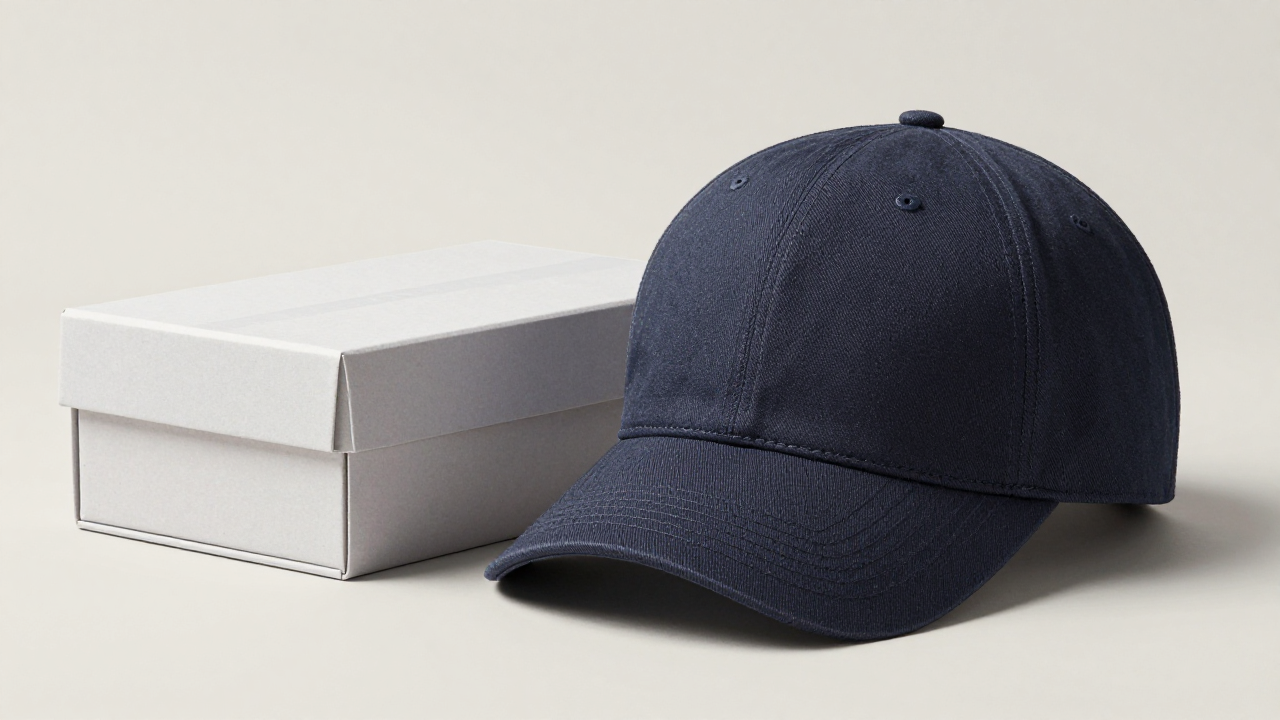
A Portland, Oregon headwear brand cut average lead time from 97 days to 38 days — a 60.8% reduction — between March and September 2022. Unit cost on its two core styles barely moved.…
The sewing floor was never the constraint. The 41 days sitting in sampling revisions and approval threads were.
One U.S. Brand Cut Cap Lead Time 60%. Almost None of the Savings Came From the Sewing Floor.
That is the inconvenient truth for anyone auditing cap manufacturers right now. Buyers treat speed as a factory attribute. More often it is a buyer-side process failure that gets handed to a supplier and then blamed on one.
The brand sells dad hats and five-panel camper caps through a regional outdoor retailer and its own Shopify store. Constraints going in: roughly 12,000 units a year, six SKUs, two decoration techniques, a hard in-store date for a spring 2023 reset, and no appetite for inventory risk — the pilot could not exceed 300 units per colorway. Everything below comes from anonymized operating records and our own production logs. The brand is unnamed at its request. Where a number could not be independently verified, I flag it as an estimate. Disclosure of bias: we won this account in early 2022, so read the supplier-selection section with that in mind.
Why Cap Manufacturer Lead Times Expand and Which Variables Actually Matter
Custom headwear lead time is the sum of seven sequential handoffs — quote, sampling, approval, material staging, bulk sewing, decoration, and inspection plus delivery — and cut-and-sew rarely exceeds a quarter of the total. On this brand's 2022 baseline, sewing accounted for 22 of 97 days.
Here is where the rest went.
Fabric minimums. A mill runs a custom dye lot at roughly 500 yards. At about 0.35 yards of 58-inch cotton twill per six-panel cap, that is close to 1,400 caps per color. A brand ordering 300 pieces in a custom Pantone is not buying fabric; it is buying a spot in someone else's dye lot, and it waits for that slot. Decoration math. A 3D puff front at 2,400 stitches cycles in about 90 seconds of machine time. A flat 7,000-stitch front runs closer to four minutes, and at 12,000 pieces that difference alone decides whether you need one Tajima line or four. Buyers who specify decoration without checking machine-hours routinely add two weeks without knowing it. Change orders. Every artwork revision after bulk fabric is cut restarts a queue. This is the single most expensive form of "saving money" in the category.Our working rule: if a factory quotes under 30 days from tech pack to ship date on a brand-new style, ask which step they skipped. Usually it is the pre-production sample.
The Four Decisions That Compressed the Timeline
Four choices produced the 59-day gain — a move to a specialized cap manufacturer with in-house decoration, a spec locked before sampling, a single approver on a clock, and paid air freight on launch colorways. None of them involved asking anyone to sew faster.
Decision one: specialist over generalist. The incumbent supplier was an apparel house that subcontracted headwear. The team ranked its non-negotiables in this order: ship date, then MOQ, then unit cost, then country of origin. US-made caps were the original plan for the marketing claim, and the brand dropped it in week two — no domestic cut-and-sew shop it contacted would touch 300 units per colorway at a workable price. FOB cost rose from $6.40 to $7.10, an 11% hit. MOQ fell from 1,200 to 300 per colorway. On four untested colors, that inventory-risk reduction was worth more than the cost increase. Decision two: spec before sample. Pantone TCX codes, stitch counts, crown height in millimeters, closure type, eyelet finish, and a physical reference cap shipped by courier. Average sampling rounds across the six SKUs dropped from 4.2 to 1.3. Two SKUs needed zero revisions. Decision three: one approver, 48 hours. The old process ran through a five-person email chain that took 10 days and produced contradictory notes. The brand named one decision-maker with authority to sign off. Two days, every time. Decision four: decoration in-house, air freight for the launch. Embroidering at the same facility removed a handoff. Air freight added $1.85 per unit on 3,000 launch pieces, about $5,550 total — less than the markdown exposure of missing the retailer's reset window.What Went Wrong in Month Three, and the Assumption Our Own Time Study Killed
We assumed embroidery capacity was the bottleneck. A two-week time study in April 2022 killed that assumption — sewing and decoration together accounted for 31 of 97 days, while sampling revisions and approval waiting ate 41.
Then the pilot in June 2022 exposed a second queue nobody had mapped. The brand's laser-cut leather patch and back heat-transfer graphic were outsourced to a finishing subcontractor that also served a team dealer. When that dealer placed a 40,000-piece order in July, our 3,000 caps sat behind it for nine days. Nothing was late yet. It would have been.
Two fixes. The leather patch moved in-house to a laser cutter we already ran for other accounts. The heat-transfer graphic stayed outsourced, but we negotiated a written weekly capacity reservation instead of queueing on arrival.
The pilot also caught 14 caps with misaligned 3D puff embroidery, root-caused to hooping tolerance rather than the digitized file — a distinction that cost two days to find and would have cost a full production run if we had shipped blind. After that we added checkpoint inspections at 30% and 70% of completion. Defect rate on the first bulk order came in at 0.6%, against 1.8% on the incumbent supplier's last shipment.
One honest limitation: this playbook fits brands ordering 300 to 15,000 units per style with a 45-day-plus runway. At 50,000 units in a 30-day window, capacity physics wins and process discipline cannot save you.
What Should You Ask a Cap Manufacturer Before You Commit
Ask these before you send a tech pack, and ask for video evidence rather than assurances. The answers separate factories from brokers in about ten minutes.
Compare quotes on landed cost, not FOB. Duty on headwear under HTS 6505, inland freight, revision fees, and the cost of a missed date belong in the same spreadsheet. A supplier that will not commit to a ship date with a penalty clause is telling you something. Believe it.
Four things transfer out of this case, whatever factory you pick. Measure the whole timeline, not the visible part — if you cannot name the days spent waiting on yourself, you have not measured. Remove approval friction before you negotiate price — a single approver with a clock is free. Verify in-house processes with video and machine counts — a live walk-through of the embroidery floor settles more than a price list. Pilot before you scale — 300 units and a mid-run inspection cost less than one air-freight emergency.
Frequently Asked Questions
What is a typical MOQ for custom caps, and does it apply per style or per color?
Custom cap MOQs usually run 100 to 500 units per style, per colorway, and the colorway drives the number because fabric and trim are committed separately. A factory quoting 50 pieces per color is typically decorating stock blanks, not running custom production.
How long do custom embroidered caps take from artwork approval to delivery?
Plan on 25 to 45 days from artwork approval through bulk completion, then 8 to 30 days of transit depending on air versus ocean. A pre-production sample adds 7 to 10 days. Brands that lock the tech pack and name one approver consistently land near the fast end.
Are U.S. cap manufacturers faster than overseas suppliers?
Domestic cut-and-sew shops win on transit, often 3 to 7 days, but they rarely beat Asian cap factories on total calendar time for decorated custom work, and their MOQs sit higher. Speed depends far more on in-house decoration and reserved capacity than on geography.
What should a cap tech pack include before requesting a quote?
Include construction type, crown height, fabric and weight, closure, seam and eyelet details, a measured decoration placement diagram, stitch counts, Pantone TCX thread colors, and quantities per color. Missing decoration placement is the most common reason a project needs a second sampling round.
How can a small brand verify factory capacity and quality claims without visiting?
Request a live video walk-through of the sewing and embroidery floors, ask for machine counts and daily output per line, then place a 300-unit pilot with a mid-run inspection. A supplier that resists a video call is usually brokering your order to someone else.