
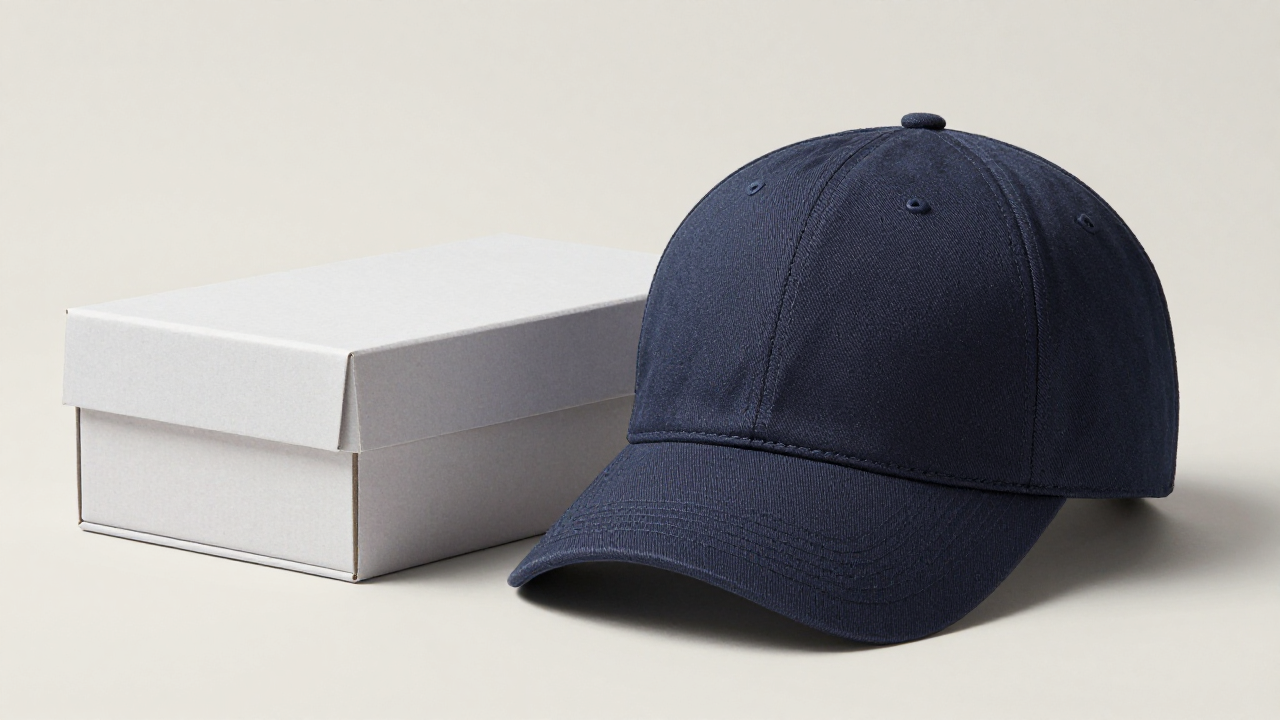
We cut one Denver brand's blended landed cost per cap from $6.10 to $5.79 and moved its trailing six-month revenue from $512,000 to $1.04 million between February and July 2022.…
Two of the decisions below were right. One was luck.
Ridgeline Headwear had been splitting orders across three cap manufacturers and getting the same result from all three: late, inconsistent, and expensive to reorder. Here's the order in which we fixed it, including the six weeks we spent chasing the wrong problem.
Where Ridgeline Stood in January 2022
Ridgeline entered 2022 with $512,000 in trailing six-month revenue, 41 SKUs, a 31% gross margin, and a 22% return rate. Nothing was on fire. The problem was 41 styles for a company with $180,000 in working capital.
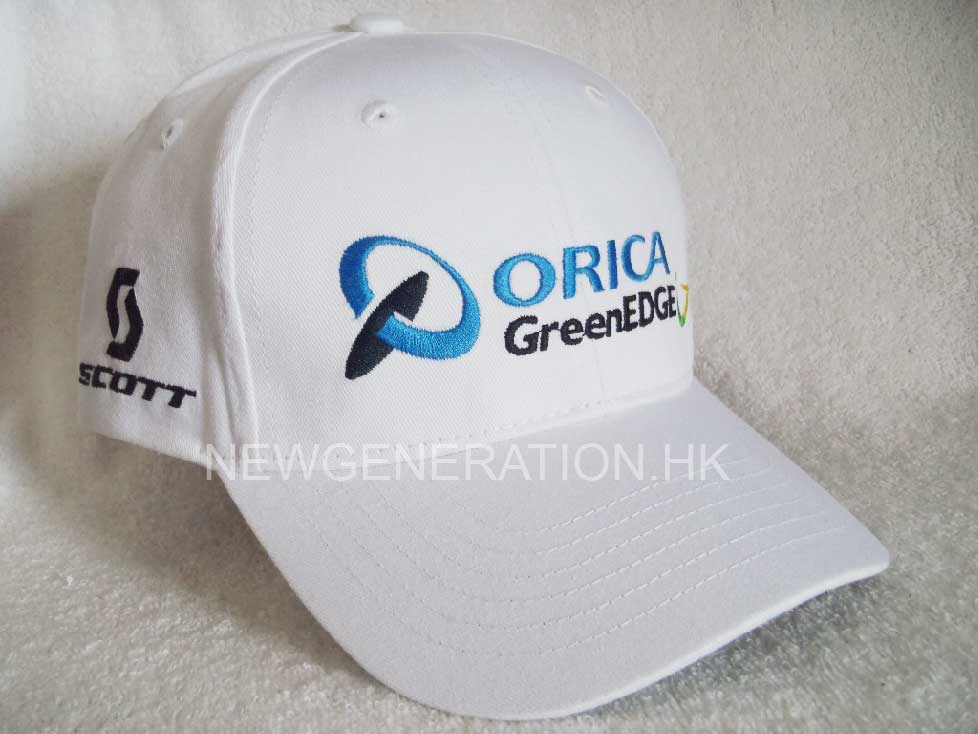
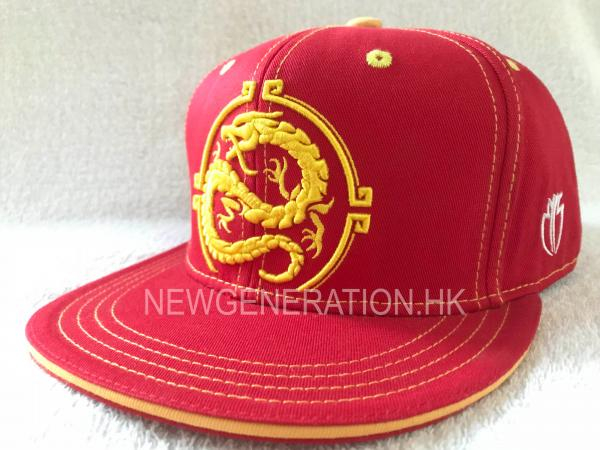
Marcus Feld started the brand in Boulder in 2018 and had built a respectable specialty business — 60 accounts, mostly fly shops, two climbing gyms, and a national park gift vendor. Average wholesale order: 180 units on 45-day terms at 38% margin. The catalog ran six-panel cotton twill, unstructured five-panels, a knit beanie line, and three trucker styles, with 9,000-stitch front embroidery and a 3,200-stitch back mark.
Every one of the three factories quoted a 600-unit minimum per colorway. Ridgeline couldn't afford 600 units across 41 styles, so it ordered 150 to 200 at a time through a sourcing agent who added 8% and never disclosed which factory actually ran the job. That agent was the single largest cost line nobody was looking at.
The Two Decisions That Actually Moved Revenue
Two changes drove roughly 80% of the revenue jump: cutting the catalog from 41 styles to 9, and shifting the primary channel from wholesale to direct-to-consumer on Shopify. Everything else was cleanup work.
Why we cut the catalog to 9 styles
We pulled 18 months of sell-through and sorted by gross profit, not units. Nine styles carried 71% of unit volume and 84% of gross profit. The other 32 styles split the remaining 16% and generated 61% of all returns.
Marcus pushed back hard. His read was that specialty accounts wanted breadth. Two accounts did leave over it — both under $14,000 a year, both ordering twice annually. The math held.
Consolidating those nine styles onto one production line changed the buying position completely: 9 styles × 3 colorways × 1,200 units came to 32,400 pieces a year, enough to negotiate a real tier. FOB dropped from $4.55 through the agent to $4.05 direct. Treat MOQ as a price variable. Moving from 600 to 1,200 units per colorway took 11% off FOB in this case, and that came before freight.
Why DTC came before paid ads
Wholesale netted Ridgeline 38%. DTC netted 68% after shipping and payment processing. With nine styles, the brand could shoot product once, build one email flow, and stop re-photographing 32 dead SKUs every season.
The mistake Ridgeline was one week from making: dropping $40,000 on Meta ads to push traffic into a 41-SKU store with a 22% return rate. Paid traffic on a leaky catalog just buys returns faster and at a higher acquisition cost. Fix fit first, then buy traffic. We sequenced it that way and the first $12,000 in ad spend landed in June, not February.
What We Got Wrong About Fit
We spent most of February 2022 assuming the 22% return rate was a color problem. It was a fit problem, and specifically a crown-depth problem on the size block.
The return reasons told a different story than the marketing team expected. Color complaints were 9% of returns. Sixty-two percent of written reasons clustered around "sits too high," "too shallow," and "feels small for a medium." The factory's default block ran 56 cm circumference with a 15.5 cm crown depth. US adult male head circumference averages about 57.5 cm, and most US size charts put a medium at 57–58 cm. The bill was 7 cm on the default block where a $34 US buyer expects 7.5 cm.
We rebuilt the block at 57.5 cm with 16.5 cm crown depth and a 7.5 cm bill, and swapped the plastic snapback for a metal slide buckle on four of the nine styles. Return rate went from 22% to 6.8% by July. Cost of the fix: $3,400 in new pattern blocks and six weeks of calendar time.
We argued about those blocks for three weeks before approving them. Those three weeks cost more than the blocks did.
The Quarter the Supply Chain Fell Apart
March and April 2022 broke three things at once. Shanghai's lockdown pushed our production through Ningbo, cotton prices spiked to a decade high, and Ridgeline's best-selling camo hit a dye-lot mismatch on 4,800 units.
The 11 p.m. Shanghai call (9 a.m. in Denver) came from Priya Raman, Ridgeline's ops lead. Twelve thousand trucker hats were stuck because the mesh supplier sat in Kunshan, inside the lockdown perimeter. We swapped to a mesh from a Fujian mill, ate a nine-day delay, and disclosed the slight sheen difference to every account before shipping. Nobody cancelled.
The camo was messier. Two dye lots, roughly 1.8 Delta E apart — invisible on a screen, obvious in daylight side by side. Dumping 4,800 units into wholesale at a discount would have torched the price on that style for two seasons. Instead we ran it as a labeled factory lot at $22 against a $34 regular price, sold 3,900 units in six days, held 41% margin, and explained exactly why in the email. That email posted the highest open rate of the year at 54%.
Freight was the other argument. We assumed air freight would wreck the margin. Running it across the full order book, allocating 15% of volume to air added $0.44 per cap across every unit sold — and eliminated the stockouts that had been costing roughly $60,000 in missed spring revenue.
The routing rule we now give brands is simple. Under 1,500 units a month, stay with a domestic decorator or a consolidator and pay the premium. Between 1,500 and 8,000 units a month, run ocean into a West Coast 3PL and hold 15% of volume in air budget. Past 8,000 units a month, negotiate direct factory terms and put a second qualified facility on file — qualified, not ordering.
What July 2022 Actually Looked Like
By July 2022, trailing six-month revenue was $1.04 million, gross margin was 54%, and the return rate sat at 6.8%. Revenue doubled while the catalog shrank 78%.
The $48 average order value came from bundles, not from raising prices. Two-packs of the same style in different colorways did more for the P&L than any discount promo we tested, and they cut per-order shipping cost by $1.30.
What We'd Tell Any Brand Buying From Cap Manufacturers Today
Fit block, factory count, and freight mix decide more of your margin than the FOB quote does. Get those three right before you negotiate a single price.
Get the size block in writing before you get a quote. Ask for crown depth, bill length, and circumference in centimeters. Compare them against your own return reasons, not against a spec sheet. A 1 cm crown difference can swing returns by double digits. One cap manufacturer beats three until you pass roughly 50,000 units a year. Split orders and you lose the volume tier, the dye-lot consistency, and any real recourse on defects. Ridgeline's three-factory setup was costing about $0.50 a unit in pure fragmentation. Sample the closure, not just the crown. Metal slide buckles and brass grommets read as premium at $34 retail. Plastic snapbacks read as promotional. This is a $0.22 per-unit decision that changes your price ceiling. Do the five-item factory check before the first PO:Frequently Asked Questions
How much should custom caps cost from cap manufacturers?
Landed cost for a six-panel cotton twill cap with front embroidery typically runs $4.50 to $7.00 per unit at 1,000 to 2,000 piece runs, covering FOB, ocean freight, duty, and 3PL handling. US retail at 2.5 to 3 times landed cost is the standard benchmark.
What is a typical MOQ for custom caps?
Most Asian cap factories quote 576 to 600 units per colorway. Moving to 1,200 units per colorway usually earns 8% to 12% off FOB. Below 300 units, a domestic decorator working from blanks will almost always be cheaper and faster.
How long does custom cap production and shipping take?
Sampling takes 10 to 14 days and bulk production 25 to 35 days. Ocean freight to a US West Coast 3PL adds another 30 to 35 days. Plan 75 to 90 days from PO to sellable inventory, or use air on your top styles at roughly $2.90 more per cap.
Why do custom caps get returned so often?
Fit drives most returns. Default factory blocks often run 56 cm circumference with a 15.5 cm crown, short of the 57.5 cm US average. Rebuilding on a 57.5 cm block with 16.5 cm crown depth and a 7.5 cm bill cut one brand's return rate from 22% to 6.8%.
Should I use one cap manufacturer or several?
Single-source until annual volume passes roughly 50,000 units. One factory keeps dye lots consistent and gets you the volume price tier. Keep a second facility qualified and sampled as backup, but route production through one until the volume genuinely requires splitting.