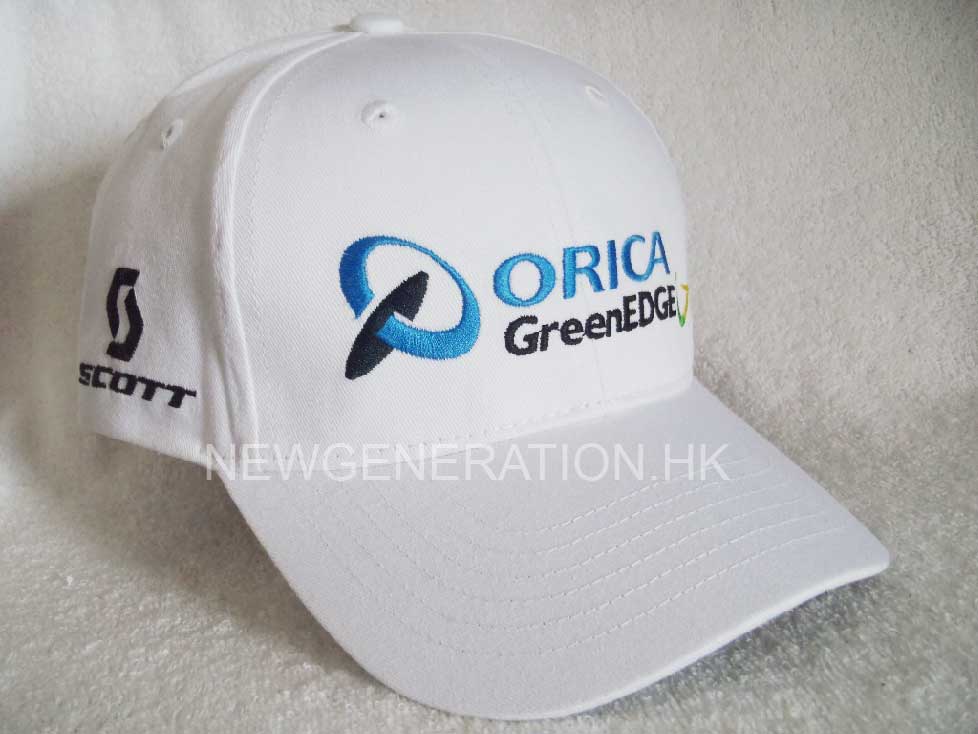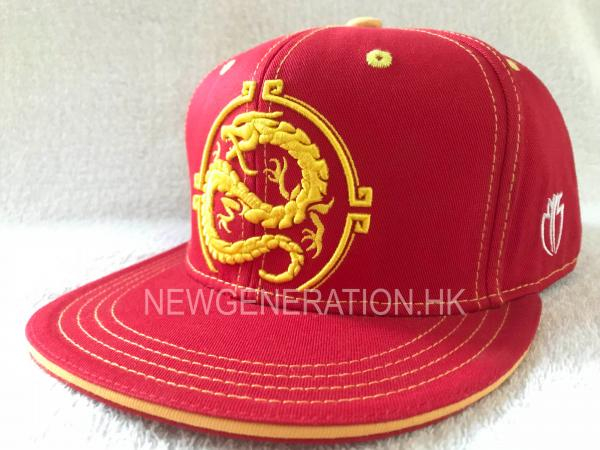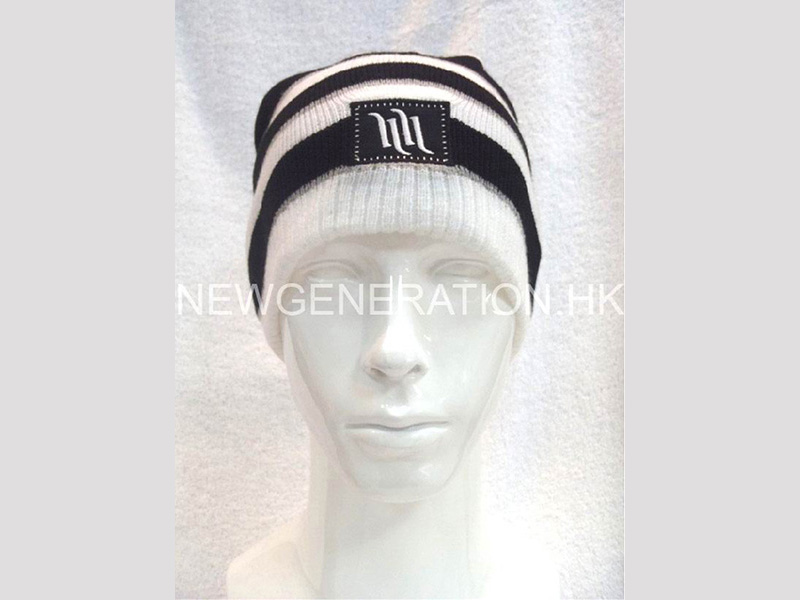



Global sustainable fashion lines are shifting from superficial green claims to verifiable supply chain transparency. Leading cap manufacturers with GRS (Global Recycled Standard) certification are setting a new industry baseline, providing fully audited raw materials and traceable ethical production data that survive rigorous compliance checks.
Why do uncertified eco-friendly caps fail strict compliance audits?
Most headwear labeled "eco-friendly" fails audits because their recycled content claims lack third-party chain of custody verification. When customs authorities or retail auditors demand documentation, uncertified suppliers cannot prove material origin, leading to rejected shipments, financial penalties, and immediate brand credibility damage.
The Global Recycled Standard (GRS) addresses this regulatory challenge. It mandates a minimum of 50% certified recycled material alongside third-party audits tracking production from plastic bottles to finished product. This documented trail works like a digital passport. Without it, brands risk losing market entry, particularly under the strict EU environmental due diligence and packaging laws now actively enforced.
The statistical risk for brands remains high. A Textile Exchange analysis found that 73% of non-GRS-certified caps marketed as "recycled" actually contain less than 20% post-consumer recycled content. Accredited cap manufacturers mitigate this exposure through strict batch segregation protocols, providing verified transaction certificates that ensure fast custom clearance and complete audit compliance.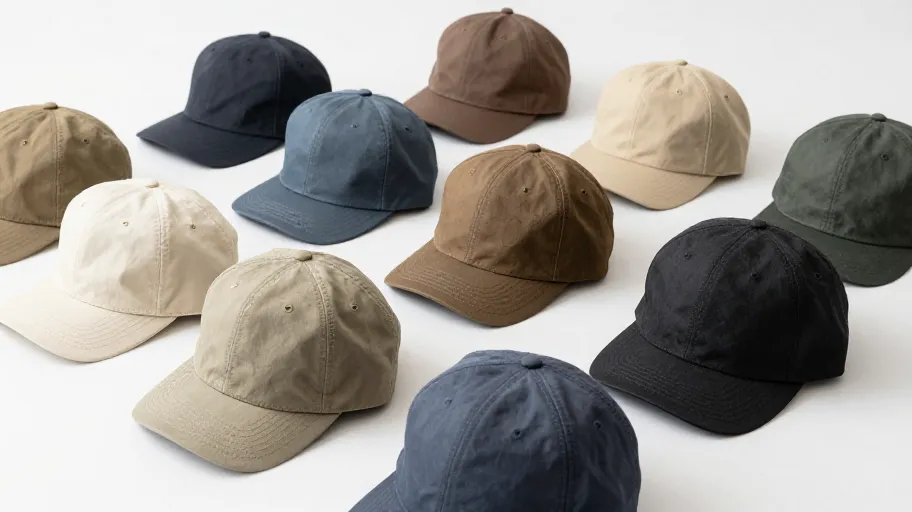
How do certified cap factories ensure recycled material purity?
Certified facilities maintain material purity by implementing strict raw material segregation and chemical testing protocols at every stage of production. From yarn spinning to final stitching, GRS protocols block virgin plastics or uncertified polyester blends from infiltrating the supply chain, ensuring the physical product matches the brand's sustainability claims.
During a high-volume run, an uncertified mill often dilutes recycled fabric during blending. Conversely, an audited cap factory utilizes spectroscopic analysis to verify that incoming rPET bales originate strictly from post-consumer waste. Materials are logged via digital tracking systems and funneled into dedicated spinning and dyeing lines to prevent cross-contamination.
This strict precision relies heavily on mass balance accounting. This closed-loop system ensures a facility never claims more recycled output than verified raw inputs. A Textile Exchange review indicated that factories utilizing digital tracking systems cut compliance tracking errors by 68% compared to traditional paper-based methods, protecting brands from unexpected product recalls.
What is the measurable ROI of sourcing from a certified cap factory?
Sourcing from a certified factory improves profit margins by reducing customs delays by 35%, accelerating new product onboarding by up to 50%, and supporting a 15% to 20% retail price premium. Verifiable traceability converts compliance costs into a measurable competitive advantage that builds long-term customer retention.
Operational efficiency scales directly with pre-verified traceability data. Instead of wasting months chasing upstream mill declarations, apparel brands can launch new headwear lines faster. Data from NielsenIQ demonstrates that products with verified ecological labels achieve 2.3x higher customer retention among conscious consumer segments who prioritize repeat purchases from trusted supply chains.
Furthermore, verified sustainability data reinforces corporate ESG disclosures and investor reporting framework requirements. When onboarding a new cap factory, procurement teams should immediately secure three core documents: a valid GRS Scope Certificate (SC), Transaction Certificates (TC) for every single fabric shipment, and upstream mill declarations. This data integration transforms headwear manufacturing from an operational liability into a core selling point.
#cap manufacturers, #cap factory, #headwear manufacturing, #hat tech pack