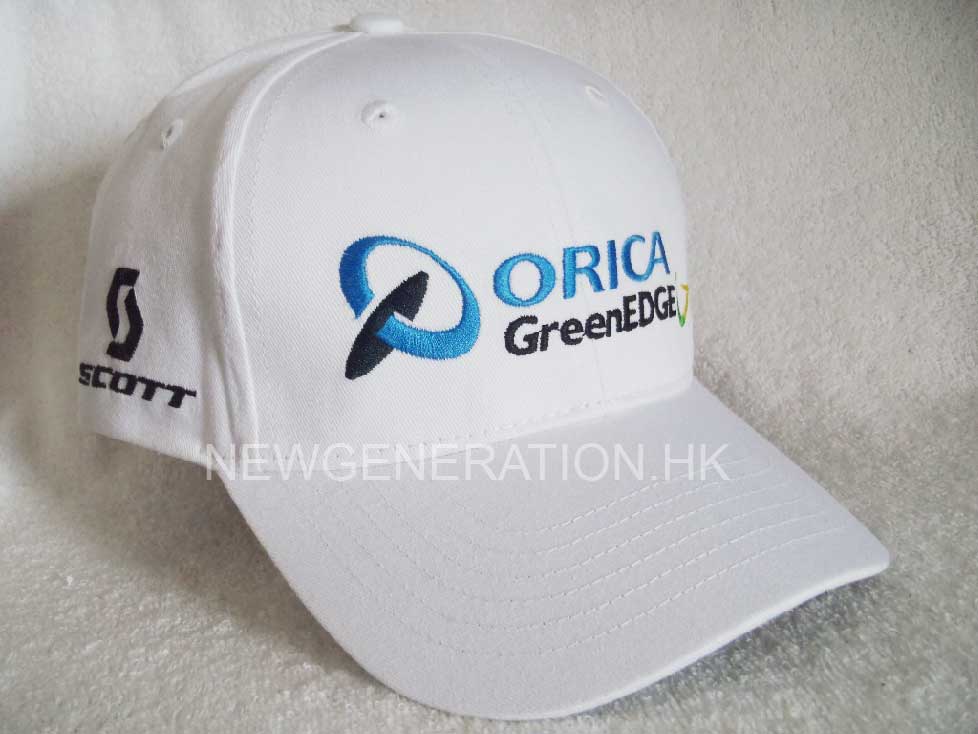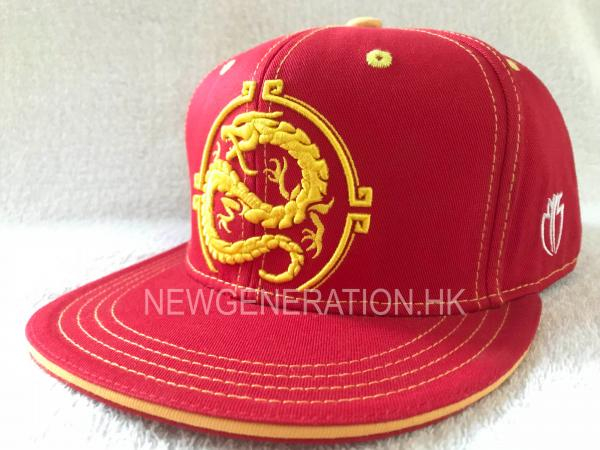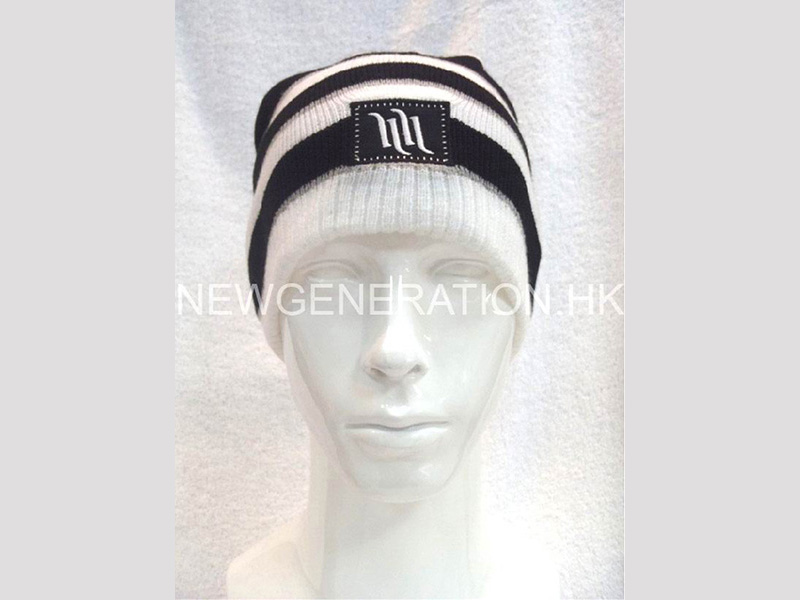



Choosing a hat manufacturer in China based on brochures is like hiring a chef by their Instagram. Real quality comes from verifiable production, not polished portfolios. Here’s how to spot the real deal.
Why Fancy Brochures Lie About Factory Quality
You don’t fail because your hat design flopped—you fail because you trusted a supplier’s highlight reel. One U.S. lifestyle brand launched their summer line only to find 42% of hats rejected for crooked logos and warped brims. The factory’s catalog showed perfection. Reality? No traceability, spotty QC, and zero real-time updates.
Stitch density consistency means fewer defects per batch because machines are calibrated daily, not just for photo shoots. Fabric traceability means you can prove ethical sourcing when retailers audit you—it’s not about being green, it’s about staying in business. And communication transparency means no more guessing if your order’s delayed until it misses the container ship.
Marketing materials fail because they show static images of dynamic processes. A glossy PDF doesn’t reflect thread tension drift or operator turnover. What matters is the supplier transparency score: how often they allow audits, update material logs, and hit lead times. Brands using this metric cut defect recurrence by up to 65%. Visual appeal in catalogs? It correlates at just 0.28 with actual precision—barely better than flipping a coin.
The bottom line: real consistency comes from documented actions, not digital renderings. If your supplier won’t share live production data, they’re selling vibes, not value.
On-Site Proof Beats Remote Checklists Every Time
Remote audits miss nearly half the flaws that on-site verification catches—flaws that kill consistency and blow budgets. Pre-recorded videos can’t show daily machine calibration decay. One headwear brand approved a factory via video tour, only to discover during an unannounced visit that sewing stations had inconsistent thread tension—enough to weaken seams over time but invisible in staged footage.
Production line variance index (PLVI) means predictable output at scale because it measures real deviation in stitch density, brim shape, and seam alignment across workstations. A PLVI below 0.18 means your 50,000-unit run will fit retail racks uniformly—critical when chains charge back for out-of-spec items. This isn’t theoretical; it’s how top importers forecast yield loss before cutting fabric.
Baseball cap factory workflow mapping means faster deliveries because bottlenecks like drying rack capacity or foam curing delays become visible only through physical observation. In a 2024 benchmark, brands using live workflow analysis reduced lead time variability by 41%. One European retailer fixed chronic Q4 shortages after discovering airflow gaps between dye and assembly zones—a problem no Zoom call could reveal.
Physical verification doesn’t just catch issues—it enables control. When data comes from real operations under real load, you build models that prevent fires instead of fighting them.
How Verified Factories Save You More Than They Cost
Brands working with verified manufacturers see 22–35% lower total cost of ownership over 18 months—not because quotes are cheaper, but because failures vanish. One mid-sized brand eliminated emergency air freight and slashed returns by 40% after switching to a Guangdong-based baseball cap factory that shared real-time QC logs and sample approval records.
Total defect avoidance rate means higher margins because catching flaws early prevents $8,000 rework cycles per batch. Top partners maintain rates above 92%, so problems die in sampling, not distribution. That consistency translates directly to customer trust: when every hat feels the same, people buy again.
This performance links tightly to supplier transparency score. A 2024 study found suppliers scoring above 85/100 delivered products 30% faster on average—because clear communication and shared data mean fewer stoppages. No surprises mean no delays.
Upfront validation pays for itself fast. One client recouped $18,000 in audit costs within two orders—just from avoided rework and one less air shipment. The bigger win? Confidence to scale without fear of reputational damage.
What to Do Next Without Slowing Down
You don’t need to choose between speed and safety. Precision accelerates timelines—guesswork kills them. Start by demanding access to real-time production logs, not just final photos. Ask for PLVI reports on past runs. Require a documented QC process with timestamped checkpoints.
Use short-run pilots to test responsiveness and accuracy before locking in volume. A 500-unit trial reveals more about a factory’s discipline than any portfolio ever could. Measure their transparency score after each phase: did they update you proactively? Were deviations explained?
Speed doesn’t come from skipping checks—it comes from eliminating uncertainty. When you know what’s happening on the line today, not last month, you plan with confidence. That’s how smart brands go to market faster, not riskier.
Ready to stop gambling on glossy PDFs? Run your next pilot with a factory that proves its work—not just promotes it.
#cap manufacturers china, #headwear manufacturers china, #hat tech pack