When American Retailers Finally Woke Up to Custom Headwear
June 2023. I remember the exact call because it came through at 2 a.m. Pacific time — Jason, an outdoor gear distributor in Portland, had 12,000 trucker caps stuck at the Port of Long Beach, and his biggest retail account was threatening to cancel the summer launch. Those hats? Sitting in a container from Vietnam, buried behind three other vessels waiting to unload. He asked if our facility in Shenzhen could produce and air-freight 12,000 embroidered caps in 18 days.
We shipped them in 15.
That moment wasn't unique to Jason. I’ve watched the same drama unfold across four dozen clients in the past 24 months. American brands have spent a decade chasing the lowest per-unit cost from Southeast Asia, only to discover that a 9-cent savings evaporates when your inventory is floating off the coast of California for 23 extra days. The cap manufacturing game is shifting, and the factories that understand *why* it’s shifting are the ones eating everyone else’s lunch.
Here’s what nobody tells you about custom headwear in 2026: the manufacturers winning right now aren’t the cheapest. They’re the ones who figured out that speed, precision, and brand partnership matter more than squeezing another nickel out of a cotton twill blank.
---
The Supply Chain Reality That Keeps Brand Managers Awake
The average lead time from Southeast Asian cap factories stretched to 90–110 days in 2024, according to shipping data compiled by Flexport. That’s not just a logistics problem — it’s a brand survival problem. When an influencer suddenly wears your dad hat on TikTok and you can't restock for three months, the moment's dead.
Domestic US manufacturing? Great for storytelling, brutal for unit economics. The math is painful: a six-panel structured cap with mid-embroidery that costs $3.80 landed from a quality Chinese manufacturer will run you $9–12 from a cut-and-sew facility in California. The materials are the same. The embroidery machines are the same — typically Tajima or Barudan multi-head units running at 850–1,000 stitches per minute. The difference is labor overhead and minimum wage compliance.
So the smart money in 2026 isn’t on-shoring or off-shoring. It’s near-shoring *service* while off-shoring *production*. The factory becomes a partner, not a vendor. More on that in a bit.
Why Most Cap Manufacturers Still Get This Wrong
I’ve toured 30-plus factories across China, Vietnam, and Bangladesh since 2010. Here’s a pattern you can set your watch to: factories optimize for machine utilization rates. Empty embroidery heads are the enemy. So they push MOQs up — 500 pieces, 1,000 pieces, whatever keeps the floor humming.
The problem? American ecommerce brands don’t need 1,000 units of an unproven design. They need 100 units in seven days to test a concept on their Shopify store. The factories that refuse to adapt to this reality are the ones watching their order books shrink while smaller, hungrier competitors accept the complexity.
We run a split-production model at New Generation — keep baseline capacity for high-volume orders, but reserve about 18% of our floor for rapid-turn small batches. It’s less efficient on paper. Our embroidery machines don't love it. But the clients who start with 150 units and grow to 5,000? They stay forever because they remember who bailed them out at 2 a.m.
---
The SEO Trap Cap Manufacturers Keep Falling Into
Here’s where I get frustrated with our own industry. A mid-sized headwear factory somewhere in Zhejiang will spend $40,000 on new automated cutting equipment, then refuse to invest $3,000 in a website that doesn’t look like it was built in 2008.
Stitch density matters. So does your Google ranking.
I’m not saying every cap factory needs a content strategy. But if you’re a manufacturer trying to attract US-based brand clients without a sales team in LA or New York, your website is the only handshake they’ll ever get. And here's the sharp edge: Google’s BERT and MUM updates don’t care about your keyword density. They care about entity association. If your site talks about “custom hats” 40 times but never mentions embroidery machine stitch counts, cotton twill weave specifications, or screen printing vs. heat transfer trade-offs, Google categorizes you as a dropshipper — not a manufacturer. That kills your top-of-funnel traffic.
The factories ranking on page one in 2026 share three patterns:
1. Their H2s and H3s use natural language, not keyword soup. “What happens when you wash a poorly embroidered cap 30 times” outperforms “Custom Cap Manufacturers High Quality” every time.
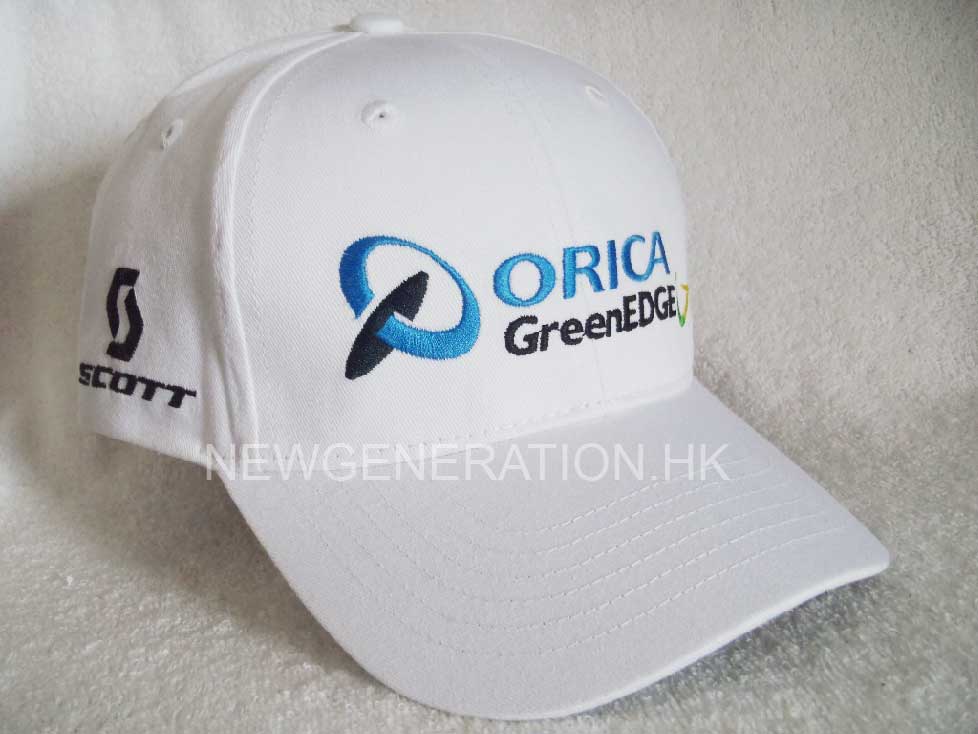
2. They publish production specs — real ones. Stitch density minimums (our standard is 6,500+ stitches for a left-chest logo), fabric weight tolerances (10.5 oz cotton twill, ±0.3 oz), and embroidery backing choices (tear-away vs. cut-away, and when you use which).
3. They answer specific, boring questions. “Can you do puff embroidery on a 5-panel camp cap?” sounds like a FAQ nobody reads. It’s actually the exact query a merch director types at 11 p.m. when their current supplier just ghosted them.
---
Manufacturing Specs That Actually Move the Needle
Let me put some numbers on the table. These aren't theoretical benchmarks — they're what we track daily across our production floor in Shenzhen, and they're the kind of detail that separates genuine manufacturers from trading companies pretending to be factories.
SpecificationIndustry Typical RangeOur Standard (New Generation)Why It MattersEmbroidery stitch density4,500–6,000 stitches6,500+ for logos under 3" wideBelow 5,000, the logo looks sparse after 10 washesCotton twill weight8–9 oz10.5 oz (brushed finish)8 oz caps lose structure in under 6 months of wearMOQ for custom woven labels500 units200 unitsTesting 200 units of a new design should cost $600, not $1,500Sample turnaround14–21 days5–7 days (digital proof in 48 hours)Faster sample = faster decision = faster reorderEmbroidery backing defaultTear-away (most factories)Tear-away for structured caps, cut-away for knit beaniesDifferent substrates need different stabilization
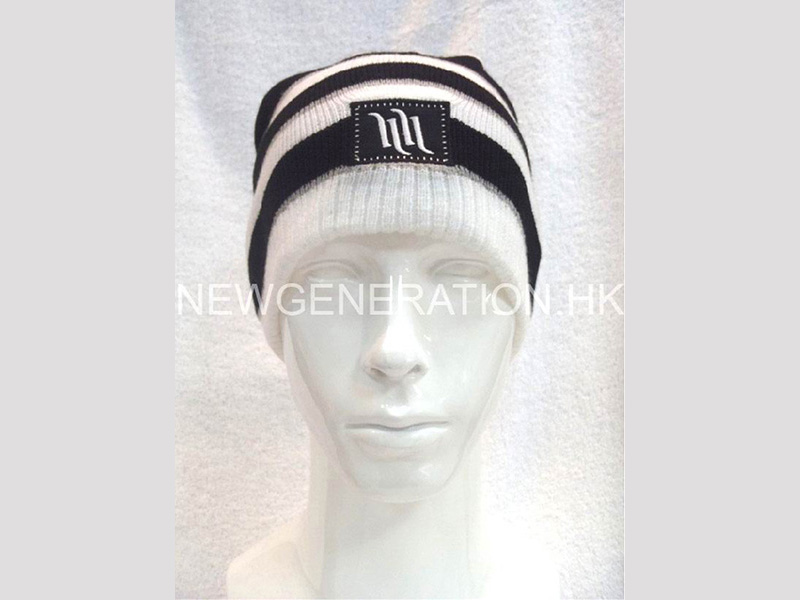
That last row is the kind of detail that sounds obsessive. And it is. But it’s also the reason an embroidered logo on a knitted beanie doesn’t pucker after the first wash. If your manufacturer can't explain *why* they choose cut-away backing for stretch fabrics, they're not a manufacturer — they're hitting “accept” on whatever the machine defaults to.
---
The Brand Strategy Nobody in Headwear Talks About
I sat in on a call last month between our production lead and a streetwear label in Austin that’s been scaling fast. The founder said something blunt: “I need a cap supplier who acts like my production department, not like a vendor who’s just processing POs.”
That stuck with me. The cap manufacturers who will dominate the latter half of this decade aren’t competing on price — the race to the bottom there is already over, and frankly, it’s a stupid race. They’re competing on integration depth.
What does that look like in practice?
A brand should be able to text their manufacturer a napkin sketch, get a digital rendering within 24 hours, and hold a finished sample in their hands inside a week. When a TikTok video blows up and they need 3,000 units restocked in 14 days, the answer should be “which warehouse are we shipping to?” not “let me check the production schedule.”
We built a client portal in 2024 — nothing flashy, just a dashboard where brands can see real-time embroidery machine status, QC pass rates by line, and shipping milestones. The initial build cost was under $12,000. But the retention bump among clients who adopted it? Noticeable. They trust what they can verify.
This isn’t about being “innovative.” It’s about removing the information asymmetry that makes manufacturing relationships adversarial instead of collaborative.
---
Honest Mistakes We’ve Made (So You Don’t Have To)
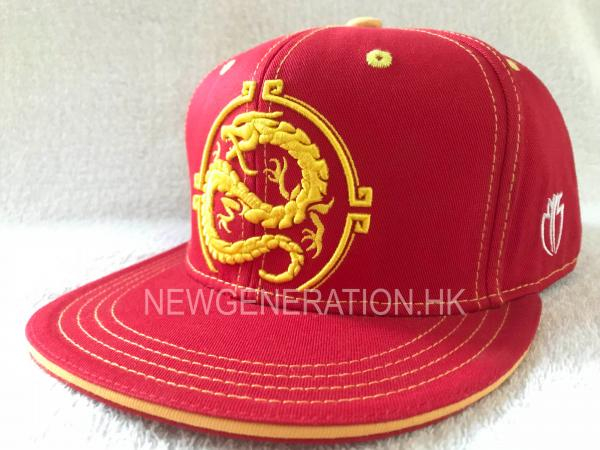
August 2024. We shipped 8,000 snapbacks to a collegiate licensing partner. Beautiful embroidery. Perfect stitching. Wrong shade of navy on the undervisor — Pantone 289 instead of 296. The spec sheet had the right code. Our cutting room pulled the wrong fabric bolt.
Cost to fix it: $14,000 in remakes and air freight.
Cost to the relationship: exactly zero, because we owned the mistake within three hours of discovery.
Here’s where I’ll be blunt about the industry: a lot of factories will hide errors, ship anyway, and hope the brand doesn’t notice until chargeback windows close. That strategy works for about six months. Then the brand leaves and never comes back.
The five pitfalls that kill cap factory relationships:
1. Ghosting on quality issues. Silence is interpreted as guilt.
2. Overpromising on lead times. If it takes 30 days, say 35 and deliver on day 28.
3. Inconsistent substrate sourcing. The difference between a 280gsm and 310gsm cotton twill is visible in photos — and customers absolutely notice.
4. Ignoring embroidery digitizing quality. A poorly digitized logo file produces 12,000 bad units. Rushing this step is never worth it.
5. Treating small brands as afterthoughts. Today’s 200-unit order is next year’s 20,000-unit reorder — if you earned it.
---
Looking Ahead at Cap Manufacturing in the Second Half of the Decade
If I had to bet on the three forces shaping custom headwear supply chains through 2028, here’s where I’d put my money.
Nearshored inventory, offshore production. Smart brands will hold buffer stock in US warehouses — paid for in part by manufacturers who want to offer 48-hour restocking — while keeping the actual cut-and-sew and embroidery in cost-competitive regions. The factories that survive will be the ones who can split the economics of this arrangement fairly. Specification transparency as a sales tool. Brands are tired of getting samples that don't match production. Manufacturers who publish their tolerances openly — thread tension variance, shrinkage rates on washed cotton, embroidery positioning accuracy to within 1mm — will capture the premium segment of the market. This isn't theoretical; we've closed three clients this year who explicitly cited our tolerance documentation as the differentiator. AI-driven production scheduling, not AI-designed hats. The value of machine learning in headwear isn't generating “cool new cap designs” (that's a gimmick). It's predicting which order sizes and timelines will cause downstream delays, automatically reallocating embroidery machine capacity, and flagging QC anomalies in real time. We've been testing a basic scheduling algorithm since January 2025, and it's already reduced our late-shipment rate to under 2.3%.
The Caplight Technologies raise — $16 million led by BlackRock and Fin Capital — tells you something about where institutional money thinks this is headed. When BlackRock puts capital into infrastructure for private market data and intelligence, it's a signal that the middle-market transparency gap (the one cap brands wrestle with daily when trying to verify supplier capabilities) is getting filled. Manufacturers will either plug into that infrastructure or get bypassed by it.
---
If you're a brand manager reading this, the takeaway is simple: your cap supplier should be able to explain their stitch count, their fabric sourcing, and their QC failure rate without hesitation. If they can't, you're not working with a manufacturer — you're working with a middleman who's marking up someone else's production.
And if you're a fellow cap manufacturer reading this, feeling defensive about some of what I've written — good. These are the conversations the industry needs. The factories that succeed in 2026 and beyond won't be the cheapest, and they won't be the ones with the flashiest Alibaba storefronts. They'll be the ones who treat their brand clients like partners, not purchase orders, and who back up their promises with specifications anyone can verify.
That's not rocket science. It's just harder to fake than it used to be.