Picking the right cap factory in 2026 starts with a hard truth: most buyers spend more time comparing price per unit than comparing the factory's actual cut-and-sew capability.…
I've been in headwear sourcing since 2008, and every year I see the same pattern—brands chasing the lowest quote, then paying double in rework, chargebacks, and dead stock. US import data from 2024 shows headwear shipments crossing $2.8 billion, but the margin between a profitable run and a write-off usually comes down to stitch density, fabric yield, and whether the factory's QC team actually opens the boxes.
The Cap Factory Landscape Has Shifted—Here's Where the Money Goes
The 2026 race won't be won by the factory with the most Instagram followers. It'll be won by the one that can hold a 10,000-unit reorder to the same fabric weight and dye lot as the first sample. That's rare. We run a manufacturing operation in China—New Generation has been cutting and sewing caps since 2008—and I still reject about 12% of in-line production at our own facility before it hits final QC. That's not a brag. It's just what happens when you buy fabric in 2,000-yard lots and your embroidery machine operator changes a bobbin at 10 p.m. on a Friday.
What Actually Separates a Strong Cap Factory From a Headache
When I evaluate a headwear manufacturer, I don't ask for their client list first. I ask about their cutting table length, their seam allowance tolerances, and whether they run an AQL 2.5 or AQL 4.0 inspection on finished goods. Sounds boring, but it predicts delivered quality better than any showroom visit.
Then you need to understand what you're actually buying. A "cap factory" can mean three different things, and the difference determines your risk.
If you're on a tight budget, the trading company route looks cheaper at the quote stage. It rarely is after you factor in the markup on top of the factory price and the fact that when something goes wrong, you're talking to a middleman who has to go ask someone else for answers. We run as a full-service cut-and-sew facility, but I'll tell you honestly: full service isn't always the right fit. If you're testing 50 pieces per color for a new design, a small embellishment shop might be faster. The key is knowing which category you're dealing with before you send a PO.
I'm drifting—back to the table.
A Buyer's Decision Tree for 2026 Sourcing
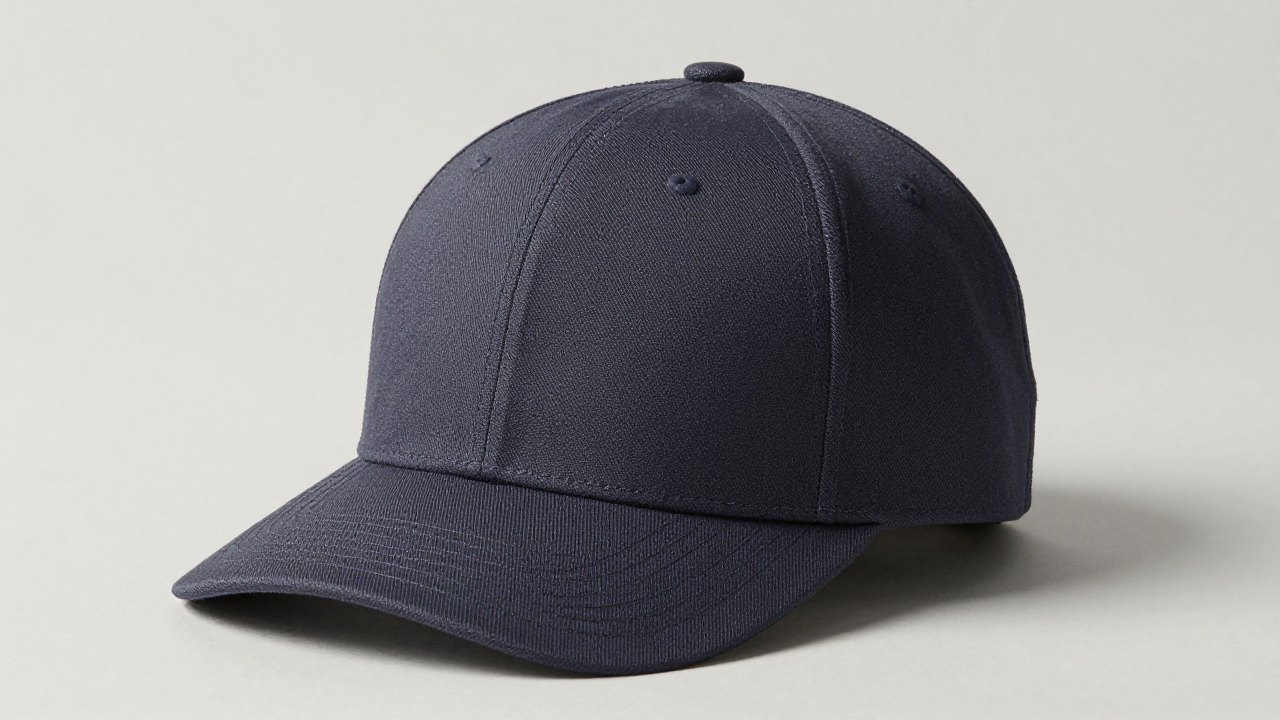
Start with product type. If you're buying a structured 6-panel cotton twill cap, you need a factory with in-house buckram pressing and taping, not just a decorator with a multi-head embroidery machine. That buckram layer is what gives the front panels their stand-up shape, and if it's glued poorly, the crown collapses after three washes. I've seen it happen in a Phoenix warehouse in August.
If it's a 5-panel camper or unstructured dad hat, crown height and pre-washed fabric are your real control points. Ask for a spec sheet with crown height in centimeters—typical adult unstructured caps run 9–11 cm at the center front. If the factory can't tell you that number, they're not running their own pattern room.
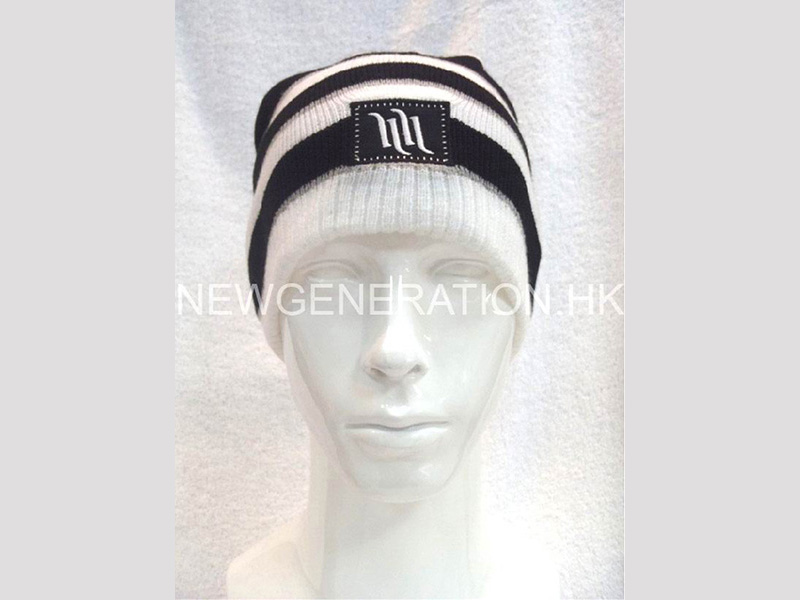
If it's a knit beanie, ask about gauge and yarn shrinkage. A 7-gauge beanie feels chunkier, a 12-gauge finer. Acrylic yarns shrink less than wool blends, but if you're using a wool blend, the factory should steam-block the panels before linking. Otherwise your 22-inch circumference becomes 20.5 inches after the first wash.
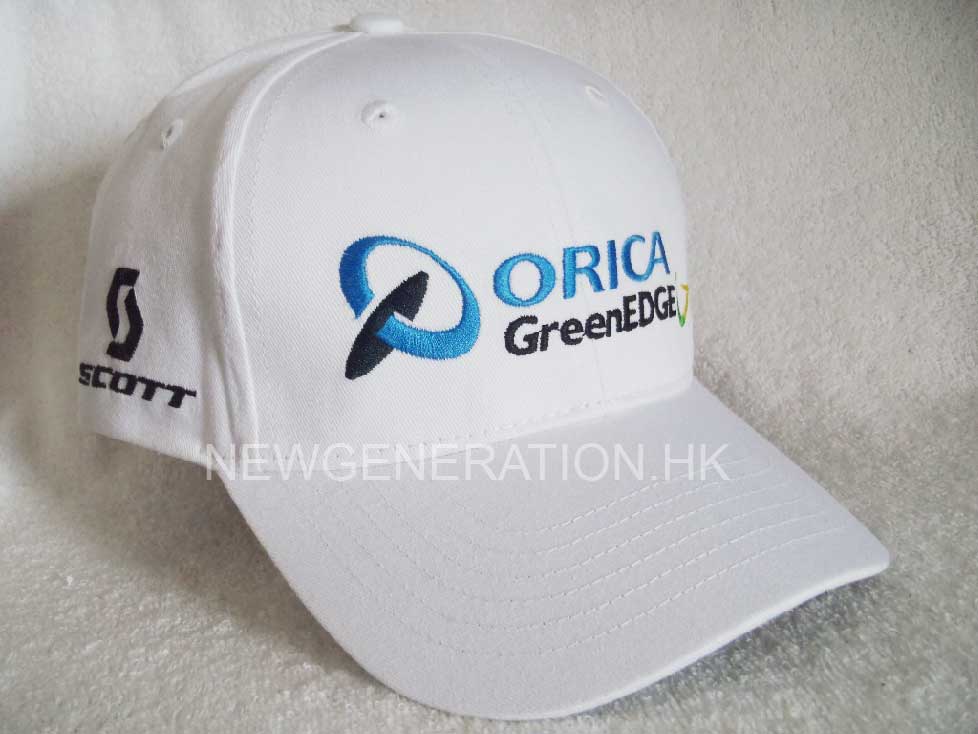
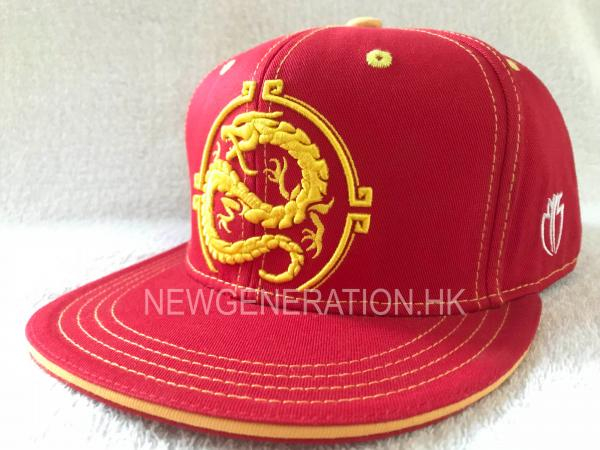
Decoration method comes next. Embroidery gives the most perceived value on structured caps, but stitch count is where factories quietly cut corners. A standard left-chest logo on a 6-panel cap should run between 6,500 and 8,500 stitches at 0.4mm stitch length. If your quote says $0.55 per piece for embroidery on 500 caps, that's roughly 60% of what it costs to run a design at proper density—meaning they're either thinning the underlay or dropping stitches. You won't see it in a photo. You will see it when the logo looks flat next to a competitor's cap at a trade show in Las Vegas.
Then screen printing vs. heat transfer. Screen printing on cotton twill holds up better over 30+ washes; heat transfer works on polyester and performance fabrics but cracks if you stretch it over a seam. I'm getting off track. Pulling it back.
After decoration, your decision path splits on compliance. If any portion of your order ships to California, check Prop 65 for phthalates in synthetic leather straps and certain azo dyes in colored twills. If you're making caps for kids under 12, CPSIA tracking labels and lead limits apply. A factory that says "don't worry, it's compliant" without asking your distribution channels is already a red flag.
Where US Buyers Get Burned—and How to Avoid It
Burn list. I'll give you five, but there are more.
That Phoenix story isn't rare; it's just the one with a happy ending because the buyer caught it before the next season. Most buyers catch it when their Amazon listing hits 3 stars and the returns eat the margin.
Then there's the logistics trap. In July 2021, a buyer named Jason from Bend, Oregon called me at 3 a.m. Pacific—12,000 snapback trucker caps stuck outside Long Beach. The vessel sat at anchor for 18 days, and his retail buyer had a hard August 1 shelf date. We ended up splitting his order: 3,000 pieces air-freighted from Guangzhou to LAX at $4.10 per piece in freight, and the rest landed two weeks later. Air freight killed his margin on that third, but losing a national account would have been worse. The lesson isn't "use air freight." It's to build a 10-day buffer into your seasonal calendar and to ask your cap factory for early shipping documents, not just a commercial invoice.
Building a Supplier Relationship That Survives Tariff Seasons
A stable cap factory relationship looks a lot like a stable marriage: most of it is unglamorous communication about small things before they become big things. I don't care if your factory sends you a holiday card. I care if they flag a dye lot variation before you see it in a photo of finished goods.
Set up a monthly or bi-weekly production call, even if it's 20 minutes. Ask for photos of the actual cutting table, the embroidery floor, and the QC station where they run AQL inspections. If they hesitate, that hesitation is data.
Payment terms matter more in 2026 than they did in 2019. US buyers talk about tariffs, but the hidden cost is financing. Many overseas factories require 30% deposit and 70% before shipment. That means your cash is tied up for 35–45 days. If you can negotiate 30/70 with balance against B/L, you free up working capital. We do that for repeat buyers after two clean POs, but not earlier—and that's fair. A factory that offers 30/70 against B/L to a first-time buyer is either desperate or lying about its cash flow.
On the compliance side, keep a folder with your factory's OEKO-TEX or ISO certifications, your fabric mill certificates, and your own third-party test reports. Don't wait for a retailer audit. If you sell to a big box buyer, they will ask for upstream traceability. A cap factory that can provide yarn source, dye lot, and cut date will save you three weeks of email chains.
Questions Buyers Ask Me Before Signing a PO
How do I guarantee consistent quality from a cap factory?
You don't guarantee it; you spec it. Write down the fabric weight, the crown height, the brim curve, the stitch density, the sweatband material, and the acceptable defect level. Send that as a PDF, not a voice note. Then ask the factory to sign it. A surprising number of problems disappear when the spec sheet has a signature block.
What's the best way to negotiate price without getting a worse product?
Attack setup costs, not unit price. Ask if the factory can reduce the sample fee or the screen setup charge. Ask if they'll hold your screen for a reorder. Unit price cuts usually come out of fabric weight or stitch density, because that's where the factory can recover margin. Setup costs are real but often negotiable—a $200 sample fee for a 6-panel cap is reasonable; $600 is not unless you're getting a production-run sample with all trims.
How do I know if a factory is actually running in-house production?
Ask for a live video call during their working hours, not a recorded tour. Watch for the cutting table being used, not staged. If the video is too polished, ask them to flip the camera around and show you the back corner of the embroidery room. A real factory has thread clippings on the floor and boxes of fabric stacked by the door. A clean showroom with no lint is a trading company's office.
What should I expect to pay for a mid-tier custom cap in 2026?
For a structured 6-panel cotton twill cap with embroidery, 500–1,000 pieces, expect roughly $3.20 to $4.80 per unit FOB China, depending on fabric weight and embroidery count. That's up about 12% from 2022, mostly from labor and resin costs. If you're quoted $2.10, someone is cutting something—probably the buckram, the sweatband, or the truth.