


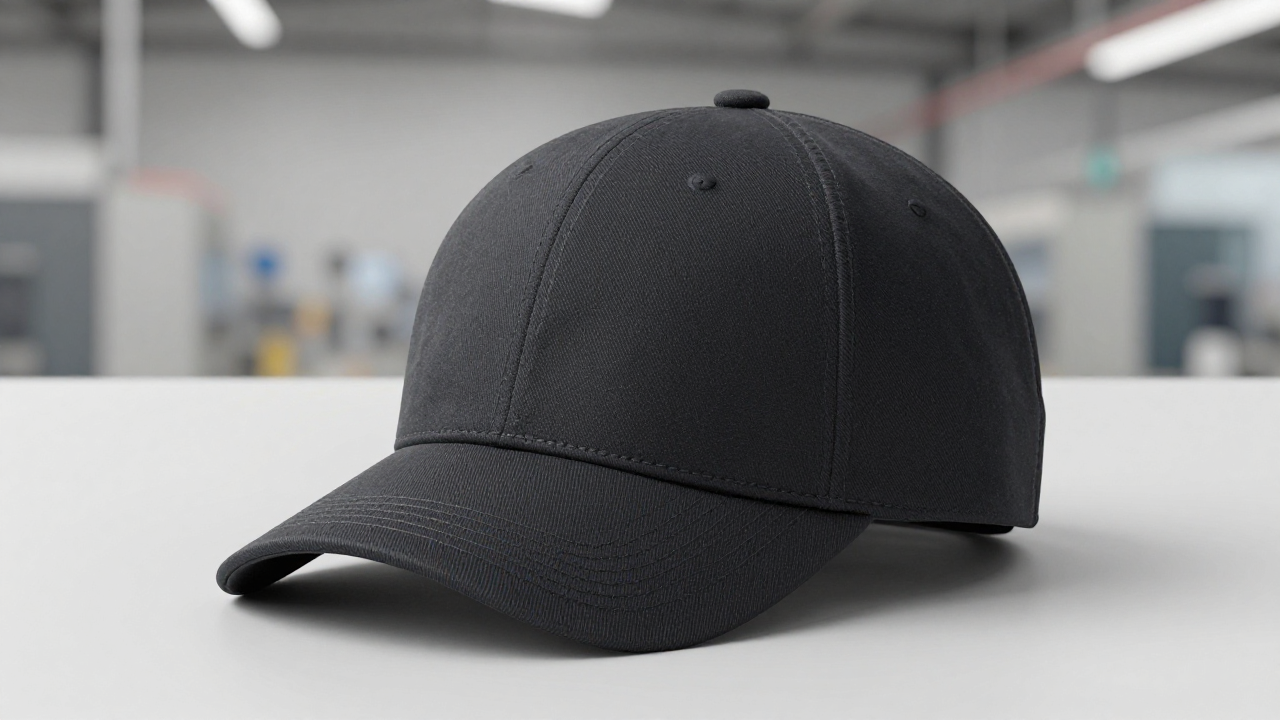
Cap factories play a crucial role in the fashion industry, serving as the backbone for brands that need high-quality, customizable headwear.…
These manufacturers are responsible for everything from design and material sourcing to production and quality control. In a market where trends change rapidly, cap factories must be agile and innovative to meet the demands of both large retailers and niche markets.
Understanding the Cap Factory Ecosystem: A Comprehensive Overview
The Role of Cap Factories in the Fashion Industry
Key Players and Their Market Positions
The cap manufacturing landscape is diverse, with key players like New Era, Flexfit, and Richardson dominating the market. Each has its unique strengths, such as advanced production techniques, robust supply chains, and strong brand recognition. For instance, New Era is known for its iconic 59FIFTY fitted caps, while Flexfit excels in stretch-fit technology. Richardson, on the other hand, is a go-to for custom embroidery and screen printing services.
The Anatomy of a Successful Cap Factory: What Sets the Best Apart
Innovative Production Techniques and Technologies
Innovative production techniques are a hallmark of successful cap factories. Automation and digitalization have become essential, with many factories adopting computer-aided design (CAD) and 3D printing for prototyping. According to industry data, the use of automated cutting machines can reduce fabric waste by up to 15%, significantly improving efficiency and sustainability. Additionally, the integration of smart manufacturing systems, such as IoT and AI, allows for real-time monitoring and predictive maintenance, ensuring consistent quality and minimal downtime.
Quality Control and Sustainability Practices
Quality control is non-negotiable in the cap manufacturing industry. Top factories implement rigorous inspection processes at every stage, from raw material selection to final packaging. For example, stitch density, a critical parameter, is typically maintained between 8 to 10 stitches per inch to ensure durability. Sustainability is also a growing focus, with many factories adopting eco-friendly materials and practices. Cotton twill, a popular choice for its durability and comfort, is often sourced from organic or recycled sources.
Navigating the Challenges: Common Pitfalls and How to Avoid Them
Identifying and Overcoming Supply Chain Issues
Supply chain disruptions can be a major headache for cap factories. In July 2021, a client from Oregon called at 3 a.m. panicking about 12,000 truckers stuck at Long Beach port. This incident highlighted the importance of having a flexible and resilient supply chain. To mitigate such risks, it's crucial to diversify suppliers and maintain buffer stock. Additionally, leveraging technology, such as supply chain management software, can provide real-time visibility and help in proactive decision-making.
Expert Tips for Maintaining High Standards
Maintaining high standards requires a combination of strict protocols and continuous improvement. Regular training for staff, investment in state-of-the-art equipment, and a culture of quality are essential. For example, our factory conducts quarterly audits to ensure compliance with ISO 9001 standards. We also invest in employee development programs, which have led to a 10% increase in productivity over the past year.
Our Brand’s Edge: Why New Generation Leads the Pack in Cap Manufacturing
Unique Selling Points of New Generation
New Generation stands out in the cap manufacturing industry due to our commitment to innovation and customer satisfaction. Founded in 2008, we have built a reputation for delivering high-quality, customized headwear solutions. Our unique selling points include:
Case Studies: Success Stories and Customer Testimonials
One of our most notable success stories is with a regional outdoor retailer based in Colorado. In 2020, they approached us to create a line of custom hats for their summer promotion. We worked closely with their team to design and produce 10,000 hats, which were delivered on time and met all their quality standards. The campaign was a huge success, leading to a 25% increase in sales for the retailer.
Preparing for 2026: Trends and Strategies for Future Success
Emerging Trends in Cap Design and Technology
Looking ahead to 2026, several trends are expected to shape the cap manufacturing industry. One of the most significant is the rise of sustainable and eco-friendly materials. Consumers are increasingly conscious of environmental impact, and brands that can offer products made from recycled or biodegradable materials will have a competitive edge. Additionally, advancements in 3D printing and smart textiles are likely to revolutionize the way caps are designed and produced. For example, 3D printing can enable more complex and personalized designs, while smart textiles can incorporate features like temperature regulation and UV protection.
Strategic Moves to Stay Ahead of the Competition
To stay ahead of the competition, cap factories need to be proactive and adaptable. Here are some strategic moves to consider:
By embracing these strategies and staying attuned to the evolving market, cap factories can position themselves for long-term success and leadership in the industry.








