

In 2026, picking a cap factory partner comes down to managing construction, material, and compliance risk before you ever see a sample.…
We’ve been running New Generation, a headwear manufacturer out of China, since 2008. I’ve watched buyers place orders for 10,000 units and get exactly what they asked for, and I’ve watched buyers place the same order and end up with collapsed crowns and dye-lot mismatches they can’t sell.
Stop Buying Caps Like It’s 2019
What separates them isn’t taste. It’s whether they treat the order like a supply chain decision or a fashion decision. A basic 6-panel structured cap from a cut-and-sew cap factory in Guangdong currently lands in the US between $1.80 and $2.40 before decoration. If you’re paying less than that, you’re not getting a better deal—you’re getting a hidden spec change somewhere.
Inside a Cap Production Line, the Short Version
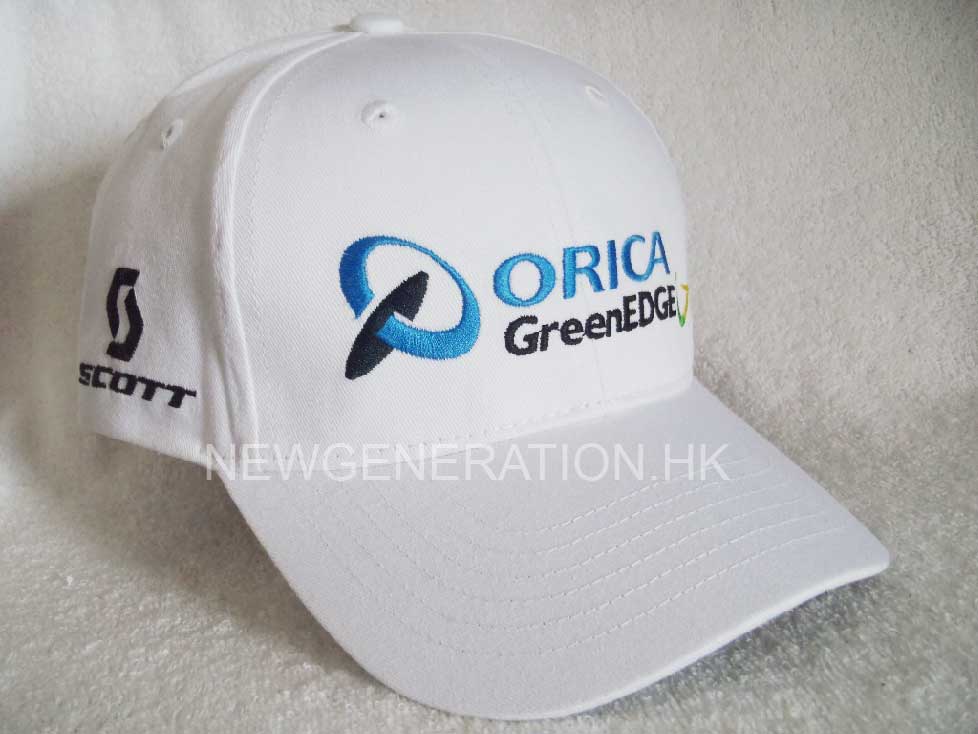
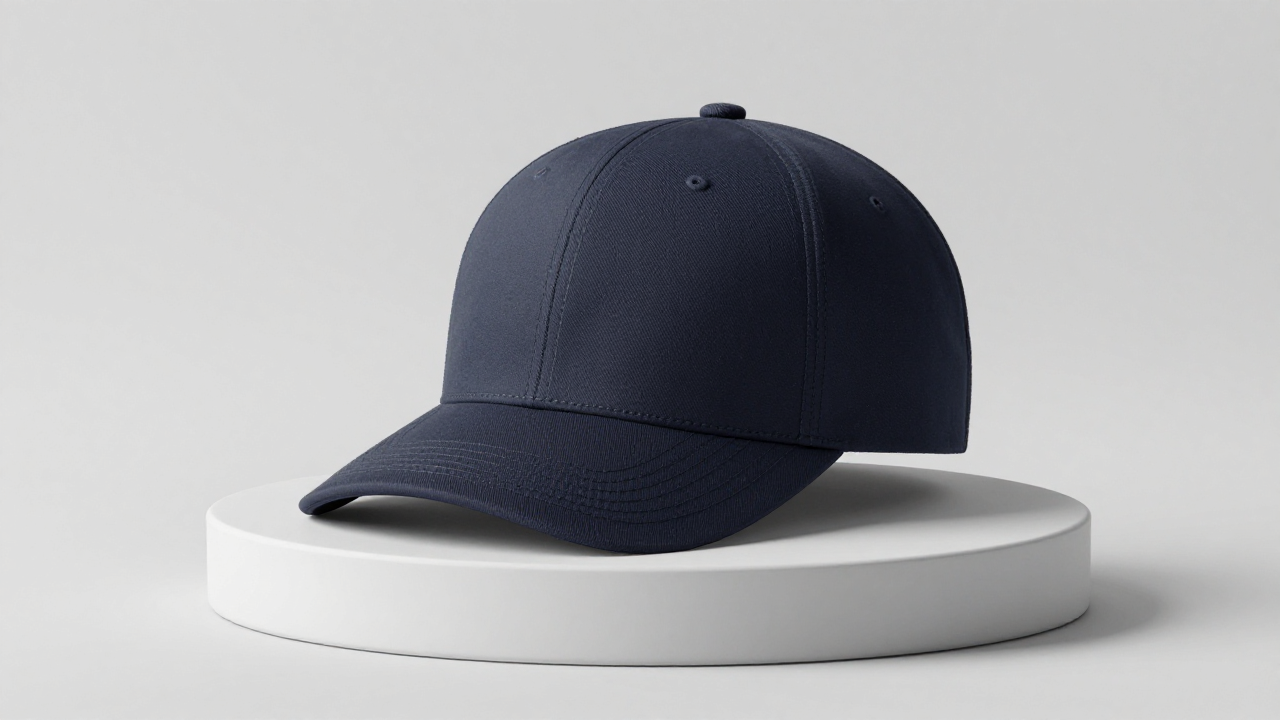
A 6-panel structured cap looks simple, but the production line has more touchpoints than most buyers expect. Panel cutting, interlining, embroidery, visor forming, sweatband install, top button, sizing closure, finishing. In a typical cap factory, a single cap passes through 18 to 24 stations. That matters because every extra station is a place where quality can drift.
Cut-and-Sew vs. Knit Are Different Supply Chains
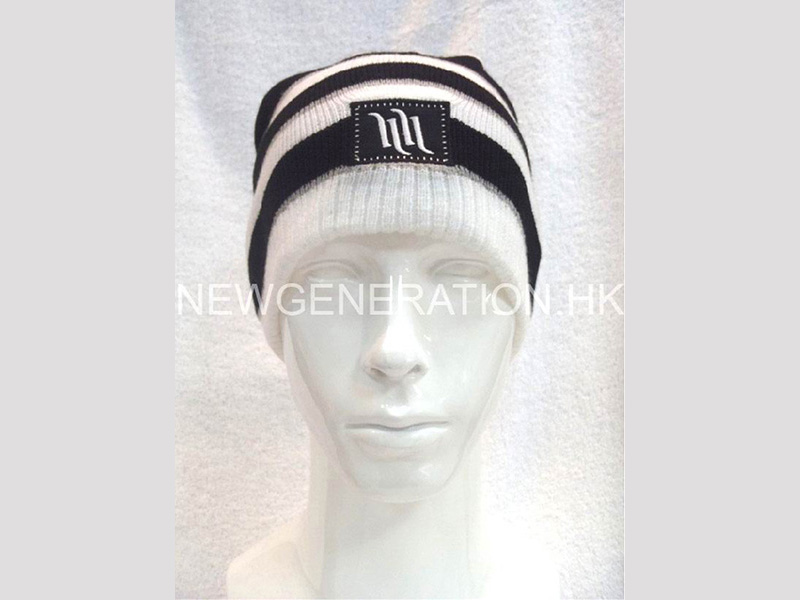
If you buy a 6-panel twill cap, you’re in the cut-and-sew world. If you buy beanies or knit caps, you’re in circular knitting and linking. A factory that excels at one often struggles with the other. We run both, but they require different machine lines, different QC checkpoints, and different defect patterns. Ask a factory which process they run at highest volume before you assume they can handle your order.
This is the kind of thing that seems obvious on a sourcing call and then destroys a delivery schedule six weeks later.
Fabric Decisions That Sink Orders
Cotton twill, brushed cotton, performance polyester, wool blend, acrylic knit, mesh. Buyers default to “cotton twill” without specifying weight or finish. Raw fabric weight for structured caps usually runs 8 to 10 ounces per square yard. Under 8 ounces, the crown loses structure unless you add heavier buckram. Over 10 ounces, you get a cap that feels like cardboard in a Phoenix warehouse.
The 2026 Fabric Decision Table
In July 2021, a Portland distributor named Jason sent a 3 a.m. WhatsApp message. His 12,000-piece trucker cap order was stuck outside Long Beach, and he had just discovered the factory had quietly swapped 8mm foam to 5mm in the front panels. The caps were collapsing in his QC photos. That swap saved maybe $0.06 per unit at the source, but it cost him a full season with a regional outdoor chain. He ended up calling us to remake the fronts because we had spare cut-and-sew capacity that month.
How to Vet a Cap Factory Without Getting on a Plane
Most mid-tier cap factories we work with set MOQs between 300 and 500 units per style, with a 100-unit minimum per colorway. Lower than that usually means you’re buying blanks or someone is passing off market inventory as custom. But MOQ is not the first question you should ask.
Questions That Expose Rookie Factories
Ask these before you pay for samples:
A factory that hesitates on any of these is not a bad factory. They may do great work at higher volume. But they are not ready for a buyer who needs consistent specs across three colorways and two distribution channels.
Customization Is Where the Margin Lives
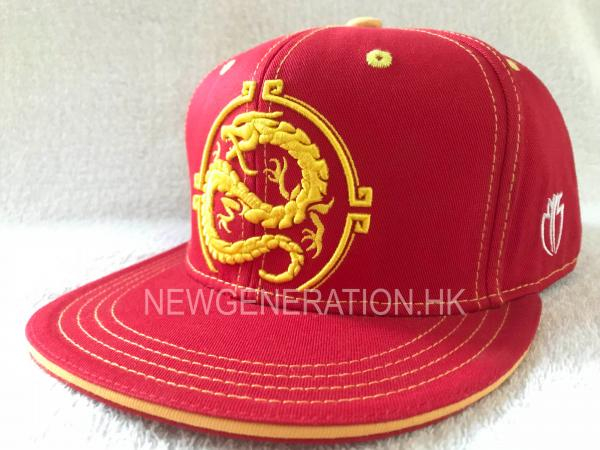
Decoration is the profit center. Embroidery, screen print, heat transfer, woven patch, leather patch, 3D puff. Buyers overcomplicate this. The right approach is to match decoration to use case and sell-through price point, not to whatever the sample room shows you first.
A left-front logo on a cap usually runs 5,000 to 8,000 stitches. Go beyond 10,000 and the fabric buckles unless the backing is right. 3D puff embroidery works well up to about 0.2 inches of foam height. Beyond that, it starts looking like a carnival prize. Screen printing is still the cheapest option for large flat logos on mesh trucker backs, but heat transfer holds up better on performance polyester because it doesn’t crack the same way.
Honestly, this is the section where buyers ask for ten decoration samples and then wonder why their per-unit cost tripled. Pull it back. Pick two decoration paths, test them on your actual fabric, and move on.
What US Buyers Should Actually Order for 2026
The 2026 orders we’re seeing from US streetwear accounts lean away from loud branding and toward tonal embroidery on washed cotton. Trucker mesh is not dead, but the foam-front trucker is getting replaced by structured lightweight mesh that holds shape in a Florida summer. Beanies are moving toward anti-pill acrylic with tighter cuffs, because buyers got burned by cheap knits pilling before February.
Climate still splits the country. A cap that sells in Minnesota in January is not the same as one that sells in Texas in July. If you’re buying for a national chain, plan two constructions: a structured midweight twill for the northern tier and a lightweight performance mesh for the southern tier. If you try to make one cap work everywhere, you end up with a cap that feels wrong in both places.
The real secret isn’t finding the cheapest cap factory. It’s locking your specs, vetting the factory before you sample, and matching material to the season and region where the cap will actually be worn.