


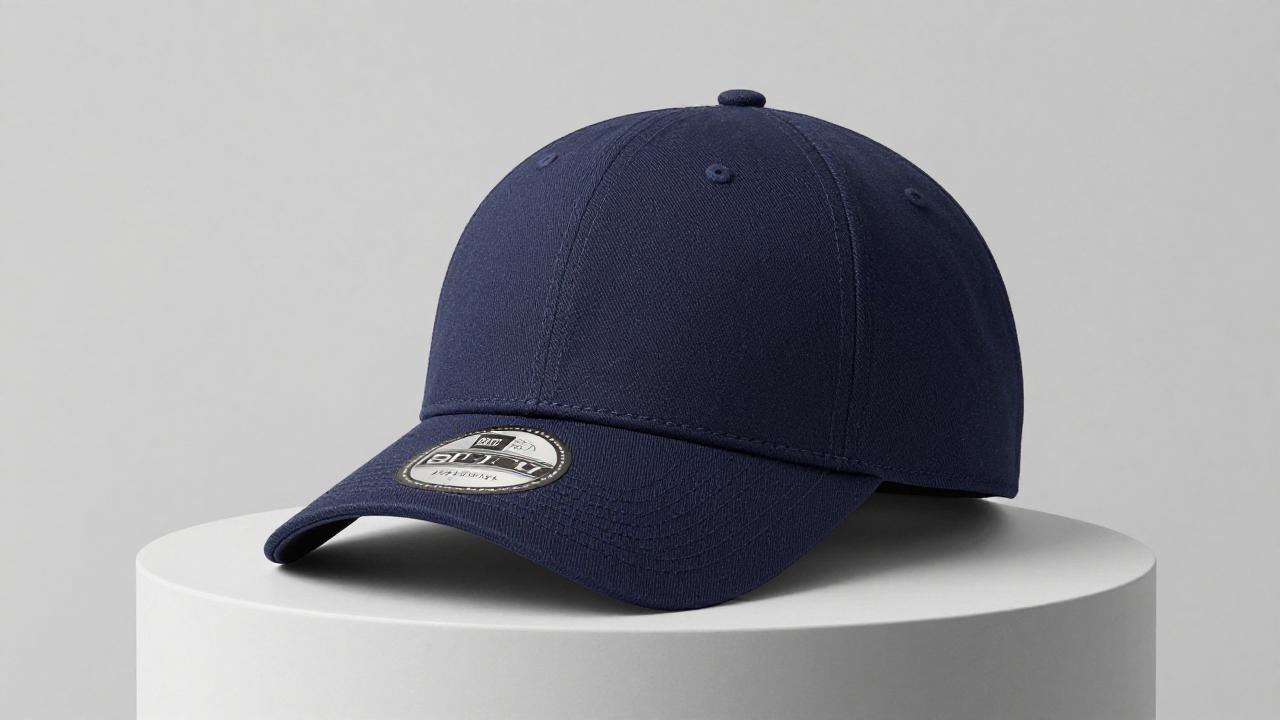
Why Did One Cap Factory Break Away From the Pack in 2026?
The term “cap factory” still makes people think of dusty rows of sewing machines, but that image stopped matching the better suppliers years ago. In March 2025, a buying manager for a Midwest hardware chain told us she had sat through 11 Zoom factory visits. Only two suppliers could explain how they keep brim curl under 4 degrees after 20 wash cycles. We were one of them. That conversation turned into a 38,000-unit program for 2026.
She wasn’t hunting for the cheapest headwear manufacturer. She wanted a cut-and-sew facility that could prove its process. That difference matters more than most buyers admit.
This article is a Q&A-style look at what we learned running New Generation from a small stitching room in 2008 to a supplier that now moves custom hats into all 50 states. I don’t have a magic formula. What we have is specs, inspection data, and a long list of mistakes we paid for so you don’t have to.
What Does a Modern Cap Factory Actually Do Differently on the Production Floor?
Most buyers assume a cap factory cuts panels and sews them. That’s true but incomplete. The real separator in 2026 lives in details you can’t see in a product photo.
We run structured six-panel caps at 9.5 oz cotton twill and unstructured dad hats at 7.8 oz. Mid-profile crown height is held at 4.3 inches with a tolerance of plus or minus 0.15 inch. That sounds tiny, but it’s the difference between a hat that sits properly and one that balloons on the head.
Seam stitch density runs 8 to 9 stitches per inch on side seams. Below 8, you get puckering after the first wash. Above 9, lightweight twill starts to perforate. We learned that through returned samples, not from a textbook.
Is Automation Replacing Stitch Workers?
In 2024 we installed automated brim fusing and laser cutting machines. The laser cutter reduced panel misalignment from 2.1 percent to 0.7 percent on our five-panel line. That one improvement cut our rework hours by more than half. Stitch workers still run the final seams because no machine handles curved panels better than a human operator.
What Quality Checks Happen Before a Carton Leaves the Dock?
We inspect at AQL 1.5 internally. Typical third-party inspection uses 2.5. Our QC team checks brim curvature, crown height, seam alignment, and embroidery density. A 3D puff logo should hold 7,500 to 12,000 stitches. Below that, it flattens after a few wears.
Decoration choice also changes how the product ages. Here’s what we typically quote for 500-unit runs:
Those numbers shift with stitch count, color count, and fabric, but they’re a decent reference for an apparel supply chain conversation.
How Does a Cap Factory Build an Ecommerce Brand That Buyers Trust?
We didn’t start as a brand. We’re a headwear manufacturer. In 2018, a few US clients kept asking us to handle dropshipping, so we tested direct ecommerce. Our first Shopify store was rough: phone photos, no size chart, no shipping FAQ. It converted at 0.4 percent.
The factory background gave us one edge. We could show the production floor without fake gloss. In April 2024, we tested four SKUs with 3D render previews. The product page for a custom embroidered dad hat loaded on mobile in 1.6 seconds. Conversion hit 3.2 percent. Not massive, but it told us buyers respond to specificity.
In June 2025, a 40-second video of brim fusing reached 212,000 TikTok views. It drove 1,800 site visits and 11 orders. Eleven. That was humbling. The video wasn’t a direct sales tool. It became a trust asset in email follow-ups and wholesale decks.
What Does a $29 Custom Cap Actually Cost to Make?
Buyers often guess 90 percent margin. Nope. For a 500-unit custom embroidered six-panel in late 2025, landed cost was around $3.60 per unit. Freight, customs, and fulfillment added roughly $1.90. Platform fees took $2.10. That left $21.40 before marketing. Cold traffic ads ate $8 to $12 per order. Net margin on our direct tests sat around 14 to 18 percent, not 60.
Where Do Most Cap Buyers Screw Up Their First Order?
The worst errors happen before production starts.
In August 2022, a beverage startup in Austin ordered 500 dark green cotton twill caps with black embroidery. They approved a digital proof without a sew-out. When the order arrived, the logo disappeared at arm’s length. The contrast ratio between thread and fabric was below 4.5:1. We now refuse to proceed without a physical sew-out when contrast falls below that threshold.
Other recurring mistakes include:
How Do You Avoid the 3 a.m. Freight Phone Call?
In July 2021, a client from Portland, Oregon, called at 3 a.m. panicking about 12,000 trucker caps sitting outside Long Beach. He had saved $0.30 per unit on freight by choosing a forwarder without chassis at the port. Delivery slipped 19 days. Honestly, this part still annoys me because most buyers blame the cap factory when the real issue is the freight contract. We now ask buyers to carry 8 to 10 percent buffer stock for port congestion.
Can You Launch a Custom Cap Line Without Owning a Cap Factory?
Yes. You don’t need to own a cap factory in 2026. You need to control the decisions that matter: fabric weight, crown depth, closure type, decoration method, and inspection.
In November 2025, a two-person team from Salt Lake City launched 600 recycled polyester five-panel caps. They used our 3D catalog renders for pre-orders and sold 547 units in nine days. They didn’t have a warehouse. We shipped direct from our facility with their labels.
What Does a Realistic Launch Timeline Look Like?
A sane timeline runs about 45 days from concept to customer:
Don’t open the test with 2,000 units. Start with 200 across two colorways. Use pre-orders to validate color and fit.
Running a cap factory or launching a cap line isn’t a mystery. It’s a set of boring decisions repeated consistently. The brands that win in 2026 inspect like a manufacturer and sell like a retailer. Most never do either.








