


In February 2023, a mid-sized headwear brand outside Dallas signed a purchase order for two fully automated embroidery lines from a European equipment vendor.…
The pitch deck promised 40% faster cycle times, 24/7 lights-out production, and a 14-month ROI. Eighteen months later, one line sat idle. The other ran at 62% of rated throughput.
The Cap Factory Automation Trap That Cost One Texas Brand $480,000
What happened wasn't a machine failure. It was a workflow mismatch nobody bothered to map.
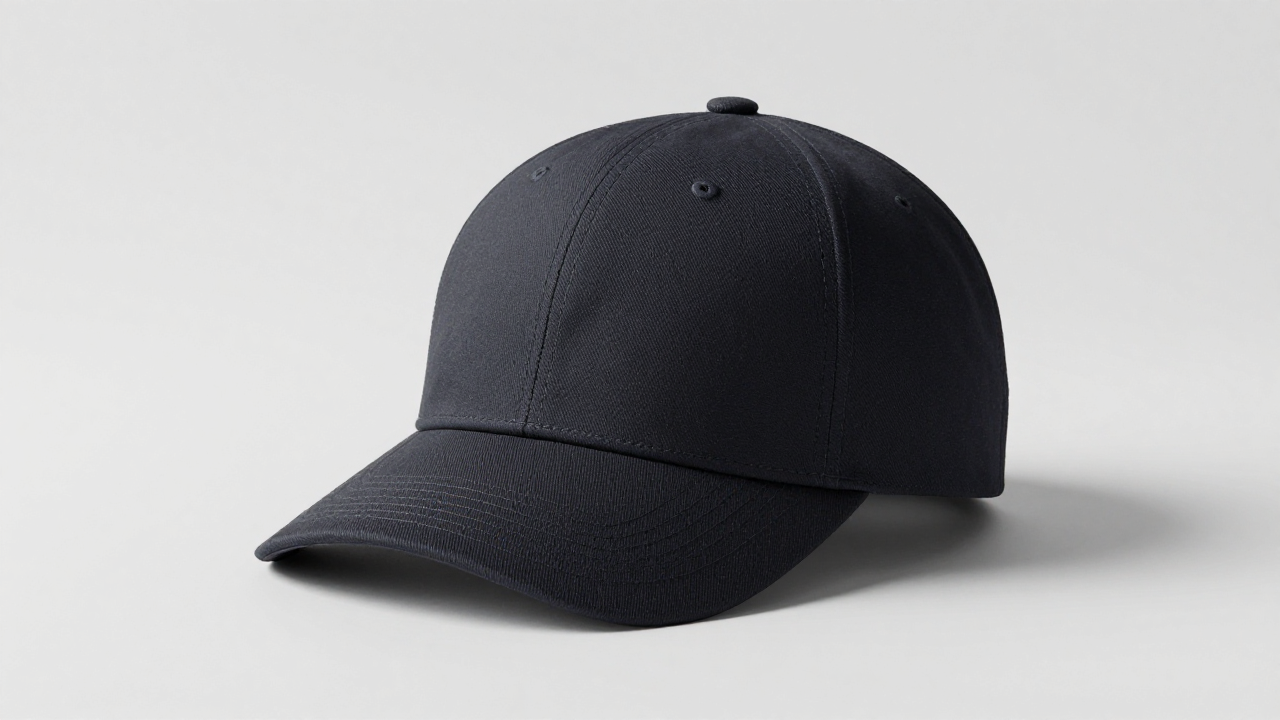
The brand ran structured caps — the kind with buckram backing and pre-curved visors that don't lay flat on an embroidery hoop. The automated system was designed around unstructured, five-panel blanks. Every load required manual re-hooping, a step the integration team never flagged during the sales process. The "40% faster" number came from a demo running flat foam truckers. The brand's average SKU? A wool-blend snapback with a structured crown.
By September 2024, they'd spent $480,000 on equipment, retrofits, and third-party integration consultants. Actual output per shift improved 9%.
The lesson has nothing to do with automation being "bad." It's that automation without a fixture-level compatibility audit is just expensive furniture. We've run similar audits at our own facility in Shenzhen since 2021. The first question isn't "how fast does it run?" It's "which of our top 20 SKUs can this machine handle without modification?"
Industry data from a 2024 equipment survey shows similar patterns: cap factories that skip SKU-level compatibility testing before purchasing automation report 2.7x longer payback periods than those who run pilot lines first.
That's the trap. Vendors quote rated capacity. Buyers assume rated = realistic. The gap between those two numbers is where $480,000 disappears.
Why the "Eco-Friendly Cap" Claims Keep Getting Factories Sued
January 2025. A California-headquartered accessories brand received a demand letter from a consumer protection firm. Their product listing said "100% sustainable materials" for a line of recycled polyester caps.
The caps used rPET fabric. Fine. But the visor insert was virgin polypropylene, the sweatband was conventional cotton, and the adjustable closure was nylon. The entire cap was maybe 55% recycled content by weight. The "100% sustainable" claim didn't hold up under FTC Green Guides scrutiny.
The brand didn't manufacture the caps. Their supplier — a cut-and-sew facility in Southeast Asia — provided a material spec sheet that listed the shell fabric only. Nobody asked about the visor board, the seam tape, or the closure components.
At our facility, we now require a bill of materials with recycled content percentages by component weight before we'll print any environmental claim on a client's packaging or hang tag. It's not that sustainable materials don't work. It's that "sustainable" is a system-level claim, and most cap construction involves 6-8 discrete materials that rarely all come from the same supply chain.
The FTC updated its Green Guides enforcement posture in 2024, specifically targeting vague claims on textile and headwear products. Three brands in the outdoor and activewear space settled complaints in 2024-2025. Settlement costs ran between $80,000 and $350,000, not counting legal fees.
Practical rule: if your cap factory can't produce a component-level certification trail — GRS certification for recycled polyester, OCS for organic cotton, FSC for paper-based visor board — don't put "sustainable" on the label. Put "recycled shell fabric" and leave it at that. Accurate, specific, defensible.
The Customization Boom That Broke a Portland Brand's Inventory System
October 2022. A Portland-based ecommerce brand had built a decent business selling blank caps with embroidered logos. They decided to go all-in on on-demand custom caps — allowing customers to choose panel colors, thread colors, closure types, and add individual name embroidery.
Their Shopify front end launched in March 2023 with a configurator. Orders started flowing. By May, 41% of orders required at least one component they didn't stock. Lead times stretched from 5 days to 34 days. Their chargeback rate tripled.
The issue wasn't customer interest. It was inventory math. The configurator allowed 6 panel colorways × 8 thread colors × 3 closure types × 2 size options = 288 possible combinations per SKU family. Their fulfillment team was still picking from finished-goods inventory like a traditional blank-cap operation.
The mistake: treating on-demand customization as a front-end problem — just add a configurator — instead of a supply chain problem. On-demand only works when the cap factory is set up for postponement manufacturing: keeping unassembled components in stock and doing final assembly after the order comes in.
Our team learned this in 2019 when we started offering made-to-order caps for a subscription box client in Chicago. The first quarter was chaos. By Q3, we'd rebuilt the BOM structure so that every customizable cap shared a common component base — same visor blanks, same sweatband rolls, same closure hardware — and only the fabric panels and embroidery thread changed per order. SKU complexity collapsed from hundreds of finished-good codes to about 30 component codes.
That's the real breakthrough in cap factory customization, and it's not a machine or software purchase. It's component modularity. If your factory treats every custom combination as a new SKU, you're building a logistics nightmare. If you treat customization as a assembly-time decision on a shared component platform, it scales.
The "Influencer Seeding" Failure That Wasted $60,000 in Free Product
August 2024. A DTC headwear startup sent 2,400 free caps to micro-influencers across TikTok and Instagram as part of a "seeding campaign." They used a third-party platform to match with creators who had 8,000-25,000 followers.
Results: 187 posts were published. Median engagement rate 1.1%. Direct attributable sales: 73 caps. Return on ad spend equivalent: negative.
That's not because influencer seeding doesn't work for caps. It's because the product had no visual differentiation signal. The caps were generic dad hats with a small embroidered logo on the front. In a content feed, they were invisible. No color blocking, no unique crown construction, no recognizable silhouette, no stitch pattern that read on camera.
Caps live and die on visual recognizability in content. A beanie with a contrast cuff or a five-panel with a distinctive seam line communicates brand identity in a 2-second scroll. A plain dad hat with a 2-inch logo doesn't.
We've worked with brands to develop what we call "content-first silhouettes" — cap designs that are deliberately engineered to be recognizable in low-resolution video thumbnails, from three feet away, at 45 degrees. That often means thicker contrast stitching on the crown, non-standard panel proportions, or a closure type that's uncommon in the category. The cap factory's role shifts from "make it to spec" to "help the client understand which construction details actually read on camera."
Lesson: if you're going to spend marketing dollars on seeding or influencer partnerships, the product has to do half the marketing work. A cap that looks like every other cap is just a donation.
What Actually Matters When Choosing a Cap Factory Partner in 2026
Honestly, this section could be an entire article by itself. But if you're evaluating a headwear manufacturer this year, here's what we tell brands who come to us after getting burned elsewhere:
Ask for a failure log, not a client list. Every cap factory has had orders go wrong. The ones worth working with will tell you what happened and how they fixed it. The ones who say "we've never had a quality issue" are either lying or too new to matter. Test their prepress workflow. Embroidery digitizing quality is where 80% of cap quality problems originate. Poorly digitized files cause thread breaks, puckering, registration drift, and inconsistent stitch density. Before placing a large order, send a test file with small text (under 5mm height), curved lettering, and tight radii. See how it comes back. Ask what they won't do. A cap factory that accepts every order — every fabric, every construction method, every MOQ — usually isn't excellent at any of them. We turn down orders that don't match our equipment and material strengths. That's not arrogance; it's knowing where our quality ceiling is. Check how they handle compliance documentation. If you use any environmental or material-origin claims, ask for documentation at the component level before you need it for a legal challenge. Retroactive documentation collection is slow, expensive, and sometimes impossible.The cap factory landscape in 2026 is split into three tiers: commodity producers competing on price, mid-tier facilities offering reasonable quality with inconsistent documentation, and specialists who understand that a cap is a system of components, not just fabric and stitching. The brands that grow aren't the ones who find the cheapest unit price. They're the ones who find partners that understand the failure modes before they happen.








